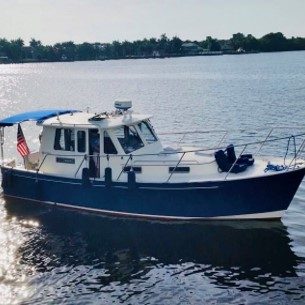

July 4 we departed Half Moon Bay Marina and continued on the Hudson River. When Henry Hudson sailed up the North River in search of the Northwest Passage, little did he realize the river would someday bear his name, and eventually connect the east coast to America’s heartland via the Erie Canal.
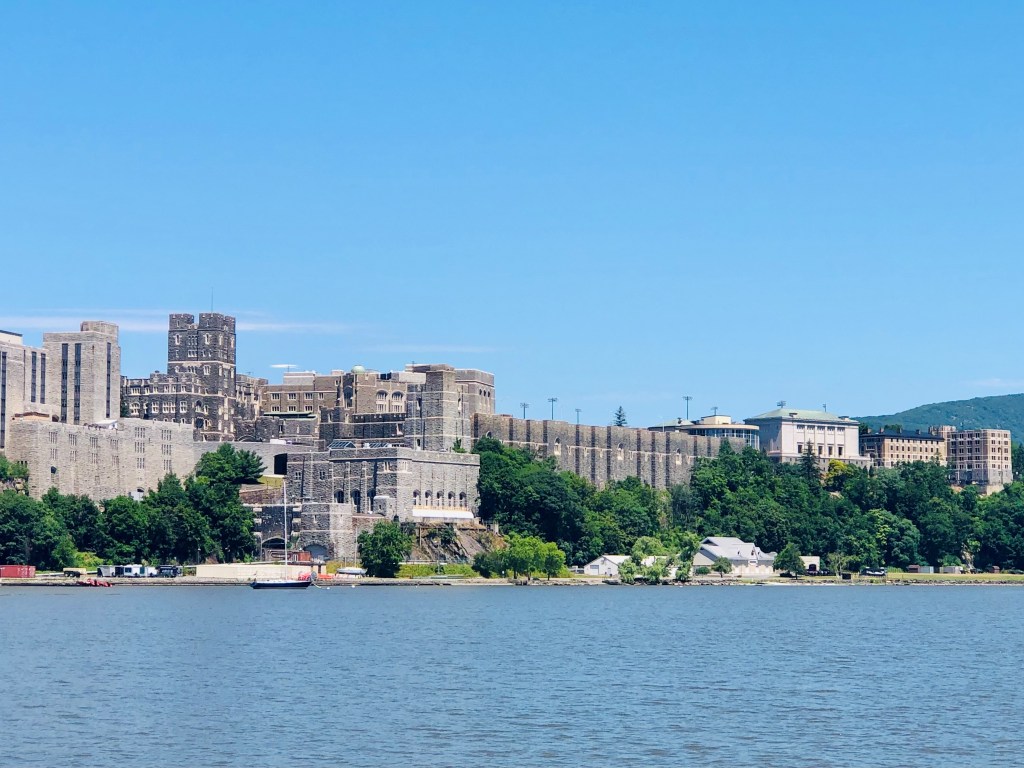
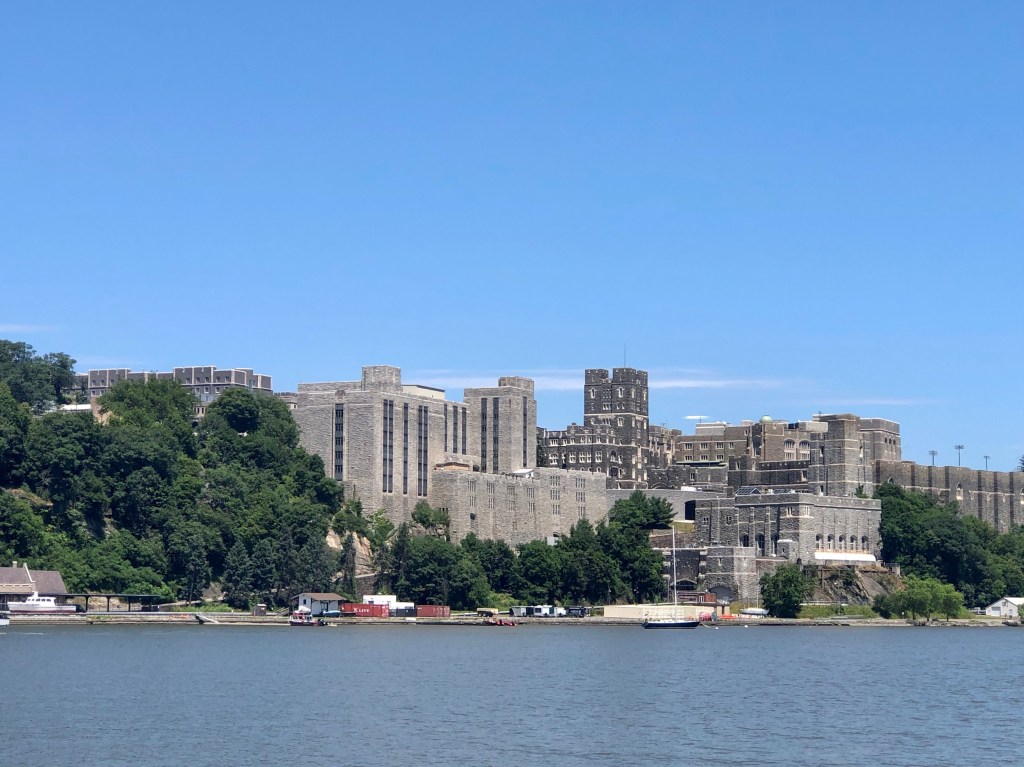
Traveling the Hudson River, we could see the U.S. Military Academy at West Point. Some of the Loopers at the marina opted to take a car there for a tour. Cadets attend the Academy to be trained to be U.S. Army officers. Known as West Point or simply as Army, it was originally established as a fort, strategically overlooking the Hudson River.
It is the oldest of the five American service academies. The academy was founded in 1802, one year after Thomas Jefferson directed that plans be set in motion to establish it. The entire central campus is a national landmark and home to scores of historic sites, buildings and monuments. The majority of the campus’s Norman-style buildings are constructed from gray and black granite. The campus is a popular tourist destination, with a visitor center and the oldest museum in the United States Army.
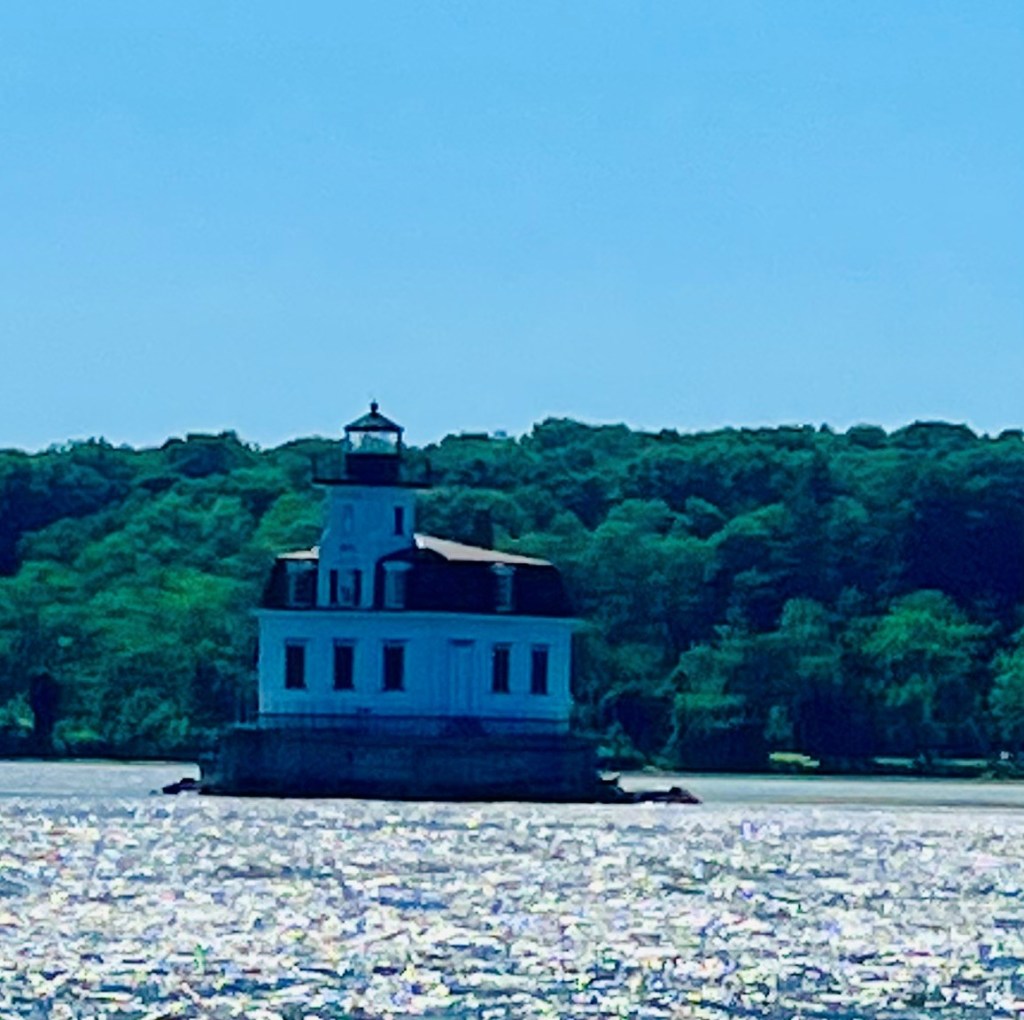
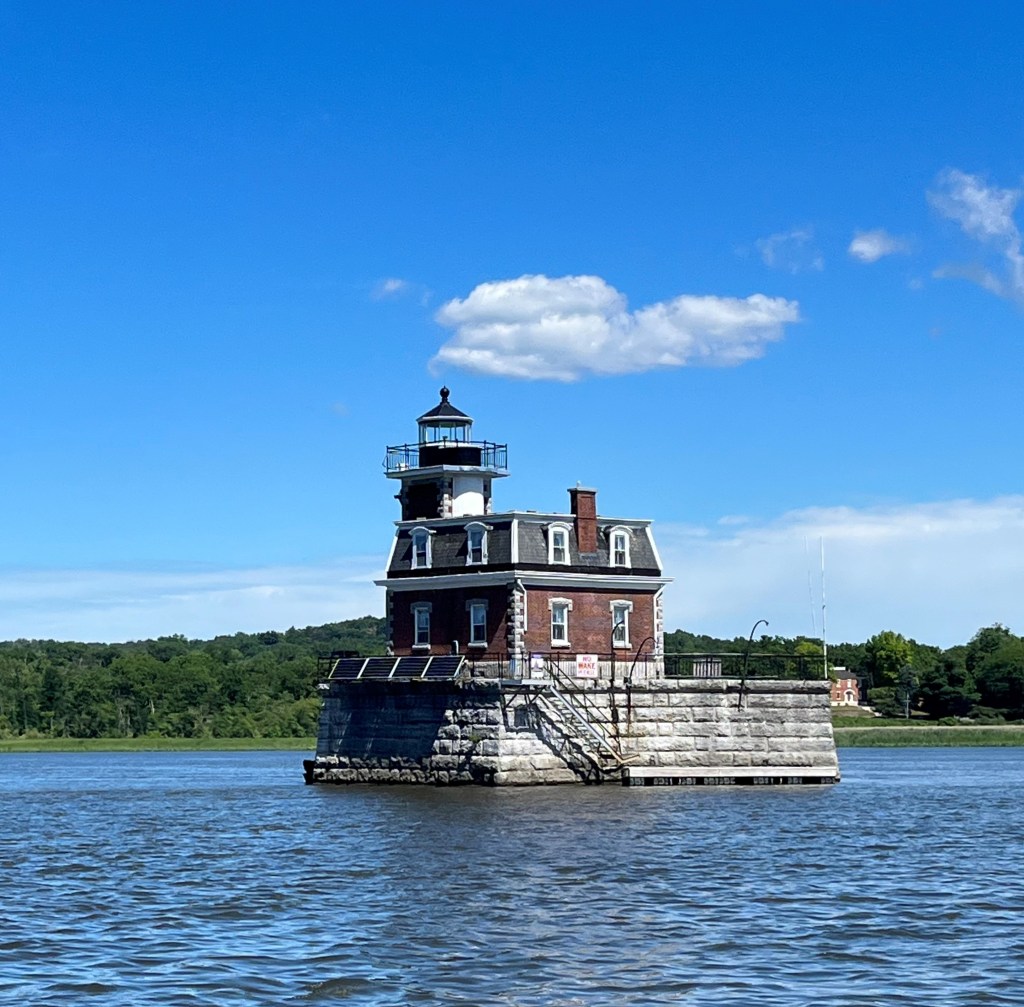
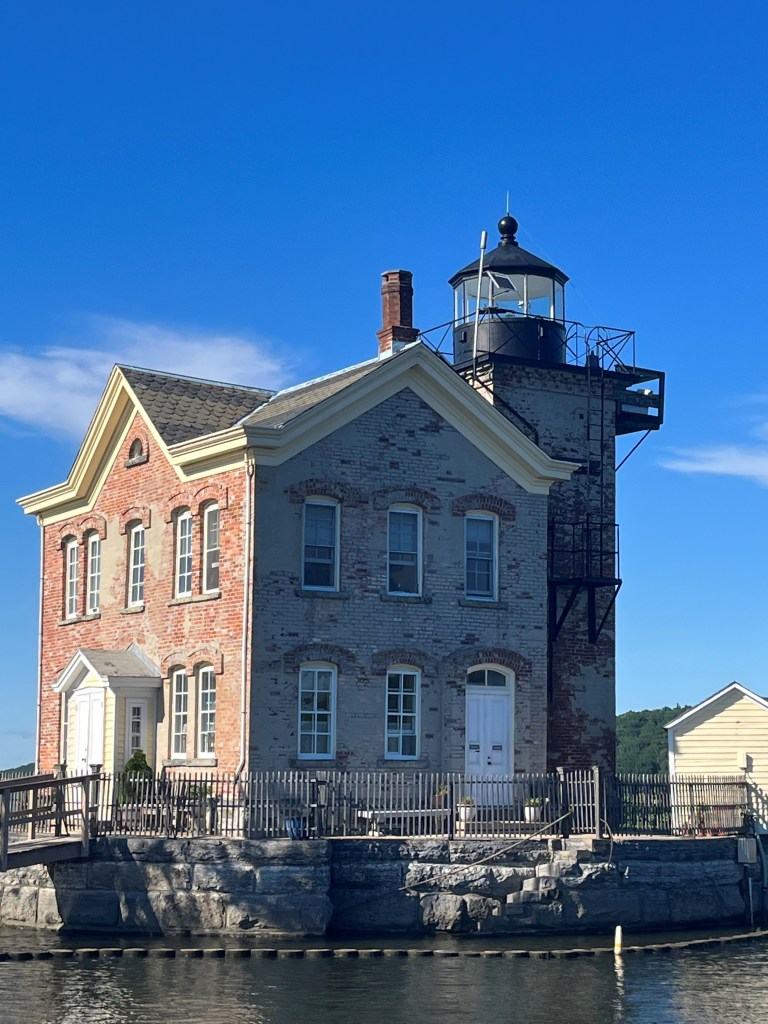
Another interesting point of travelling the Hudson River is that there are many lighthouses – that are really designed as houses. There are seven such Lighthouses that still exist today. They are a tribute to the preservation groups that have dedicated themselves to restoring, preserving and keeping these maritime treasures alive.
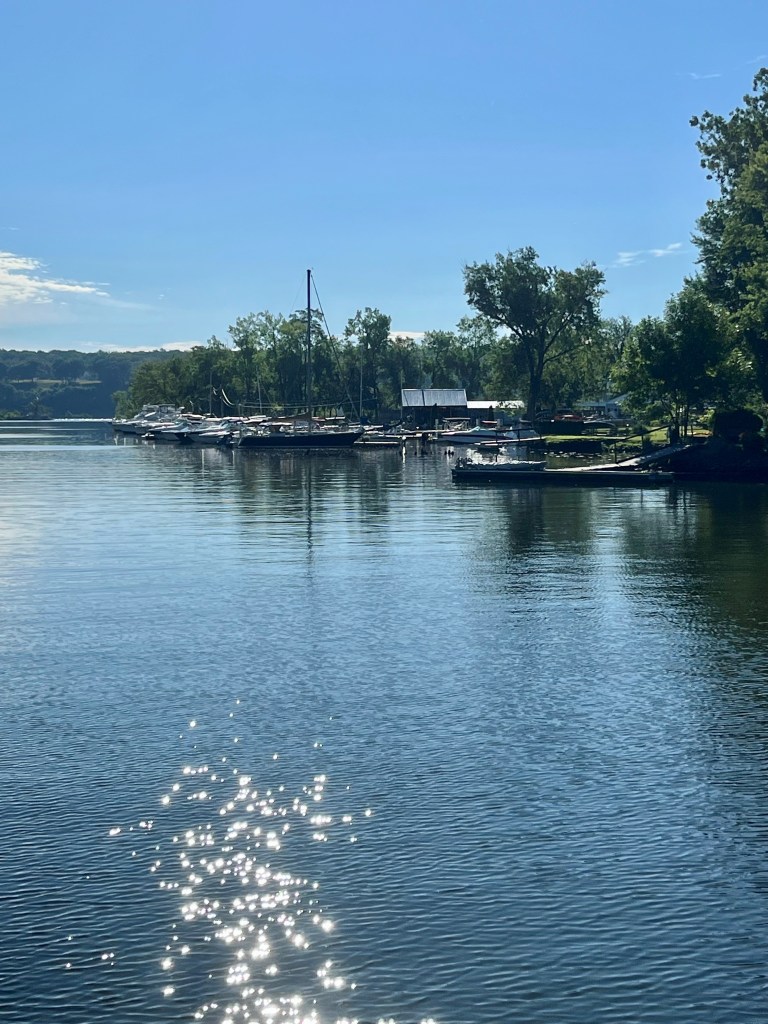
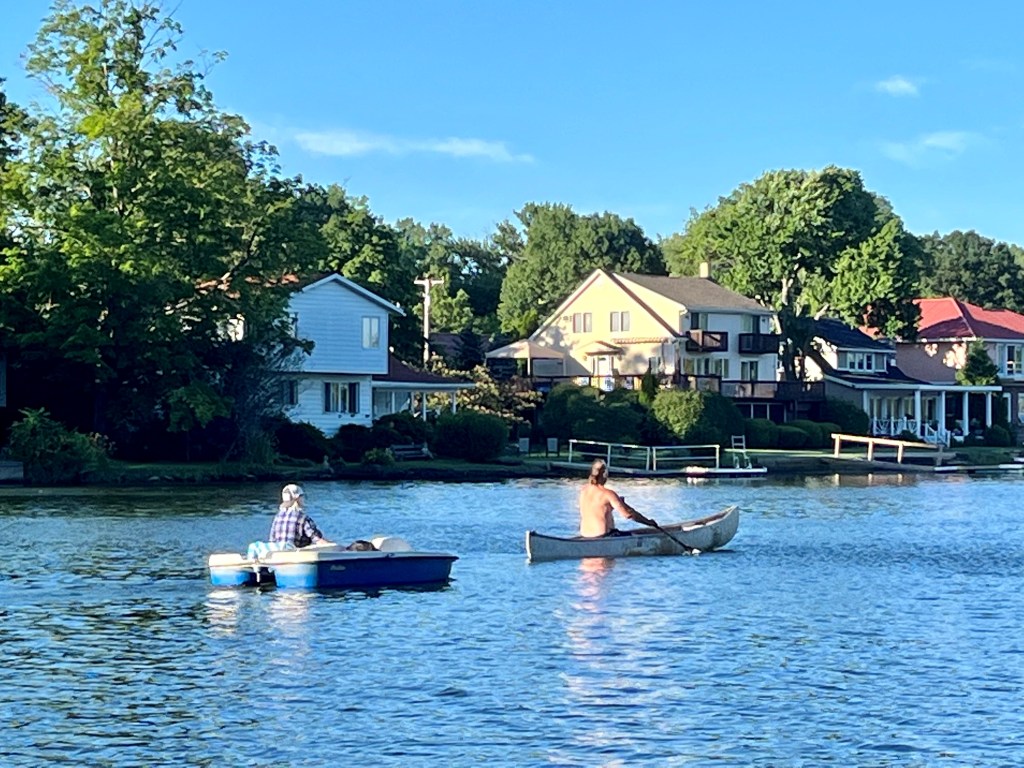
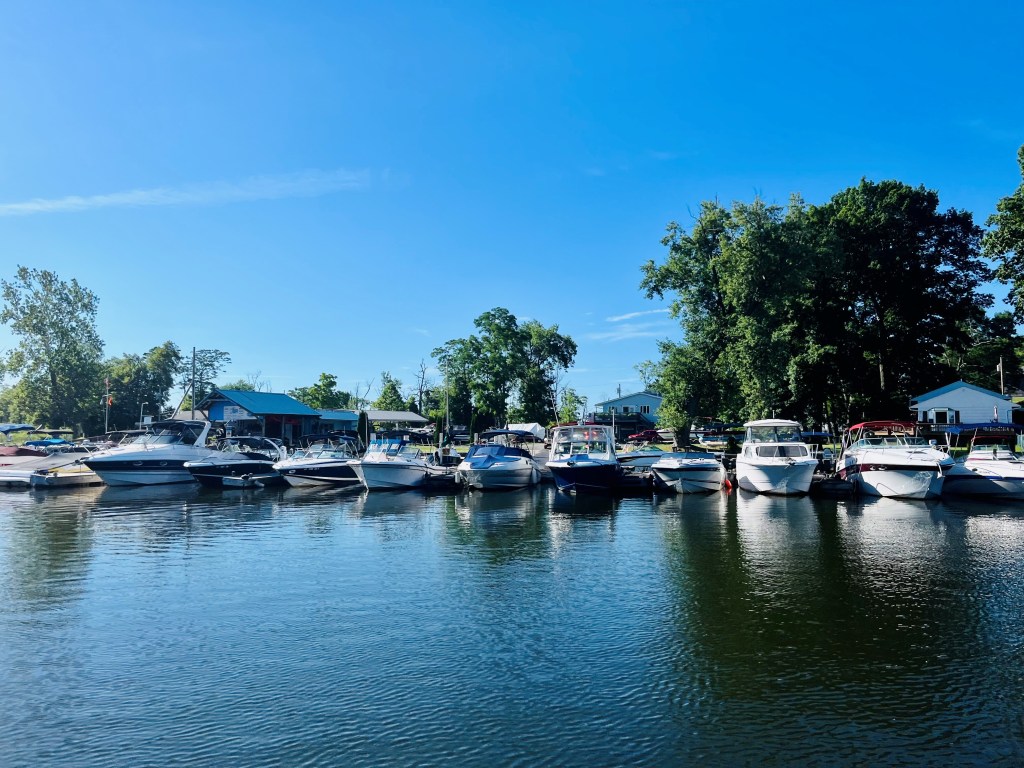
We anchored overnight at a quaint spot called Esopus Creek. It reminded me of Rough River in Kentucky – cottages, boats, fishing, people swimming and having fun. Here are photos from our stay at Esopus Creek.
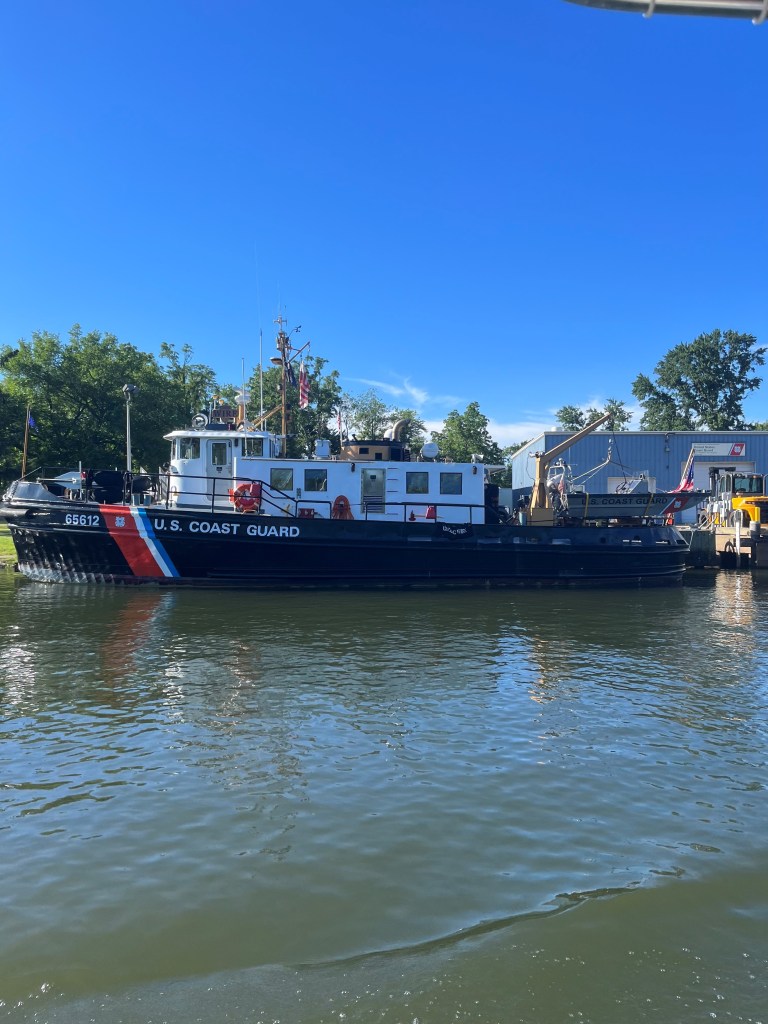
The next morning we made our way to Waterford. This was an important stop, as it is the beginning of the Erie Canal. We had heard from many people that the Erie Canal was one of their best adventures of the Loop.
The Erie Canal is a historic canal in upstate New York that runs east-west between the Hudson River and Lake Erie. Completed in 1825, the canal was the first navigable waterway connecting the Atlantic Ocean to the Great Lakes, reducing the costs of transporting people and goods across the Appalachians. The canal accelerated the settlement of the Great Lakes region, the westward expansion of the United States, and the economic ascendency of New York State. It has been called “The Nation’s First Superhighway.”[2] Today the canal remains open to traffic as part of the New York Canal System.
A canal from the Hudson to the Great Lakes was first proposed in the 1780s, but a formal survey was not conducted until 1808. The New York State Legislature authorized construction in 1817. Political opponents of the canal, and of its lead supporter New York Governor DeWitt Clinton, denigrated the project as “Clinton’s Folly” and “Clinton’s Big Ditch”. Nonetheless, the canal saw quick success upon opening on October 26, 1825, with toll revenue covering the state’s construction debt within the first year of operation. The westward connection gave New York City a strong advantage over all other U.S. ports, and brought major growth to Albany, Utica, Syracuse, Rochester, Buffalo and other connected cities.
The construction of the Erie Canal was a landmark civil engineering achievement in the early history of the United States. When built, the 363-mile (584 km) canal was the second-longest in the world (after the Grand Canal in China.) Initially 40 feet (12 m) wide and 4 feet (1.2 m) deep, the canal was expanded several times, most notably from 1905 to 1918 when the “Barge Canal” was built and over half the original route was abandoned.
It has 34 locks, including the Waterford Flight, the steepest locks in the United States. When leaving the canal, boats must also traverse the Black Rock Lock to reach Lake Erie or the Troy Federal Lock to reach the tidal Hudson. The overall elevation difference is about 565 feet (172 m.)
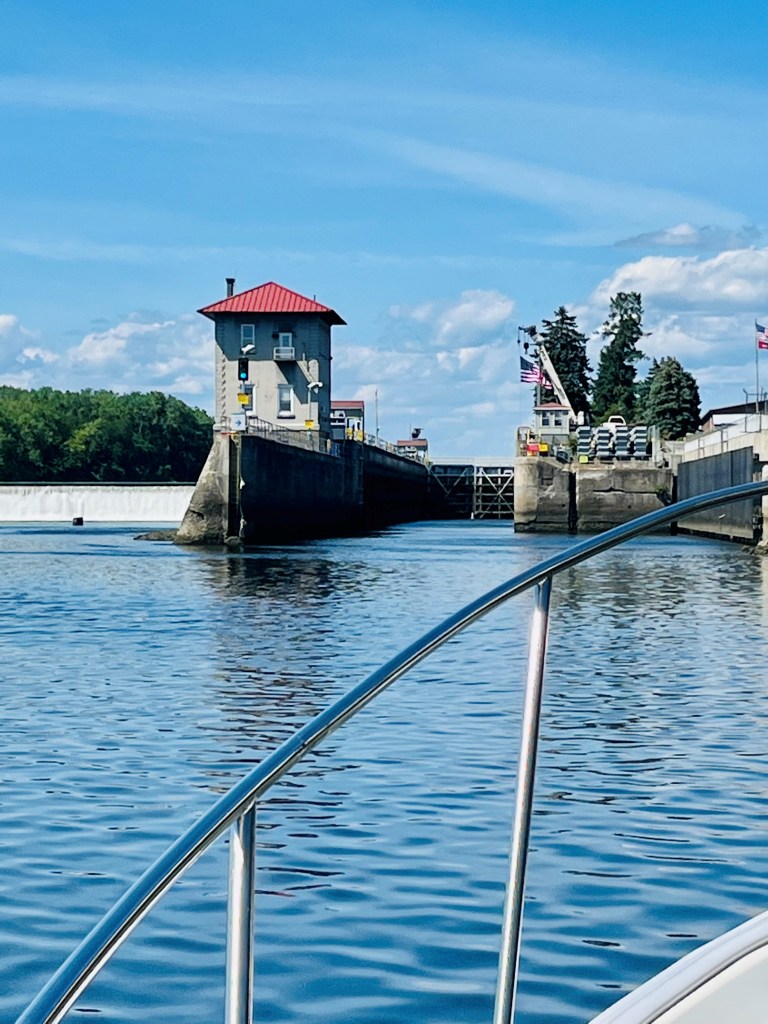
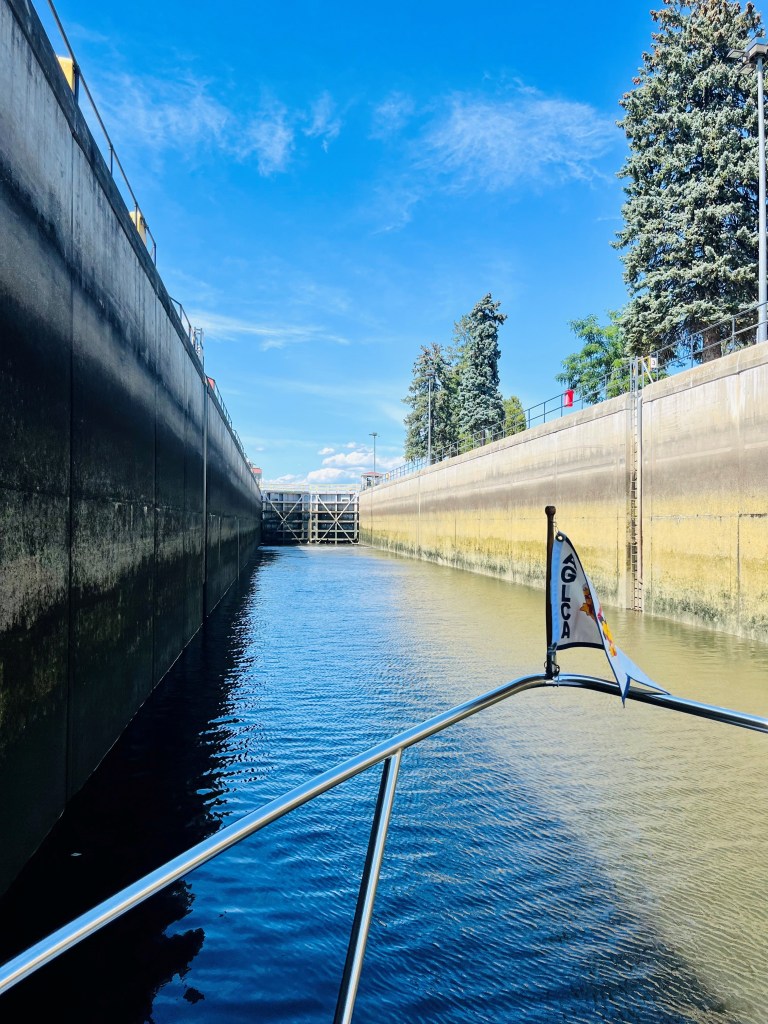
When entering the lock, you will place your boat along the wall – either starboard or port – sometimes the lockmaster will specify one side. You stop the boat and hold onto the lines that drop from the top.
Sometimes you can wrap a line from your boat on the metal rods in the wall.
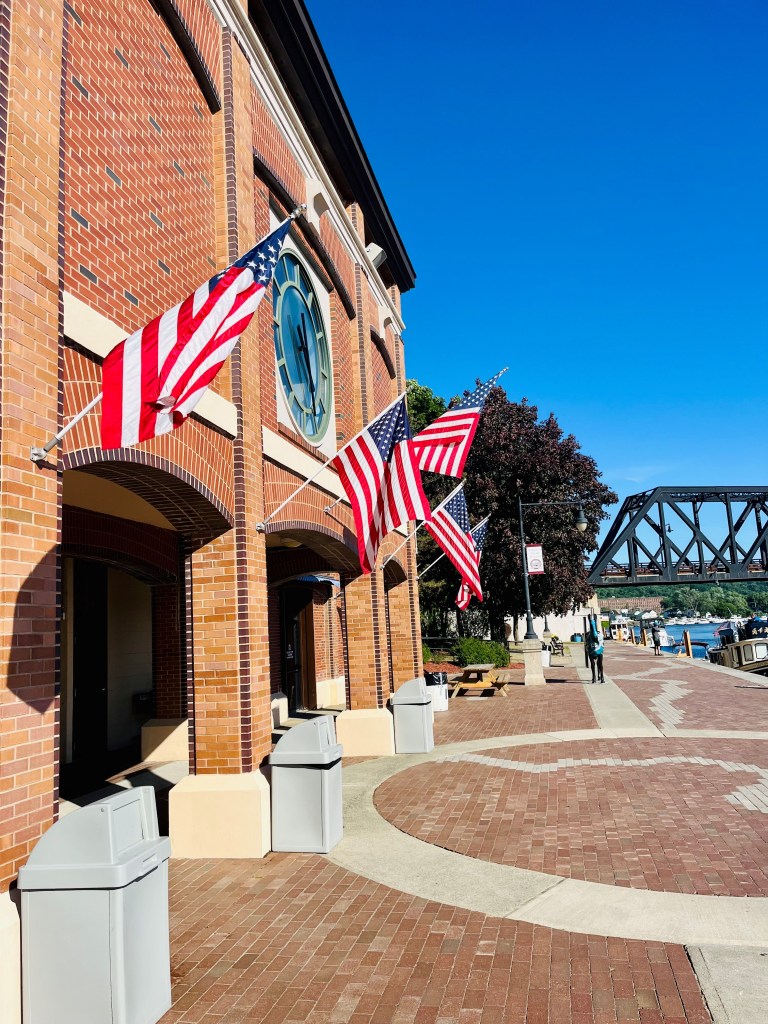
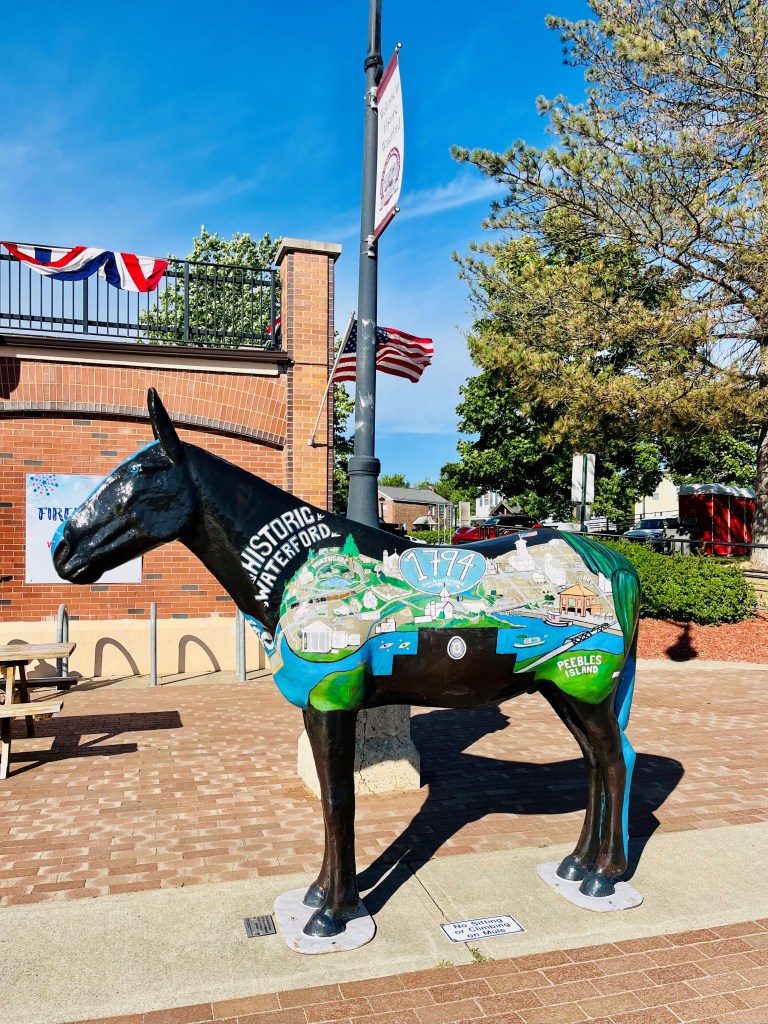
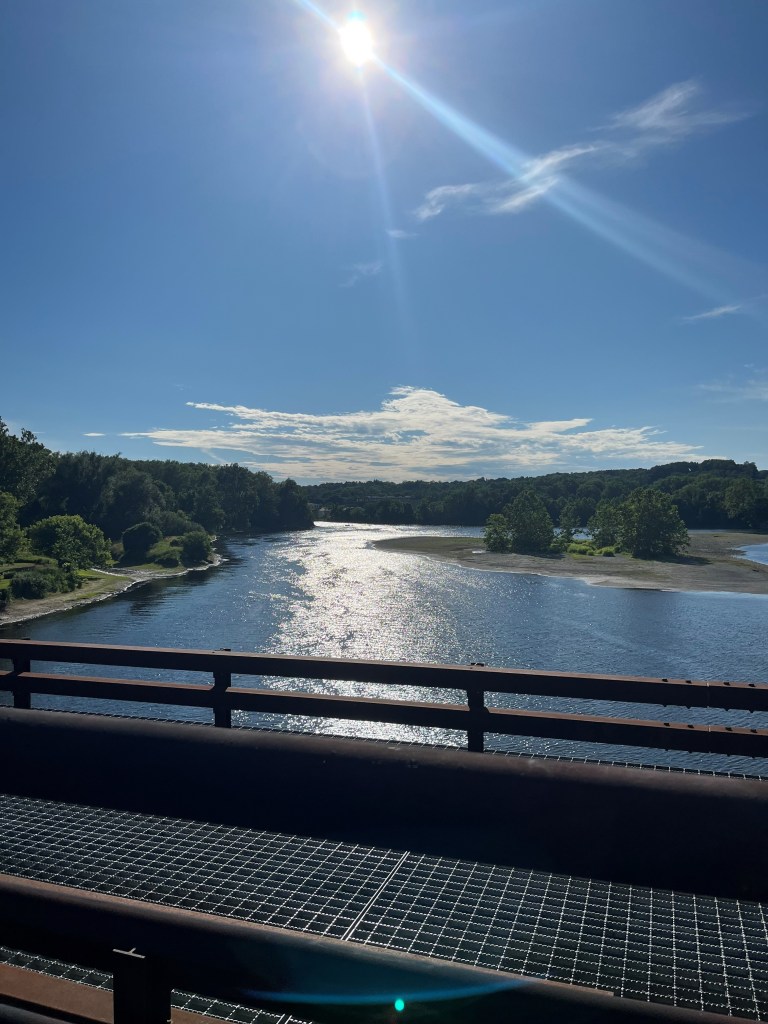
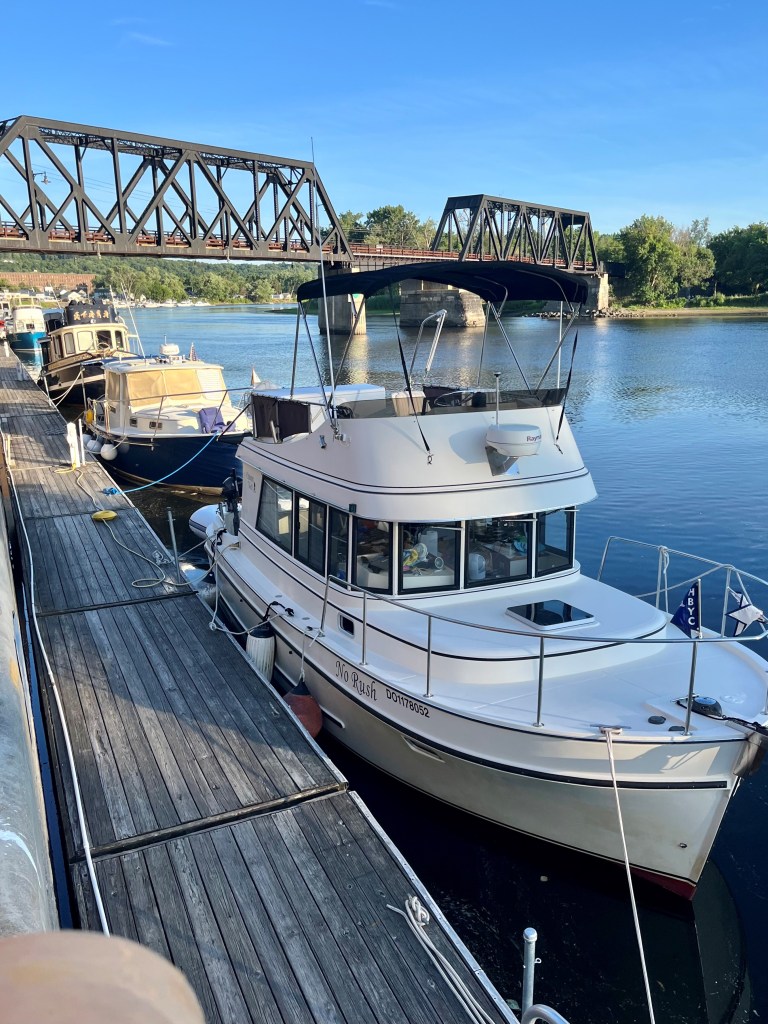
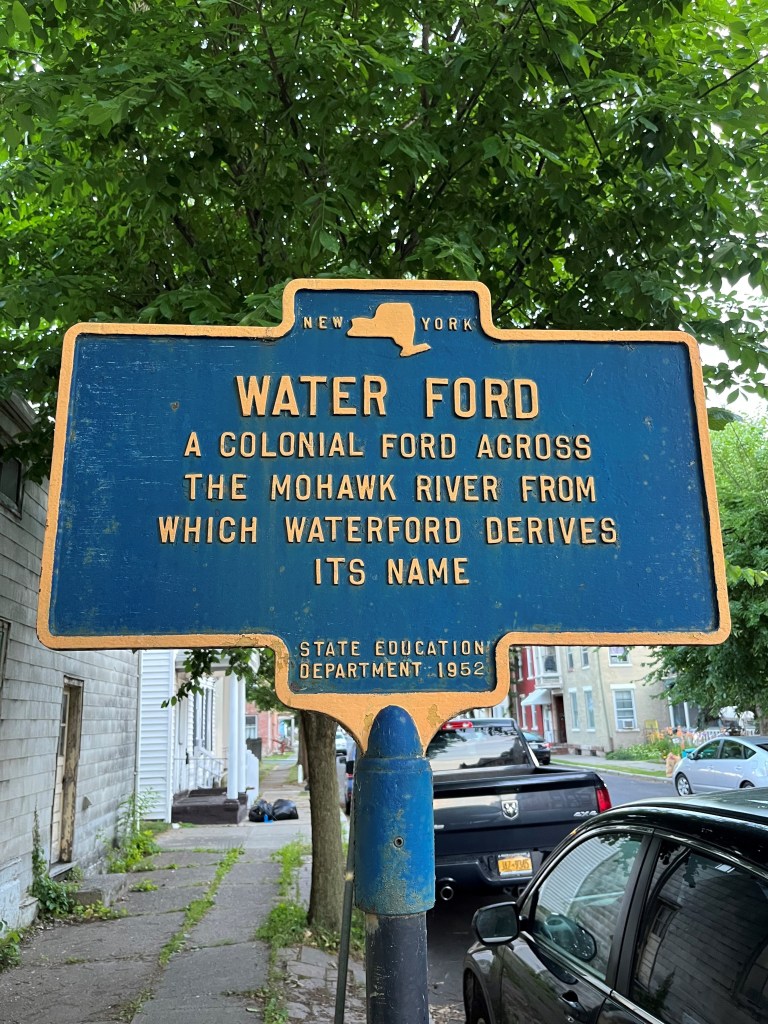
We docked for the night at Waterford by the free city docks. One advantage of doing the Erie Canal is there are many free or very inexpensive places to dock your boat for the night. Many of these spots were once bustling with commerce. Now they welcome boaters (mainly the Great Loopers.) Here are some photos from our one night at Waterford.

 Pat and Cindy's Great Loop Adventure
9 responses to “Esopus Creek to Waterford, NY – and the Erie Canal”
I love reading about your journey!! So exciting! Be safe and enjoy!!! Love you, Tessie
Sent from my iPhone
>
LikeLiked by 1 person
Love you Tessie, and miss you tons.
LikeLike
So beautiful! Loving your pictures and the history you provide from your journey. We are “close,” although on a different type of boat. Decided to take a Viking Cruise through the Great Lakes. Started in Toronto on Lake Ontario, went through the Welland Canal and locks, saw Niagara Falls, travelled Lake Erie and are now in Lake Huron! Off to Mackinac Island tomorrow, then disembark in Milwaukee on Lake Michigan.
LikeLiked by 1 person
Hello Bradley, so good to hear from you. I saw on Facebook you were close. The Viking Cruise sounds fabulous. Enjoy!!
LikeLike
I am going on the next loop 😊
Respectfully,
Tevie
LikeLiked by 1 person
Come meet us!!!
LikeLike
Hello Dear Friends!!!
We hadn’t heard from you in a few days and were ready to call the Coast Guard..
We loved your reminder of West Point. One of the country’s oldest “backbones of Freedom”. I had the privilege of an invite while in the process of leaving the Military’s Green Berets in 1956 at age 21. They were encouraging me to stay and graduate and continue my career. Too homesick and too many bosses in the military. I recall they graduate 1,000 2nd Lieuies a year…….
Those are very unique lighthouses and looking very comfortable. Something new from you daily..
Water Ford/Waterford. Now we know. All very interesting, especially Cindy’s narratives which are excellent!!
Thanks!!
Bill and Margarita
.
LikeLiked by 1 person
Wonderful descriptions of West Point and the beginning of the Eerie Canal! One thing you could add to what we say about my alma mater, USMA, is that it is an institution unhampered by 200+ years of progress.
LikeLiked by 1 person
Alyson, your alma mater. How impressive. Now I remember. And that is a great quote that I will add! very appropriate coming from a Quality guru. thanks for following us. Miss you.
LikeLike