Captain Pat walking the beach adjacent to Leland Marina, by the breakwallCaptain Pat atop the breakwall
We leave Charlevoix early morning, in the rain. Both Captain and Admiral get a little wet as we untie the boat and depart for Leland.
Captain Pat unhooking the dock electricity.We are greeted by seagulls on the break wall as we enter Leland Marina.
Leland is such a surprise. Petoskey and Charlevoix are lovely towns, but Leland is in a league all its own. This charming resort town has two beaches and offers commercial fishing charters, quaint gift shops, local art galleries, and waterfront dining options specializing in the fresh catches of the day. The town reminds us of the fishing villages seen in Camden, Maine or Rockport, Massachusetts.
Historic Fishtown
Historic Fishtown, adjacent to the marina, is a collection of weathered fishing shanties, smokehouses, overhanging docks, fish tugs and charter boats along the Leland River. The heart of a commercial fishing village, Fishtown is where you can still see and feel a connection to the long tradition of Great Lakes maritime culture.
A view from above to FishtownDiners enjoying fresh fish. We recommend the smoked salmon.
Fishtown Fish Tugs
One thing we learned early on was the significance of the Fishtown fish tug. These intriguing boats can be seen in Fishtown, and are also a symbol seen in sidewalks and on houses as a home nameplate.
Fish tug docked in FishtownFish tug symbol in the sidewalkFish tug for purchase in the visitors centerHome nameplate on garage door featuring the fish tug
History of Fishtown Fish Tugs
By the late 1800s Leland was home to a small fleet of fishing vessels. These early fishermen set their nets offshore in open wood mackinaw boats rigged with sails. By 1905 the fishermen began to replace the sails in their mackinaw boats with gas-powered engines. The new engines and the addition of protective cabins enabled the fishermen to fish farther from port, in more inclement weather, and for more of the year.
The ‘Janice Sue’ Fish TugThe ‘Joy’ Fish Tug
Diesel eventually replaced gas and new machinery was added to newly built tugs that made the fishermen increasingly efficient at catching fish, but wood tugs still reigned in Fishtown until the late 1950s. In 1958 the Steffens and Stallman families dedicated two new fish tugs in Leland. With these boats, the Janice Sue and the Mary Ann, commercial fishing in Leland left the world of wood boats and entered the world of steel, with hulls specially designed for the rigors of this part of the Great Lakes. Janice Sue has served in Leland ever since. Trap net fishing began in Leland in 1982, with the launch of the hand-crafted steel tug, the Joy.
A Walk Through Fishtown
Stephanie Starner owns Leelanau Pottery Company of Suttons Bay, Michigan. She also offers pottery classes. Shops can sell their wares at the Art Shanty in Fishtown, where various art classes are held. My pottery purchases – this fish platter and the tumbler below.The Dam Candy Store and Rick’s are two hotspots in Fishtown.Chocolates at the Dam Candy StoreFishermen on dock awaiting fishtown tugboats.Waterfall under Leland Bridge
The town of Leland, just beyond Fishtown, is a fun place to explore, with attractive older homes, businesses, sculpture and art galleries, shops, and restaurants along tree lined streets.
This historic cottonwood tree greets visitors to the downtown of Leland.The Cove Restaurant – a favorite dining spot. I just wanted to get a photo of the Volkswagen.A rare site – Captain Pat browsing at a tourist shop.Ferry tours available to the Manitou IslandsDirector of the Visitors Center wanted his photo taken!
Leland Beaches
There are two beaches, one on each side of the marina. This is the public beach:
I’m surprised at the number of families on the public beach. I heard one little girl tell her mother “Look! I found fossils!”
In Florida you look for seashells. Here you look for fossils – like Petoskey stones.
I return with rocks I find colorful and unique – but not Petoskey per se.
Break Wall Beach
One evening Captain Pat and I stumble upon a path to a beach. We read signs indicating that the first 60 feet of beachfront belong to the beach homes. The beach stretches for over a mile.
Captain Pat walking the beach.Captain Pat on the break wall by the beach.
We discover the beach is adjacent to the break wall separating the marina from the lake.
We Meet Loopers from Kentucky!
Saturday evening we notice a sailboat in the slip we vacated. Because of inclement weather, we extended our stay and had to move our boat to another slip.
We introduce our selves and exchange boat cards. We discover thry live in Louisville, Kentucky! They started the Loop last year, as we did. Their home port for their boat is Holland, Michigan.
Laurie and Graham, from Louisville, Kentucky, departing Leland.
Graham and Laurie explain that Graham summered in Lake Michigan. They now keep their sailboat in Holland, Michigan. The drive from Louisville to Holland is only five hours. They will complete the Loop this week when they return to Holland!
Computer Malfunction
Again, I am grateful for fellow boaters who come to the rescue. My computer crashes – I can’t get it to turn on. It finally does after some maneuvering with the charger cord. It doesn’t last though. After a consulting call with the computer manufacturer, MSI, I decide to order a new charger from Amazon and have it shipped to Leland. It won’t arrive until Friday – so we must stay here longer than planned. This is fine with me! We end up staying five nights in Leland – our longest marina stay to date.
In the meantime, fellow boater Chris volunteers to take a look at my computer and possibly repair the charging cord. He comes aboard and does some diagnostic testing. The computer does charge with his charger. We let the computer charge overnight. Next day it is ready to use. The charging cord arrives Friday, and I am now all set to go. Thank you, Chris!
Grateful for Retirement!
I’m sitting in the lounge at the Leland Marina. This marina, different from others, looks like a well-furnished comfy conference room you’d find in a company office building, complete with couches, chairs, and a table with desk lamps. It’s a comfortable place for computer work. I completed three blog posts here.
There’s a girl sitting across from me at the table. She’s speaking on a web call with huge earphones on. I find this annoying.
She’s not on speaker (thank goodness) so I only hear her side of the conversation, which goes something like this:
“I appreciate your email; I do have some questions about this. I just feel there is a simpler way to do this.”
“I’ll talk to Andrew about this. I’m the internal gatekeeper, he is the external gatekeeper.”
“Ok, can I now go into the topics you listed for our one-on-one?”
One-on-one meetings. Weekly. I remember those.
“I submitted my proposal to IT. I am still waiting for their response. We should be ok unless there are exceptions to their criteria.”
“In an effort of thinking big and doing things right, I realize there’s the fast way to do this and the right way. If we are truly interested in customer satisfaction, we need to pursue all the options.”
“May I share my screen with you? It will make it easier for me to explain.”
“Oh, cool. I love this idea.”
I so remember these types of conversations. It’s amazing. The corporate buzz words and cliched expressions – they never change. Sure brings back memories.
I’m breathing a sigh of relief – and so grateful I am retired.
I later discover her name is Hayley, and I know her mother – Gale! Gale and I met earlier on the docks. Leland is their hometown and they are staying on Gale’s brother’s sailboat. Hayley lives in Brooklyn, New York, is a graduate of Purdue University (Patrick’s alma mater) and works at Amazon.
She says she’s a “long timer” at Amazon. She’s been there almost three years. Apparently, their employee retention rate is quite low. I’m impressed by her confidence and ease with expressing herself. She’s quite articulate. I’m sure she’ll do well at Amazon or wherever her career takes her.
Grateful for the marina lounges thar offer a comfortable place to do computer work.
Here are more photos from our visit to Leland:
‘Bear’ Fish tug by the marinaMet these two cuties in the marina office! Brother golden retrievers, Murphy and Toby.‘Wood Ducks’ in the marina waters. Discovered from a fellow boater an app – Merlin – that will identify bird species from live sound or photo.Patrick loves his toads and frogs. Found these outside an art gallery.Sailboats at the marinaSunrise Sunset Good bye, Leland!
The charming city of Charlevoix is self-proclaimed “The City of Beautiful.” It is reached by taking the channel marked by the Charlevoix South Pier Lighthouse from Lake Michigan into Round Lake.
Charlevoix Lighthouse
The population of 2500 increases substantially in the summer as this is a popular tourist destination and summer resort area. We notice several of the boats in the marina are from Charlevoix and other Upper Peninsula towns we now recognize.
Securing a slip reservation poses a problem. The Captain takes heed to the boating advice of “don’t leave a marina unless you definitely have another marina reserved or a safe anchorage you can tuck into.”
Using the Michigan DNR (Department of Natural Resources) online registration system, the available slips show “restrictions.” I call the marina, and discover those slips are only for boats 39 feet or larger. Sunshine is 34. The marina attendant tells me to just put in that our boat is 39 feet. Of course, we will have to pay for 39 feet – not 34. We are talking about $10 more a night – $2 a foot. This doesn’t sit well with the Captain – “It’s the principle.” Oh, the trials of boating.
By the entrance to the marina facility is a pond dedicated for the ducks. There is a machine here where kids buy fish food to feed the fish.
We end up reserving for three nights. It is worth it. There’s an economical grocery where we stock up on provisions. The Charlevoix City Marina is adjacent to the city park with a modern clubhouse, a play fountain and band shell. The marina lounge and facilities are top-notch, some of the best we’ve seen. And we meet some new looper friends.
In the evening children play in this lighted water fountain, giving their parents a break!
We walk the main street (Bridge Street) where there are sidewalk sales. Merchants are taking advantage of the tourists and the end of the season. The Admiral finds a cute white jacket (it’s getting cooler!) for $20. And she treats herself to a manicure/pedicure – first one since we left Boca.
Nighttime view of the town, from our boat in the marina.
Another highlight is meeting two Looper couples – George and Tracy, and Chris and Sandra. Together we enjoy dinner at Terry’s, the recommended restaurant in town – known for delicious perch, walleye, and whitefish, local fish caught and served fresh daily. After dinner we walk one of the streets that feature older homes and private clubhouses.
Some of the homes we walk past.
I didn’t get a photo of our new friends but here are their boats:
‘Thataway” – Chris and Sandra’s Marina Trader boat. I snapped this early morning as they departed Charlevoix marina. Rainy and cold.‘Done Saving’ – Tracy and George’s Carver boat – photo taken as they depart Charlevoix marina.
Lake Charlevoix is reached by heading east from Charlevoix through the small channel connecting Round Lake to Lake Charlevoix. As you enter the lake, you find a wide-open vista and a cruising ground somewhat more protected than Lake Michigan. Lake Charlevoix is 13 miles long with 56 miles of shoreline and is the third largest in Michigan.
Looking out as we stand on the downtown bridge. The bridge opens every half hour, causing havoc with the car traffic.
Patrick and I enjoy our walks around the town and to the Charlevoix lighthouse.
Sign under the bridge – “Charlevoix the Beautiful”Another view from the bridge. The marina is behind the cruise ship.Tour boat ‘Emerald Isle’ approaching the bridge.
We were told by several people not to miss Charlevoix. We are glad we took their advice. Here are more photos from our visit.
Captain Pat walking on pier for lighthouse view.View of Charlevoix Lighthouse from the pier.Never tire of the seagulls. There are usually two hanging out together – a white one and a speckled one.Captain Pat meets a buddy! He calls to her and she jumps right up on the wall to him.We walk to Mass Sunday – St. Mary’s Catholic Church.Hydrangeas greet us at the church entrance.Me in front of this humbling St. Mary statue.Ha! In the grocery store we find Gorton’s Fish Sticks. Our friend Cam wrote that Captain Pat’s new seafaring look reminds him of this. Do you see a resemblance?Good by to Charlevoix for now! On to Leland, Michigan.
We departed Hessel, enroute to Petoskey, Michigan. As Hessel is north of Mackinac Island and we are headed south, we pass through the Straits of Mackinac and under the Mackinac Bridge.
The bridge opened in 1957, replacing a series of ferries which had been operating since 1923. The 26,372-foot suspension bridge connects (Interstate I-75) the Lower Peninsula with the Upper Peninsula of Michigan. It is the longest suspension bridge between anchorages in the western hemisphere (24th longest main span in the world.)
The Upper Peninsula is also referred to as just ‘the UP’ where the residents are affectionately known as “Yoopers” and longtime residents have a speech pattern that has been referred to as ‘Yooper English.’ The Mackinac Bridge, also referred to as the ‘Big Mac’ and ‘Mighty Mac,’ marks the boundary between Lake Huron and Lake Michigan.
Petoskey, Michigan– August 15 – 19
At the Petoskey Lighthouse, on the break-wall.
Petoskey, ranked one of America’s Best Small Towns by Smithsonian.com, is a must-see for Loopers, along with Charlevoix and Leland, our next two stops. The Petoskey Municipal Marina is located behind a substantial break-wall adjacent to Bayfront Park. Both are popular sites for visitors and locals. We see lots of couples with strollers, children, and dogs.
The downtown of Petoskey is steps from the marina and well-marked. You walk through a tunnel which goes under the highway, climb the stairs, and you are greeted by a vibrant village of more than 60 stores, coffee shops, and restaurants.
Captain Pat walking to the downtown – to buy a soft pretzel at Petoskey’s Pretzel for the Admiral!Vibrant flowers on the way to downtown.This clocktower chimed the time on the hour and half hour. Reminded Captain Pat of a grandfather clock. You can see the lighthouse on the break-wall through the center of the tower. Sunshine was docked just down from this tower.
Petoskey Break-Wall
Captain Pat walking to the Lighthouse on the Petoskey Break-Wall.
I was surprised to see kids (and adults!) jumping off the break-wall into the water! There are ladders to climb up. Here’s an excerpt from ‘Michigan Lighthouse Series’ describing the jump:
“Many consider jumping off the break-wall on hot summer days to cool off. It seems to be a rite of passage or a dare that many experience. Not for me! I’m a chicken. Perhaps back-in-the-day it might have sounded like something exciting to do. Now, though, I am much older and wiser. I have heard that it is not illegal to jump. I have also heard that it is not advisable. There are unpredictable currents, many fishing boats, and crisscrossing wave actions that can make this exciting idea perilous!
Proceed with caution! Sometimes what sounds like a great idea is anything but a good idea. Use wisdom in all decisions.”
History of Petoskey Break-Wall
The first break-wall in Petoskey was built in 1899. This barrier helped buffer against wave action near this shoreline. It also served to protect the landing pier and off-loading visitors debarking ships from the massive strong westerly winds of Lake Michigan in this unique location.
Initially, the break-wall was composed of mere metal posts with a lamp placed approximately fourteen feet from the outer end of the break-wall.
In 1903, an improvement was added. It was enclosed by steel. Another improvement happened in 1912 – a thirty-four-foot lighthouse was constructed. The strength of Northern Lake Michigan wave action soon showed itself causing the demise of this structure. This initial lighthouse was destroyed during a storm in 1924.
Photo taken Thursday, August 17, 2023. We witnessed a storm at Petoskey and had to extend our stay. Entry to the Break-Wall was prohibited due to the waves crashing the break-wall.
In 1930, a red steel structure was constructed with a temporary light placed at the top. This lasted until November 2005 when a section of the structure was again swept away by a storm.
The remainder of the structure was lost the following year due to another severe storm that further created a breach in the break-wall. This strong reminder of the perils of Lake Michigan storms resurfaces annually in the tremendous wave action that beats away at all in its path.
We witnessed it as well!
Waves pummel the break-wall and lighthouse.
In 2009, Petoskey’s break-wall was permanently re-constructed to what we enjoy today! It’s construction has been shored up through strong engineering to withstand the severe beating it routinely takes while protecting the safe harbor of Petoskey.
Stormy Night
As mentioned above, we had to extend our stay in Petoskey due to the weather. When we initially requested two extra nights, the harbor master told us we would have to move to another slip. But when inclement weather hits, all boats usually stay put as no one is entering the marina in such bad weather. That is what happened to us. We didn’t have to move after all.
The Captain strategically tied up the boat with seven lines to withstand the impeding storm. This line really took a beating.
That night the boat was rocking and rolling, even secured in the marina. Captain Pat had seven lines on the boat. There was lots of rain and a north wind with 35 – 40 mph gusts.
Saturday we notice some of the clothes in the locker closet were damp. The rain had somehow seeped in. Off to the laundry I go to get it all back in order.
Petoskey Stone
The Petoskey stone, now the Michigan State stone, is a unique coral which grew locally millions of years ago. The stone has a polished look, gray and brown tones with striations.
Examples of Petoskey stonesSome are on Etsy for $240!
We meet Loopers who are off to the beach by the breakwater to look for these stones.
Rocky entrance to the beach – on an overcast afternoon.
It’s a rocky walk to the beach. The Petoskey stones are found close to shore, almost in the water. Flip-flops required. In Florida everyone searches for shells. In Michigan, you search for stones.
Or — you can purchase Petoskey stones in one of the many tourist shops. That is what the Admiral did!
Captain Pat’s Treasures
Most marina laundry rooms offer a free library of used books, and a box of ‘flea market’ items boaters donate from their boat, free for the taking. In Petoskey, Captain Pat found two treasures – a nautical brass barometer and matching brass clock. They needed some polish and batteries. What a welcome addition to Sunshine’s décor!
The land where the mission now stands was sold by Amawee, an Odawa, to Jean Baptiste Trotochaud and his Ojibwa wife, Sophia Anaquet. Later, they donated nearly an acre of land to the Catholic Church. Jean, under the guidance of Father Sifferath, built this Mission in 1859.
In 1860, Bishop Frederic Baraga blessed and dedicated it for use by Natives and settlers. Mass was offered at least four times a year. The mission was restored in 1884, after the arrival of Father Pius Neumann, as Assistant Priest with the Franciscan Fathers.
It was abandoned by 1896 and restored again in 1931, 1959, and from 2005 to 2008. The church and burial grounds are listed in the National Register of Historic Places.
St. Francis Xavier Church
Sunday, we attended Mass at St. Francis Xavier Church. This reminded us of Father Xavier, from our home parish in Boca Raton – St. Joan of Arc.
St. Francis Xavier ChurchWe were blown away by the interior decor of the church.Captain Pat paying tribute to Father Xavier back at St. Joan’s
Little Traverse Historical Society History Museum
Who knew Ernest Hemingway had ties to Petoskey, Michigan, as well as to Key West? The Little Traverse Historical Society History Museum (steps from the marina) houses Ernest Hemingway memorabilia from his days spending summer vacations in Petoskey.
The museum has an entire section dedicated to Hemingway. I should have gotten a picture of Captain Pat next to Ernest, as they resemble each other. -:)
There were also tributes to female writers and the founding members of Petoskey.
Ignatius Petoskey, son of a French fur trader and Odawa woman, for whom the City of Petoskey is named.Authentic Odawa clothingCarriage from 18th centuryTribute to nurses and the Red Cross
Here are more photos from our visit to Petoskey.
Saw my first black squirrel in the States! Saw many in Canada.Rocks and water at the Break-wallCanoe in Bayfront ParkLittle duck would greet me each morning on my way to marina lounge.Waterfalls we pass as we walk to the Break-wall.Captain Pat at the LighthouseMarina as we walk to the Break-wallView of marina and town from the Lighthouse on the Break-wall. Do you see Sunshine?Sunshine docked at PetoskeyRocks on marina shoreWalking by marina on way back from Break-wallCrazy truck parked a beach – “Eat My Rust” on the back bumper.Nice passenger.Good night, Petoskey! Sure was a fun visit.
We are experiencing a Michigan we never knew existed. After Mackinac Island, we head over to the small town of Hessel, located at the end of Hessel Bay and the west entrance to Les Cheneaux Islands on northern Lake Huron. (Hessel is not on the map below. It is just north of Mackinac Island.)
Map of Lake Michigan from our Great Loop guidebook
Captain Patrick charted our stops for our journey along the west coast of Lake Michigan (the east coast of the state of Michigan.) This will take us into Chicago.
As previously mentioned, the Chicago locks will not open until the end of September. We plan to be in Chicago by mid-September. We have some time to enjoy these beautiful coastal towns along Lake Michigan.
Following the map is a legend for the numbered stops on the Navionics chart below:
Mackinac Island
Hessel
Petoskey
Charlevoix
Northport
Leland
Frankfort
Sturgeon Bay – from Frankfort we travel across Lake Michigan to Wisconsin
Kewaynee
Manitowoc
Ludington – from Manitowoc we travel across Lake Michigan to Michigan
Grand Haven
Saugatuck
Benton Harbor/St. Joseph
That’s our plan. There are always deviations due to weather, marina accommodations, etc.
Hessel, Michigan
August 10 – 14, 2023
Our visit to Hessel is magical and memorable. We dock Sunshine in the marina slip David and Charlotte Gray graciously donated to us for the weekend. We met them in Sault Ste. Marie. The focal point of the marina is the Mertaugh Boat Works facility. Mertaugh had the first Chris-Craft franchise in the United States and continues to thrive.
This place is always bustling, especially the day of the Antique Boat Show.
What fascinates me about the Mertaugh facility is the coffee shop inside their building, open 8 to 8 daily! They serve the best Liberty Bay “breakfast” cookies, fudge, cafe miel (a latte with cinnamon and honey) and ice cream! Each morning we see the young workers boat up to the docks on their jet skis and smaller Boston Whalers ready to report to their summer job.
Highlights of the weekend include the Les Cheneaux Culinary School; the antique boat show; anchoring out in Liberty Bay; and Sunday Mass at Our Lady of the Snows.
History of Hessel
Statue of sailor and boy at Hessel Marina
Hessel was founded by two Swedes, John and Carl Hessel, and a Norwegian, John A. Johnson. A post office was built in 1888, creating the center of town.
In the 1880s Hessel grew from a loose settlement of Indian fishermen into a lumber port where logs were brought to be loaded onto boats in the spring. Today the busiest place is the Hessel Marina and docks.
We see families fishing on the pier across from our boat.
A neighbor of Cedarville and the Les Cheneaux Islands, Hessel is known for its great fishing – whether it’s from a dock, boat or through the ice – perch, walleye and pike are among the most sought-after fish.
As of the 2020 census, the population was 1,917.
Les Cheneaux Culinary School
In the fall of 2011, driven by needs for their community, a small group of both summer and year-round residents develop a unique concept in culinary education for the Les Cheneaux Islands area and the Eastern Upper Peninsula of Michigan. David Gray and his wife, Charlotte, are founding members of this benevolent institution.
LCCS has made a notable difference in not only the lives of 50-some students, but in bringing attention to the Les Cheneaux area and the farmers of Eastern Upper Peninsula. The school’s restaurant is making a mark in the growing popularity of farm-to-table in the culinary world.
In tribute of the donors of the Les Cheneaux Culinary School
We can attest to the culinary expertise of these budding chefs at the school. David and Charlotte treated us to a delectable dinner at the school’s restaurant on Thursday evening. The menu features creative dishes using local foods from the area.
Diners at the Les Cheneaux Culinary School
Annual Antique Wooden Boat Show
Every year a poster print commemorating the Boat Show is available for purchase. Captain Pat is showing a framed one here.
The Les Cheneaux Islands Antique Wooden Boat Show is held annually in Hessel. The first one was in 1978. Some of the country’s finest boats call the rustic Les Cheneaux Islands home. Most of these boats are used daily during the summer months as a primary mode of transportation to and from the cottages dotting the area’s 36 sheltered islands.
The 2023 Antique Boat Show
Les Cheneaux has a rich heritage in boat building and repair. Their craftsmen continue to offer some of the finest restoration and repair services available.
The boat show attracts about 150 antique and classic boats and has more than 300 volunteers. This is the annual fundraiser for the community.
Wooden canoes at the 2023 Boat Show
Entries in the boat show arrive each August from as far as California and Florida and include dinghies, rowboats, canoes, launches, sailboats, utilities, runabouts, large cruisers, racers, and classic non-wood. Awards are given in all the above categories.
This is the best boat at the Show! Do you know why?It’s a Thompson boat!
A Festival of Arts is also held, with over 65 of the Midwest’s finest artists participating in this juried show. Artists display and sell a variety of artwork, including photographs, paintings, pottery, stained glass, textiles and jewelry.
Our new Great Lakes dishes for the boatYou-know-who loves his popcorn!
We came home with a set of Great Lakes dishes for our boat. And two huge bags of kettle corn! We waited in line for 25 minutes for the corn – that’s how good it is!
We luck out with the weather. The previous day is a rainy one. The day of the show is cold and windy, but the rain held off until later in the afternoon.
Here are some of the boats viewed at the show.
Captain Pat at a 1955 Chris Craft
1931 Chris Craft1906 Hankscraft1918 Fay & Bowan1918 Fay & Bowan – “My Way”Captain Pat checking out the Fay & Bowan engine“Grandma Betty” Chris-Craft !A “mustang” boatThis should be Captain Pat’s boat – it is named “Boss”!I was so happy to see this wooden sailboat – the Huron Jewel. We saw it sail at its home port – Drummond Island.This photo was taken at Drummond Island. That is the Huron Jewel.“Yankee Girl”So appropriate – “Tomorrow”Sleek canoesJust arrived the boat show from the ferry – it was windy and cold!Captain Pat so happy, looking at all those boats!Talented band playing tunes
Anchoring Out in Liberty Bay
All boats are to be out of the marina by 5 p.m. Friday night to make way for the boats to arrive for the Saturday show. We take Sunshine from her slip and anchor out in Liberty Bay, not far from the marina.
We take the dinghy to a nature preserve with a hiking trail. It’s a fun trail with lots of foliage and interesting plants. All is well until the mosquitos launch an attack on Captain Pat. The Admiral is unscathed. Guess they know who is in charge. -:) Of course we have bottles of mosquito repellant – back on the boat.
I bring home some wildflowers for an arrangement. It’s nice to have flowers on the boat.
The winds kick up as we prepare for bedtime. The waves are rocking and rolling. We are in a safe harbor but Captain Pat, for added measure, puts out a second anchor.
We wake up and Sunshine has held her anchor. Later that day we see a boat who wasn’t that lucky. His boat lost its anchor and almost hit a sailboat.
We bundle up for the show – it’s chilly but at least not raining. There’s no way to take the dinghy to the marina. We are lucky there is a ferry service that picks us up and brings us back.
Later that night, after the show ends, we take Sunshine back to her slip at the marina. We underestimate the winds. Thank goodness two men on the dock see our plight and come to help us secure her. That was a harrowing experience!
Our Lady of the Snows
Sunday we walk to the Our Lady of the Snows church, that overlooks the water. What a view.
I’ve never seen architecture like this. It’s northern and wintery. I can just imagine it covered in snow.
Statue of Our Lady of the SnowsTree with vibrant red berries – the water view in the background.Captain Pat enjoying the view.Interior of the Church
The Mass service was inspirational. A young priest gave the Mass solo. His sermon centered on the gospel reading of Peter and the apostles and their fear on the boat pummeled by rough seas.
As long as they kept their eyes on Jesus they would be all right. When they didn’t they would falter. The priest made the analogy that any time you try something new that you are unfamiliar with, you become fearful. Stop, focus, and have faith.
That was an appropriate message for Captain Pat and me!
Here are more photos from our visit to Hessel.
The Islander is a local hotspot for food and drink.This little guy was always on our dock.Anyone who knows the Captain knows he has an affinity for toads. He befriended Teddy the Toad one summer at the lake. We saw several toads at this marina.Good night for now, Hessel Marina and Les Cheneaux Islands.
Horses are king on Mackinac Island. There’s even a stable where you can ride a horse on a guided tour.Captain Pat walking from the Fort toward the waterfront.
Our friend, Tracy, tells me there are two distinct smells on Mackinac Island – homemade fudge, and horse manure. She is right!
View of Mackinac Island Marina, walking down from the Fort.
August 8 we travel from Drummond Island to Mackinac (pronounced “ma-kuh-naa”) Island. Marina slips at Mackinac are hard to come by, so we feel fortunate to have secured one for one night. The marina tells us we can probably extend our stay for one more night but may have to move to a different slip. We are to check in with the dock master at 9 a.m.
The good news is we do secure a reservation for one more night. The bad news is we must move to a new slip. Captain Pat is not happy at all. This requires undoing the lines (tightly secured because of the wind and waves), unhooking the water and electricity, and moving the boat – for just one night. We do manage with the transition, and the new slip is in a better location.
Sunshine docked in her new spot, right up front by the main street.
It is disappointing, though, that later we realize no one came into our original slip. In fact, there are many vacant slips; yet boaters complain it is difficult to secure a reservation here. That is because boaters make reservations way in advance, and then cancel at the last minute. If you cancel within 24 hours you receive your money back; you only lose the $10 registration fee.
We are surprised at the low cost of the slip at Mackinac. It was only $54 a night ($1.90/foot), plus a $10 registration fee. A few years ago, Michigan implemented an online registration process for all the campgrounds and marinas in its state parks. This allows for standardized pricing among all state marinas. The price per foot is reasonable – usually around $2 a foot.
Early morning it is so pleasant to hear the clip-clop, clip-clop of the horse hooves on the pavement. It is quickly interrupted with the “BANG!” of cannons being fired from the fort. It is loud! That is followed by the loveliest of sounds – the military bugler’s call of taps. This is heard throughout the day.
Horse-drawn carriages lined up on the street just in front of our marina slip. That is Fort Mackinac in the background.
Horses are king here, as no cars are allowed on the island. Transportation to the island is by ferry or boat. Transportation on the island is by foot, horse, or bicycle. Electric bikes are only allowed for those who are immobile.
Horse drawn carriage from the Grand Hotel.
From a horse-drawn taxi to a lively carriage ride to trail riding on horseback, horses are a way of life here. More than 600 horses (400 for the Grand Hotel) call Mackinac Island home for the summer.
In the 1890s, tourists attempted to bring the new horseless carriage to Mackinac Island, immediately alienating the residents with their noise, spooking the horses, and disrupting the island’s quiet environment. It rapidly became a safety issue as well as a lifestyle one. The year-round residents wanted nothing to do with them, so in 1898, the town banned cars and motorized vehicles.
Horse riders from Cindy’s Riding Stable getting ready to depart on their tour.
There are several ways horsepower is used on the island: carriage tours, horseback riding, equestrian center tours, horse-drawn taxis, “drive your own” carriage, private livery carriage tours, and dray service – moving food, freight, lumber, furniture, etc. No UPS drivers here! We saw a lot of Amazon packages on horse-driven flatbed wagons.
All horses have the right-of-way over pedestrians and bicycles!
We take a horse-drawn carriage tour of the island. Our driver is Natalia, from Romania. We appreciate her knowledge of the island and her humor. It makes for an enjoyable experience.
Natalia, our tour guide
Natalia made a point of telling us what special care the horses receive. “There is one medical care facility in town; but there are four veterinary offices!” The horses only work four to six hours a day. Each morning and evening the carriage tour driver brushes and cleans their horses, creating a special bond with horse and driver.
Horse stable where horses stay when not working.This is Noble, one of the horses used by the Grand Hotel.Horses are measured by “hands.” Here you can see Noble is 15 1/2 – fourth from the bottom on this chart – one of the smaller horses. The “hand” measurement is now standardized at 4 inches (10.16 cm) and used today for measuring the height of horses from the ground to the withers (top of the shoulders.) The unit was originally defined as the breadth of the palm including the thumb.
The Grand Hotel
The Grand Hotel has been hosting Kings, Queens, Presidents and celebrities since 1887. It has 388 guest rooms of which no two are alike. Per our Looper guide “this is the place for an afternoon beverage in the Parlor, a coat and tie for dinner, nightly dancing to the sounds of the Grand Hotel Orchestra and sitting in a rocking chair on the world’s longest porch with views of the Straits of Mackinac.”
We did none of those things – but you could!
The Grand Hotel, as seen from our horse-drawn carriage.
The book also states “yes, the Grand Hotel is expensive, rooms range from $1,000 to $3000 a night. If there is one place on this planet where you might splurge for a night – this should be it!”
We won’t be doing that either. -😊
FYI – if you are interested – there are “late season” special packages that run for half price. The Grand Hotel normally closes by November 1.
The Grand Hotel – photo taken from our carriage tour ride.
America’s Fudge Capital
Mackinac Island doesn’t claim to have invented or created fudge. It does claim to sell more of it than anyone else in the world. I can see why! You walk the streets and that sweet smell is everywhere.
Thank goodness I did the fudge shopping. Captain Patrick with his analytical mind would have never been able to select just one store to buy from. There are 13 fudge shops! The island imports ten tons of sugar per week. I choose to buy from Murdick’s. I love their backstory.
My purchase of Murdick’s Fudge. There are three “slabs” of fudge in the box – Chocolate Walnut, Turtle and Maple Walnut. Hey, they offer a special – buy two, get one free!
In 1887, father-and-son sail makers Henry and Jerome “Rome” Murdick, were commissioned to create canvas awnings for the new Grand Hotel. With the Murdicks’ arrival came Mrs. Henry Murdick and her exquisite confectionery skills and recipes.
In 1887, Mackinac Island’s first candy shop opened as Murdick’s Candy Kitchen. Rome crafted the fudge on a renowned marble table, giving the fudge a unique texture and a veritable “stage” to show visitors how fudge is made. This is still done today – with free samples for visitors.
The business weathered many setbacks – sugar rationing during World War I and the Great Depression in 1929. They were forced to sell the business in 1940. After the ten-year non-compete clause ran out, the Murdick family opened a luncheonette and soon were selling fudge again on Mackinac Island. The company has expanded to other locations and have three stores and a bakery in Martha’s Vineyard, Massachusetts.
Unique Rock Formations – The Arch Rock
Mackinac Island was created 18,000 years ago as a result of a massive two-mile thick icy glacier covering most of North America. As the glacier moved, it’s weight crushed the mountains and carved deep gouges into the earth. It took 7,000 years for the earth to warm and melt the glaciers, filling basins and valleys that formed the Great Lakes.
Mackinac possessed higher elevation and therefore became a distinctive island because of its high bluffs and deep waters. Numerous rock formations were created as receding water washed away the softer breccia rock from the harder limestone.
Our photo of Arch Rock
Arch Rock, Sugarloaf, Robinsons Folly, Devil’s Kitchen, Skull Cave, and Sunset Rock are what make Mackinac so geologically unique and beautiful. One stop on our carriage tour was Arch Rock. We had 15 minutes to browse around the pathways and take photos from atop Arch Rock.
Views from atop Arch Rock
Cultural History
Native Americans were the first to occupy Mackinac Island, followed in the 1600s by early French missionaries. For the next several centuries, French and American fur trappers came to trade their wares, making the island a major business center. This helped connect the Midwest and Canada to the rest of the country.
Fort Mackinac in the background. Today there is Marquette Park in front of the Fort. There is a statue of French Missionary Jacques Marquette in the center of the park.
To protect this thriving commerce, at differing times French, British and American military forces all occupied the island using the high bluff as a strategic location for a military outpost. As the fur trade dwindled and the need for active military diminished, tourism became Mackinac’s primary appeal.
Main street of Mackinac – look at all the bikes!
The 1890s was a decade of dramatic change on Mackinac Island. The tourism economy was booming, led by the Grand Hotel. New businesses opened, others expanded, and summer residents constructed palatial mansions on the island’s scenic bluffs.
Wealthy summer vacationers, most travelling by steam ship, came to enjoy the cool clean air and to escape the smog and heavy industrial climate of Detroit and Chicago. Victorian summer homes, expanding hotel options, fine dining and shopping geared towards growing tourism became the new focus of Mackinac Island.
Fort Mackinac
Great fear seized the community when the federal government announced plans to close Fort Mackinac and sell the national park lands in 1894. Established in 1875 as the country’s second national park – Yellowstone was the first – Mackinac National Park helped promote the popularity of the island to the travelling public. Similarly, the fort, with its daily bugle calls, morning and evening cannon salutes, and garrison of blue-coated soldiers, was a living reminder of the island’s rich military history.
Fort Mackinac – street view
Local businessmen warned that the loss of the park and its historic fort would cause irreparable damage to the character of their community and success of the tourism industry. Residents and visitors alike breathed a sigh of relief when state officials agreed to assume responsibility for the federal lands and fort and create Michigan’s first state park in 1895.
While the restored fort no longer defends the Straits of Mackinac, its exciting exhibits and lively interpretive programs capture Mackinac’s rich history. All of the buildings are original, constructed by soldiers who lived and worked here. The Officers’ Stone Quarters was built more than 200 years ago, during the American Revolution, and is one of Michigan’s oldest buildings.
Costumed interpreters guide visitors through realistic demonstrations and reenactments, such as rifle and canon firings. Daily programs highlight the changing face of Mackinac Island, the role women played at the fort, and a look at who exactly made up the army of the 1880s.
We did not visit the inside of the Fort. I wish we had. So many of our destinations feature a fort. Its presence does make you appreciate our military and the people who have fought for our freedom. I loved hearing the bugle taps played from the fort during the day.
Victorian Homes Now Hotels
Mackinac Island boasts more than 1600 guest rooms and suites, from economical to extravagant, and nearly 30 dining options. Every guest room has a unique appeal all its own.
On our tour and as we walk the town, I photograph many Victorian homes. I’m impressed by their upkeep and landscaping. Later while reading the Visitors Guide, I realize many are hotels.
Here are some of the homes I photographed:
Bayview Bed and BreakfastThe Historic Biddle HouseThe Biddle HouseChippewa Hotel – waterfront home of famous “Pink Pony” LoungeHart’s InnThe flowers!Inn on MackinacInn on MackinacNot a B&B – I just love this houseMy favorite B & B – it’s Irish! Cloghaun (pronounced CLAW-HON) Built in 1884, one of the oldest Victorian homes on the island.This is a private home on the waterfront. That’s Captain Pat walking.Front doorway of the homeGardens behind the house. Amazing!The Governor of Michigan lives in this home when visiting Mackinac Island. There is a sign at the picket fence “Don’t pet the dog!”The Island House is now a hotel. A great restaurant – “Ice House” – is in the back.This house is now the Mackinac Island Yacht Club.Mackinac Island Yacht Club
Horse Drawn Carriages
The Grand Hotel Carriage Tour building showcases horse drawn carriages and the history of transitioning to motorized carriages. One story that caught our attention was the story of William “Billy” Durant, who formed General Motors Company in 1909. Who knew a McLaughlin was his partner? Maybe a long-lost relative?
Below is the story of Billy Durant, followed by photos of the horse drawn carriages.
Story of Billy Durant
Billy Durant was born in Boston, Massachusetts in 1861. His family relocated to Flint, Michigan where Billy worked as a laborer in his father’s lumber yard, and later as a cigar salesman. In 1866 he entered the carriage building business with Josiah D. Dort. With two thousand dollars they founded the Flint Road Cart Company. By 1903 it was valued at over two million dollars.
Durant purchased a struggling local automobile manufacturer, Buick Motor Cars. Applying what he had learned in the carriage business, Durant grew Buick to one of America’s best-selling automobiles.
Durant then partnered with R. S. McLaughlin to form General Motors Holding Company. Together they acquired other automobile companies – Cadillac, Oldsmobile, Oakland, Pontiac, and others. The Board eventually thought Billy had overextended the company and forced him to resign in 1909.
Undaunted, he partnered with race car driver Louis Chevrolet and together they built a reliable, low-priced car to compete with the Fords famous Model T. Surpassing model T sales in 1916, Chevrolet got the attention of General Motors, who needed a well-built entry level car in their line-up.
Billy Durant with early Chevrolet
General Motors purchased Chevrolet and with it came Billy Durant, who leveraged again to gain control of General Motors!
Durant led the company until 1920. After leaving GM, he saw the demise of the ice box in American kitchens and founded Frigidaire. This guy never gives up!
Many carriage companies tried to make the transition into automobile manufacturing, but few were as successful as Billy Durant.
Building that showcases horse drawn carriagesStables for the horsesA hearse! Pat wouldn’t let me take his photo by it. Two-Seater CarriageWicker CarriageMaple CarriageStudebaker Carriage
Here are miscellaneous photos from our visit to Mackinac Island. I can see why people make return visits.
Island CemeteryOne of many churches. There are weddings on the Island.Harbor Rules for Boaters!Park dedicated to French Jesuit Missionary Jacques MarquetteThis is one of three identical statues of Jacques Marquette, all created by Italian designer Gaetano Trentanove. One resides in Marquette, Michigan, and one in Washington, D.C. at the National Statuary Hall Collection.Missionary Bark Chapel – Marquette ParkLady Liberty StatuePublic LibraryMackinac Island LighthouseU.S. Military CemeteryPost OfficeThe Visitors Center is well designed and offers many resources.View of marina from up the hill. Look hard – you will see Sunshine. Front row, about fourth boat from the right, blue hull.
Captain Pat has a new nickname. We sent family the photo above, and my sister-in-law Vicki writes back “Pat has the Ernest Hemingway look going on!” Ha! Our friend Tevi says “Captain Pat may need to trim his goatee.” I love their comments.
Reminds me of last year on our Looper trip when Captain Pat grew out his beard and hair. His son Andrew has for some time greeted his Dad with “Hi, Old Man.” When Andrew first saw Pat with his new look he proclaimed “Wow, Dad, now you really do look like an old man!”
This past Easter, when visiting the kids in Arizona, Pat takes granddaughters Violet and McKenzie to school. Riding there they say “Grampy, why don’t you and Nana move to Arizona?” Grampy responds, “Well, maybe we will when we get old.”
They reply, “Grampy – you and Nana are already old!”
Gotta love the honesty of kids. And yes, this trip is proving we are indeed already old.
The Edmund Fitzgerald
We leave Sault Ste. Marie, exit through the locks, and journey 40 miles to Whitefish Bay and Harmony Bay.
We stayed in Whitefish Point, circled here on far right side of map.
Most Loopers do not venture to Lake Superior. It’s too far north and has a reputation for rough seas. You’ve probably heard of the tragedy of the Edmund Fitzgerald. I admit the only thing I knew about the Fitzgerald was that Canadian Gordon Lightfoot wrote a ballad about it. The Edmund Fitzgerald demise occurred in Whitefish Point, where we stayed in Lake Superior.
Curious about the Edmund Fitzgerald, I did some research. The Edmund Fitzgerald went down November 10, 1975, in winds exceeding 70 mph and waves described by her Captain Ernest M. McSorley as more than 30 feet tall. The 729-foot ship was only 17 miles from the safety of Whitefish Bay in Lake Superior when she and her entire crew slipped beneath the waves that fateful night.
The SS Edmund Fitzgerald was named after the President and Chairman of the Northwestern Mutual Life Insurance Company of Milwaukee, Wisconsin.
Elizabeth Fitzgerald swings a bottle of champagne as her husband, Edmund Fitzgerald, looks on at the christening of the ore carrier SS Edmund Fitzgerald.
Conceived as a business enterprise, the ship launched June 8, 1958. With a capacity of 26,000 tons, she was the largest ship ever built on the Great Lakes. Fitzgerald’s normal course during her productive life took her between Silver Bay, Minnesota, where she loaded taconite to steel mills on lower lakes in the Detroit and Toledo areas.
Coast Guard Chief Robert Andersen holds up a broke, oil-spotted oar from the SS Edmund Fitzgerald, found November 11, 1975. None of the crew members were ever found.Heavily damaged lifeboat of the SS Edmund Fitzgerald.
There is still controversy as to what caused the ship to sink during the fateful storm. In 1977, the U.S. Coast Guard pinned the sinking on massive flooding of the cargo hold caused by faulty or poorly fastened hatch covers. The slow flooding supposedly went unnoticed by the captain and crew until it caused an imperceptible but fatal buoyancy loss and eventually sent the Fitzgerald plunging to the bottom.
From the Coast Guard Operations Center in Sault Ste. Marie, Michigan, Coast Guard officials direct the search for the SS Edmund Fitzgerald,.
Thankfully, Sunshine fared much better in her voyage across Lake Superior. We had some fog but no storms or rough seas.
Harmony Bay and Pancake Bay
It is windy and we have a secure anchor so we decide to stay two nights in Harmony Bay. We then pulled up anchor and go to Pancake Bay. Off in the distance we can see people on a beach.
Two kayakers paddled past our boat. They tell Captain Pat there’s a nice beach on the shore where local campers in RVs vacation. Even though it’s chilly, Captain Pat decides to take the dinghy to explore the beach. I stay behind. I like to have my alone time on the boat.
About 10 minutes later I hear his voice on the two-way radio:
“Cindy?”
“Yes.”
“It’s a really nice beach, with walking paths and flowers and people. I’ll come back and pick you up.”
“Oh. Ok.”
I’ll admit I wasn’t up for it, but I donned my water shoes and life jacket. He arrives with the dinghy and off we go.
What a surprise.
As usual once I’m there I love it. I’m not as adventurous as Captain Pat. I am grateful he sometimes pushes me to try new things. Like going on a 6,000-mile boating adventure called the Great Loop.
We beach our dinghy on the sandy shore. We meet a woman playing endless fetch with her yellow lab, Daisy.
Walking the beaches of Pancake Bay.Daisy waiting patiently for her Mom to play fetch.
Daisy is relentless – she keeps barking for someone to throw the stick in the water for her. She reminds us of our “Buddy” back home. We chat with the woman, a nurse, and she is grateful for Captain Pat keeping her pup occupied.
Daisy reminds us of Buddy – will play fetch all day long.
The beach has walking paths with grasses and flowers, and it’s the first time we see our beloved birch trees growing out of the sand on the beach.
A word about the importance of grasses on the beach.Flowers make desperate attempt to grow in the sand.First time we’ve seen birch trees on a beach.Captain Pat tests the water.
I had just read about “pudding” stones – see the blog on Drummond Island. The stones on this beach are also unique. I wanted to bring so many to the boat, but “no” says the Captain. I did manage to bring these. I add them to our collection of stones from Killarney, Baie Fine and Croker Island.
I couldn’t bring them all home. I love these two!
We leave Pancake Bay for a return trip to Sault Ste. Marie. We see windmills, lighthouses and freighters as we travel through Whitefish Bay and Pointe Louise – my namesake! (And my mother’s, niece Tina’s, and great niece Anna.)
Windmills in Whitefish BayFreighter in Point Louise
We stay two nights at Sault Ste. Marie – our final days in Canada. We leave Sunday, August 5, and arrive Drummond Island, Michigan!
Good bye for now, Canada!
Sunset in Whitefish PointOur favorite restaurant in Sault Ste. Marie – Arturo Ristorante!
We travel the St. Joseph Channel to Killaly Bay. It is a peaceful ride with sailboats, lighthouses and islands – lots of islands.
Killaly Lighthouse
We anchor in Killaley – what a view.
Across the bay is a home with a Texas flag – would like to know the story there. There is a big oil business here. Maybe they are into oil. This house is one of many exquisite homes on the shoreline.
Later another looper boat anchors in the bay – a Newbury 37, the Willie Dawes from Camden, Maine. The owners, Dan and Kathy, stop by our boat the next morning. We are both headed to Sault Ste Marie. Dan is a real certified boat Captain, and USCG Master of Towing and Sail.
The Willie Dawes, from Camden, Maine
We leave Killaly the next morning to arrive Sault Ste. Marie that afternoon. As we travel Lake Huron to enter St. Marys River, it is exciting as Captain Pat tells me Canada is on our starboard side, the United States is on our port side! And our flags just happen to be on the correct sides.
Canada is on the left side, USA on the right.Canada on the starboard side.USA on the port side.
Here are more photos from our trip to Sault Ste. Marie:
Look close. There is a house on this little island.Sailboat by St. Joseph Island.Lake Huron Lighthouse
We arrive Sault St. Marie!
Insert map of Sault St. Marie
According to our travel books, the rapids in the St. Marys River has been a gathering place and junction for quite some time. Native peoples found abundant fish, while voyageurs portaged around the boulders and rapids on their way north to fur country. Immigrants from around the world traveling westward to open up the prairie grain basket and industrial interests prompted the building of a series of locks and canals over the years. As a result, there is convenient passage for both commercial and pleasure traffic between lakes Huron and Superior.
Canadian Lock sign for Sault Ste. MariePat chatting with lock attendant.
This is our first set of locks to traverse since we completed the Trent Severn last July. Lake Superior is 21 feet higher than Lake Huron. Imagine your boat in the lock, and you are going up 21 feet!
We have our lines and gloves ready. The lock hands are helpful. It takes about 25 minutes to go through.
We are almost all the way to the top and ready to exit, when Captain Pat’s favorite hat falls into the water!
“Cindy, quick, get the boat hook!”
I hate that hat. It has seen its day. So torn and tattered. Hmmmm. No, I give him the hook and he retrieves it. It is his favorite hat. It would be like a baby losing its blanket.
Guess I will be looking at that hat for some time more.
Captain Pat’s favorite hat – went for a swim.
In Sault (pronounced “Soo”) Ste. Marie (population 75,000), Algoma Steel’s plant and St. Mary’s Paper operations still dominate the shoreline upriver of the locks and internationals bridge.
Industrial shoreline as you enter Sault Ste. Marie, Ontario.
Cruisers coming into Sault Ste. Marie from Lake Huron and the North Channel will find that, cityscapes aside, the scenery hasn’t changed all that much since the days of the trappers. In the distance you still see the wooded hills of the Canadian Shield, and boreal forests populated by moose, bear and beaver still dominate the landscape.
Roberta Bondar Marina Office
Roberta Bondar Marina
Most boaters prefer to stay at the Roberta Bondar Marina, so we follow their lead. It is on the north side of the river, between the six-story Civic Centre building and the large white Roberta Bondar Pavilion, shaped like a tent, and well-lit at night. This becomes my landmark as it can be seen anywhere in the city.
Pavilion by marina – look at those geese!
Waterfront Boardwalk
We walk the boardwalk every evening. The floral landscaping is amazing, and there are hand-painted stones along the path. What a view for the sunset.
The waterfront boardwalk, Queen Street downtown district and the Station Mall are all minutes away from the marina. The Station Mall has over 90 stores under roof. It is very strange to go shopping there, as we haven’t seen a mall since we left Boca Raton.
Captain Pat following his buddy – a goose!
We visit the first Starbucks we’ve seen in Ontario – Tim Horton’s is the dominant coffee spot here. A special treat is getting fresh produce at the farmer’s market Saturday, at the Pavilion. You can see why this is a great stop for boaters.
Waterfront Boardwalk
We walk the boardwalk every evening. The floral landscaping is amazing, and there are hand-painted stones along the path. What a view for the sunset.
This is a cowl air vent. They are designed to bring air into cabin or bilge to provide ventilation. They protrude above deck and are capable of handling large volumes of air due to their shaped openings. The opening faces forward into the wind, creating suction as the boat moves forward.Stones along the boardwalk.
Dr. Roberta Bondar
Sault Ste. Marie is proud of its resident, Roberta Bondar, who is Canada’s first female astronaut. The marina and adjacent waterfront park are named after her. Talk about an over achiever! Dr. Roberta Lynn Bondar, O.C., M.D., Ph.D., was a neurologist, biologist, pilot, and researcher. She was a crew member on the United States of America space shuttle “Discovery” from January 22 to January 30, 1992.
Tribute to Roberta Bondar, female astronaut on the U.S. Discovery.
William Henry “Bill” Orazietti
Another person from Sault Ste. Marie recognized with a statue along the boardwalk is William Henry “Bill” Orazietti. Billy “O” was a well-known citizen, musher, and legend from the Sault Ste. Marie area. Over the years he entered many dog sled races, including the 1992 Alaskan Iditarod, not to win, but to compete for himself and his dogs.
Born October 13, 1943, he met his untimely death February 19, 1994, doing what he loved best. Bill went through the ice in Little Bay De Noe in Escanaba, Michigan, attempting to save his nine beloved dogs. He managed to save two before he succumbed to the icy waters of Lake Michigan.
We loved Sault Ste. Marie so much we visited it twice – when entering and leaving Lake Superior.
Here are more photos from our visits:
Tour boat for the Soo LocksBridge over St. MarysBushplane Museum on St. Marys RiverSault Ste. Marie Courthouse“The Pearl Mist” Cruise Ship, docked in front of marina.Amazing flowers!Fish statue at marina – lit up at night. You can see Sunshine in the background – far left!Post Office – stopped here twice.Horse mural – must be a track somewhere.We followed our marina neighbor sailboat “Stella” through the locks. They are headed to Thunder Bay.Stella coming up in the lock.Sault Ste. Marie lighthouse.Good by, Sault Ste. Marie! Hope to visit again someday.
Lots to write about re: our travel stops – but first, we want to share our encounters with three amazing couples in Sault Ste. Marie.
The first boater we meet on the docks is John. He notices we are from Boca Raton, Florida. He tells us he and his wife Marty winter in Venice, Florida. Later I tell him we are having battery issues, and he introduces us to his friend Sonny (next boat over) who is an expert on batteries and other mechanical issues on a boat.
Need to Grocery Shop – No Wheels
Saturday Pat and I are discussing how we will get to the grocery, as we are so low on provisions and the nearest one is a few miles away. Later that morning Pat comes back to the boat with a set of car keys. John and Marty graciously let us borrow their car to go grocery shopping. How very kind of them!
A Slip for Chicago
We meet a Looper couple at the marina – Polly and Bruce. We discuss the Chicago locks and the onslaught of Loopers at the end of September trying to get through the locks.
Turns out they have a condo and boat slip in downtown Chicago. Talking we discover they are not going south just yet as they are heading north to the Trent Severn.
“Why don’t you use our boat slip in Chicago, waiting for the locks to open?”
Are you kidding us?! Of course, we take them up on this most generous offer. Accommodations are going to be crazy at that time. And what a prime spot. We are so grateful to Polly and Bruce.
Trip to Hessel for Dinner and Antique Boat Show
The last night in Sault Ste. Marie, we have dinner at Arturo Ristorante. This is the restaurant I wanted to take Captain Pat to for his birthday, but we ended up stuck in Drummond Island for boat repairs. Arturo’s lived up to its stellar reputation – one of the best meals we’ve had.
Cee
Earlier that afternoon, a Hinckley boat arrives at our marina. Captain Pat is most interested in this boat. After dinner he decides to walk the marina docks and take a closer look at the Hinckley.
The boat owners, David and Charlotte, are on the back of their Hinckley enjoying the evening. They mention to Pat they saw us at Arturo’s! They were at the table behind us. They have been dining there for 30 years.
We end up chatting with them for quite a while. They winter in Ft. Myers, and summer in the Great Lakes. At their suggestion, we are going to Hessel, Michigan after we visit Mackinac Island. There is an antique boat show at the Hessel Marina on Saturday. David has offered us his boat slip!
We will stay at Hessel, Michigan Thursday through Monday. David and Charlotte are involved with a culinary school in Hessel, and they have invited us to dinner there on Thursday night. Can’t wait! We are overwhelmed by their generosity.
We are so grateful for all the kind people we have met on our Great Loop journey – how blessed we are. We hope to pay all this kindness forward to others.
It will be difficult to retire Sunshine’s Canadian flag. She’s had it on display for over a year. It’s been so enjoyable visiting this wonderful country. Sunday, August 6, was our last day in Canada as we left Sault Ste. Marie, Ontario, for Drummond Island, Michigan.
We didn’t anticipate spending so much time in Canada on our Great Loop adventure. Last August and September we loved cruising Georgian Bay and its 30,000 islands. This year we spent June and July in Penetanguishene, the North Channel, and Lake Superior. What an amazing four months!
Our family has a lot of history with Canada. Early on in Captain Pat’s career with W. R. Grace he was transferred to Toronto. There he married Doreen Molenda, and soon after their son Andrew was born. Katherine was born in the states as they later moved to Massachusetts.
Myron, Pam, Irene, Captain Pat, Admiral Cindy and Brian in Orillia, OntarioCindy and Irene on the marina docks
As a blended family, over the years we’ve always kept in touch and had some great times with the Molenda family. Irene, Brian, Myron and Pam even visited us last year in Orillia during our Loop adventure.
Irene selfie on Sunshine
We see Stephanie and Cam when we visit Arizona and we shared a condo with them in Rocky Point, Mexico one recent New Year’s eve.
Cam and Pat – off-roading in MexicoCam, Stephanie and Rylie enjoying music at a Rocky Point dinner
Of course we visit Doreen and Al in Arizona often as we share holidays and vacations with Andrew and Becky, Katherine and Jeff, and our four granddaughters.
Easter 2023 at Doreen and Al’s – here with Becky, McKenzie, Rylie and VioletCelebrating Katherine’s 40th birthday this year – with Al, Doreen, Katherine, Violet, Patrick, McKenzie and the pups – Bella, Nyla and Hana
Patrick enjoyed getting to know Canada again, and I have a newfound appreciation for this wonderful country. It was sad to leave Sault Ste. Marie, knowing it was our last night in Canada.
Hopefully we will return soon.
Toronto and Politics – A Dog Runs for Mayor!
Toronto held its 2023 mayoral election while we visited Midland this past June. We watched the BBCCNN news coverage of the election while having breakfast at our hotel. There were 102 candidates – including one dog!
Per a BBC.com article – a six-year-old wolf-husky canine named Molly and her owner Toby Heaps are running on the promise to “Stop the Salt Assault” on city roads during the winter.
The overuse of salt on roads during the winter, Mr. Heaps argues, can hurt the paws of tender-footed canines like Molly. His campaign also proposes a fix to housing unaffordability, a tax-hike on billion-dollar businesses and a ban on fossil-fuel heating systems in new homes and commercial buildings.
If he wins, he says he will designate Molly as the city’s first honorary dog mayor.
This is the first by-election in Toronto’s history since six municipalities joined to form what is colloquially known as the ‘mega-city’ 25 years ago. The contest was called after the resignation of John Tory, the city’s mayor for the past eight years.
Mr. Tory’s rise to power in 2014 was seen as a welcome reprieve from the reign of Rob Ford, who made international headlines for admitting to smoking crack cocaine while in office.
But Mr. Tory has been criticized for lacking a meaningful vision for Toronto, and for deepening inequality in one of the world’s most unaffordable cities. A Toronto Star column described him as ‘rarely inspirational and too often overly cautious’.
The barrier for entry into the race is remarkably low. A fee of C$250 ($189) and 25 signatures is all a Torontonian needs to run for mayor. Unlike other large North American cities – namely New York, Los Angeles and Chicago – candidates do not run according to political party lines, which means there is no nomination process that would whittle down the pool.
Karen Chapple, the director of the School of Cities at the University of Toronto, said that with the field wide open, some are attracted to run just to see if they have a shot.
“There’s kind of a gamblers aspect to it, kind of a Las Vegas aura,” she told the BBC.
Coupled with the consistently low voter turnout in Toronto’s mayoral elections, this means that most successful candidates already need a fair bit of name recognition.
Olivia Chow (left) is no stranger to politics. She ran for mayor in 2014, losing to John Tory (right). Doug Ford (center) also ran, and is now the premier of Ontario
The front-runner of the race, Chow was victorious and now reigns as Toronto’s mayor. Many of her opponents are current and former city councilors, with their own profiles in the community.
But the breadth and diversity of candidates this time around – from Molly the dog to an 18-year-old fresh out of high school – tells a story of how fragmented the city has become, Ms. Chapple said.
With a population of nearly three million, including many newcomers and immigrants, Toronto is the fourth-largest city in North America and consistently cited as one of the most diverse cities in the world. But with all those people from different walks of life, comes different perspectives on what kind of city Toronto should be.
The greater Toronto metro area is estimated to reach eight million by 2030.
Canadians and American Politics
It’s amazing how much Canadians know about American politics. Canadians are quite aware of current affairs in the United States and have varying opinions of its leadership.
One Sunday we went to Mass at the mission church across from the marina at Penetanguishene. We spoke to the Italian priest as we exited the church.
“Hello, Father, thank you. We loved the service. We are staying at the marina across the street.”
“Oh, you are visiting. Thank you for attending. Where are you from?”
“We are from Florida. We left our boat here over the winter and are now resuming our journey on Georgian Bay and the North Channel.”
“Oh! I love your governor. I hope he is the next President.”
We looked at him with surprise. He answers: “DeSantis! He would be a great President.”
We smile in return.
Mission church in Penetanguishene – Our Lady of the Rosary – a few minutes walk from West Harbour Marina.
Second largest freshwater island in the United States. The largest is Grand Island, New York.
Seventh largest lake island in the world, with an area of 134 square miles (347 kilometers.)
Third largest island in Lake Huron, behind Manitoulin and St. Joseph. We have travelled to both.
Fifth largest island in the contiguous United States, behind Long Island, New York; Padre Island, Texas; Isle Royale, Michigan; and Widby Island, Washington.
On the east side of Drummond Island, the Canada-United States border passes through the Detour Channel. On the other side of that channel, the Canadian Cockburn Island separates Drummond from Manitoulin Island.
Drummond Island Yacht Haven is family owned. If an employee isn’t family, they are a friend of the family. As one boater put it, “there’s no shortage of employees at the marina. They are home grown.” The boaters and employees indicate that in addition to the marina operation, the same family owns most of what is on the Island.
We realize just how small town the Island is from a conversation with McKenzie, a marina employee who fills up Sunshine’s fuel tank.
“McKenzie, where do you go to school?”
“I just graduated. Next year is college. I went to high school in Grand Rapids, where my grandparents on my dad’s side live.”
“How many in your graduating class?”
“600.”
How many in the graduating class of Drummond Island?”
“Six! That’s why I opted to go to Grand Rapids. Drummond High School just wasn’t my cup of tea. Plus, I play golf and wanted to get a scholarship.”
It is 7 p.m., and Gay, one owner of Drummond Island Yacht Haven, is awaiting a boat coming in for fuel.
Two factors lead to the Island’s population of 1,058 people – transportation to and from, and no future land development. There are only two ways to the island – by boat or ferry. The Drummond Island Ferry runs hourly to and from the mainland, 365 days a year.
The Drummond Island Historical Museum has models of the earlier ferries servicing Drummond Island.
Over two-thirds of the island is owned and protected by the State of Michigan and will never be developed. Islanders will never have to worry about Drummond becoming like Lake Winnipesaukee in New Hampshire. The state land protection is to conserve more than thirteen ecosystems on the island including six forest types, five swamp-marsh types, inland lakes and rivers, and cobble beaches. Another rare environment of the Island is known as alvar, a grassy limestone plain found only in a few places worldwide.
An alvar is a biological environment based on a limestone plane with thin or no soil and, as a result, sparse grassland vegetation. Often flooded in the spring, and affected by drought in midsummer, alvars support a distinctive group of prairie-like plants. Most alvars occur either in northern Europe or around the Great Lakes in North America. This stressed habitat supports a community of rare plants and animals, including species more commonly found on prairie grasslands. Lichen and mosses are common species.
That’s Drummond Island Yacht Haven in the distance. This is a marshland jetty I stumble upon.
Drummond Island Yacht Haven is Truly a Haven
The Yacht Haven is the biggest employer on the island, and rightfully so, with the varied operations at the facility. The marina accommodates 100 seasonal boats with room for 50 to 60 transients – maximum length, 120 feet: maximum draft,12 feet. The mooring options include fixed and floating finger docks, dockage alongside a pier and mooring buoys. The resort features one- to four-bedroom cottages, some beachside with limestone fireplaces. There is also a campground and an RV park.
Bath house for camping area.Beach for campers and RVs
A 75-ton marine Travelift can handle power and sailboats up to 80 feet in length. This marina had its share of huge boats. Some are from Grosse Pointe, an affluent suburb of Detroit. Trivia: three of the richest people in the world live in Grosse Pointe: Hank and Doug Meijer – Meijer Supermarkets – $8.3B; Richard DeVos – Amway – 6.8 B; Daniel Gilbert – Quicken Loans – $3.9B.
There was a “Viking boat” get together the weekend we were in Drummond.75-ton Marine Travelift transporting sailboat to the docks
A 40-ton hydraulic trailer, winter storage (inside/heated/outside/shrink wrapping) and full repair services – with mechanics on staff – for hulls, engines, propellers, canvas, electrical systems and sails are available.
A large marina store on site caters to power- and sailboats and sells charts, marine hardware, rope, electronics, cleaning supplies, engine parts, gifts, water sports and safety equipment, nautical clothing, fishing tackle, and live bait. Scuba tanks can be refilled, and they rent boats, wave runners, and stand-up paddle boards. There is a customs check-in office, and RV and camping lots.
Why the Name ‘Drummond?’
The township and island are named after Gordon Drummond, the first Canadian-born officer to command the military and the civil government of British Canada. As Lieutenant Governor of Upper Canada, Drummond distinguished himself on the Niagara front in the War of 1812 and later became Governor-General and Administrator of Canada. The Ojibwe name for the island is Bootaagan-minising meaning “at the Mill Island.” According to historians, Governor Drummond never even set foot on Drummond Island – he just named it.
History of Drummond Island The history of Drummond Island dates back centuries, but the more recent history of the past 200 years relates to the British occupation of the island during and after the War of
1812. The island was the last British outposton American soil following the Treaty of Ghent (1814.)
British and American negotiators to the 1814 Treaty of Ghent ended the war of 1812 with no territorial concessions to either side. They returned instead to the boundaries set by the Treaty of Paris of 1783. To resolve territorial claims, negotiators at Ghent had land commissioners survey the boundary to determine the borders envisioned in the original treaty.
Based on these 1820 and 1821 surveys, and guided by the commission’s two principles that the boundary would not divide islands andthat the number of islands would be apportioned equally between the two countries, in November and December 1821, commissioners agreed to grant St. Joseph Island and Cockburn Island to Canada and Drummond Island, which lies between them, to the United States.
On October 6, 1828, orders were sent out from Quebec that the post would be handed over, and the island was officially occupied by United States on November 14, 1828. Drummond Island is the only island in the Manitoulin Island chain which is part of the United States.
I have heard stories that the Canadian negotiator was inebriated when the boundaries for the three islands were determined, and that is why he conceded Drummond to the United States. I can’t find that in any research, so maybe it is just that – a story.
Puddingstones
Tourists enjoy looking for fossils along the shores of the Great Lakes in northern Michigan. One such fossil is the Michigan Puddingstone. Drummond Island is often dubbed the “Gem of the Huron” in reference to this stone.
Puddingstones get their name from British settlers stationed at area Forts like Drummond who thought the rocks resemble boiled suet pudding with berries (or raisin or plum pudding.) A puddingstone is a conglomerate of pebbles and stones that vary in color, surrounded by white quartz that took millions – some say billions – of years to cement itself around these pebbles.
The puddingstone you see above is an example of a Jasper Conglomerate.
According to the Greater West Bloomfield Historical society, “During the Ice Age, they were pushed down through Eastern Michigan from Ontario Canada by the glaciers…..some may even contain fossils…..another name for puddingstone is quartz conglomerate.”
The different hues of red jasper pebbles were deposited in small parts over an east west band in Ontario. The white quartz can even look translucent.
Puddingstones can be found as small as a pebble or larger than a truck!
Puddingstones are featured in many of the Drummond Island local shops in the form of jewelry, bookends, coasters and more.
Seagulls and Birds
Drummond Island is ideal for bird watching, as it is home to a host of avian species including loons, grebes, waterfowls, and owls. The island has eight designated bird watching areas on the North Huron Birding Trail.
Two sand cranes spotted on the marshland jetty
I continue to be fascinated with the many seagulls and Canadian geese we encounter. One morning I awaken to birds squawking. At first, I think it is the Canadian geese. The last time I heard such a morning commotion was in Rome, New York, on the Erie Canal, when the geese there were upset at a brown lab chasing them.
Yacht docked across from us, with a German Shepherd on board.
I remember seeing a German Shepherd roaming the deck of the boat across from our slip. Perhaps that Shepherd is upsetting the geese. I soon realize the culprits are not geese but seagulls.
Half asleep I look up at the hatch and see webbed feet and hear something flapping against the glass. I jump up and call Patrick who is in the salon. We look out and there is a seagull on top of the boat with a fish! Another seagull is fighting him for it.
The fish somehow lands on the gunwale of the boat and another seagull grabs it. They really must fight for their breakfast!
The sand crane flew off. Didn’t like me in his territory!
Summertime Jobs at a Marina
I sit in the marina office to write my blogs because the internet reception is better there. Listening to the banter of the teen employees is quite entertaining. I am impressed with their confidence and how they respond to the most disgruntled seafaring customers. Boaters can be an impatient bunch. I am one.
The young women are quite comfortable handling the boats as they help transient boaters into their slips or those coming in for fuel or a pump out. (Just as comfortable or maybe more so than the guys.) You’d be surprised how many boaters have trouble just docking at the fuel pump, especially with precarious winds. The dock hands exude the joys of summer with their carefree attitude, sun kissed hair and skin, tank tops and black lulu lemon shorts that barely cover their bottom. Now I sound like my mother.
It’s 7 p.m. and Gay, one owner of the Yacht Haven, awaits a boat coming in for fuel.
Gay is the owner/manager of the marina and you can tell the kids respect and appreciate her. I think some of them are her grandchildren. A couple of the employees are most responsible, folding t-shirts and straightening things out in the store during idle times. I imagine these are the children of the owners. Other employees take their time and are a little more laid back and tentative with answers to questions. But then again maybe I just have a big imagination. I think of our four granddaughters and wonder if they will ever work in a marina.
Many pontoon boats at the marina.
In the evenings after closing time, we see the teenagers – six to ten of them – pile into a pontoon boat. We ask them later what they are up to. They say they get takeout food – burgers or pizza or Mexican – and go out to swim and hang out and take showers in the lake. They are all good friends and are going to miss each other when summer ends and they go their separate ways.
Oh, to be young again.
Here are more photos from Drummond Island:
Drummond Island Historical Museum
Museum BuildingBear! Hunting tools and gearBag made of birch barkHorse and carriageLedger from Steamer Phillip – FerryThe Seaman family were early settlers at Drummond.Thought of Coburn Road Maple and Katie and Bill!No internet back then – short-wave radio.Beautiful landscaping on the museum grounds.
Boats at the marina
This 2008 Mainship 34 belongs to Loopers we met at the marina -Mike and Jackie. They are retired from the Air Force and hail from Washington state. This is their first motorboat. They have sailed extensively – took one trip from Washington through Panama Canal to the Florida Gulf! Patrick “showed them the ropes” of looping on a motorboat. They sure appreciated his expertise!Another Looper boat! This boat is like our Looper friend Tom’s boat (Tom and Ripple the dog.) Tom says only 40 of this type of boat was built – in Alaska.Veterans MemorialWater toysSunset! There’s Sunshine. Good By for now, Drummond Island! We will be back.
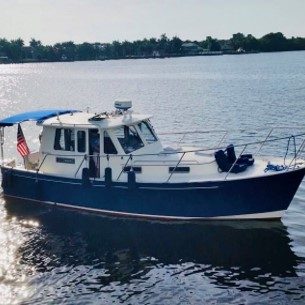

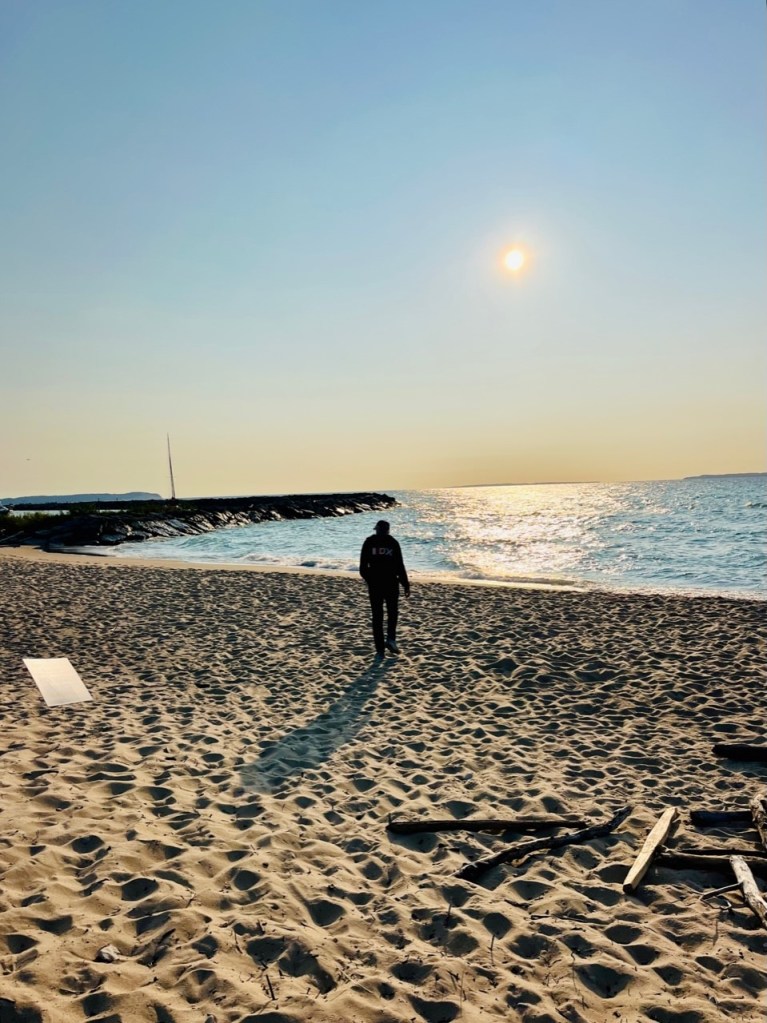
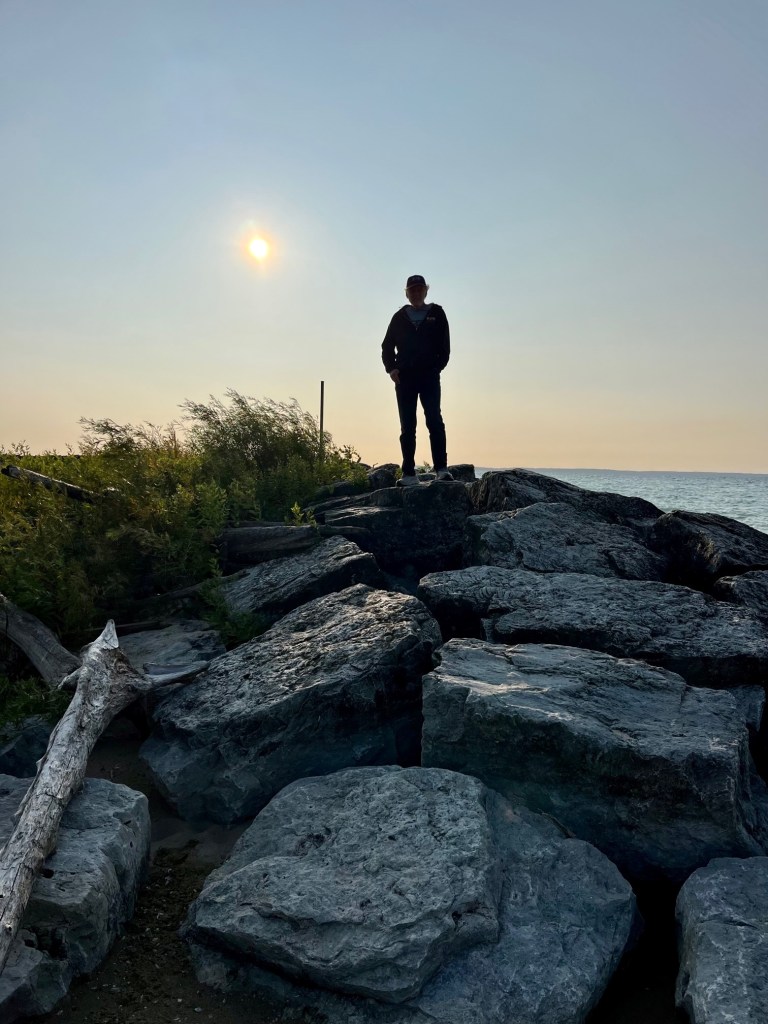
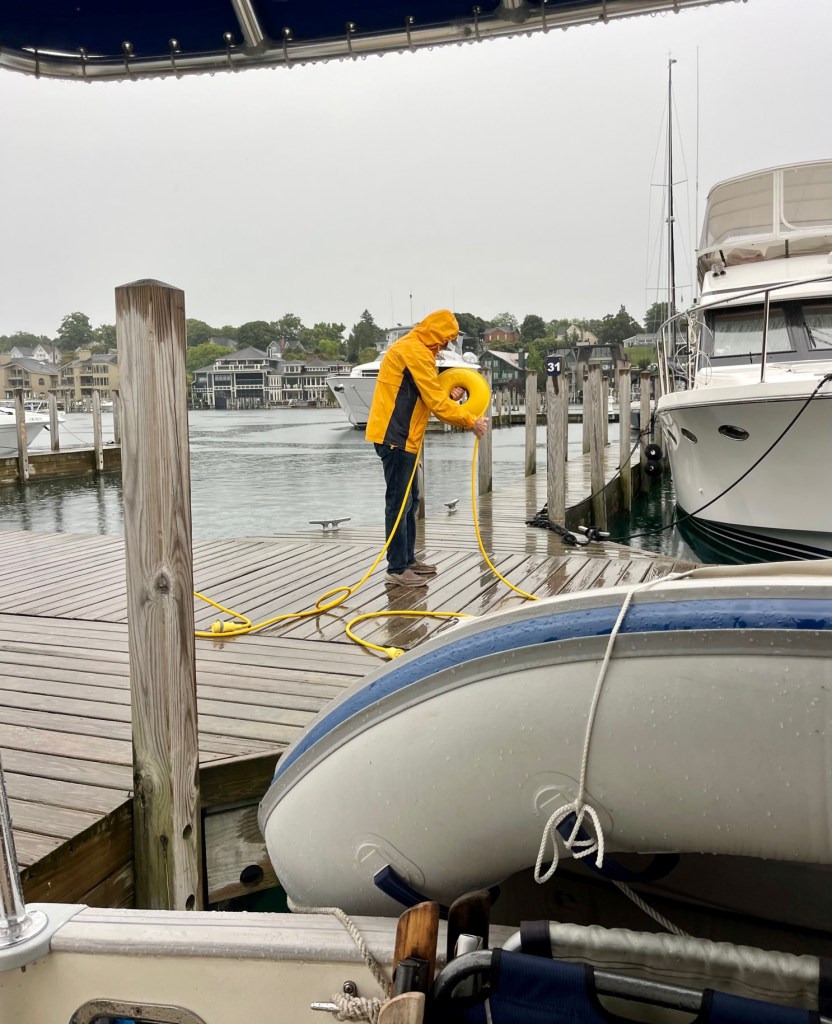
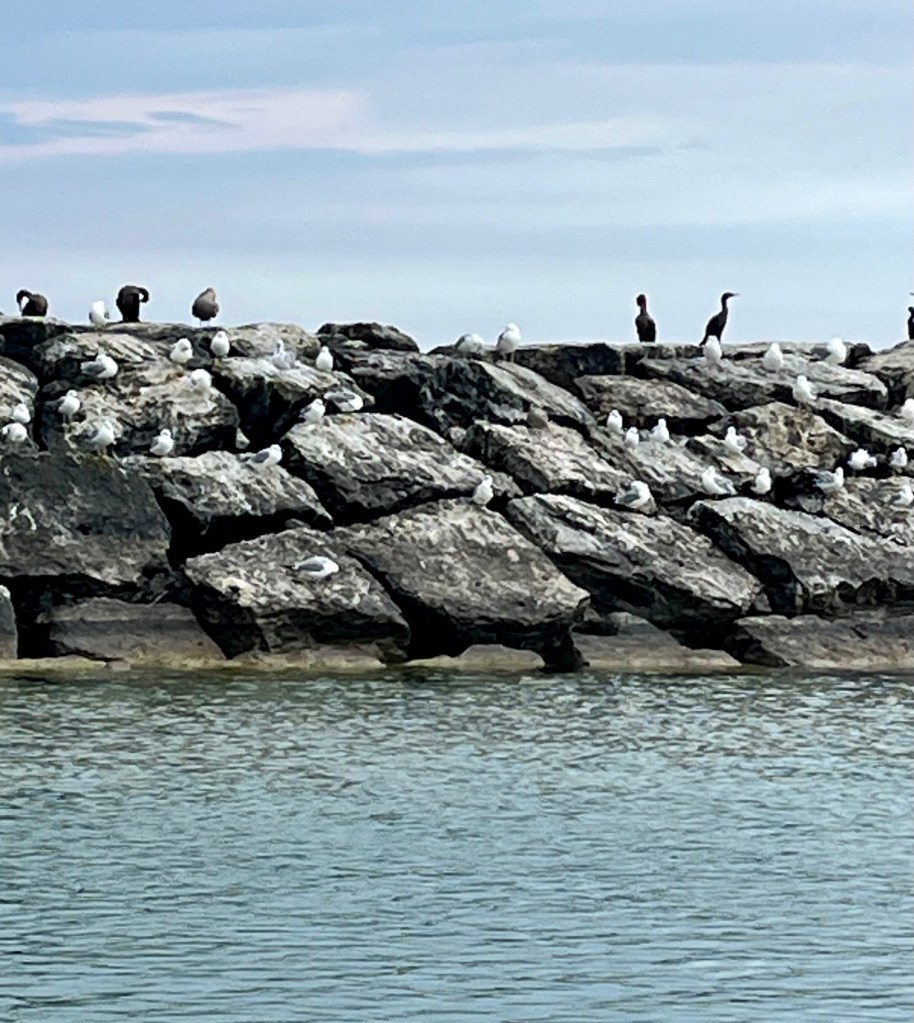
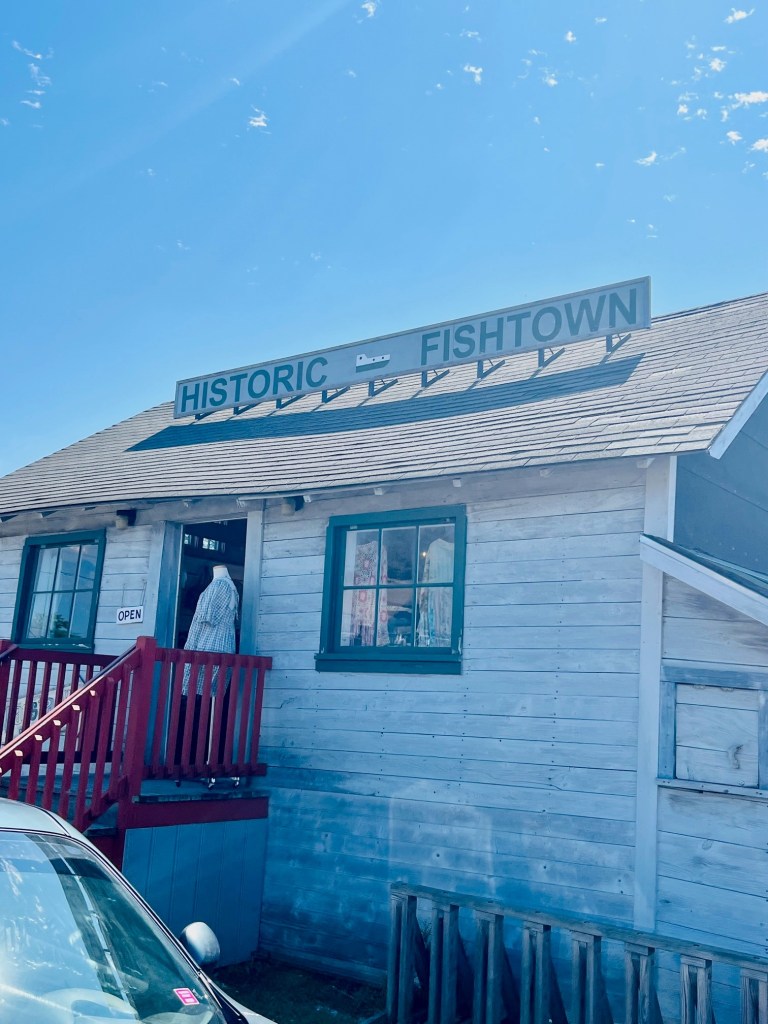
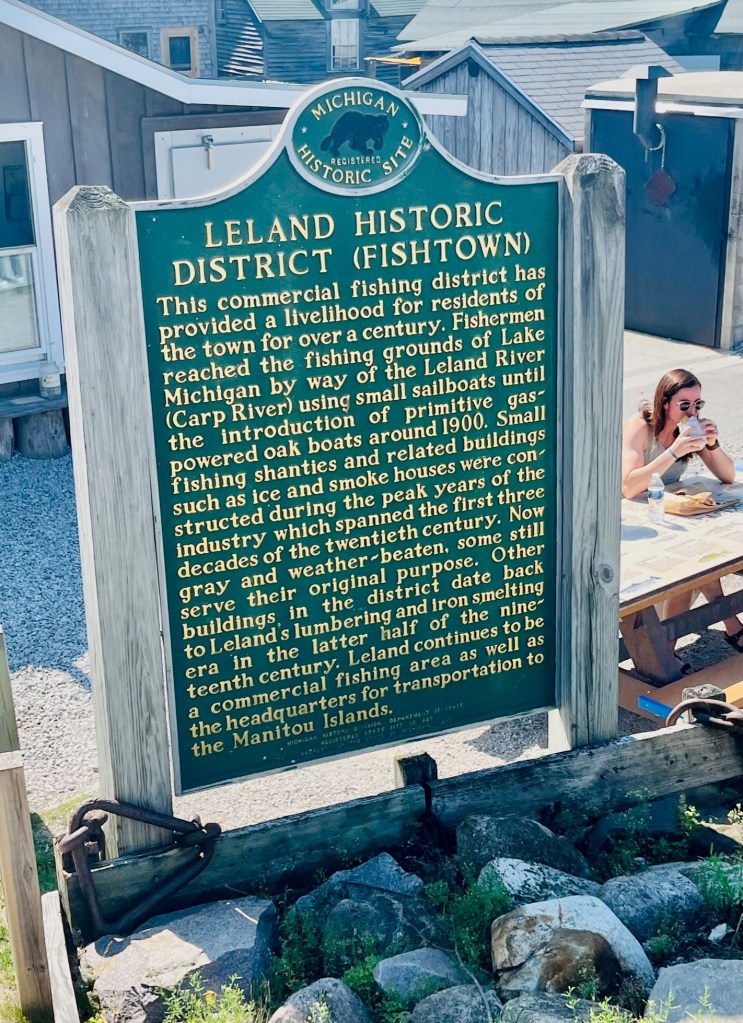
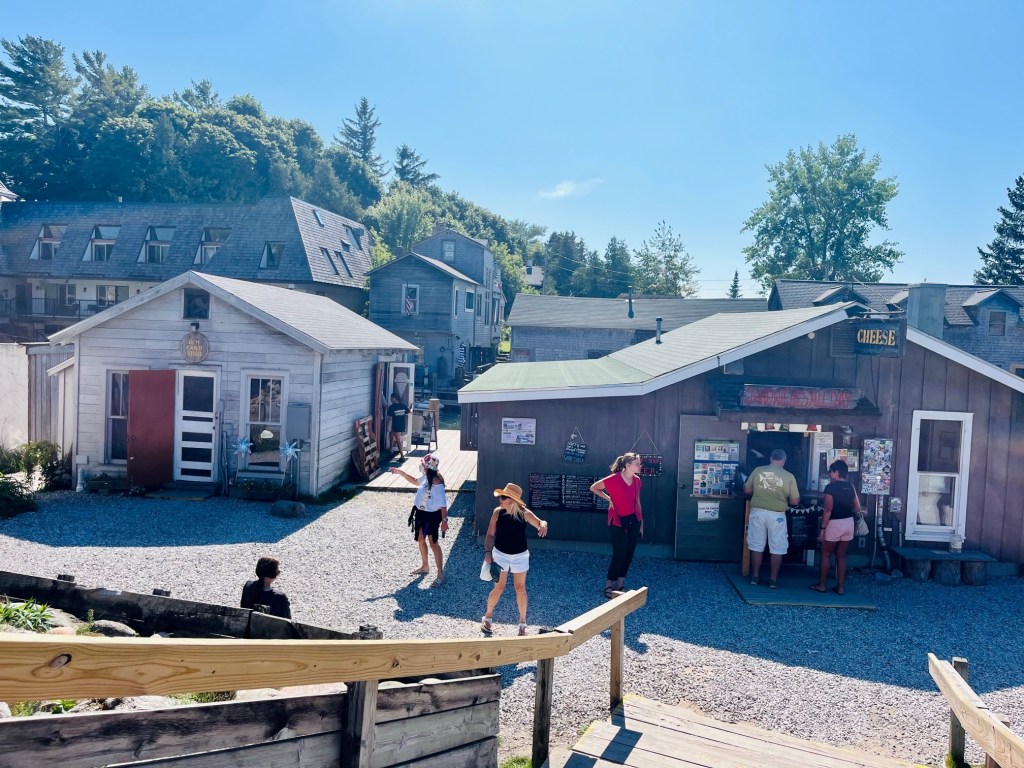
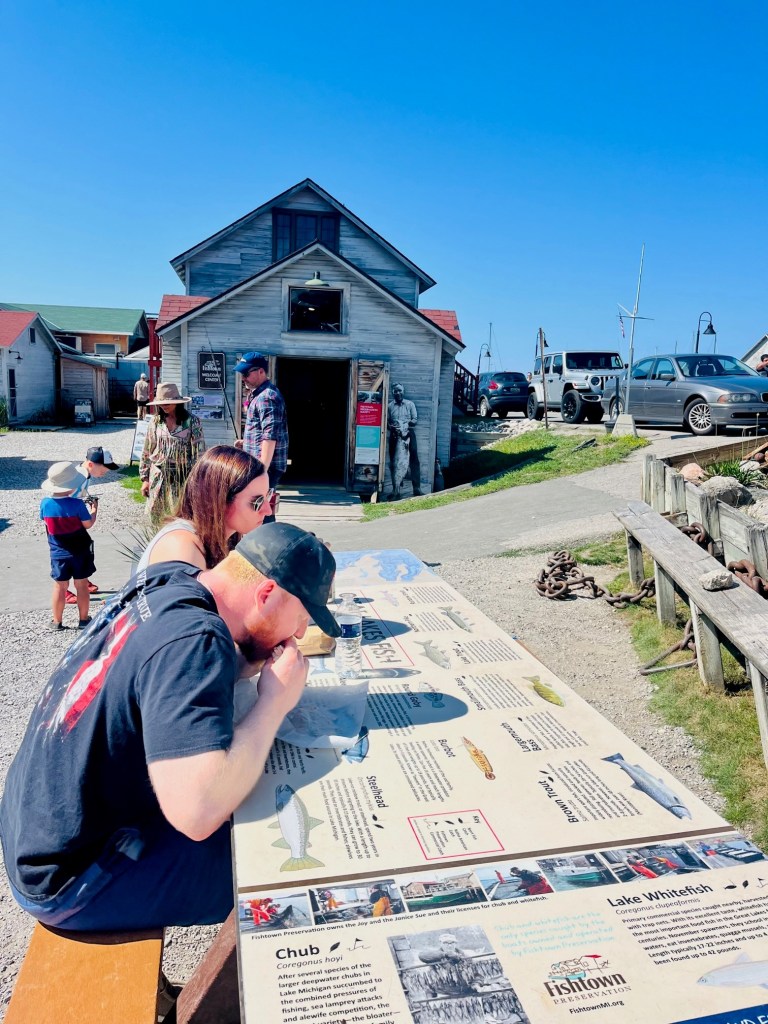
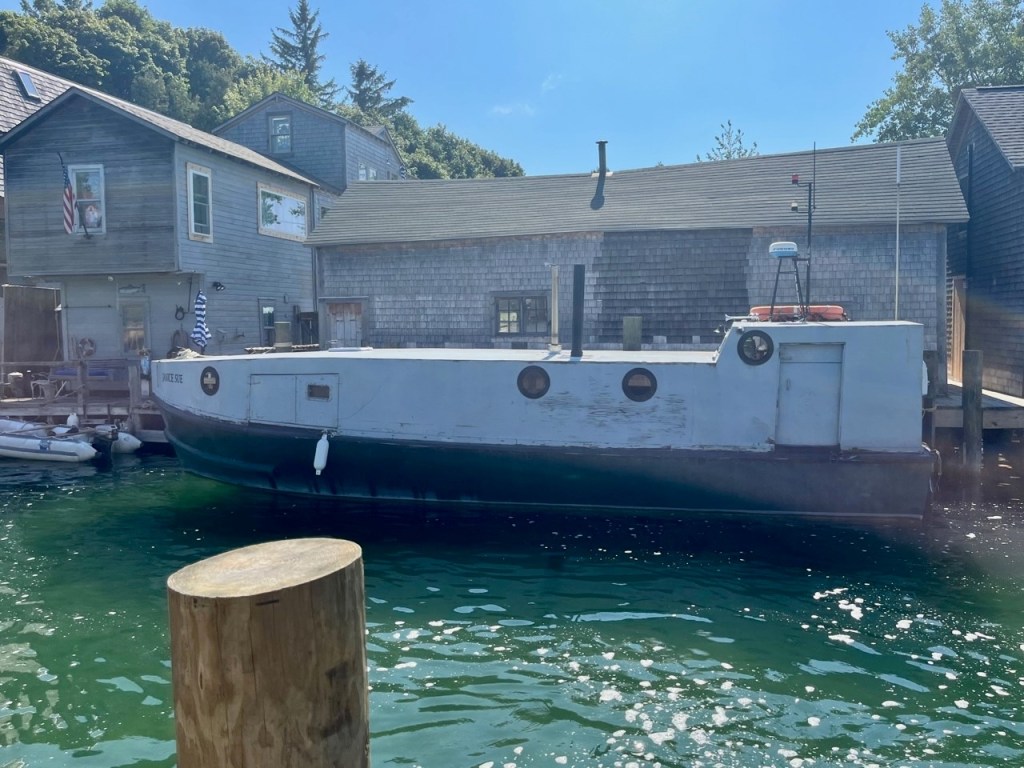
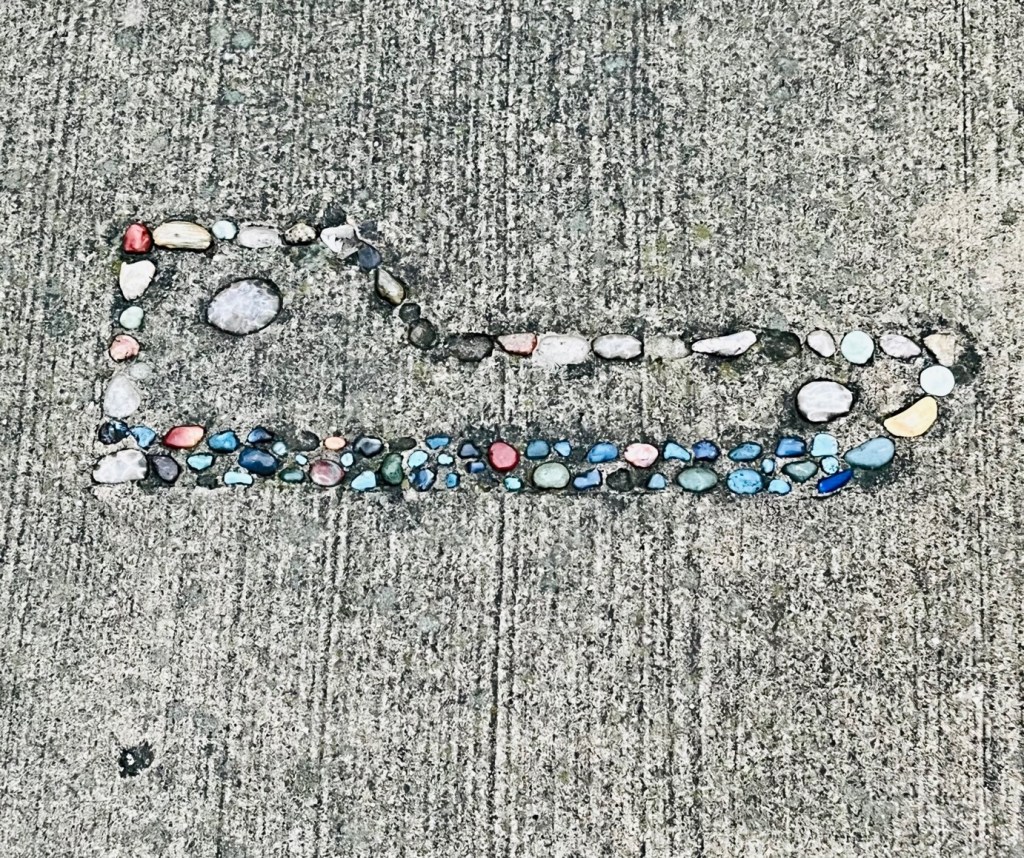
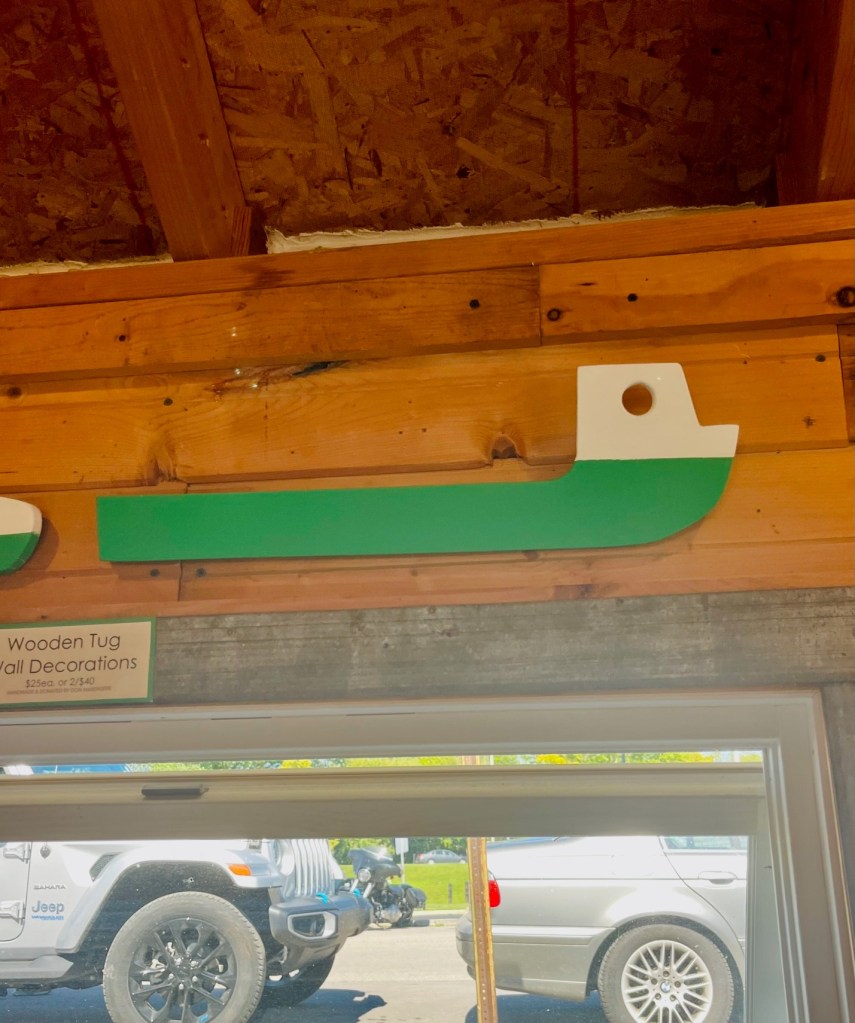
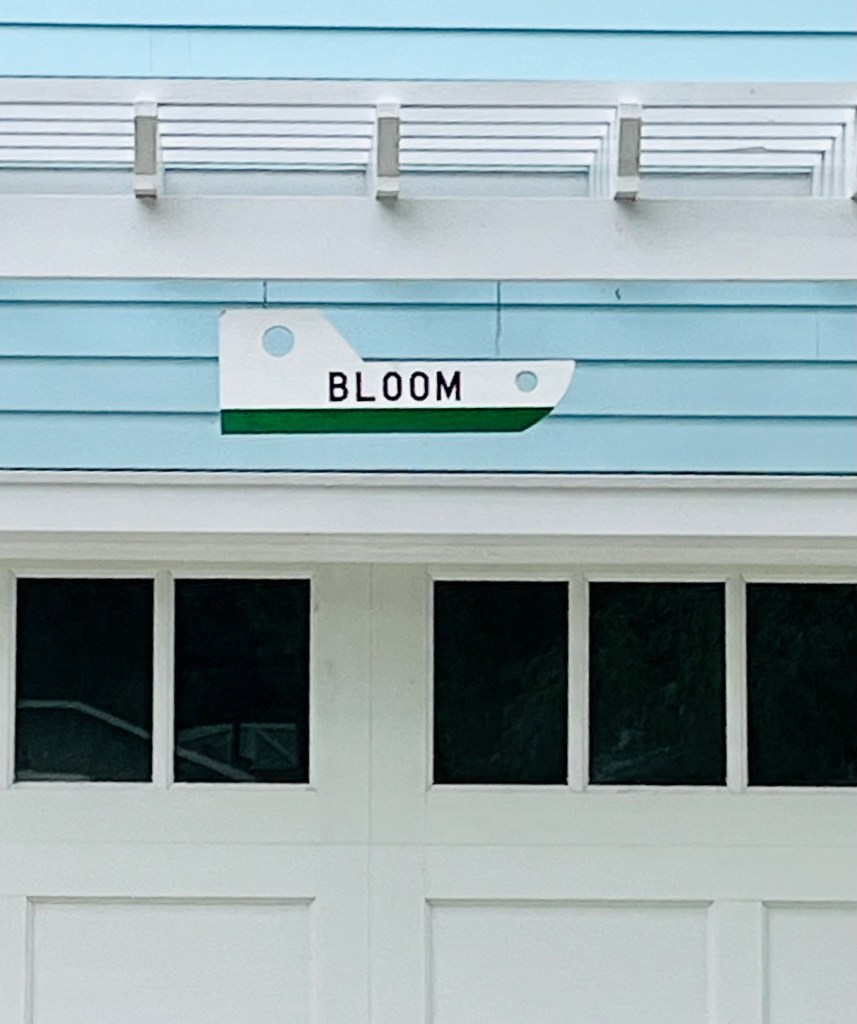

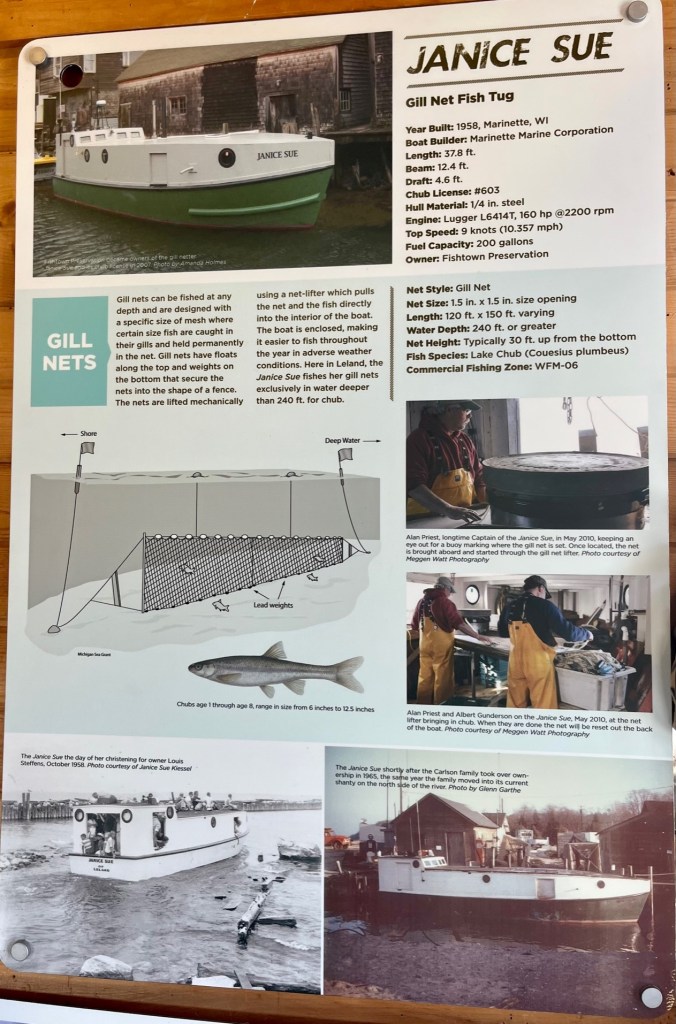
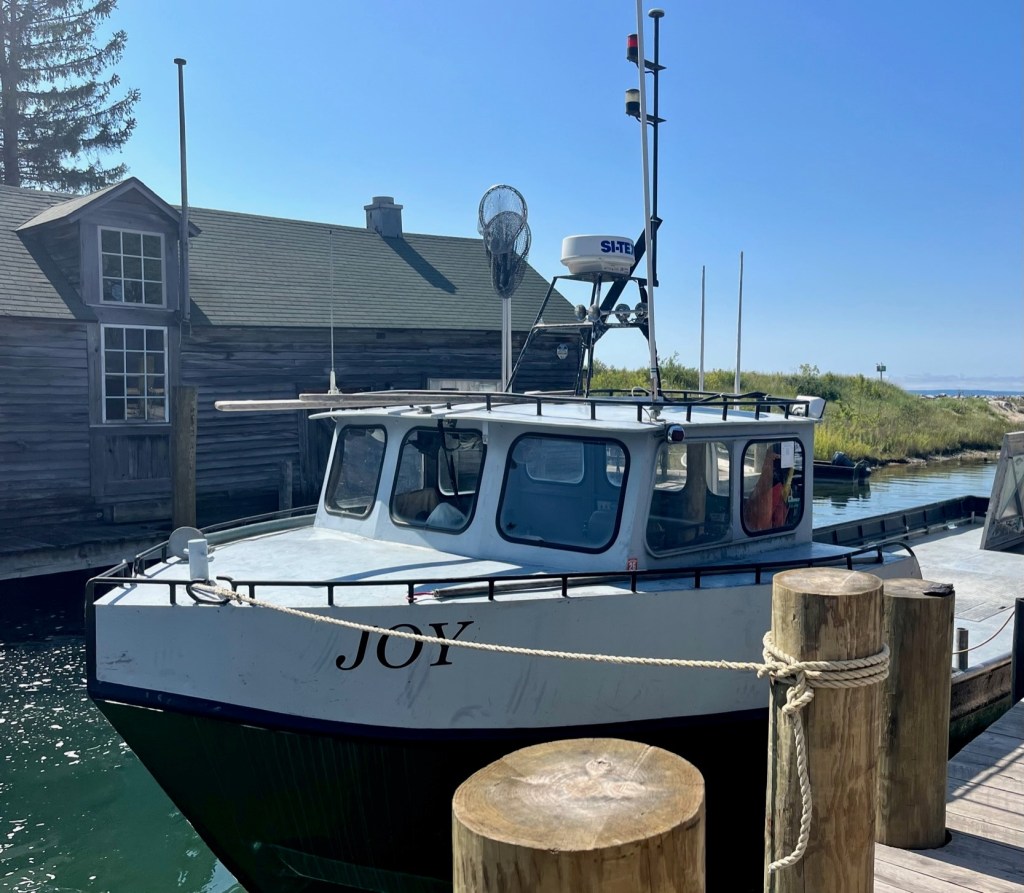
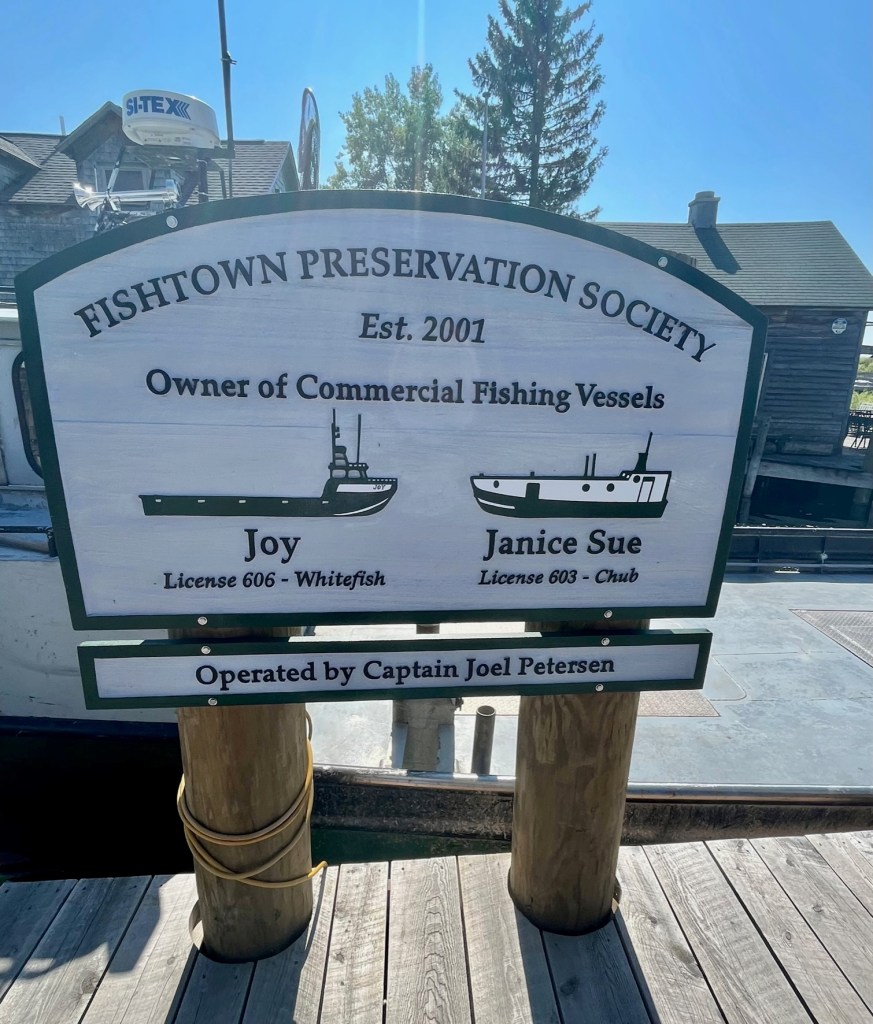
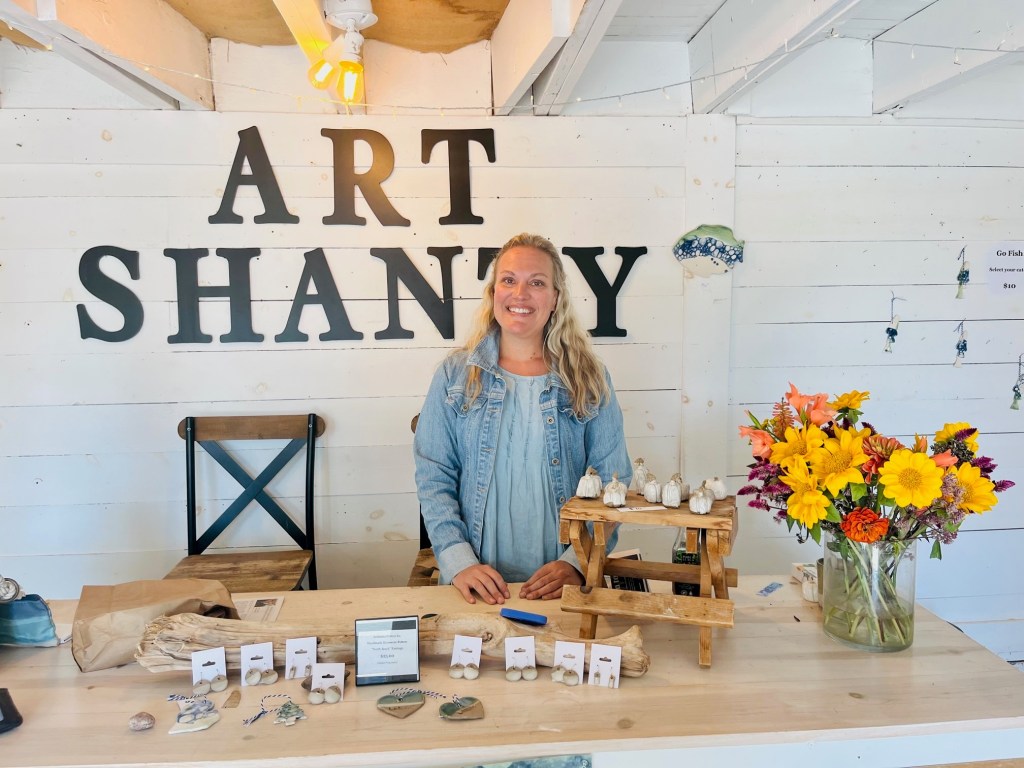

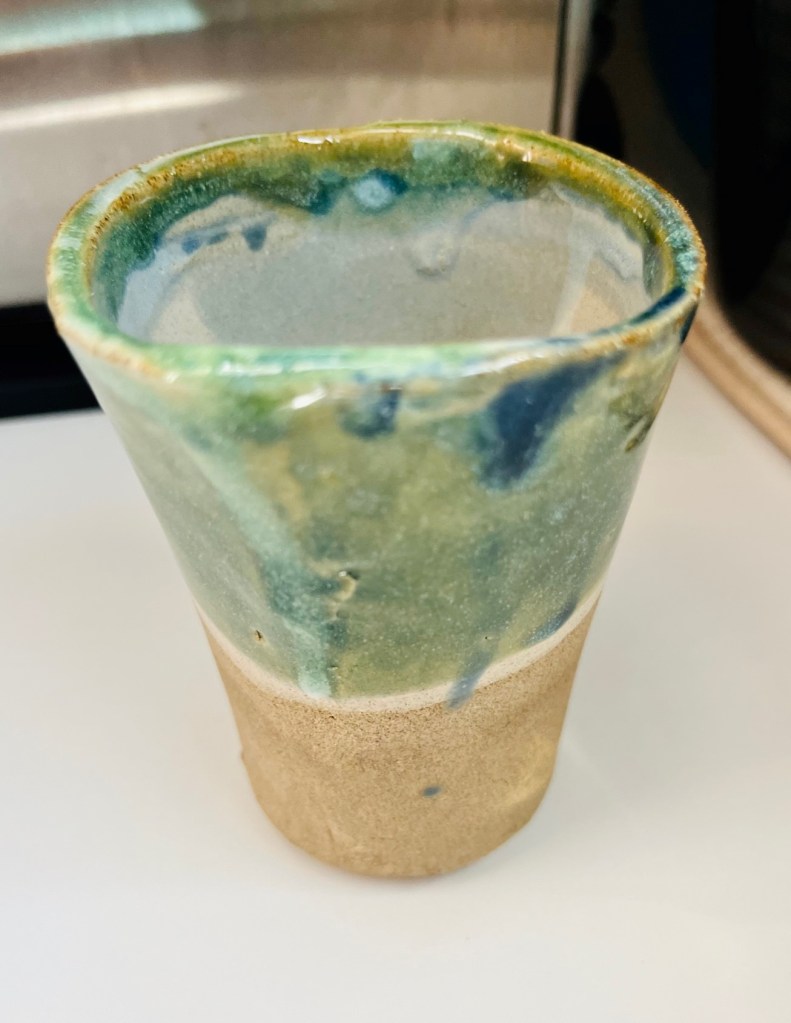
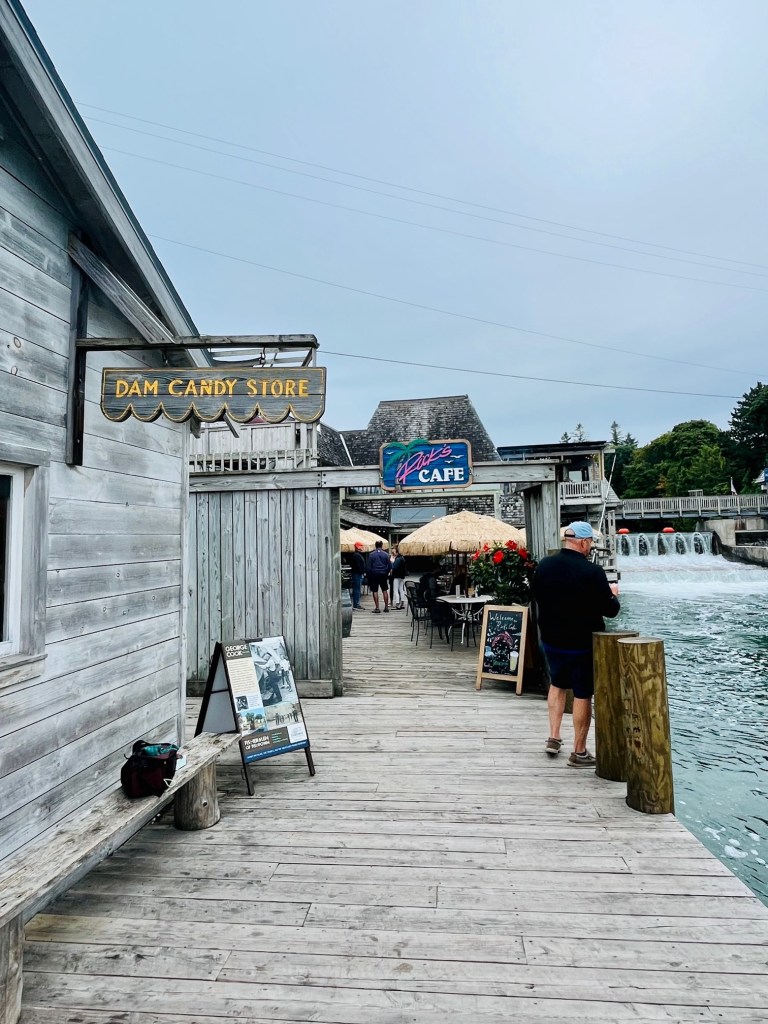
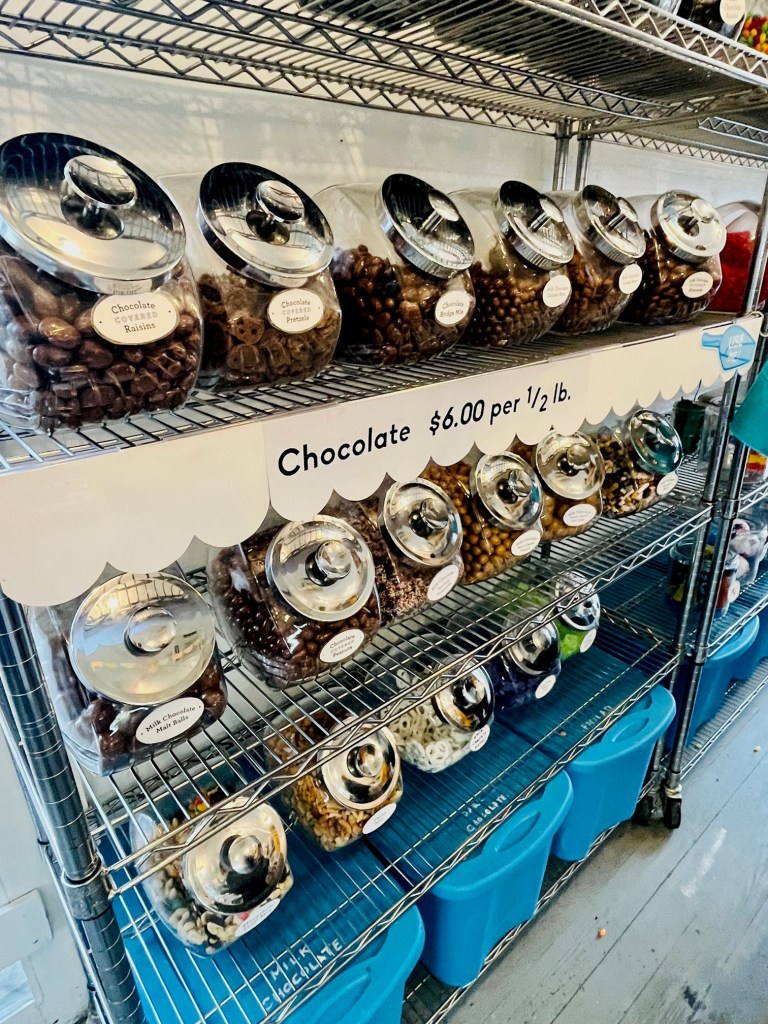
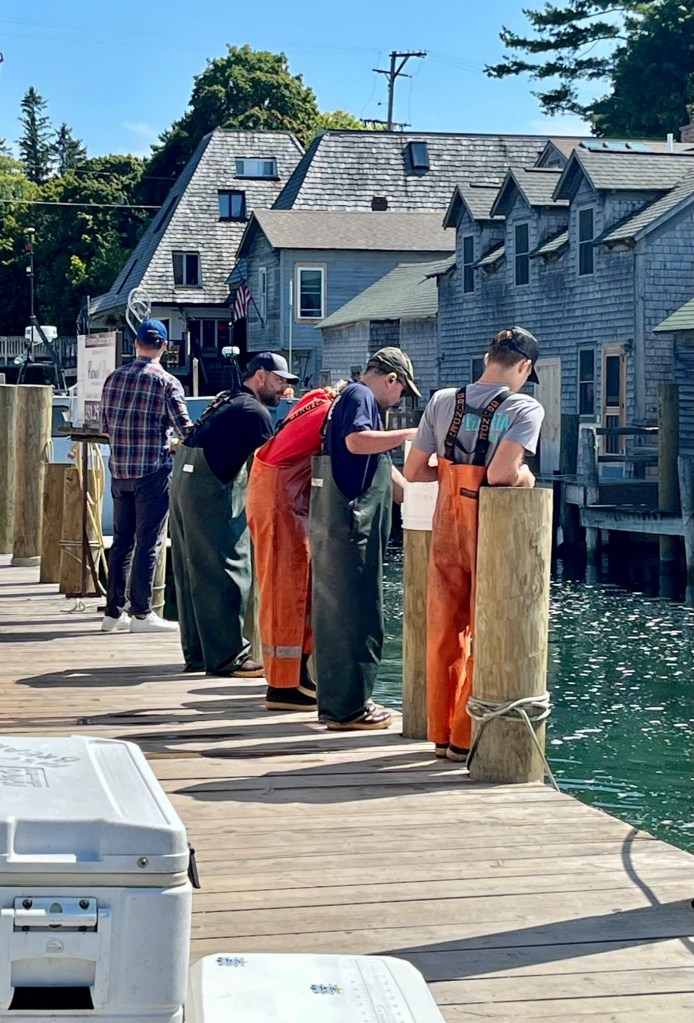
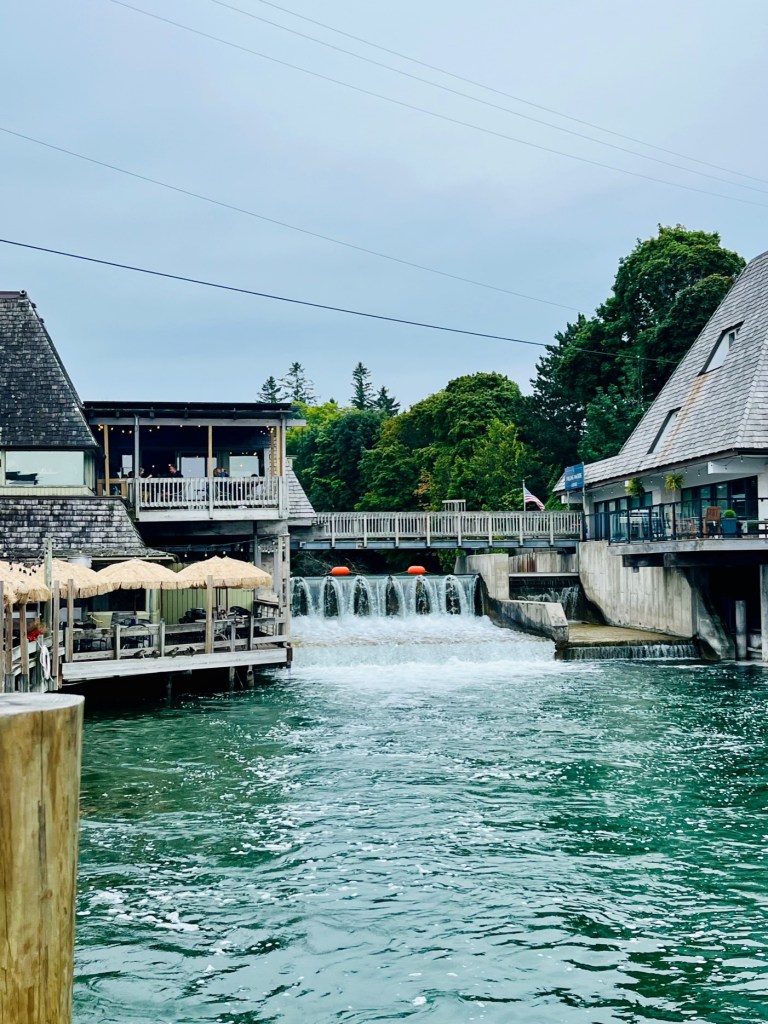

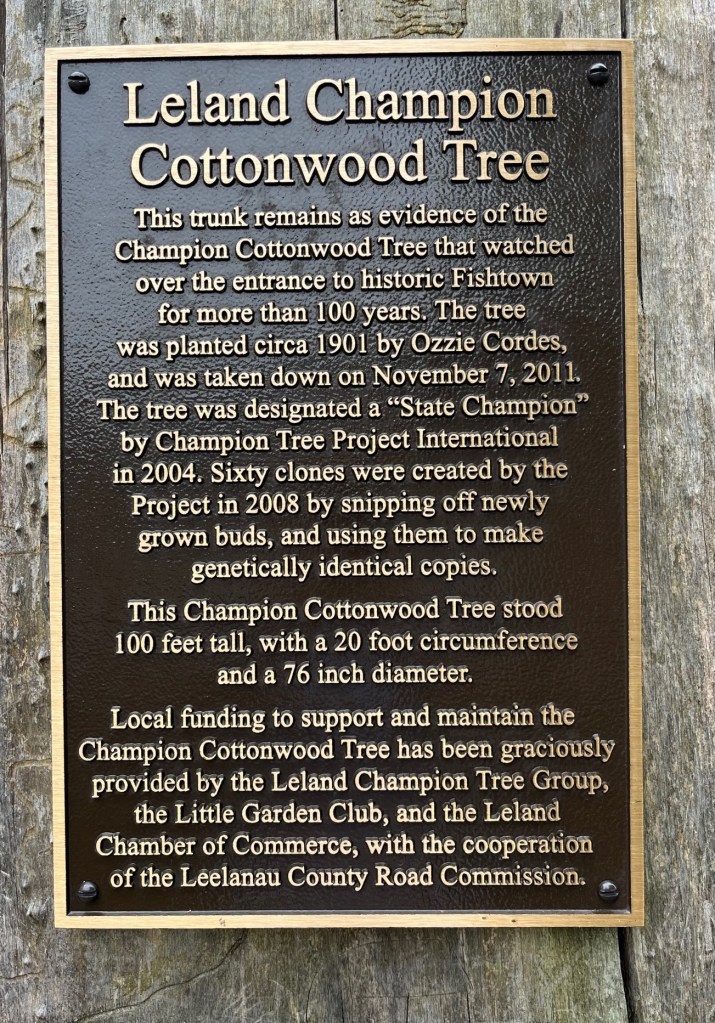
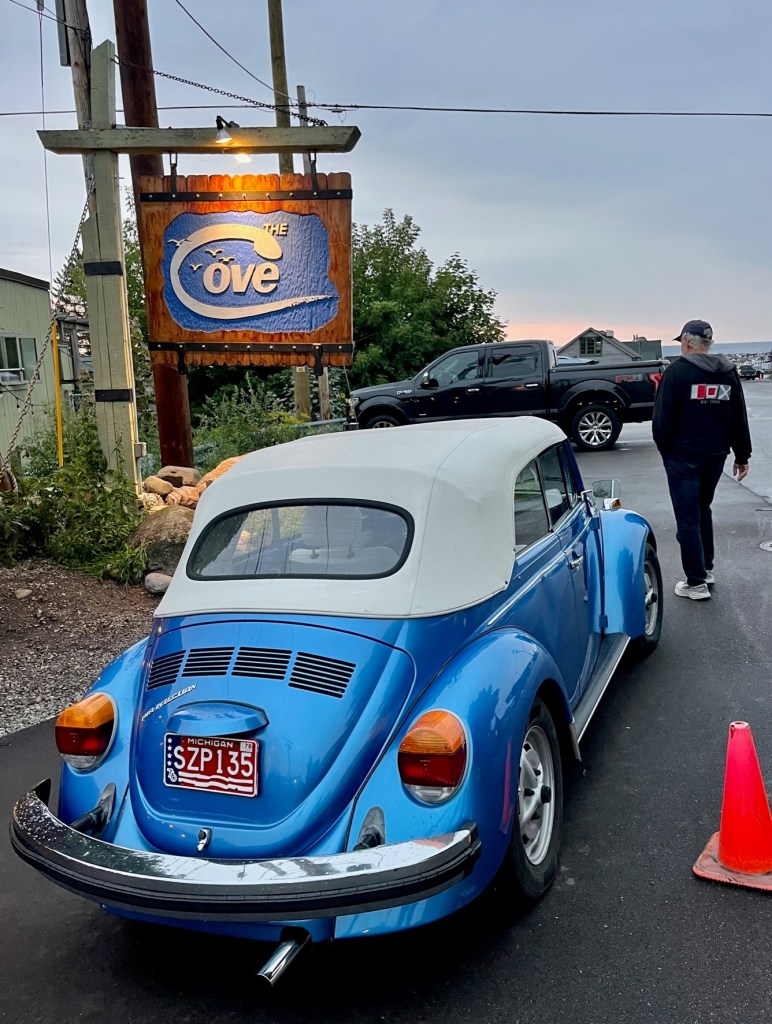
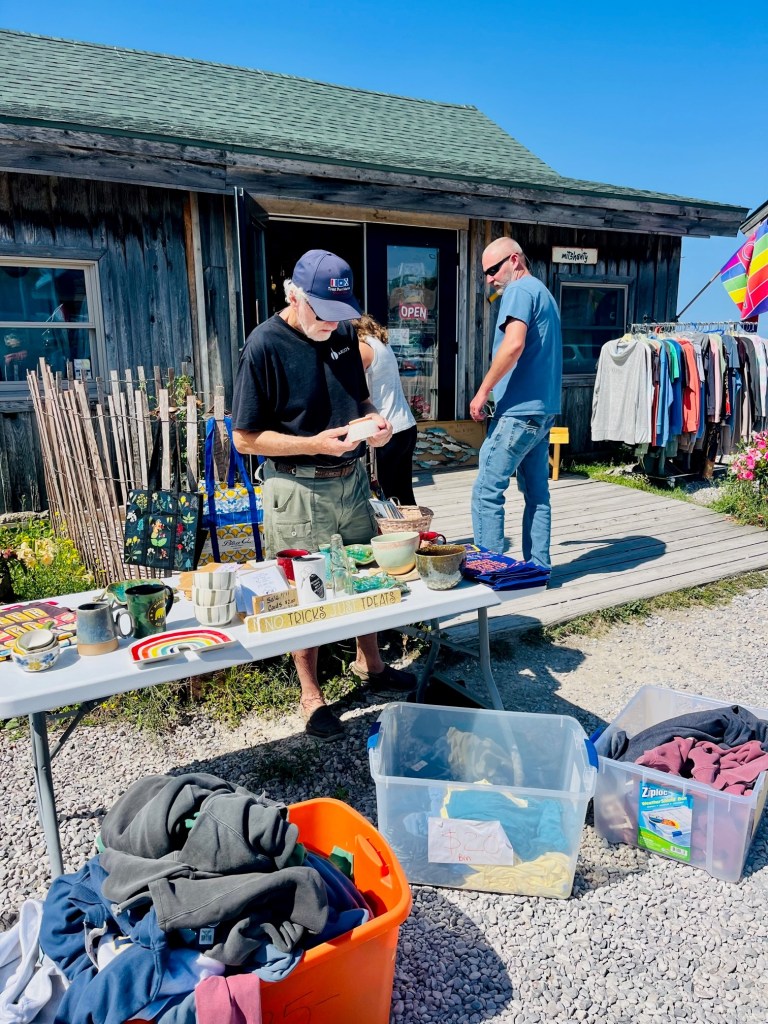
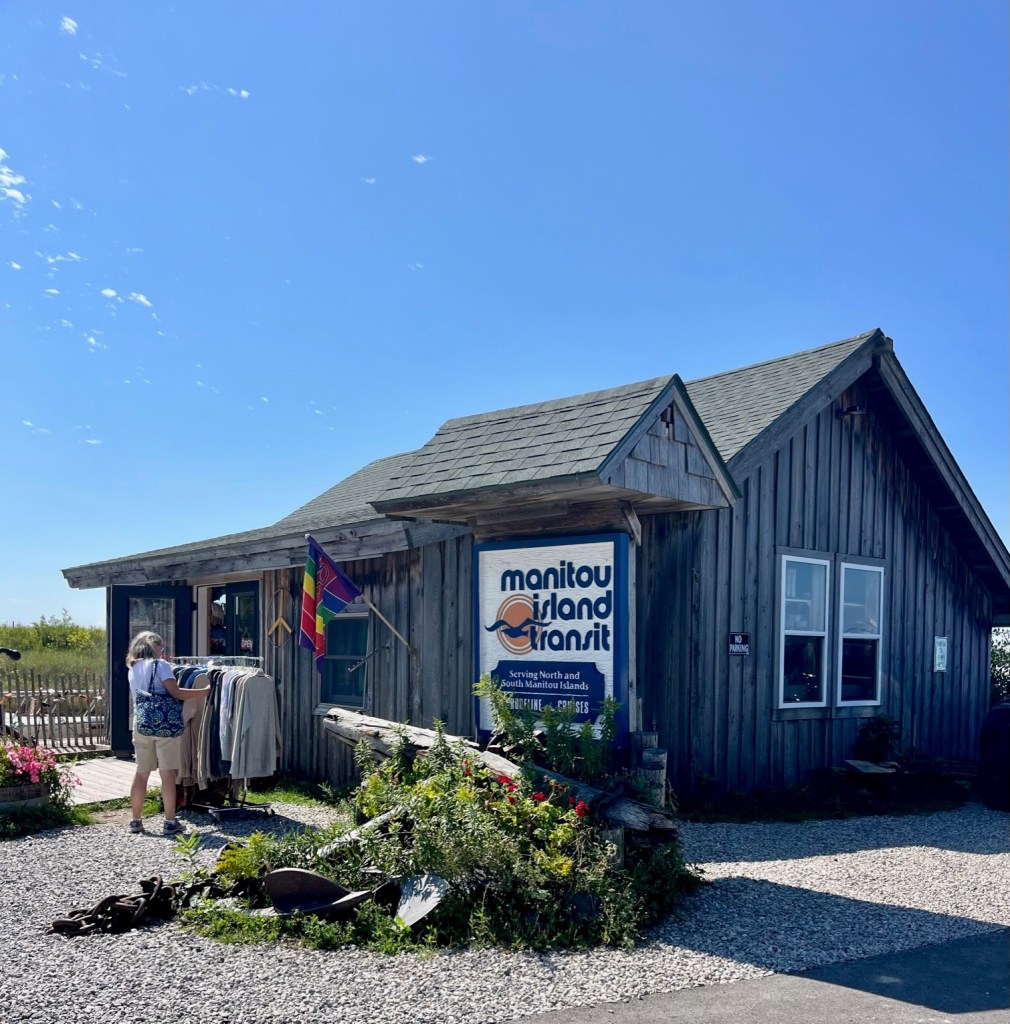


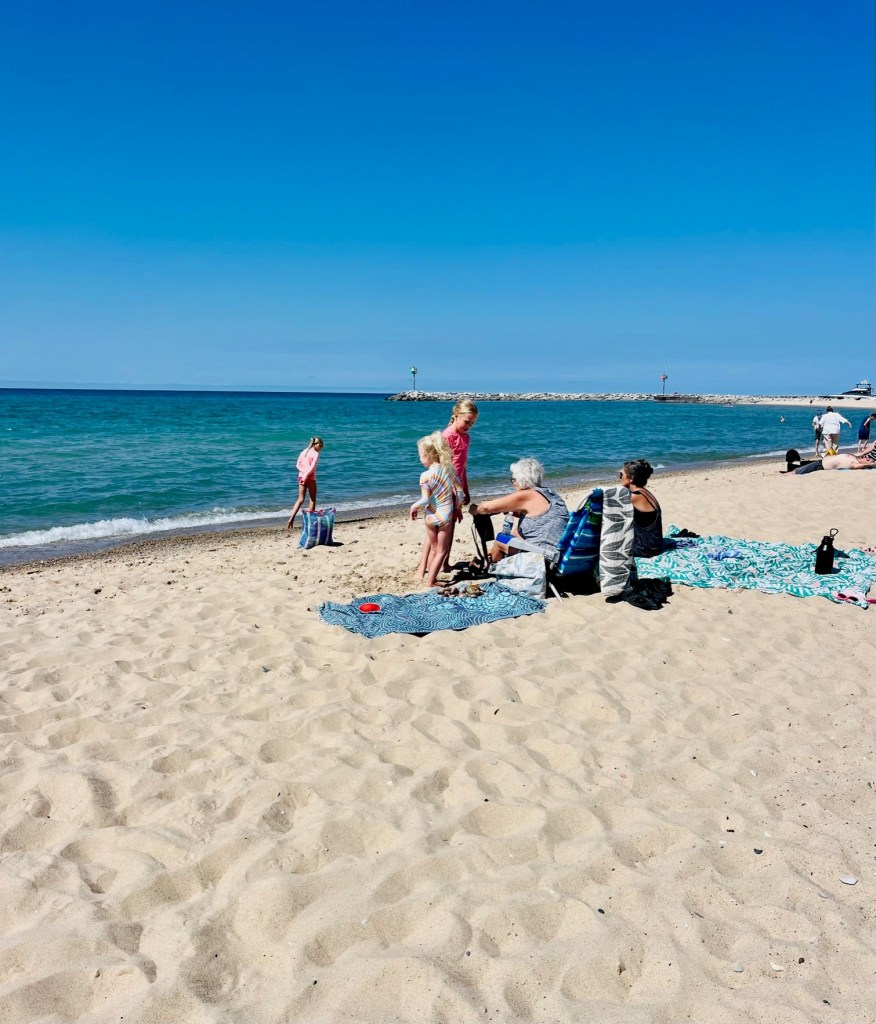
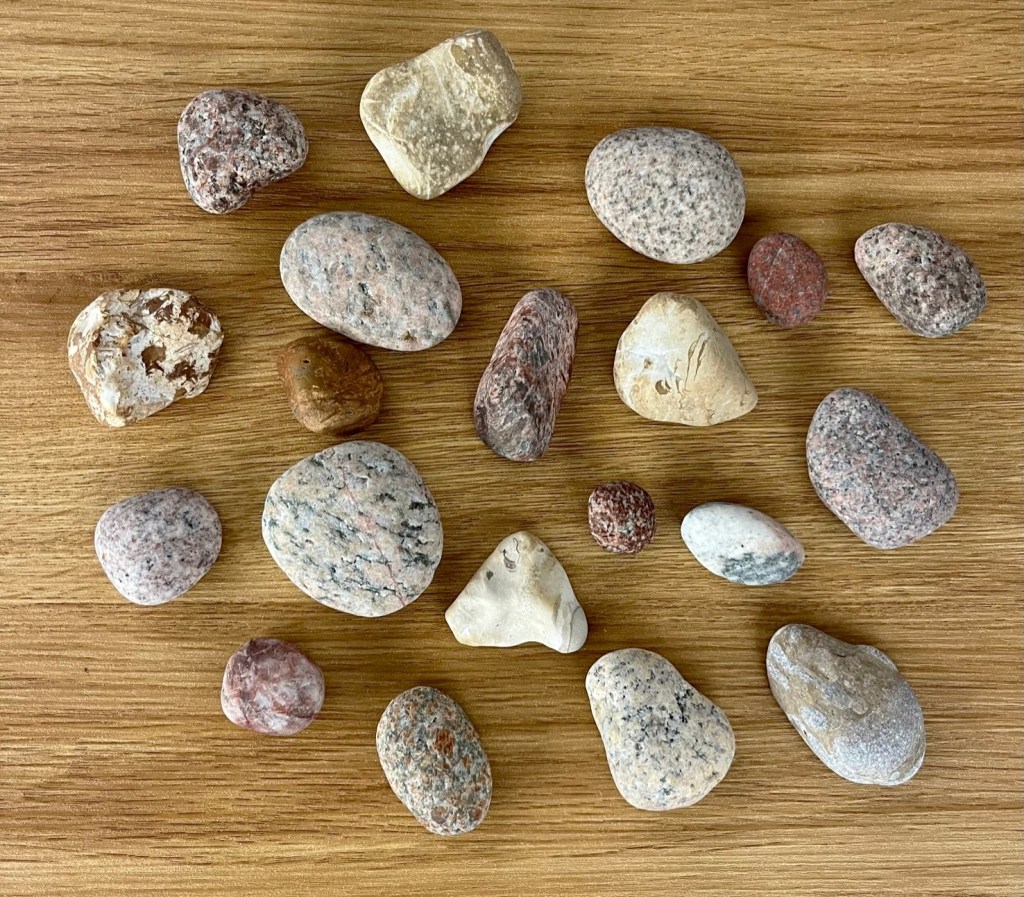
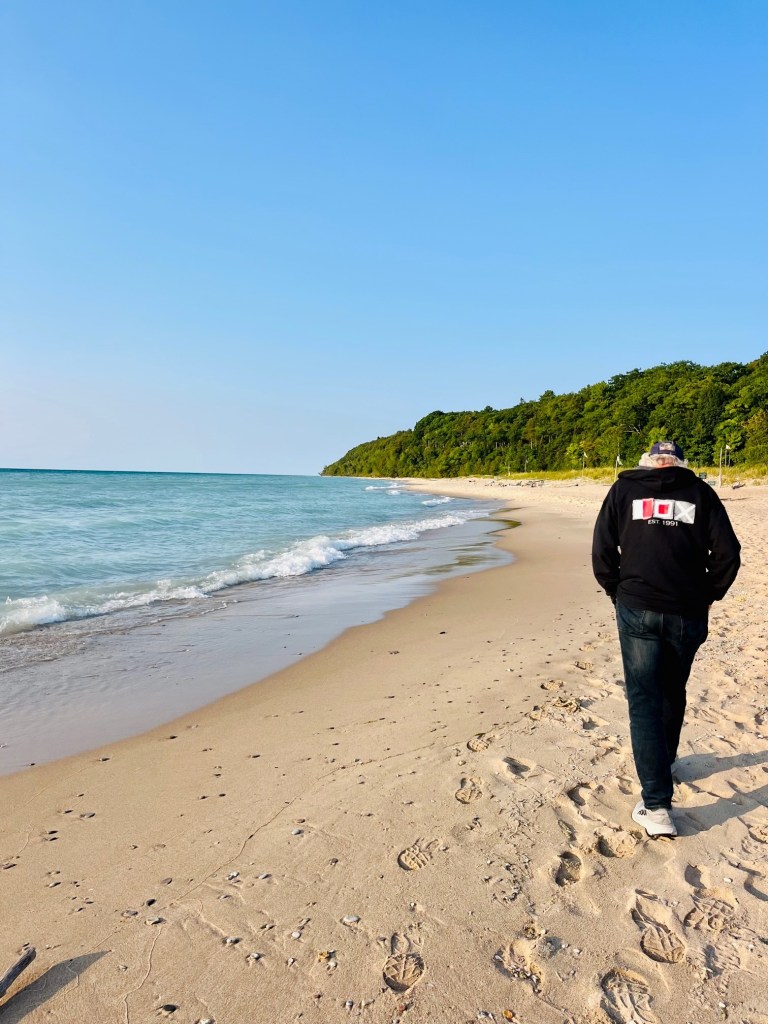
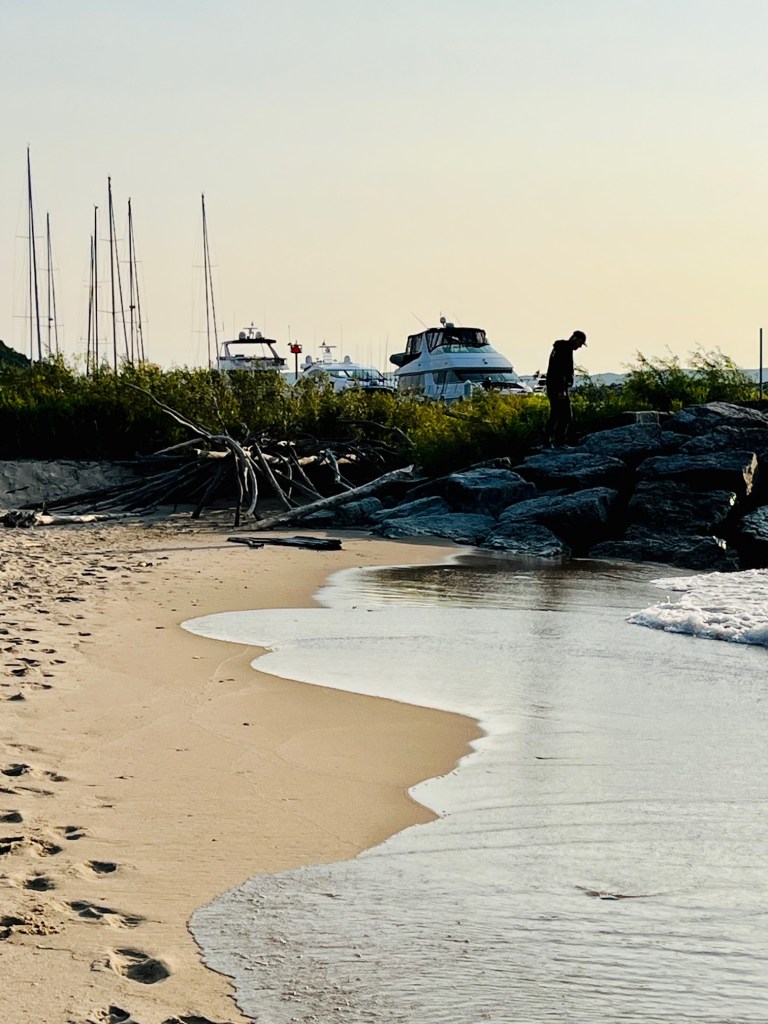
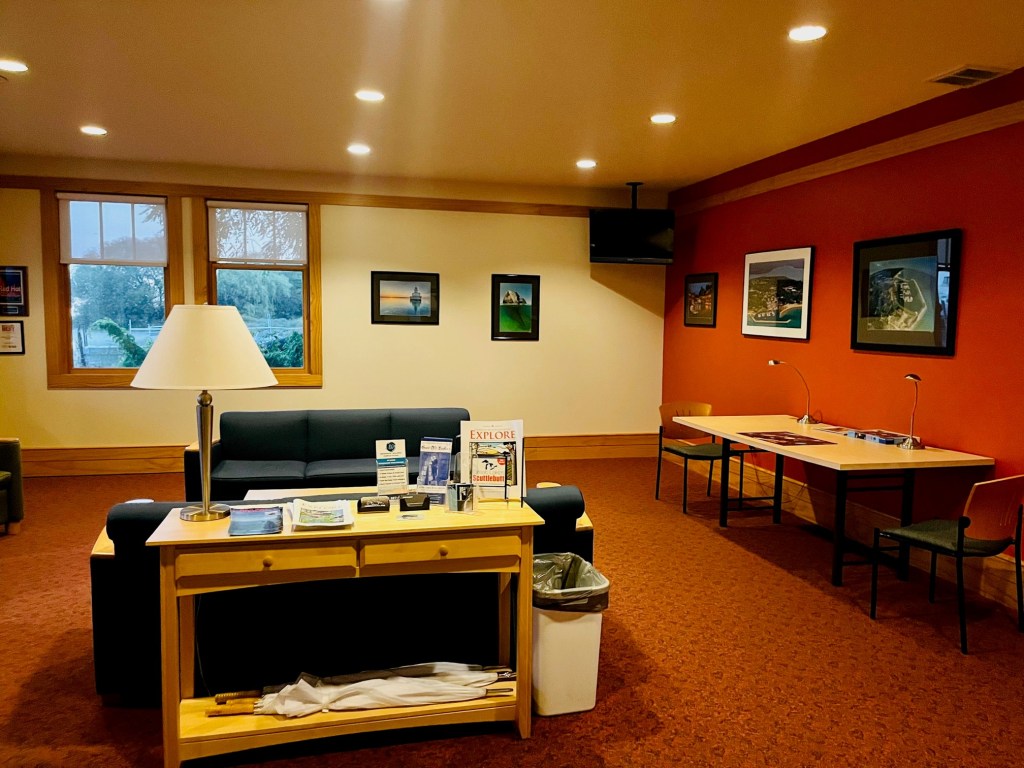

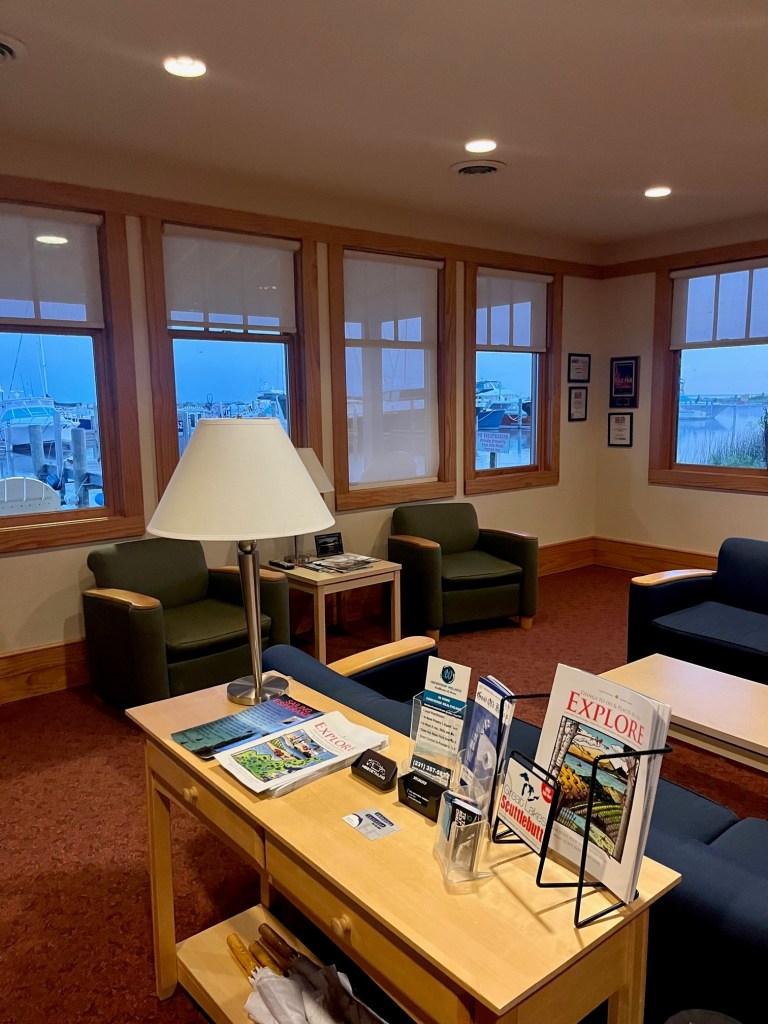
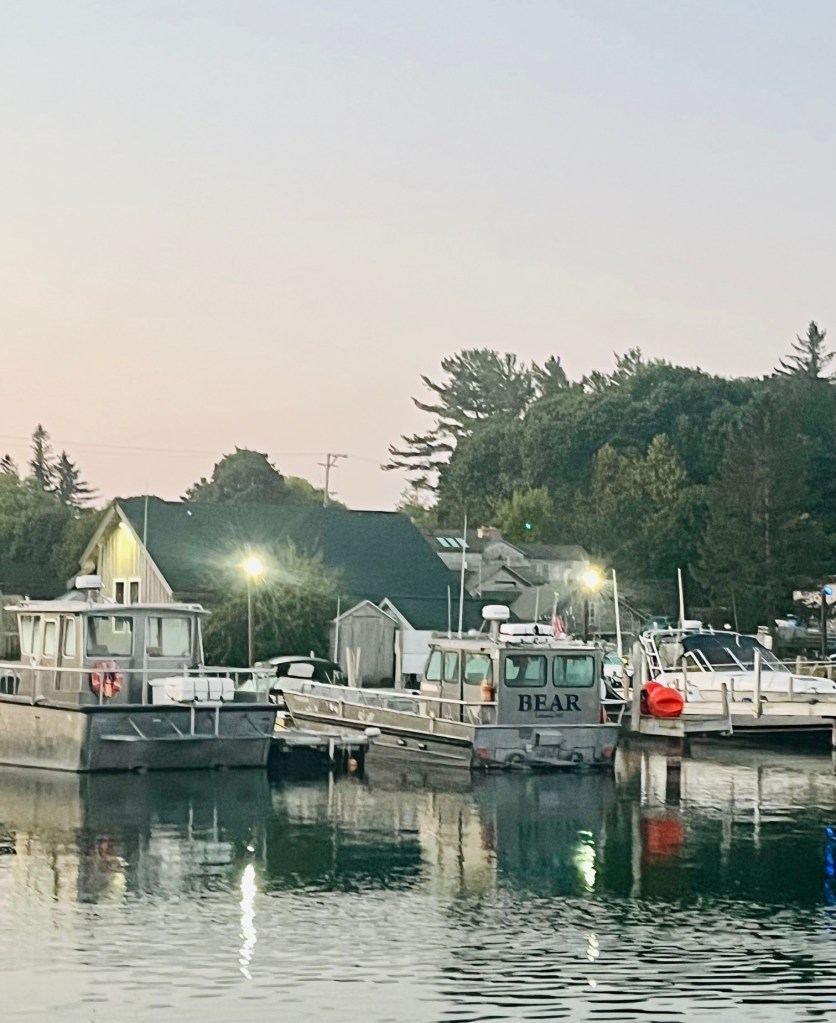
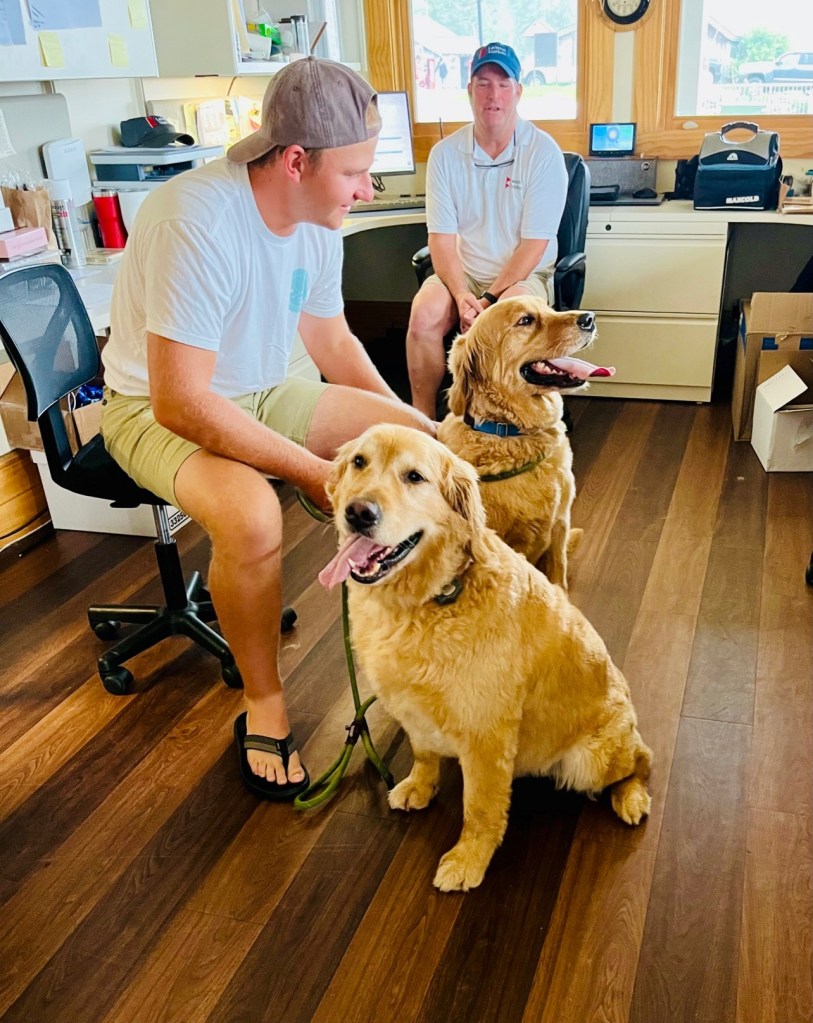

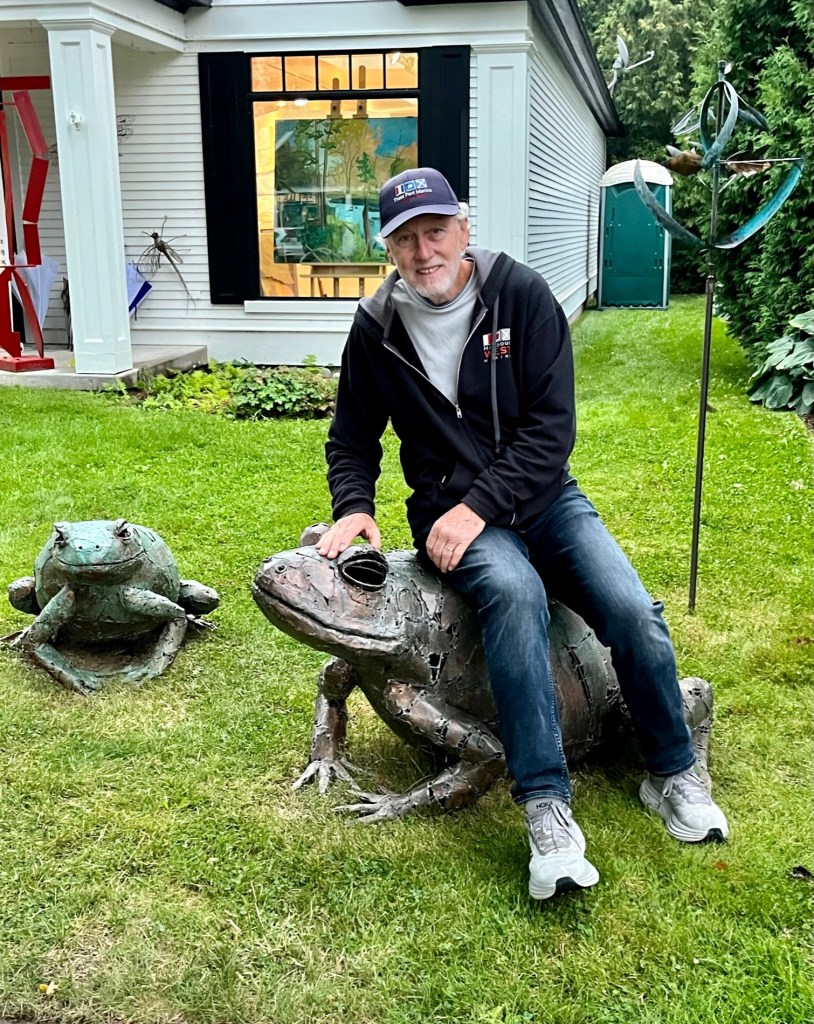
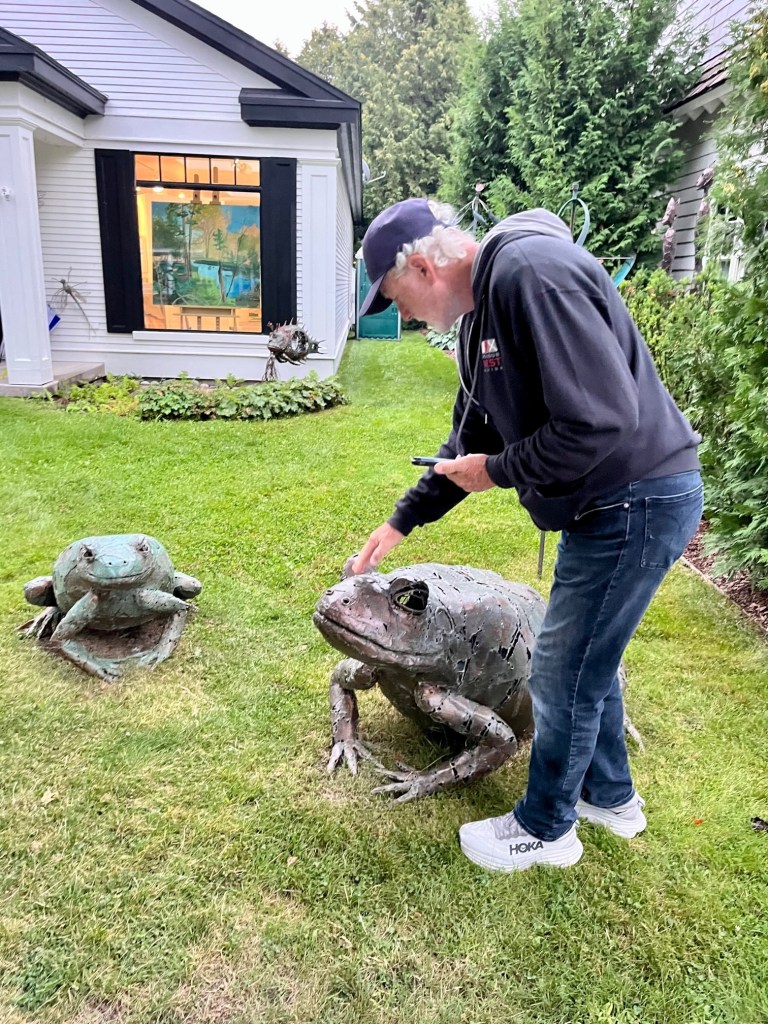


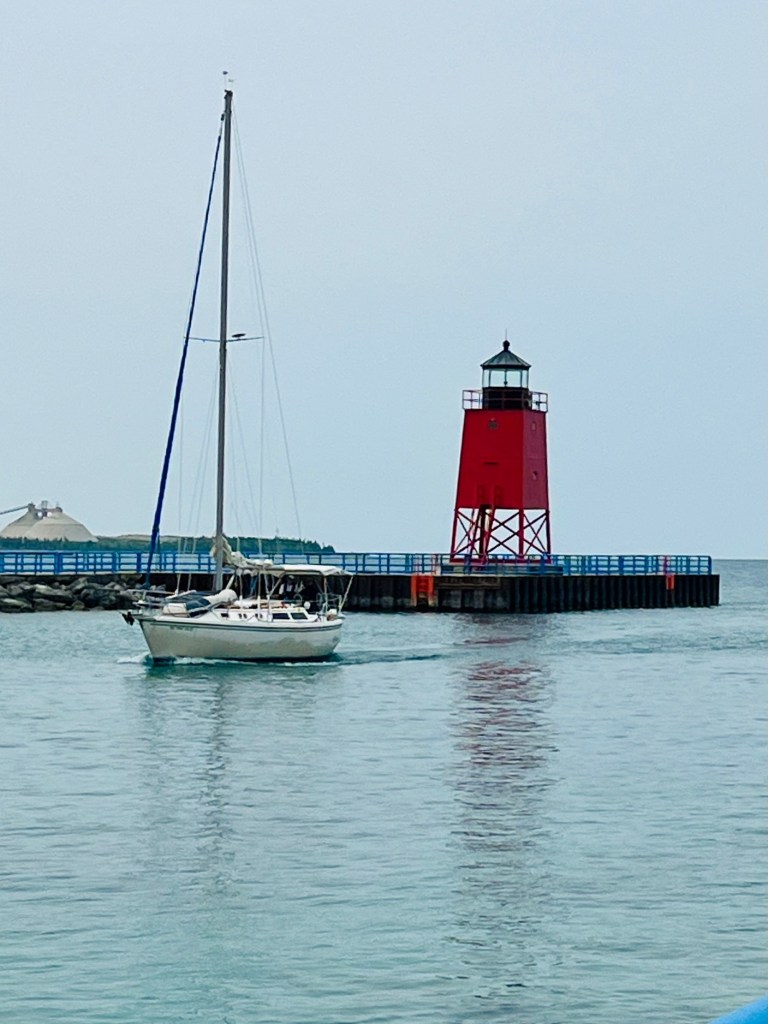

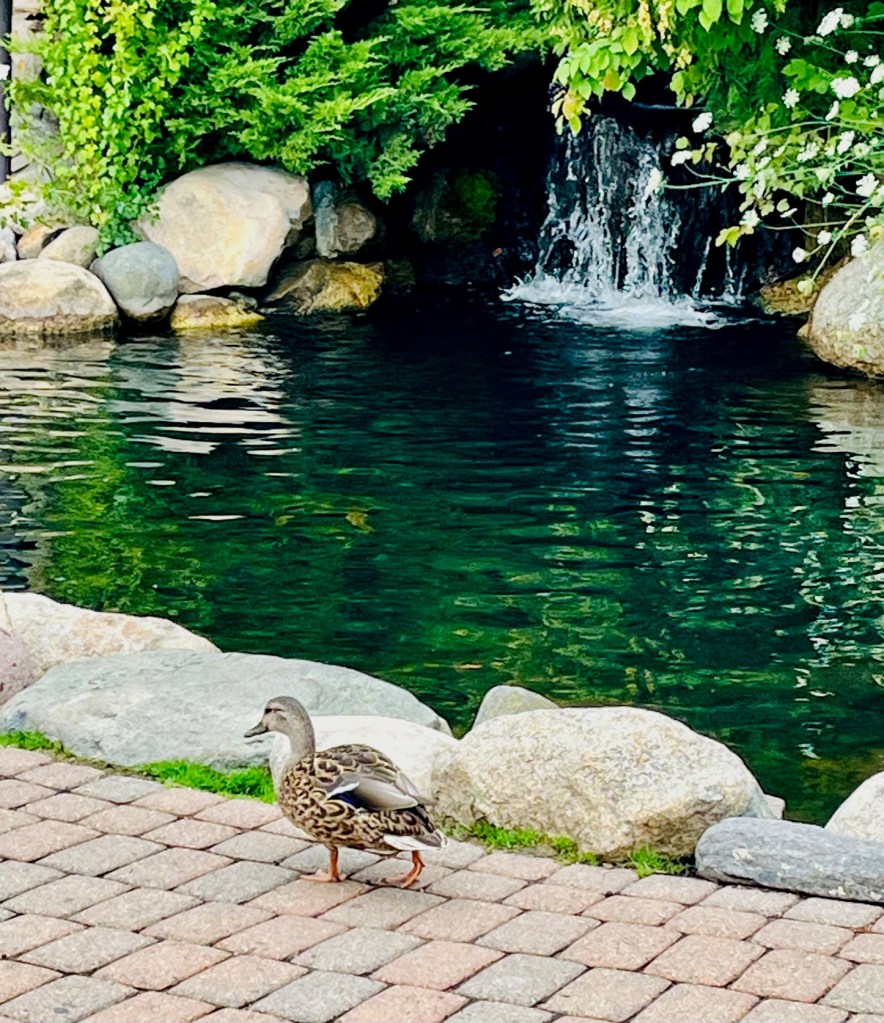
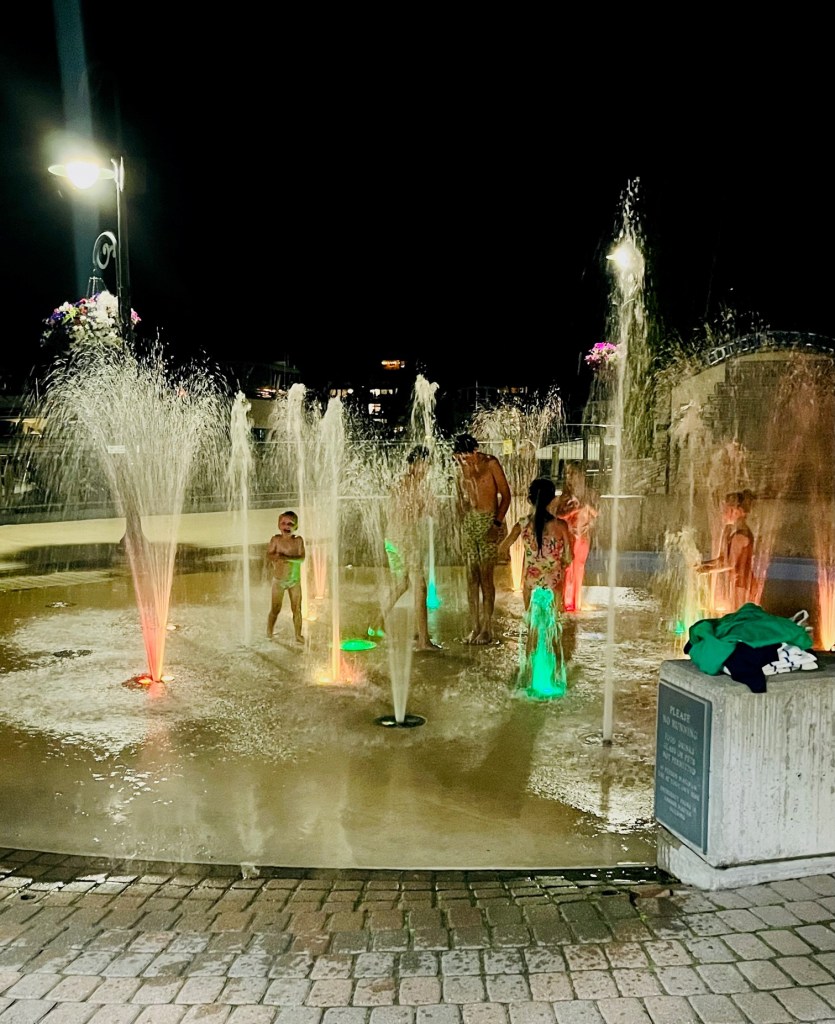

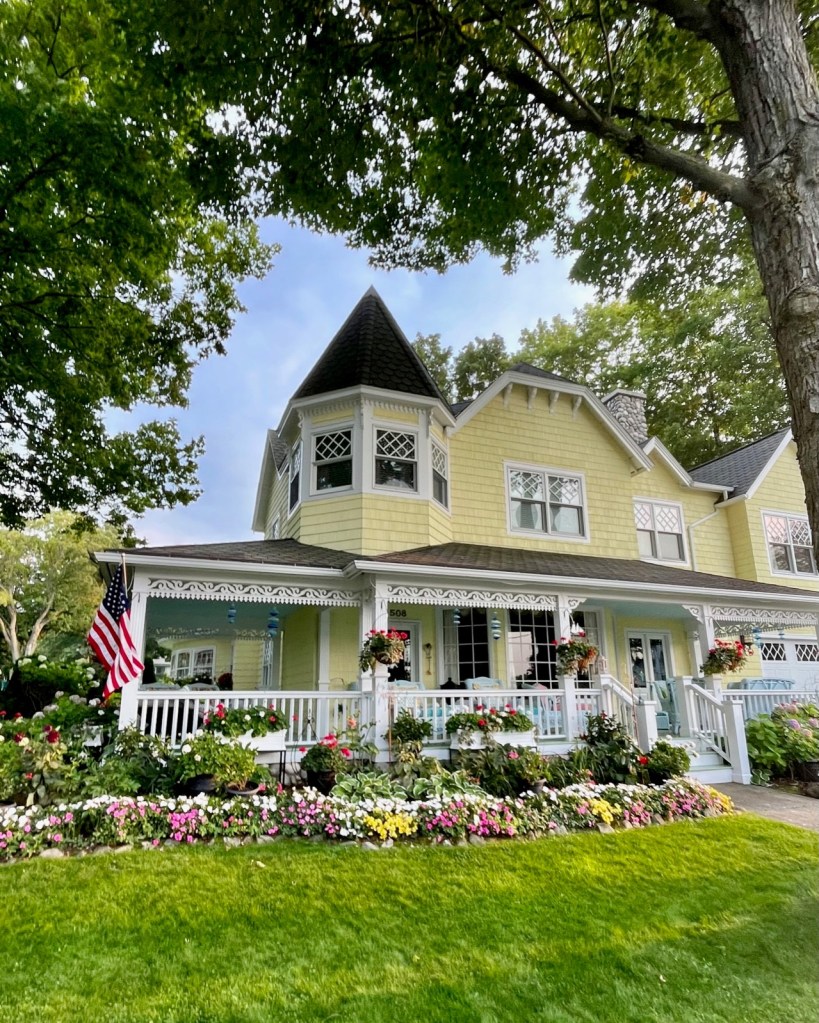
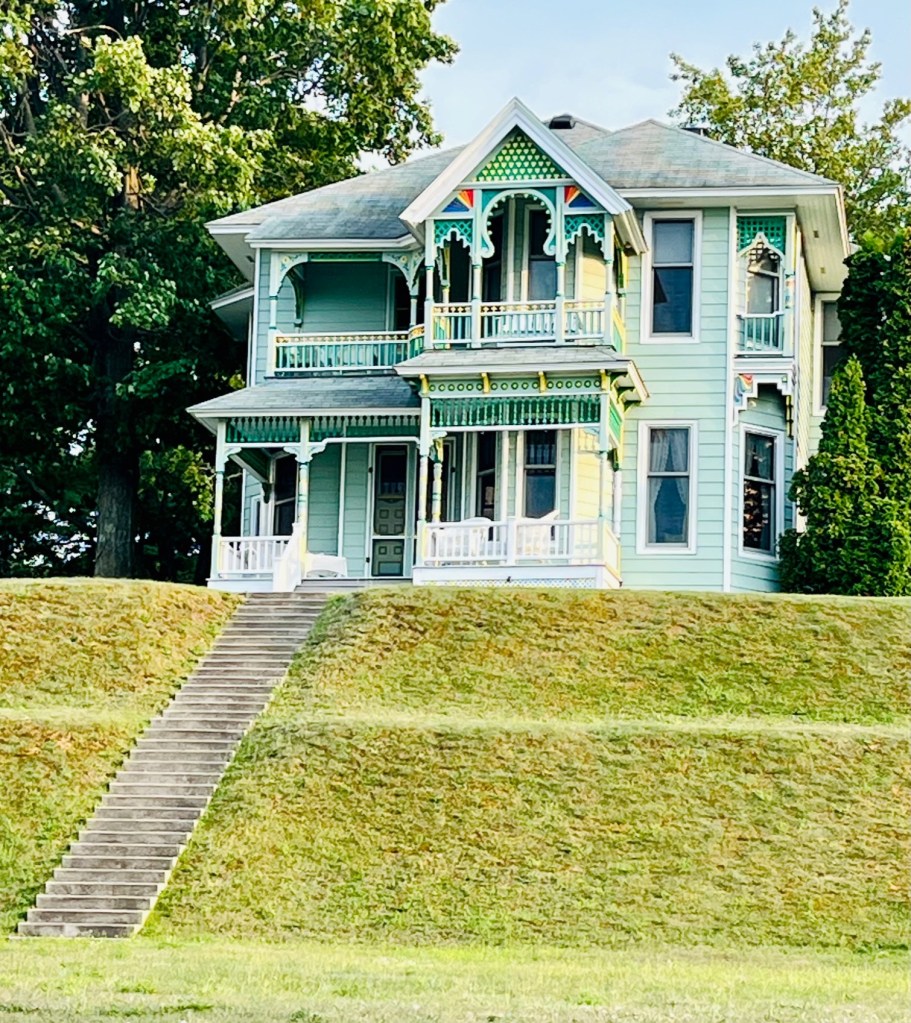
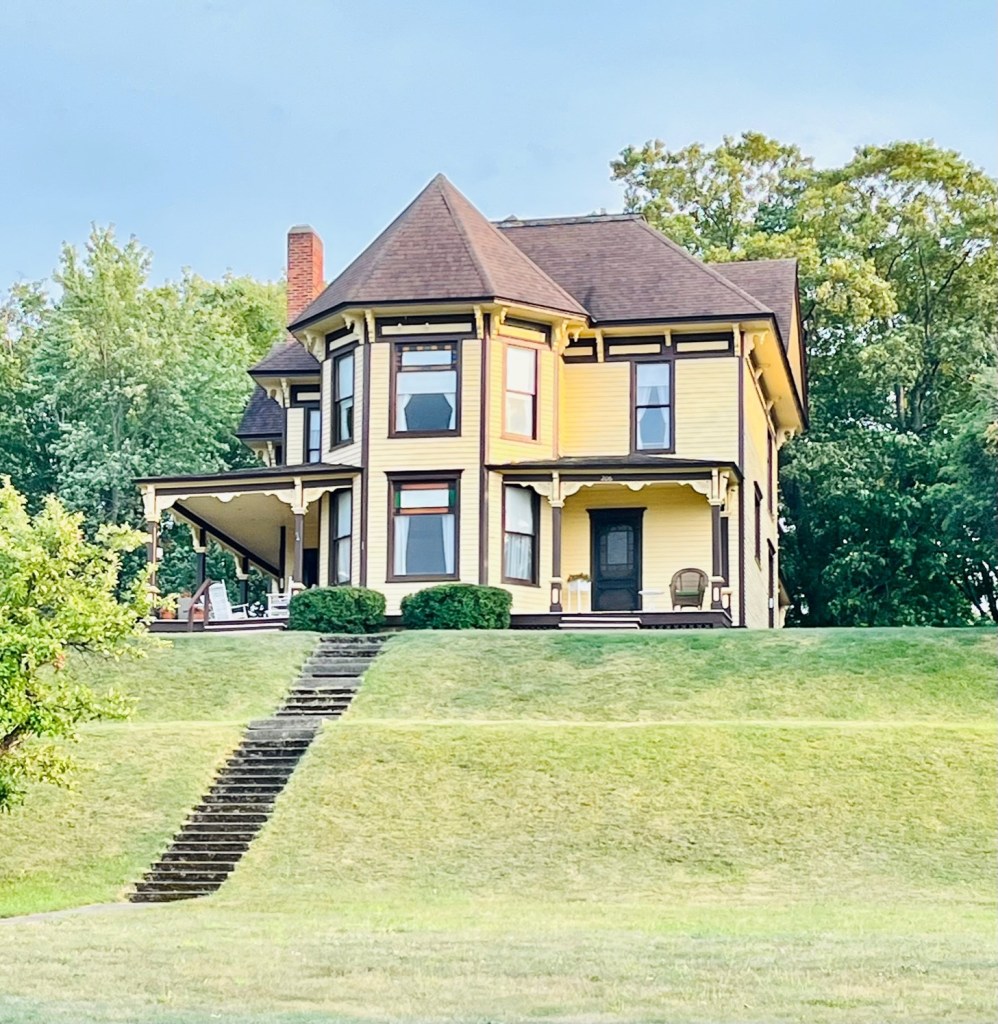
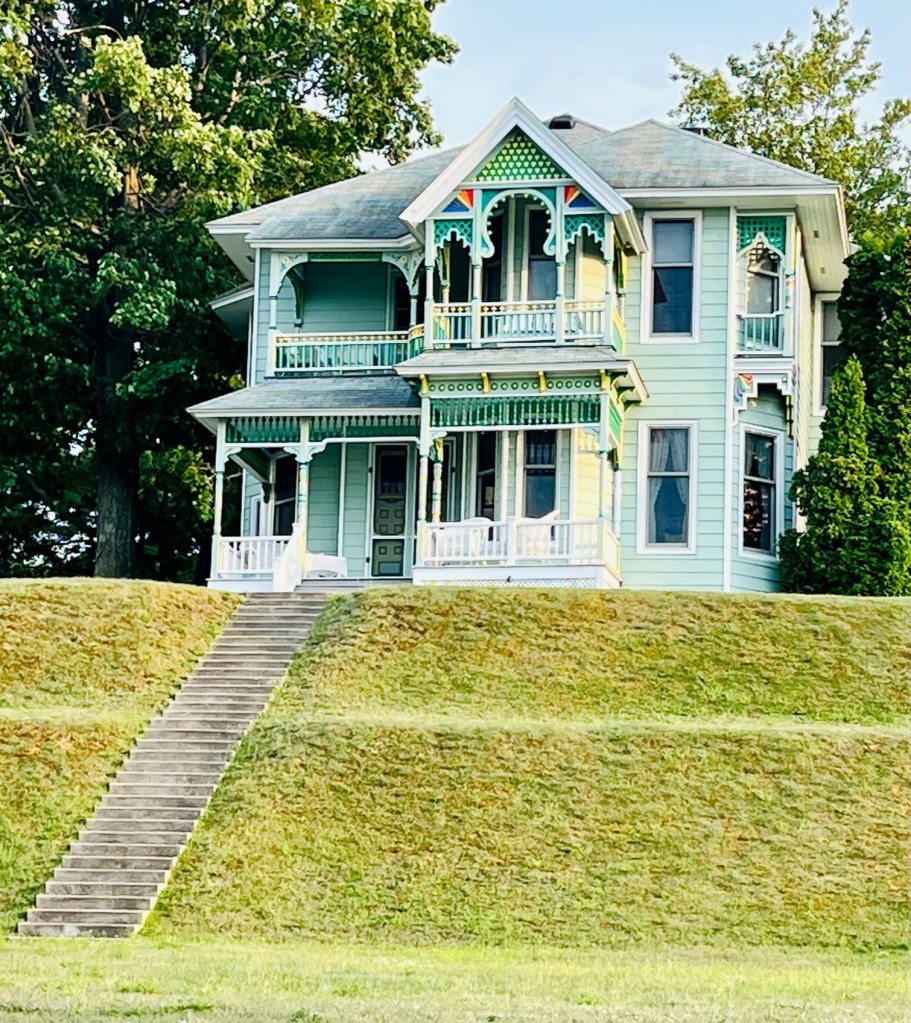
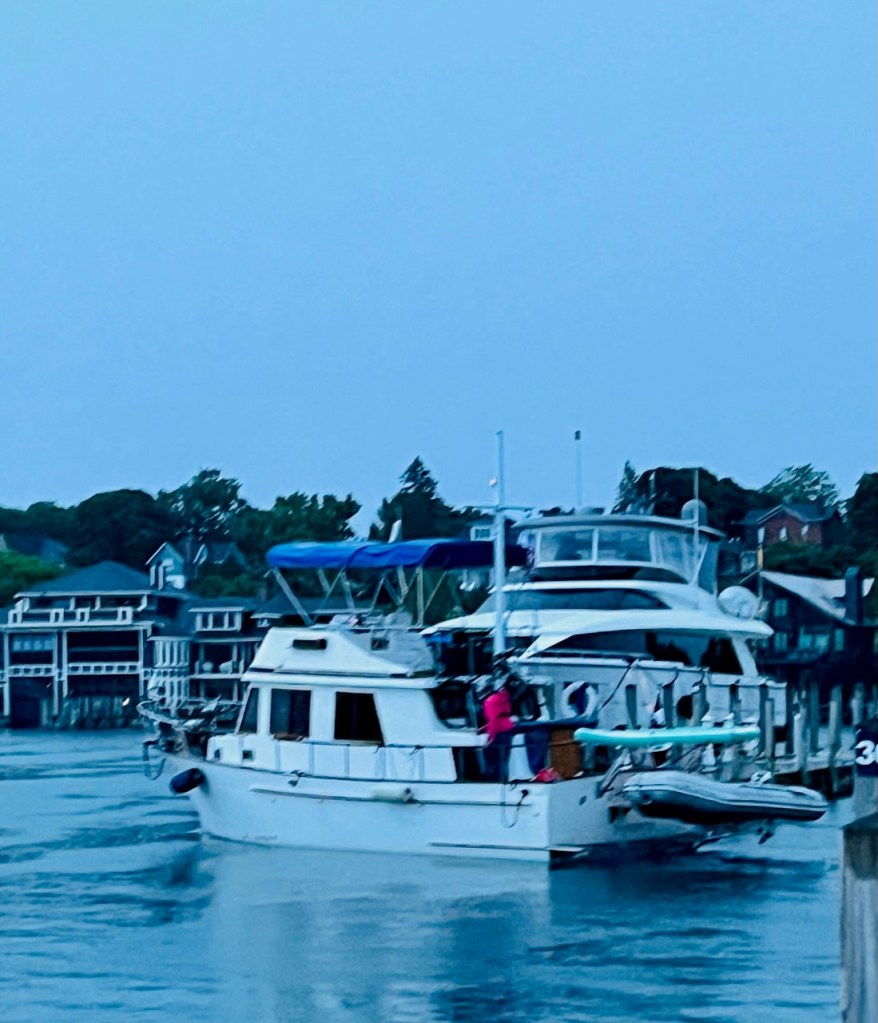


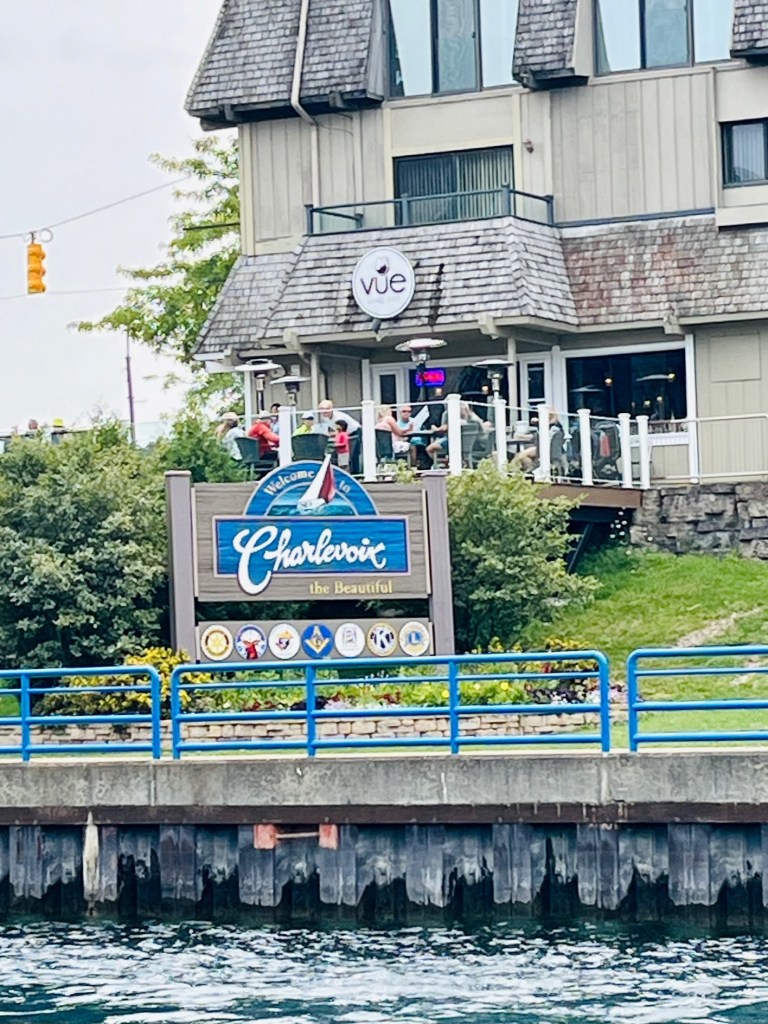
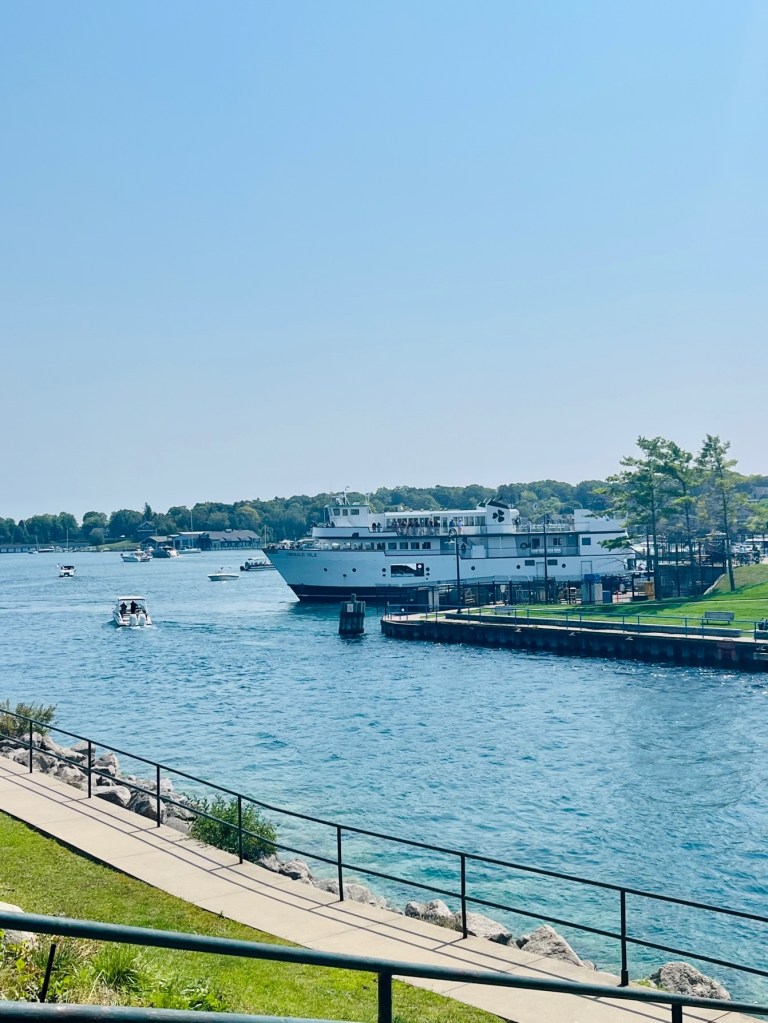
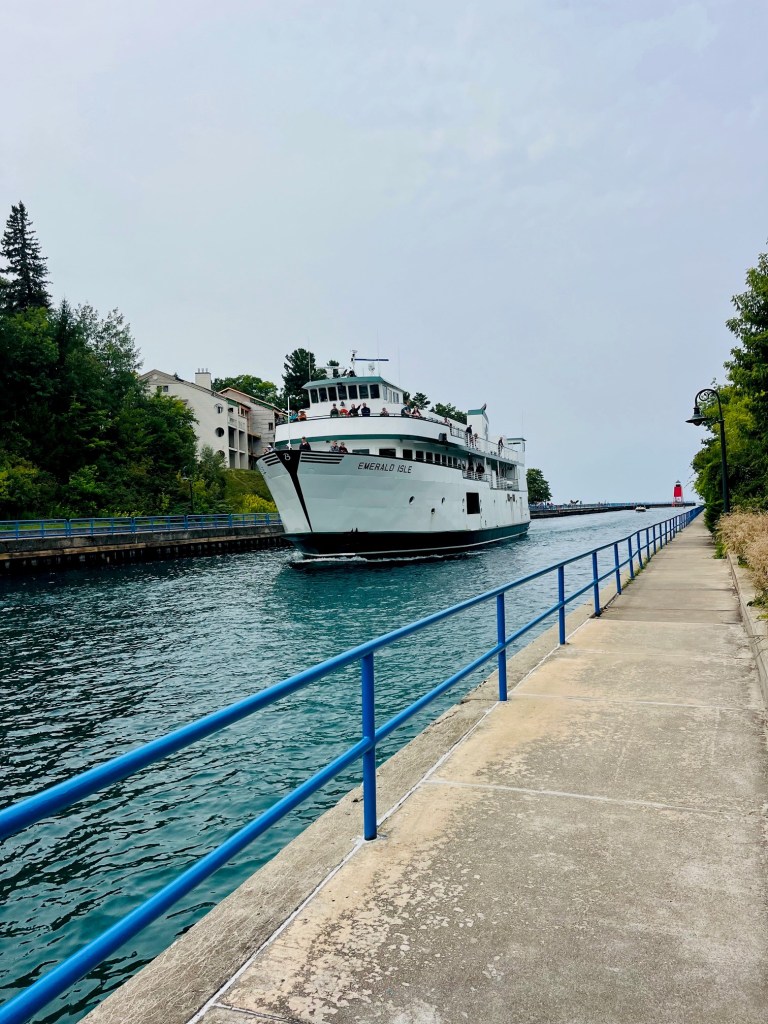
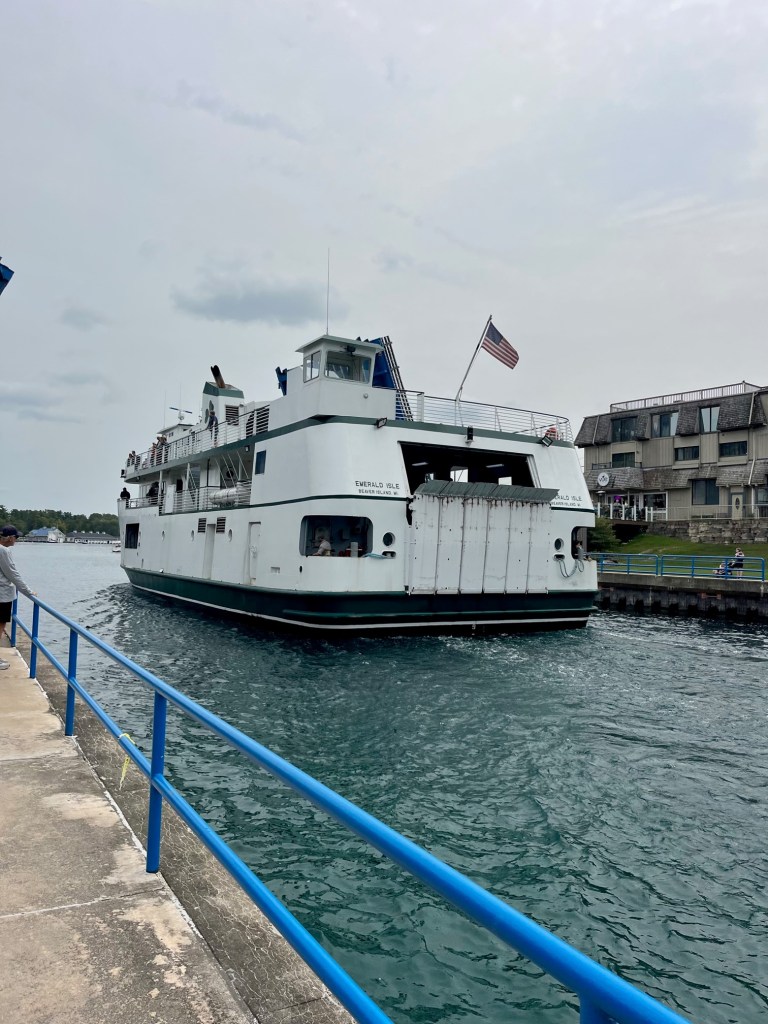
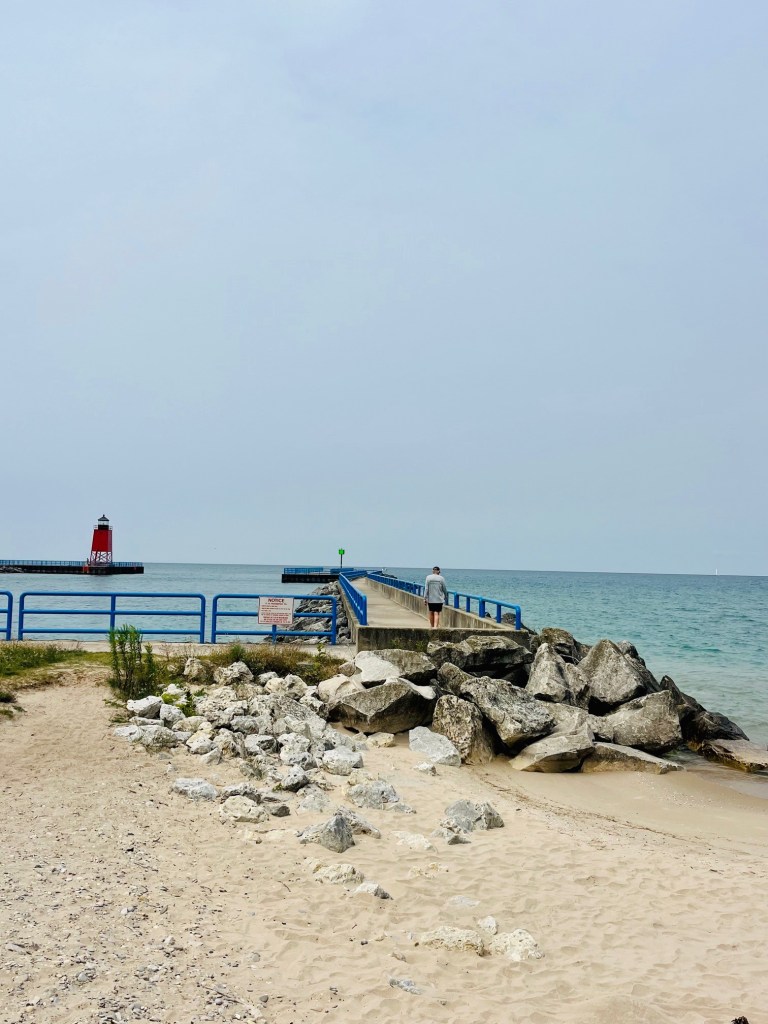

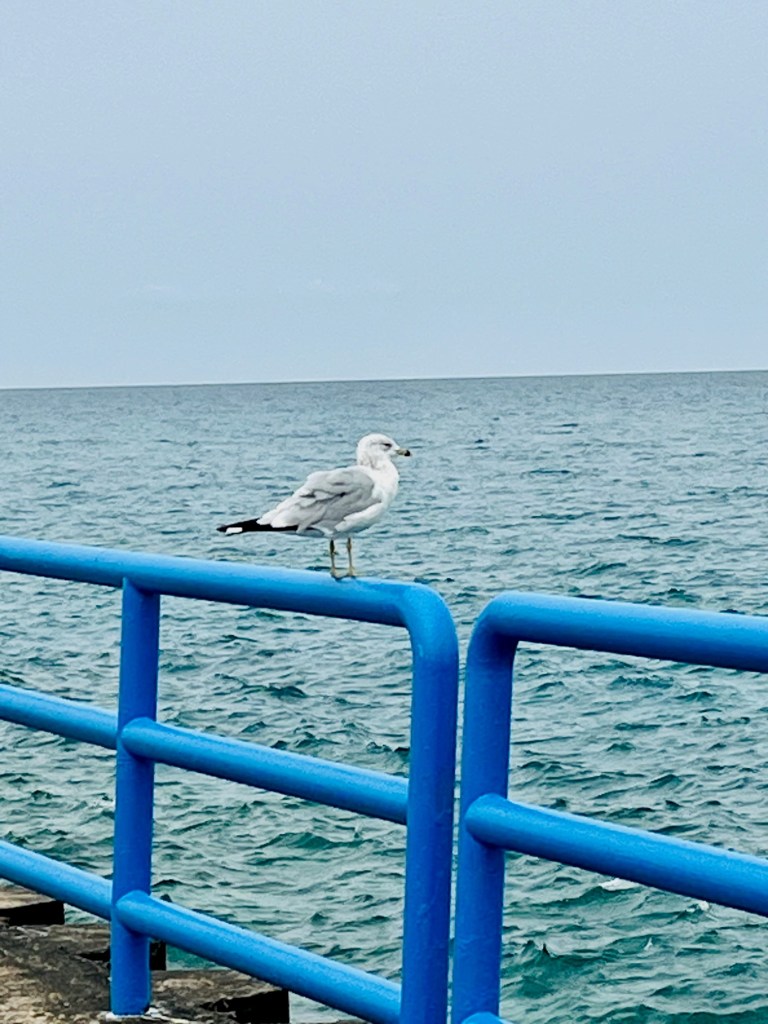
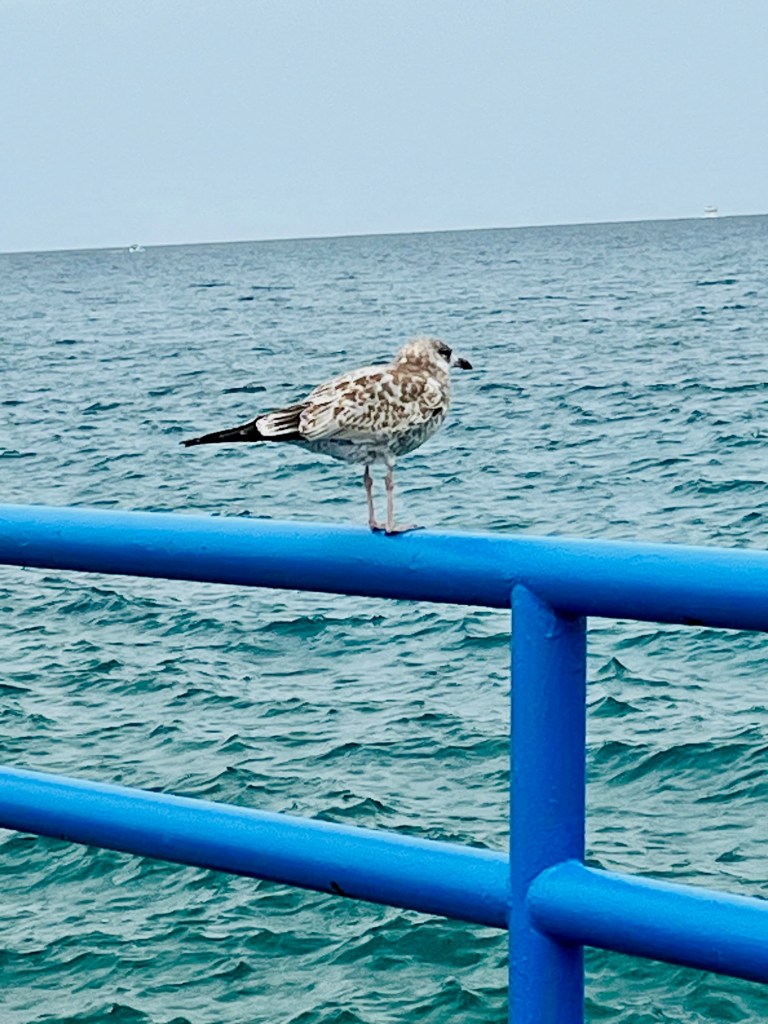
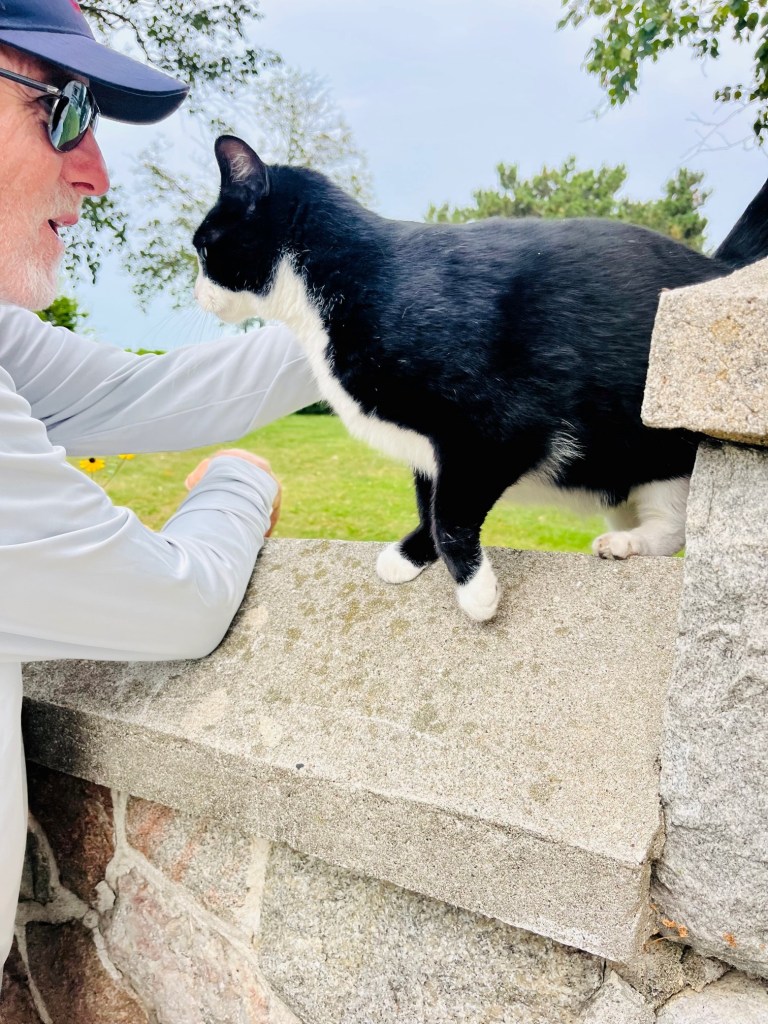
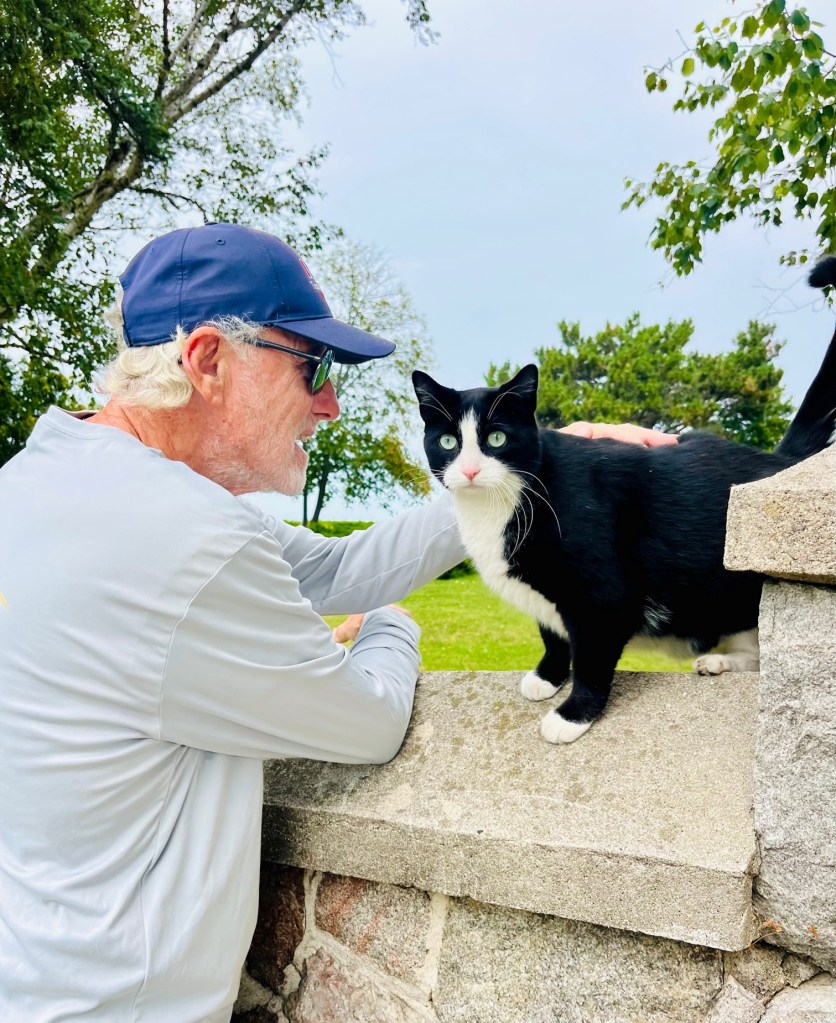
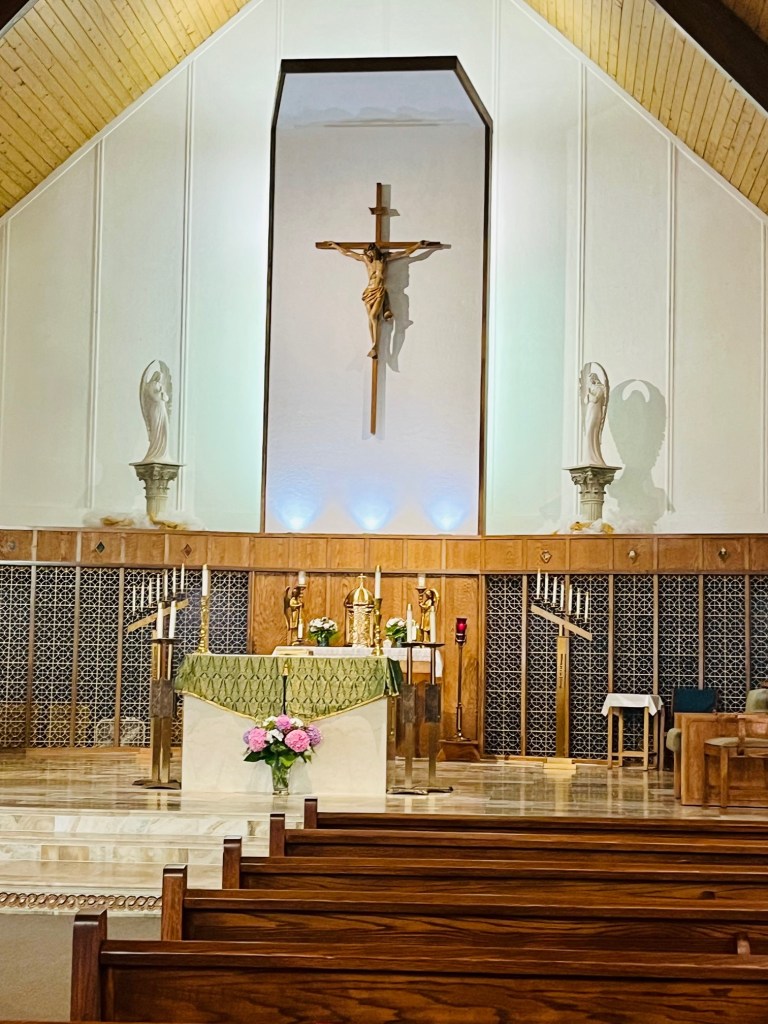

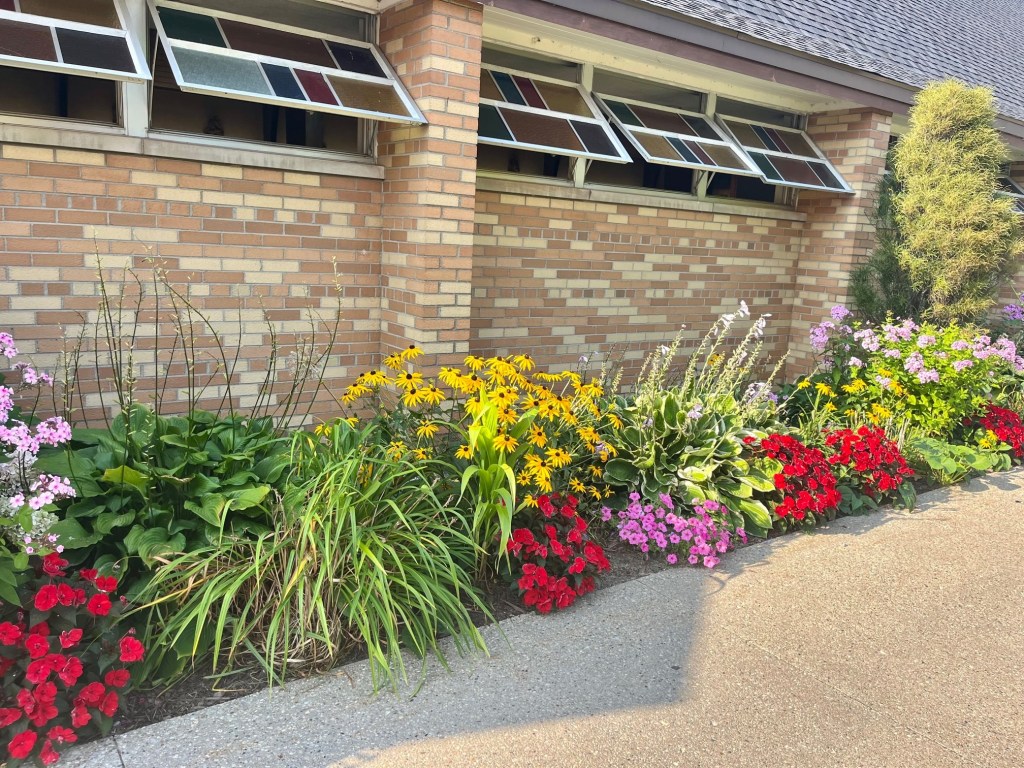
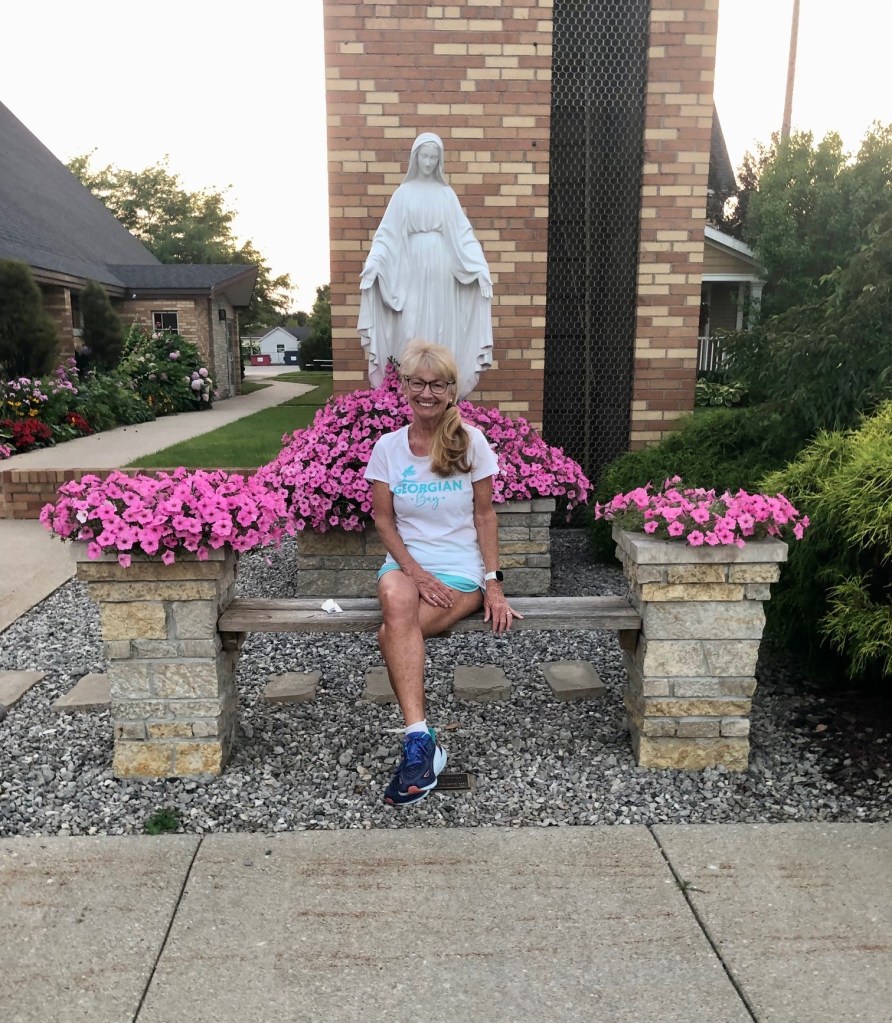
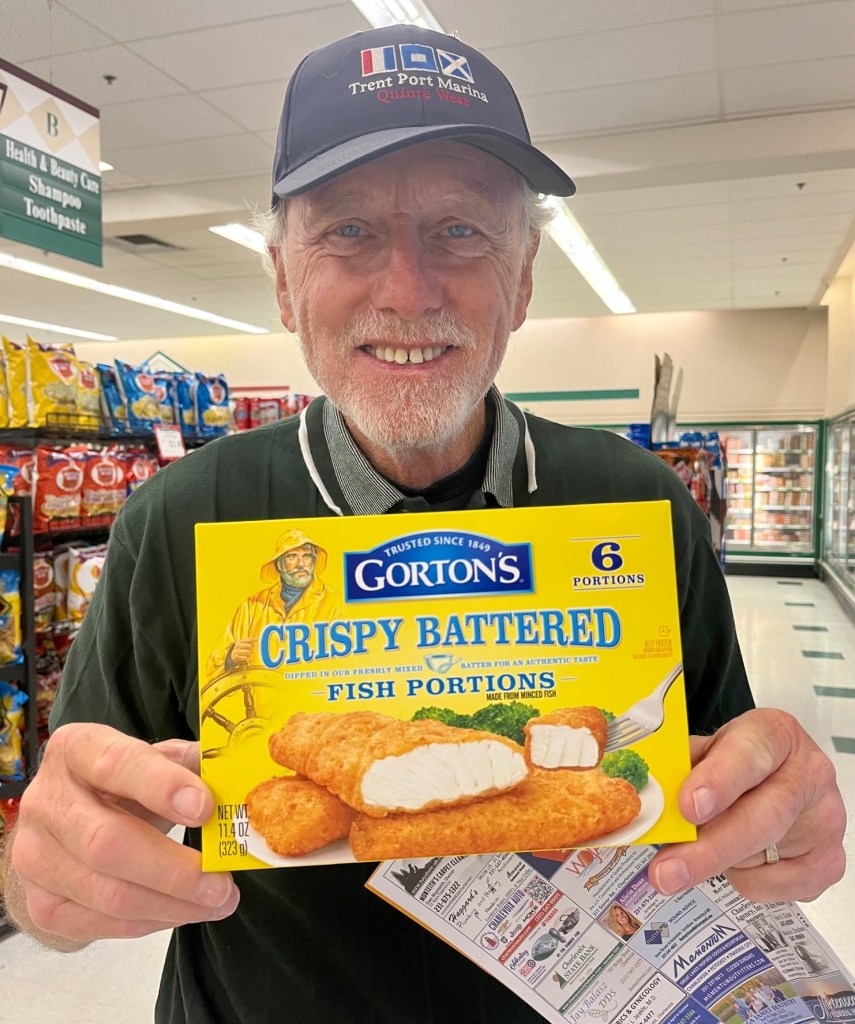
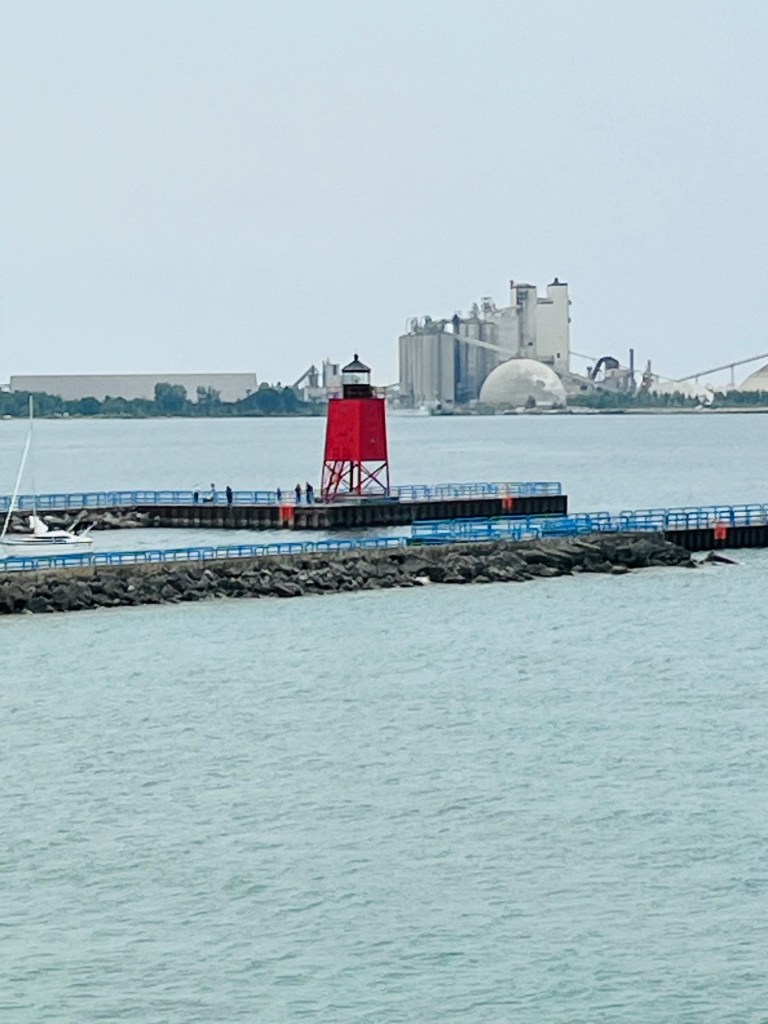
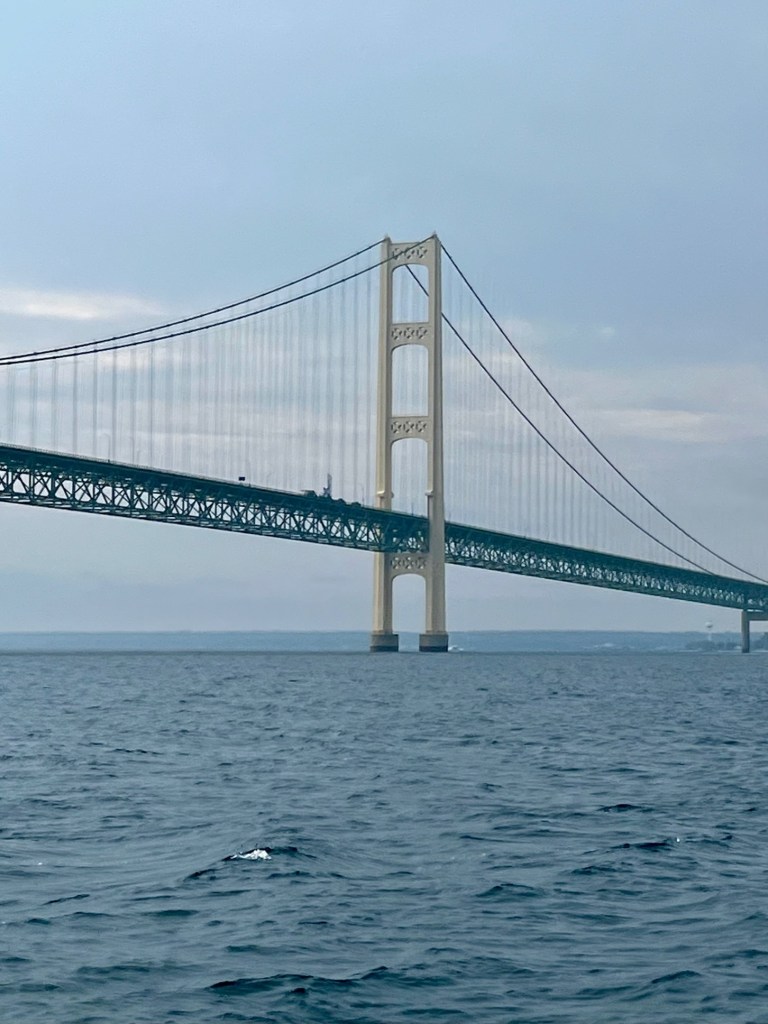
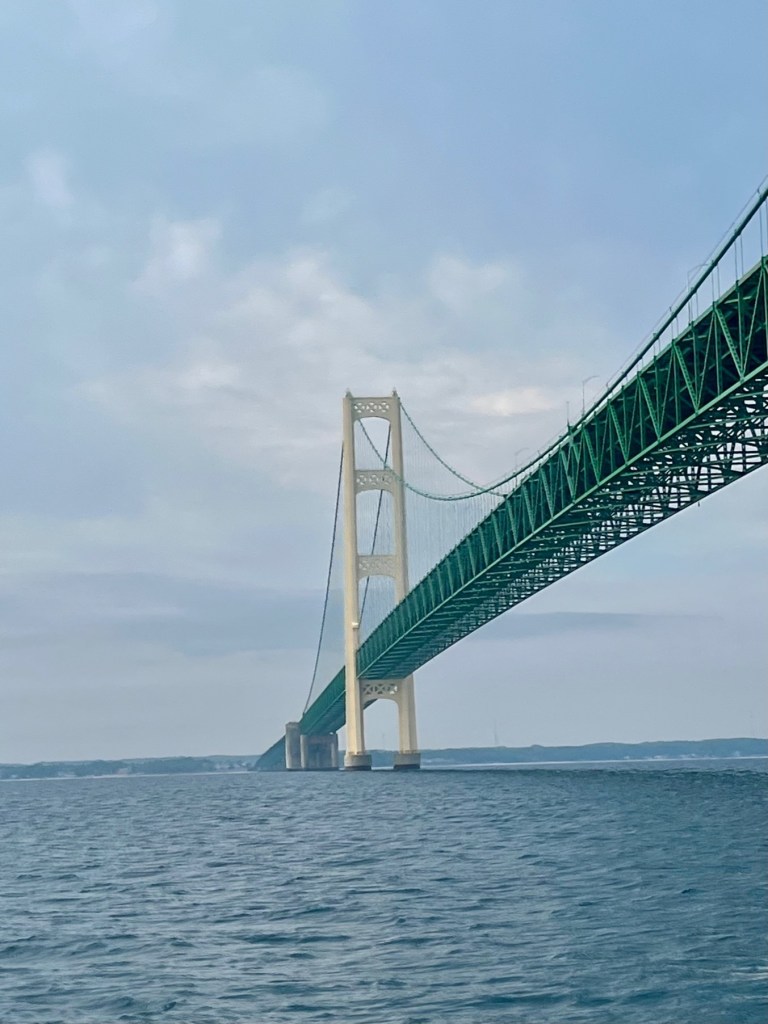
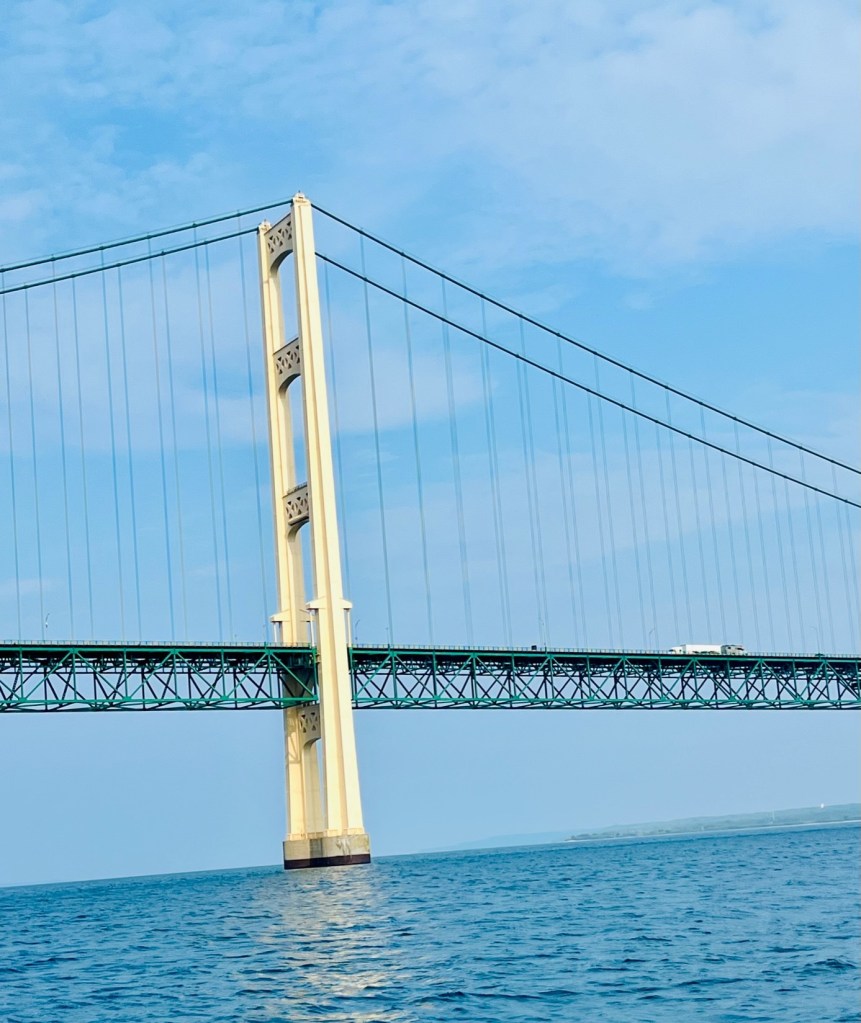

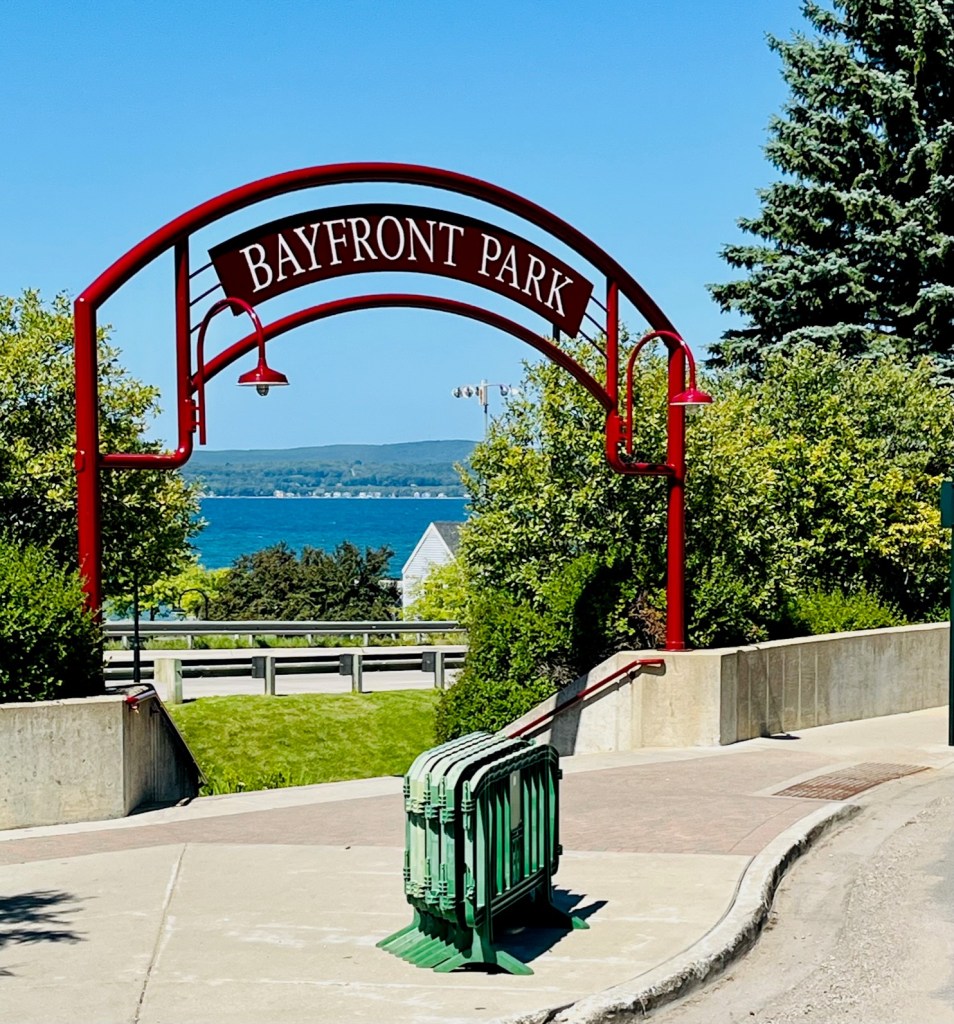
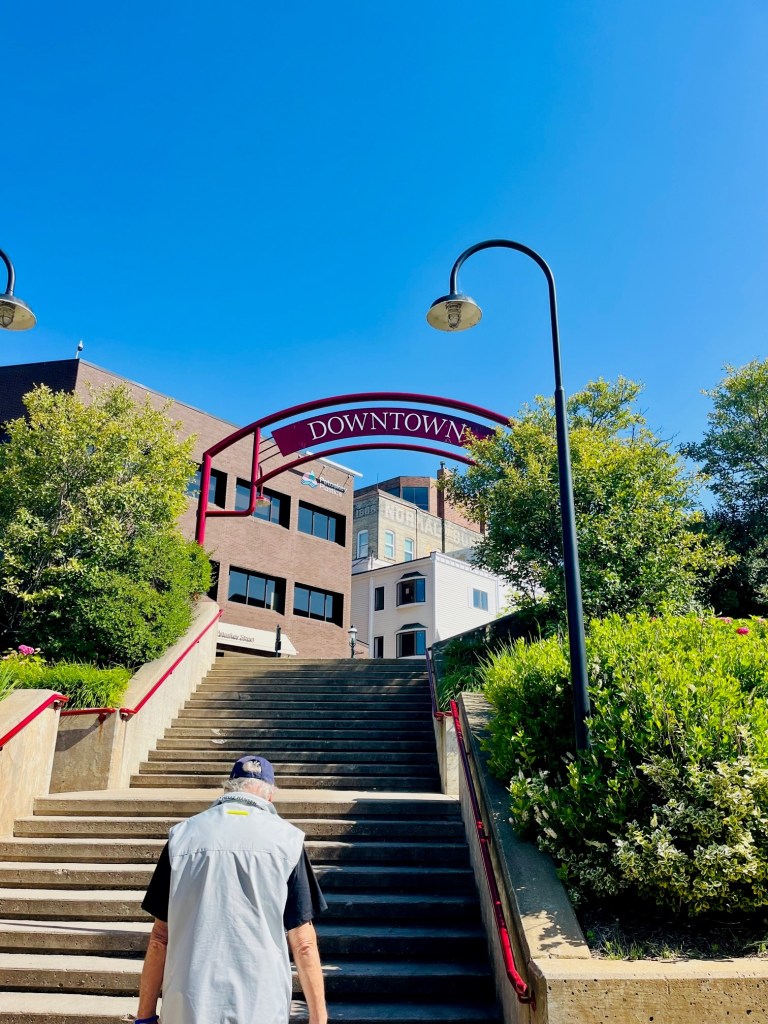
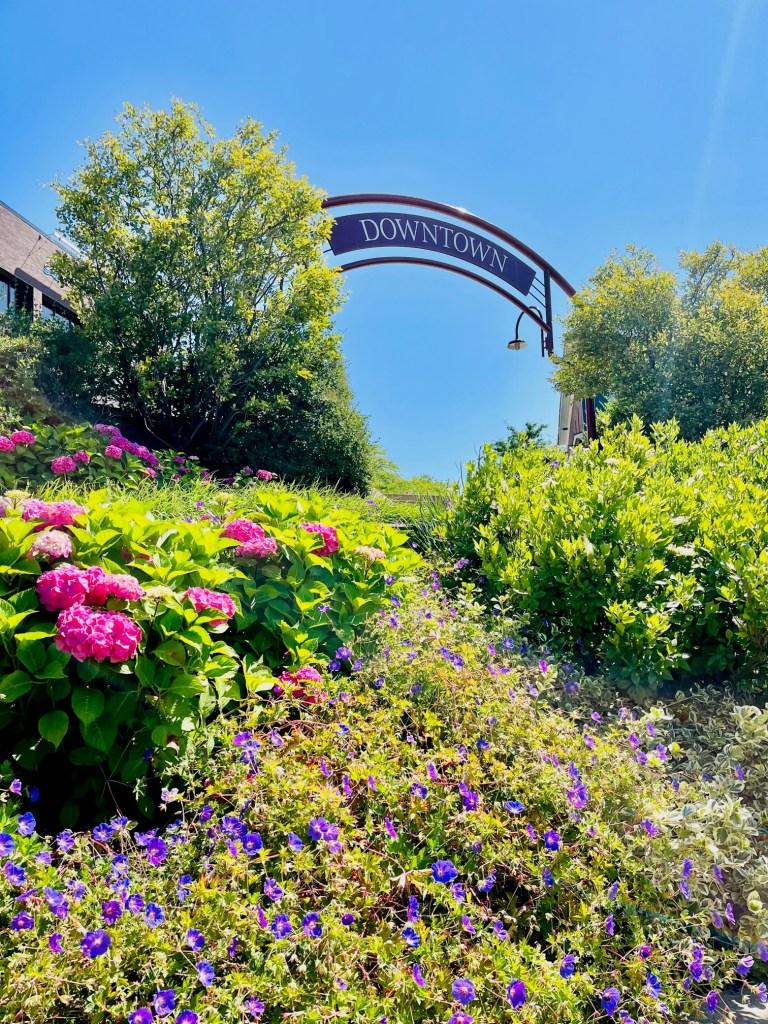
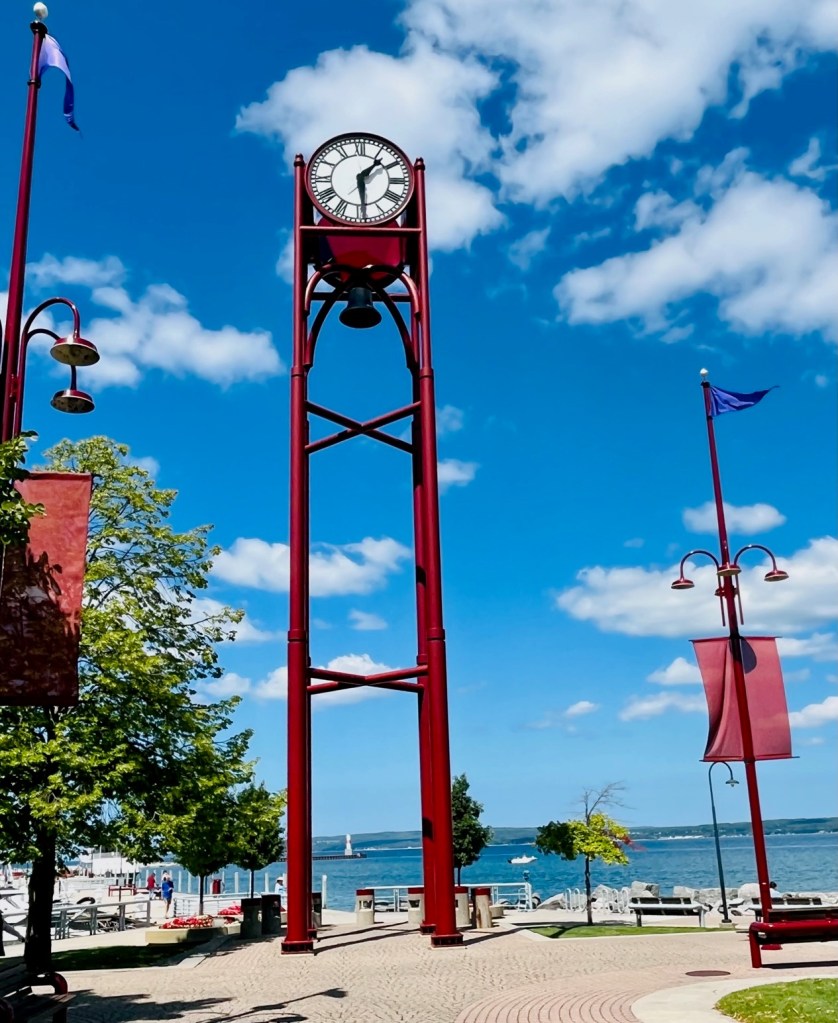
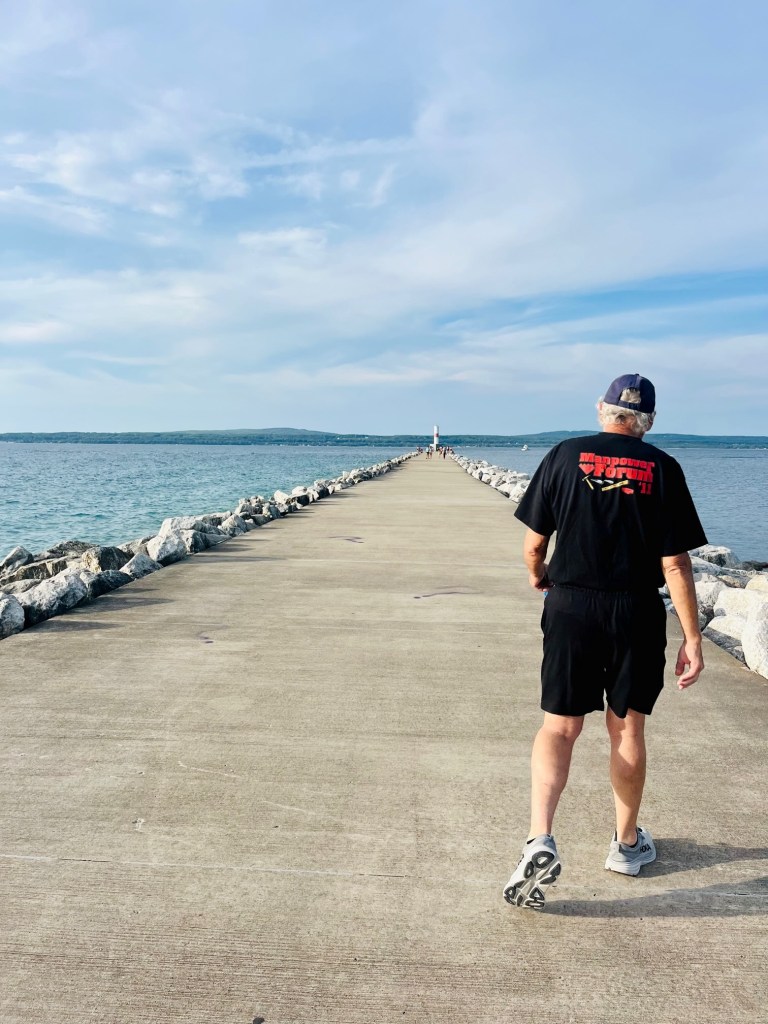
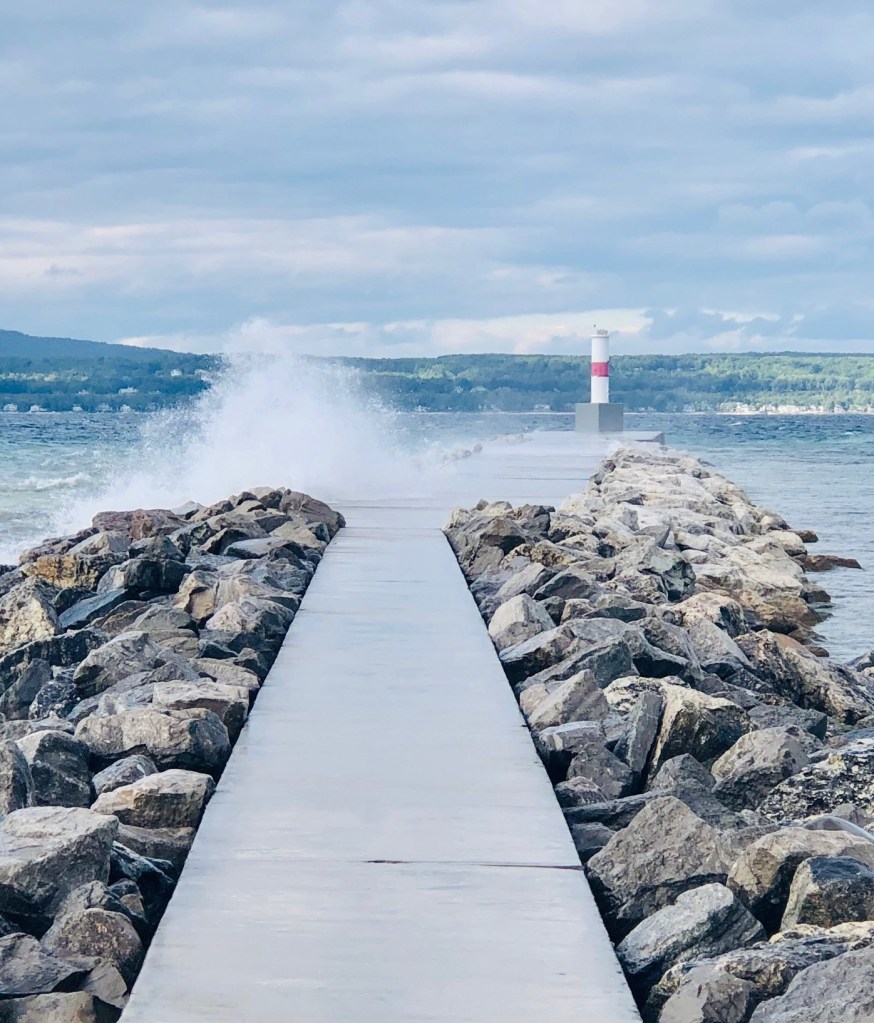

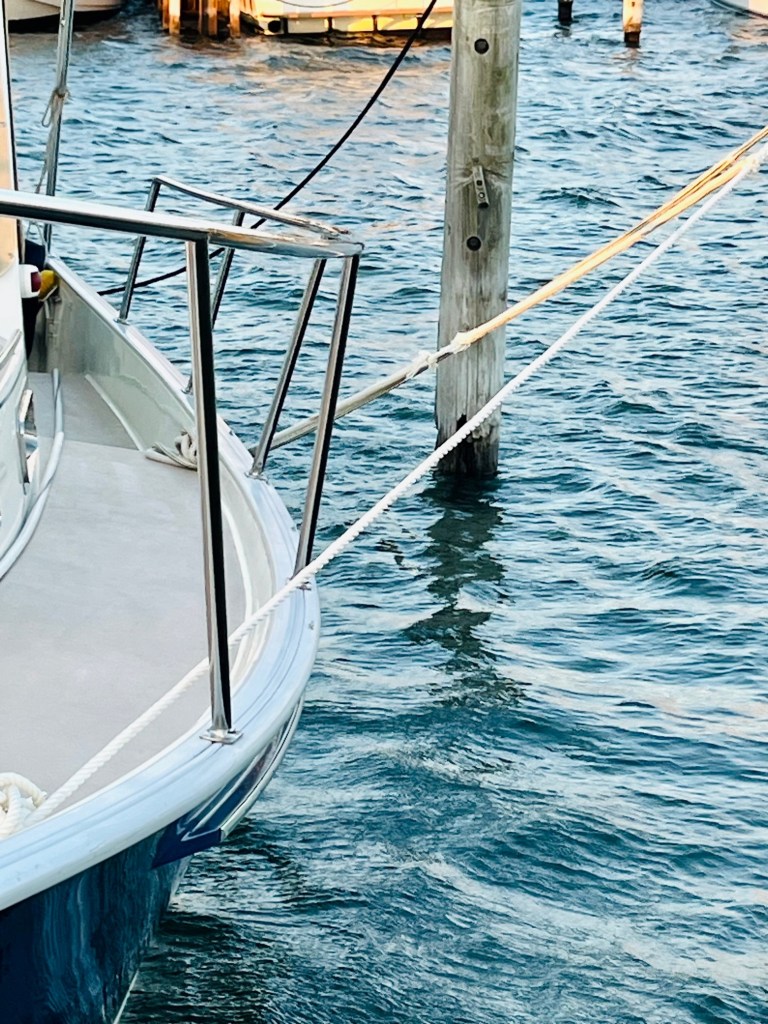
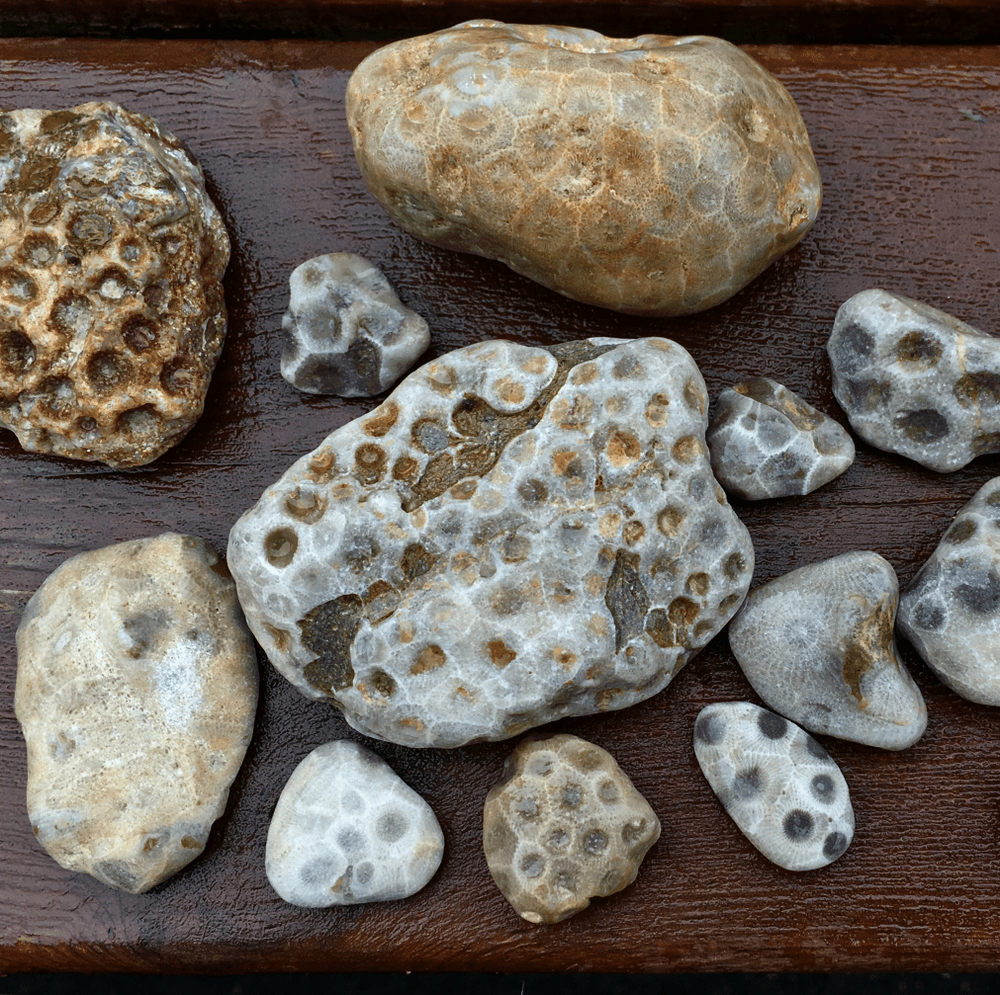
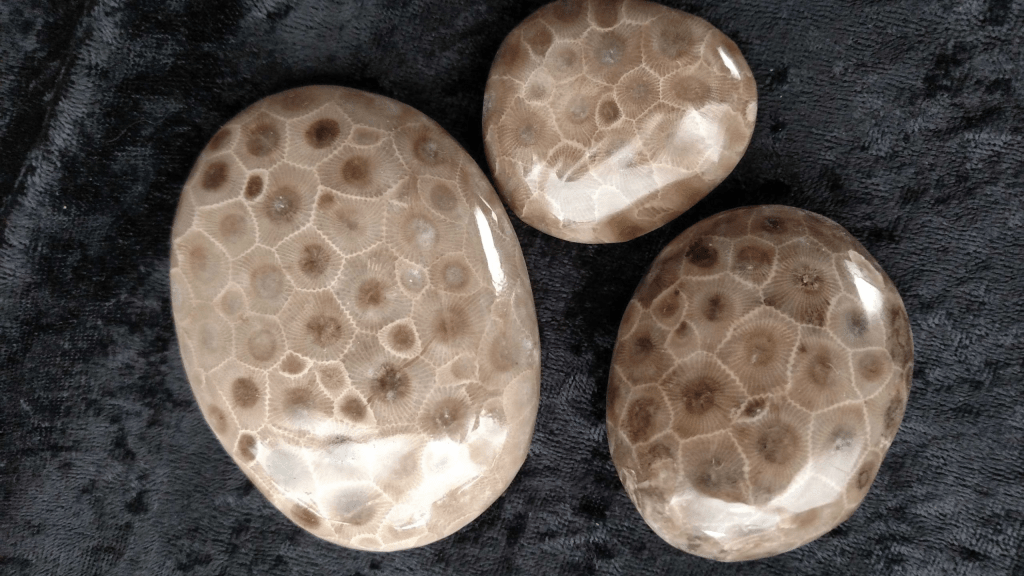
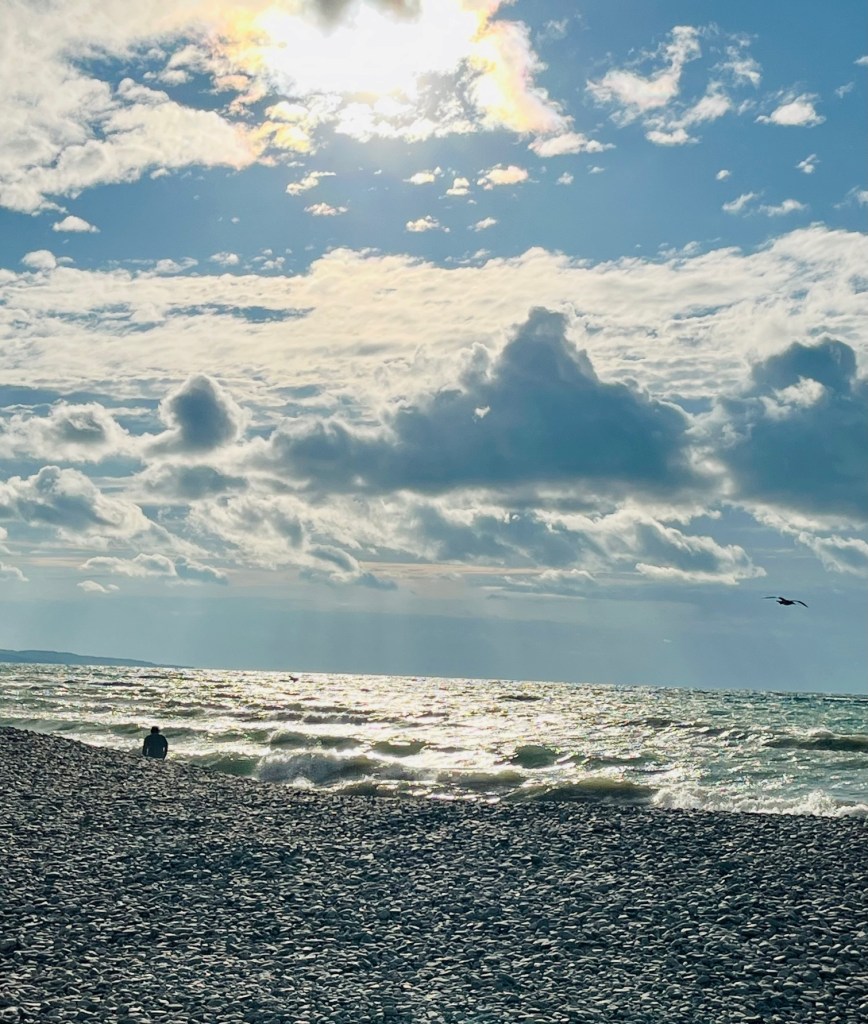
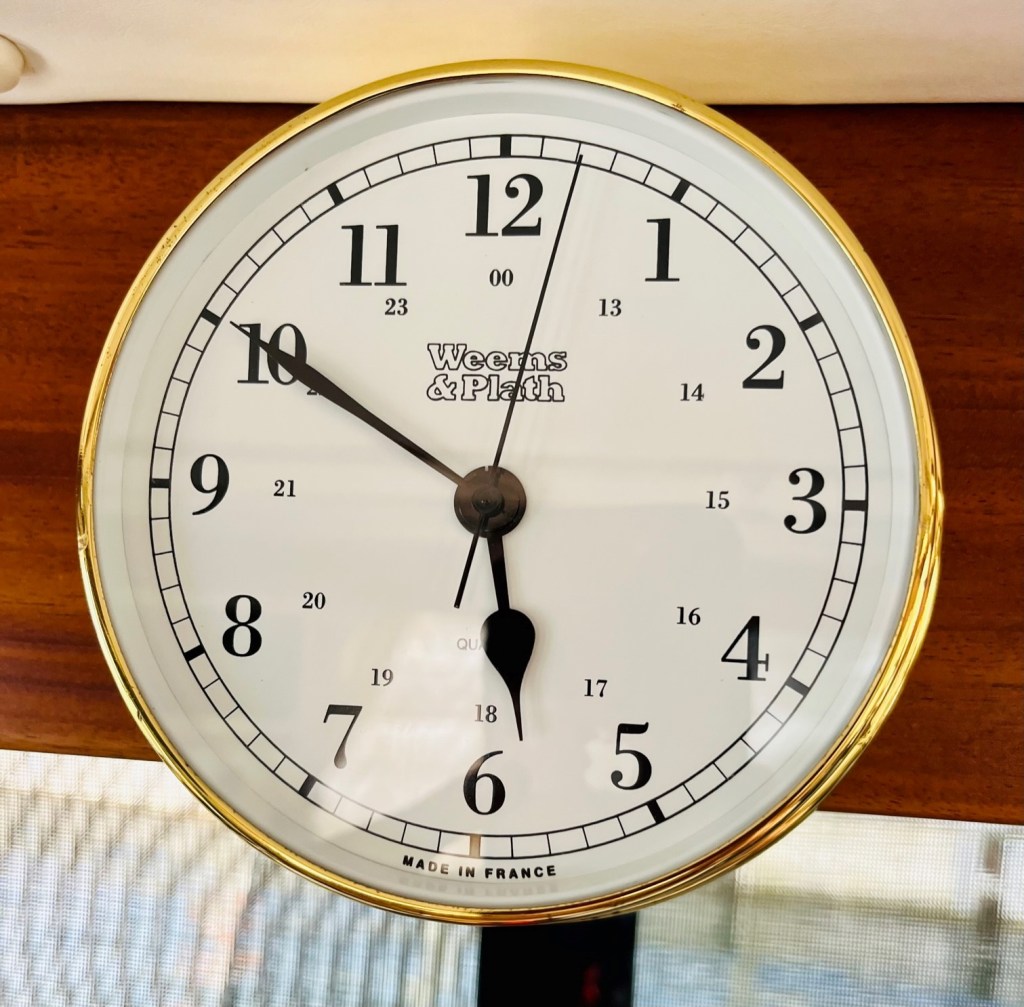
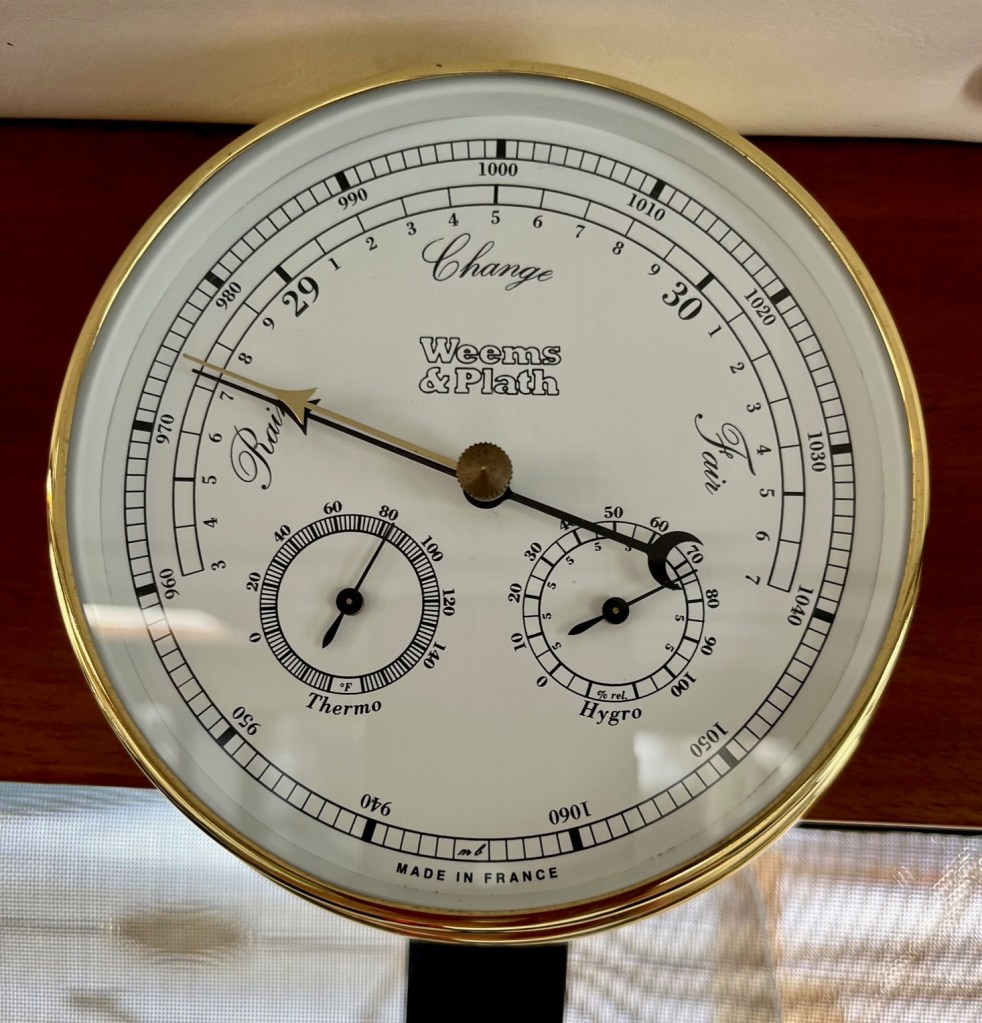
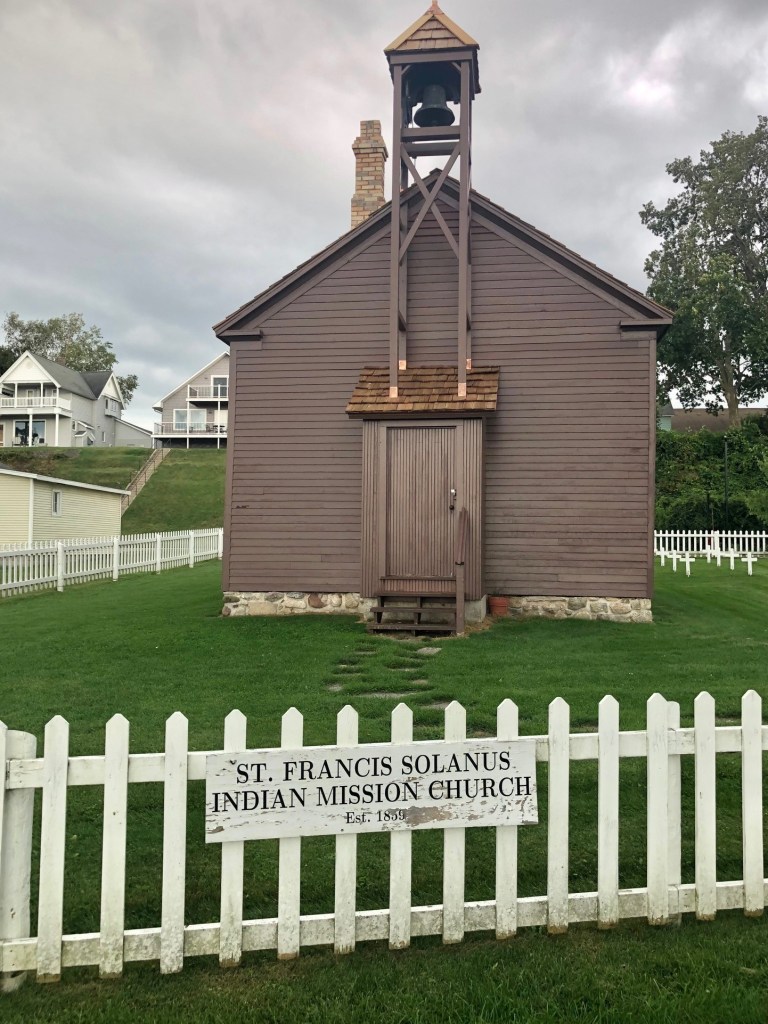
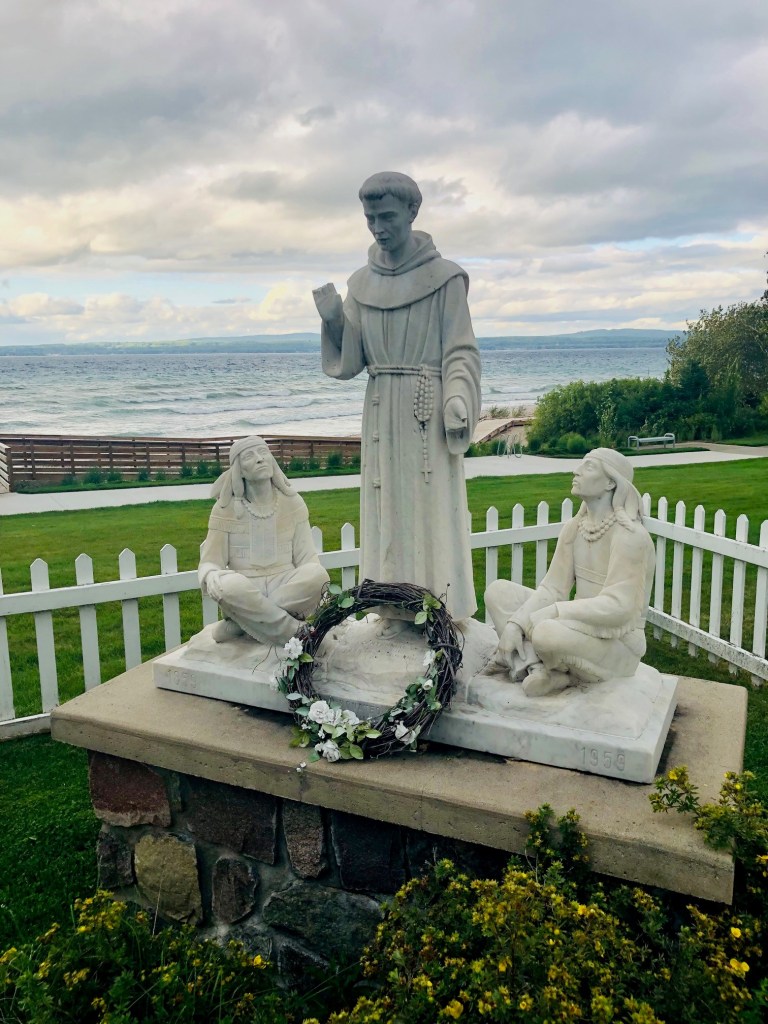
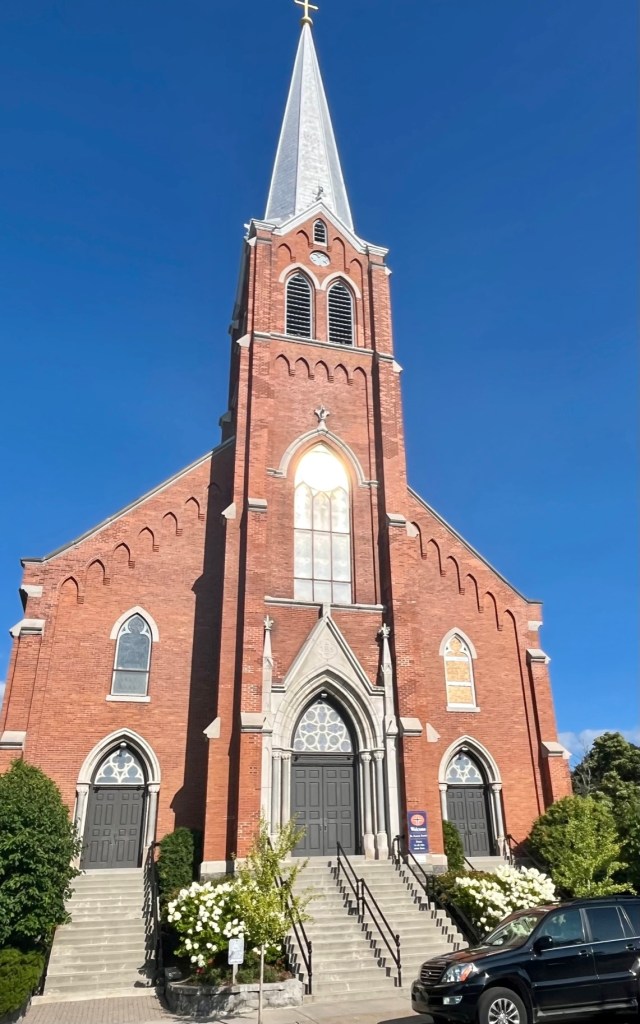
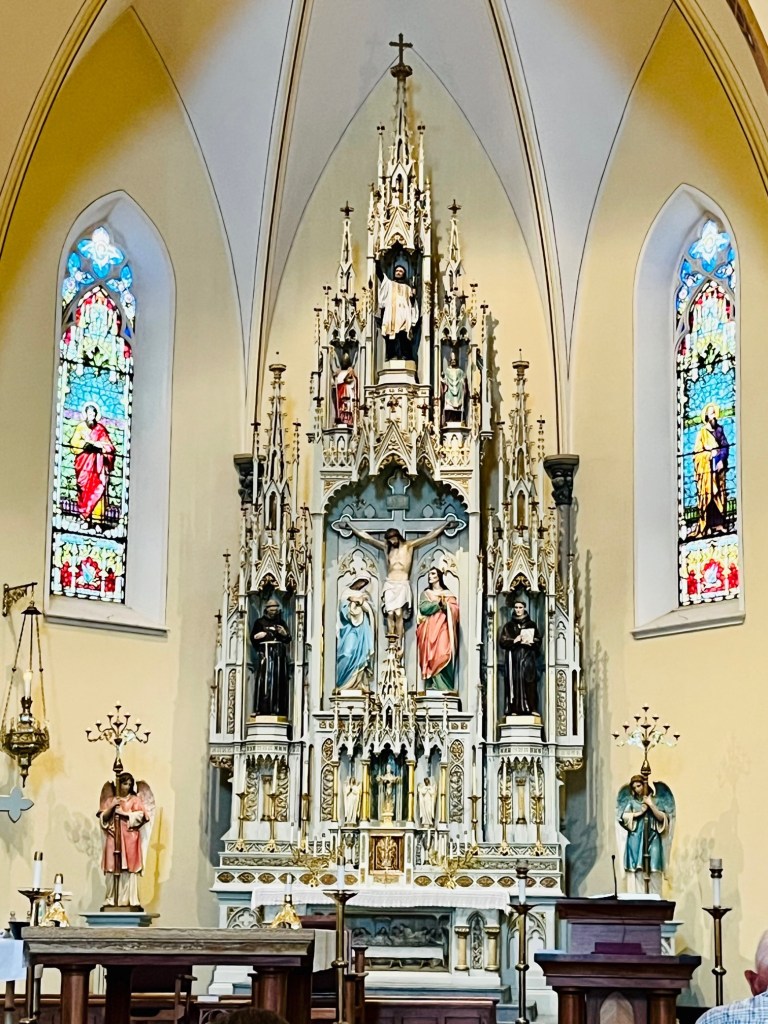
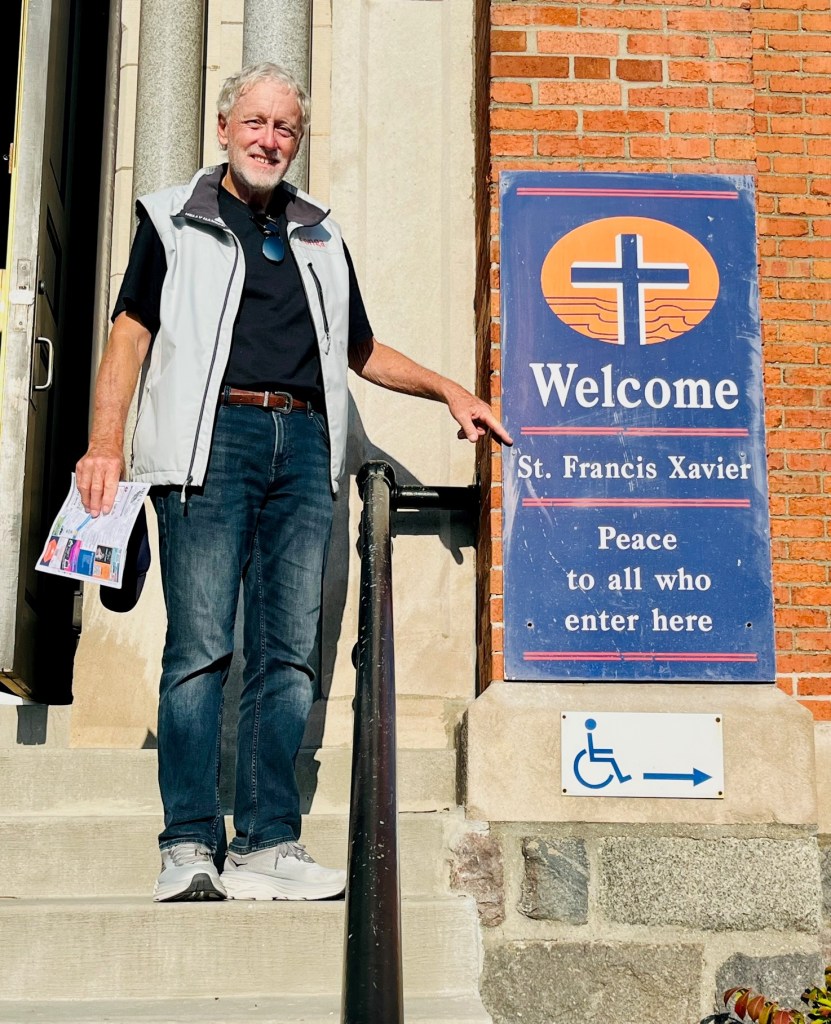

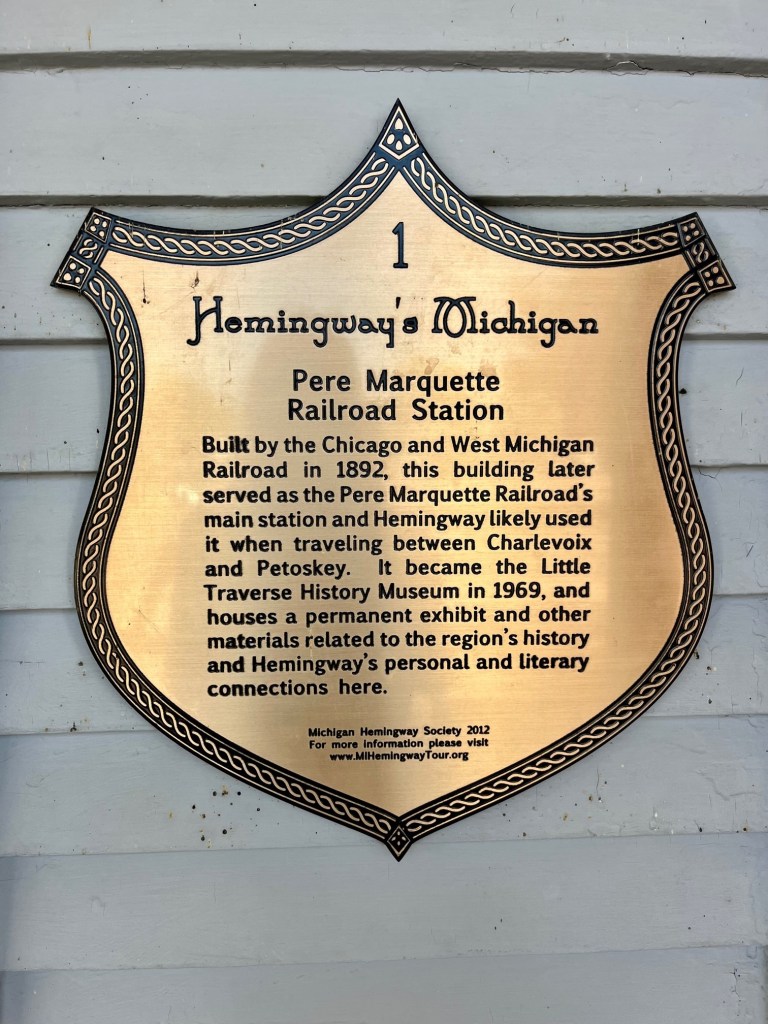
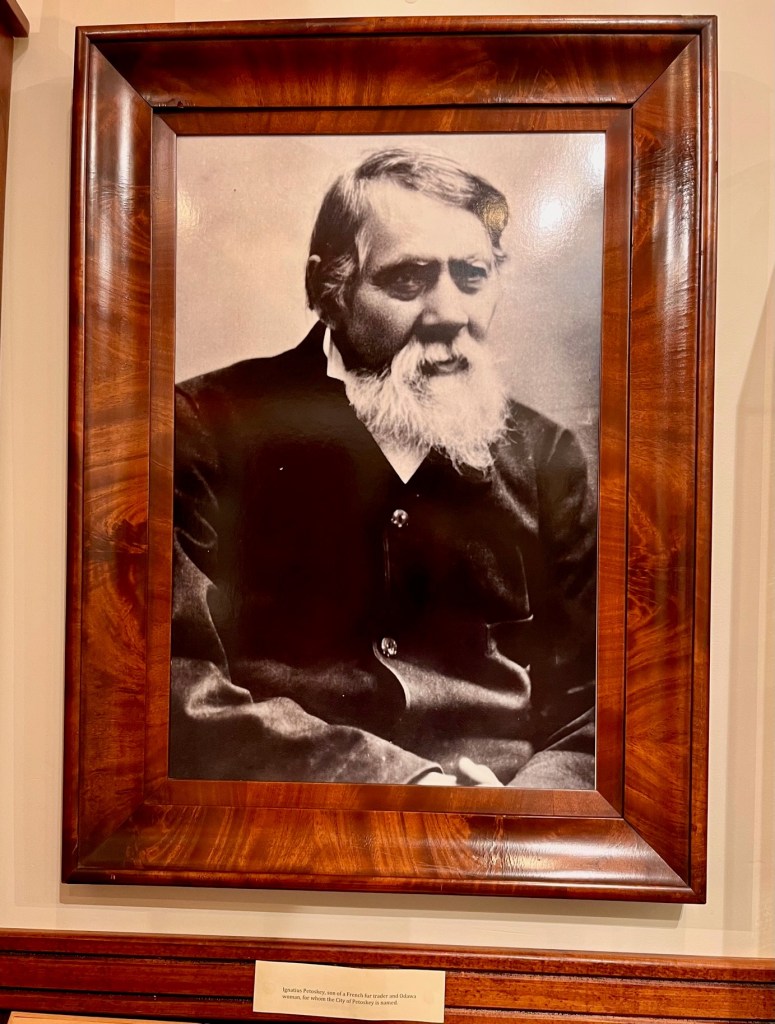
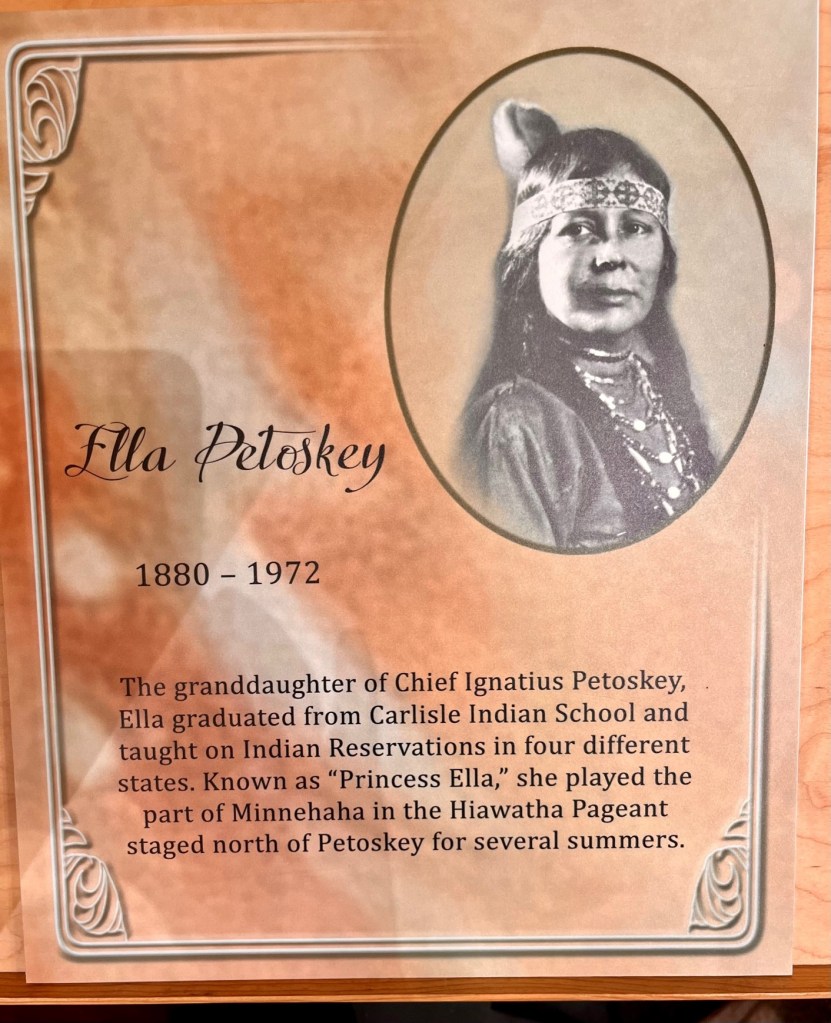
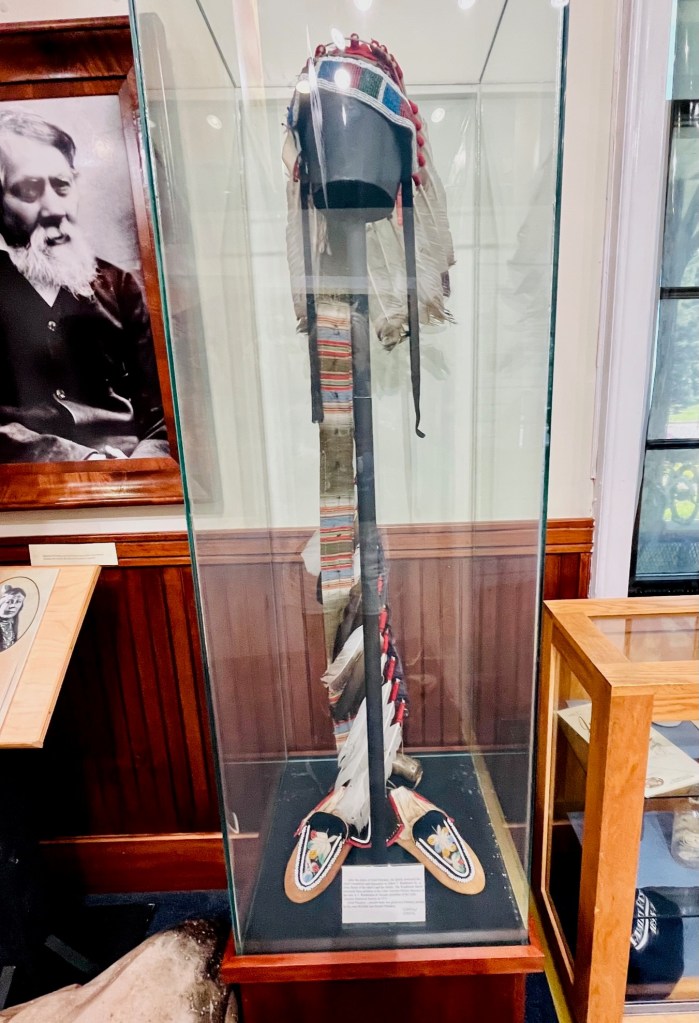
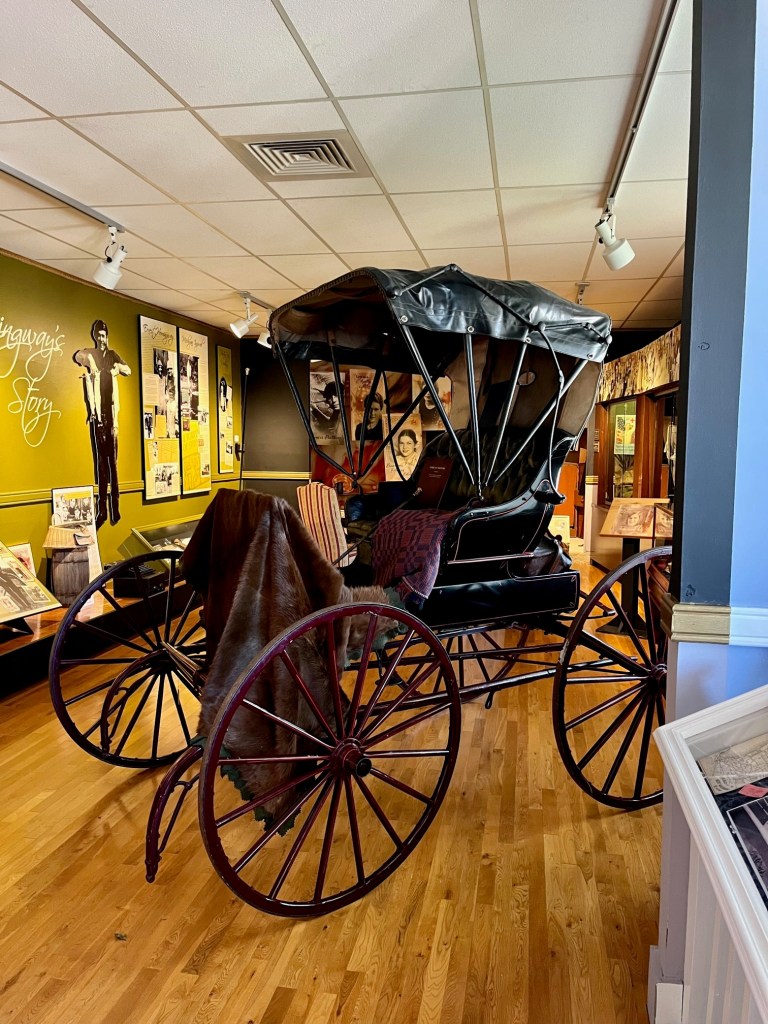
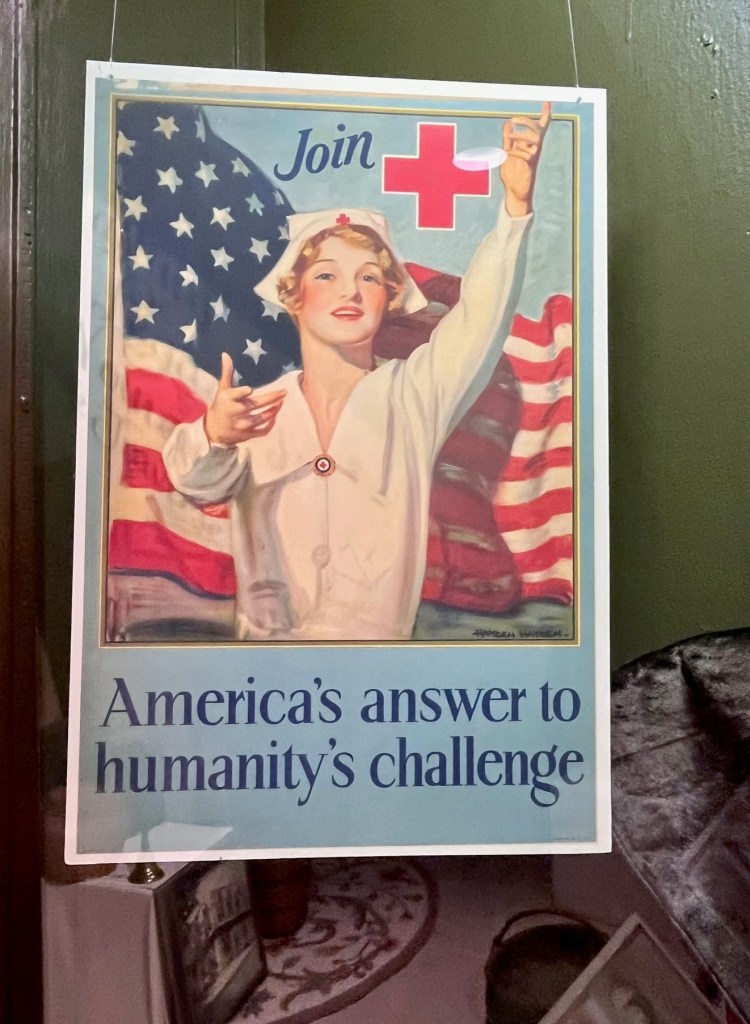
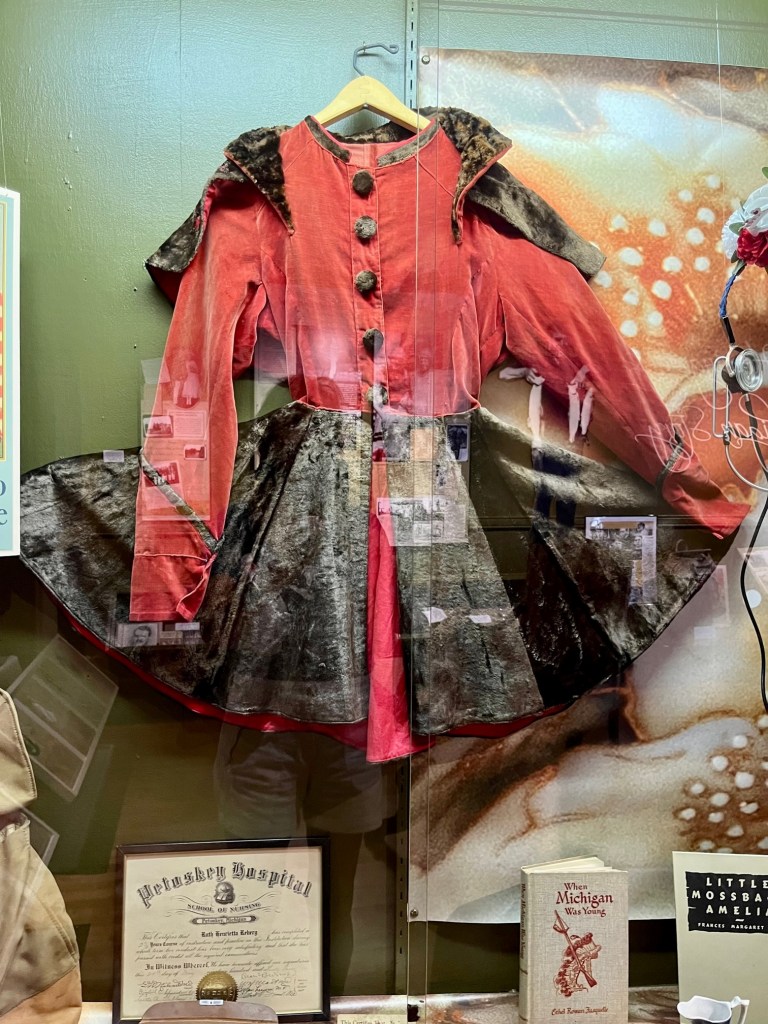
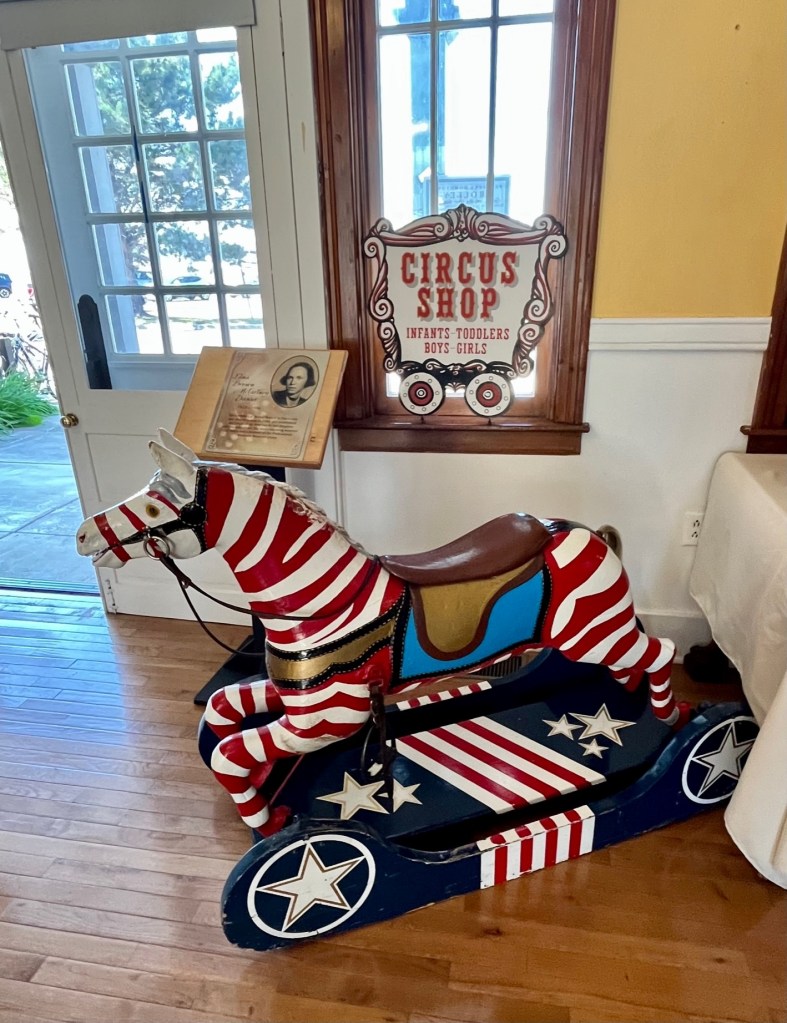

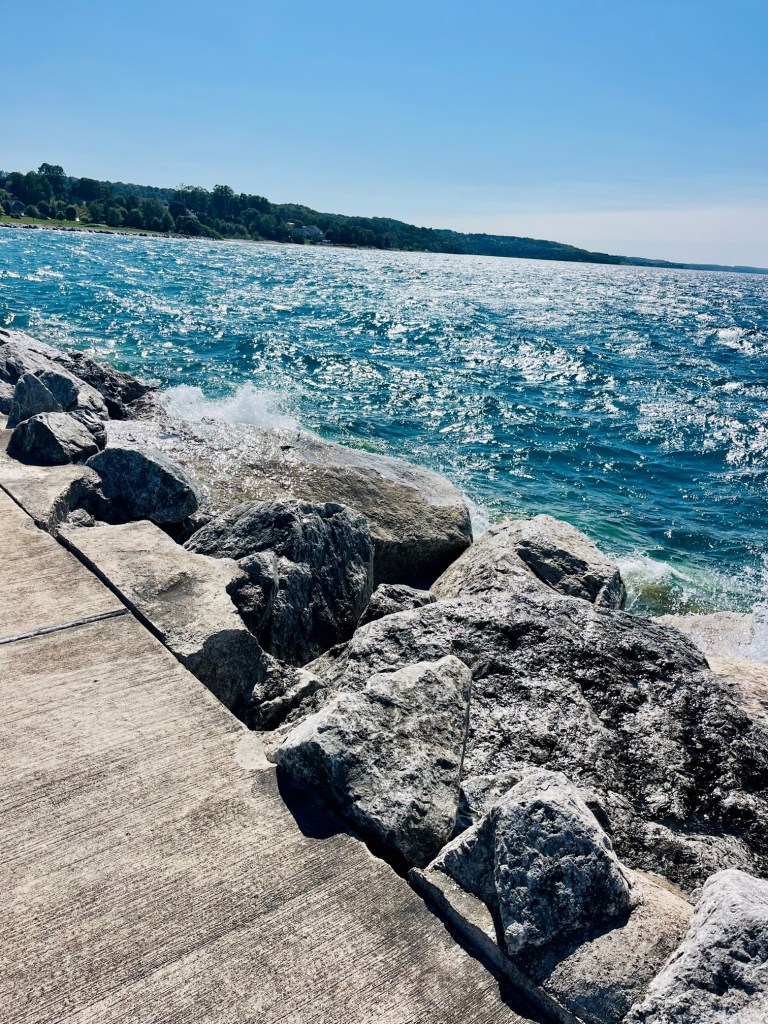


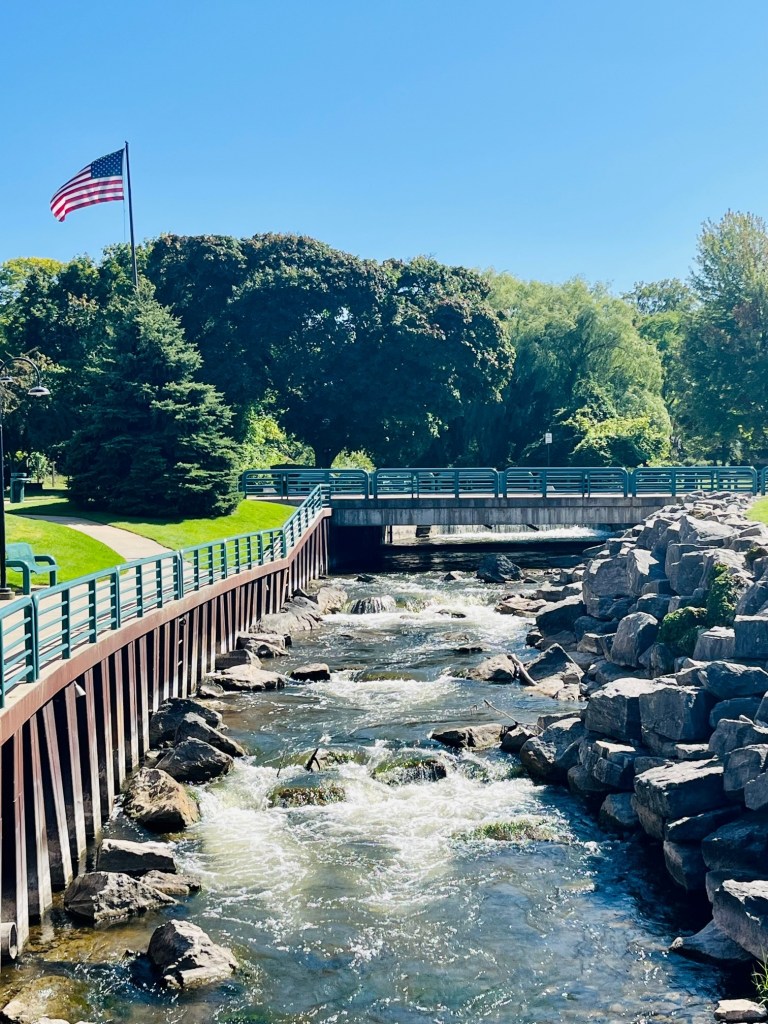
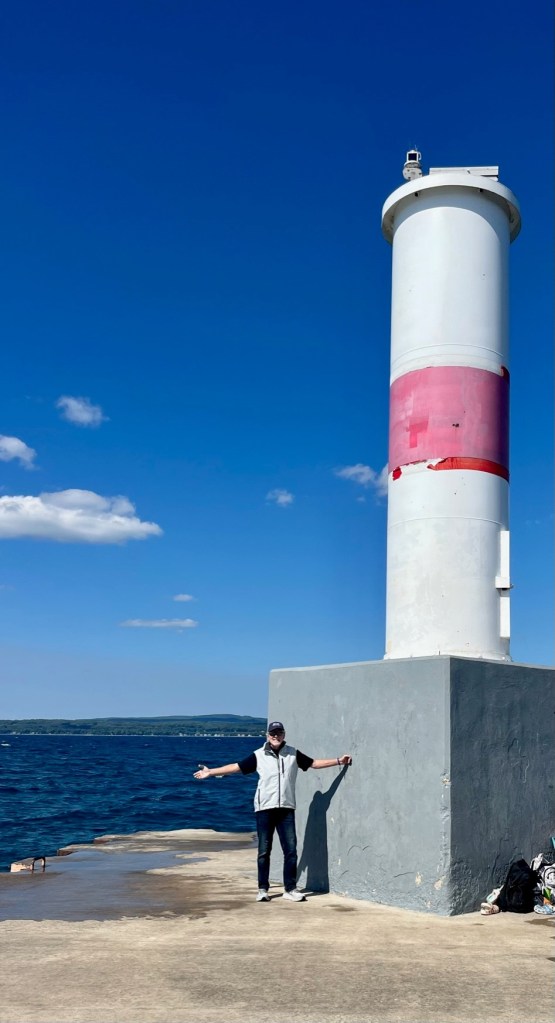
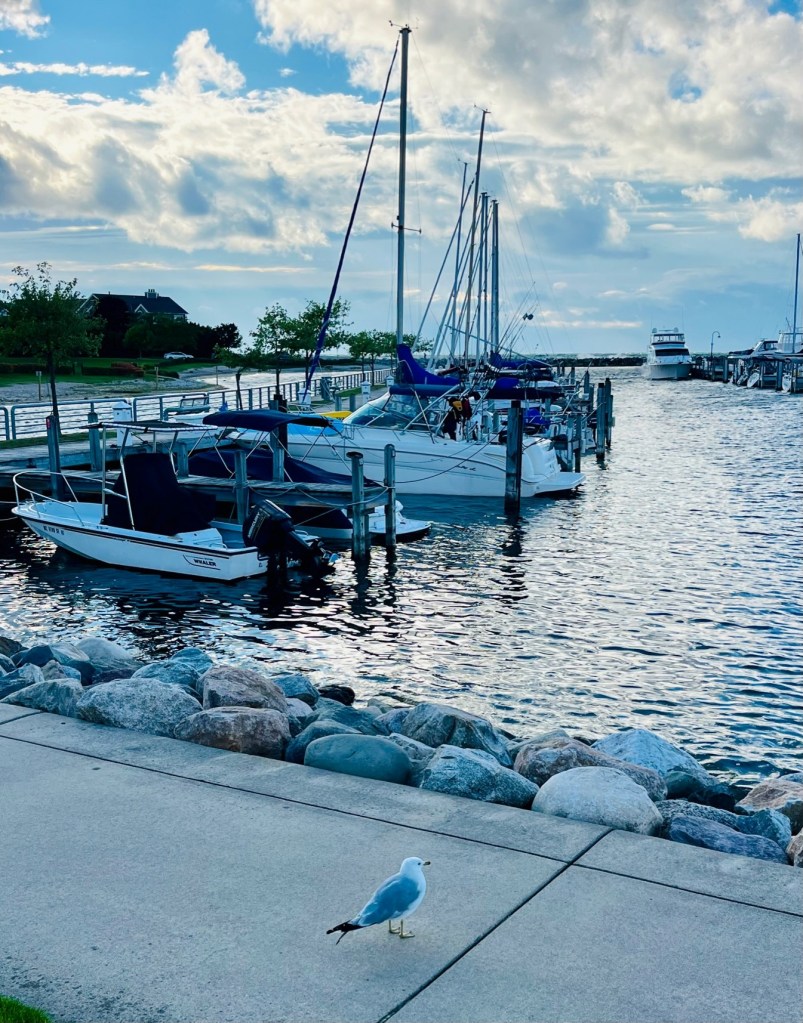
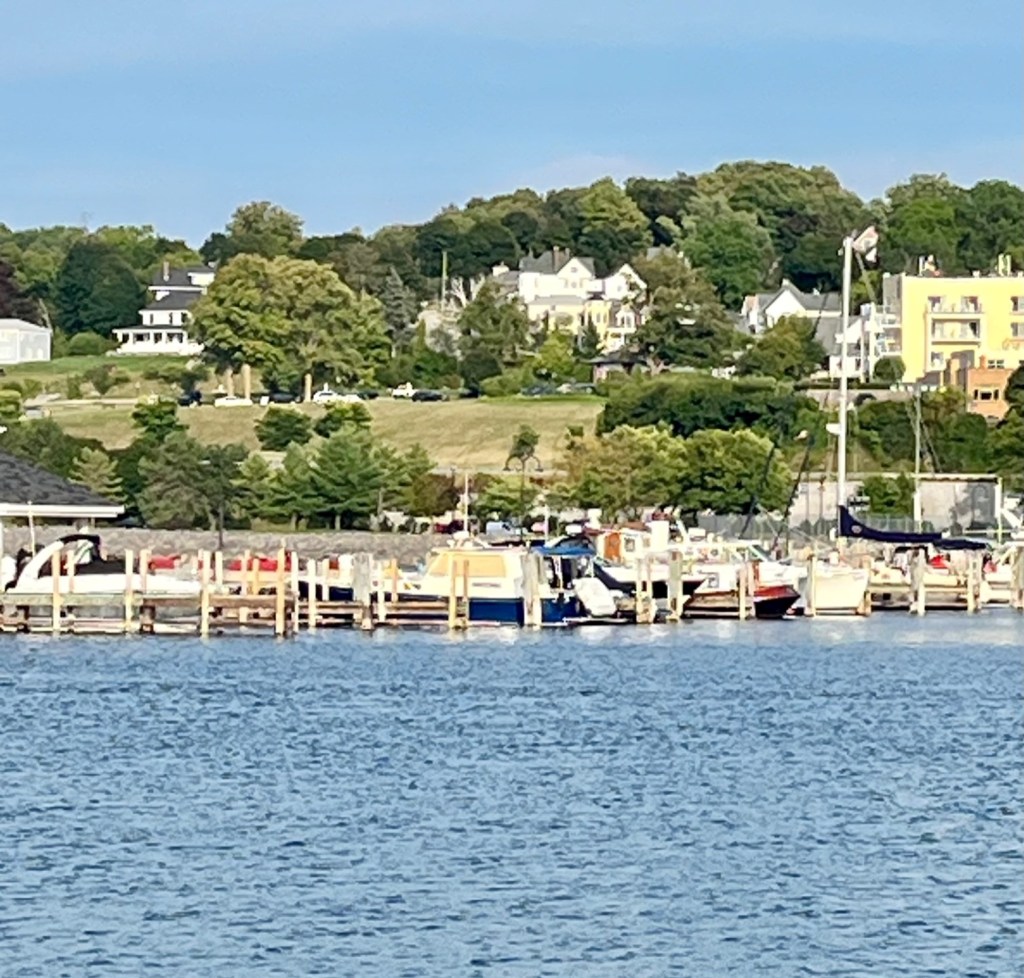

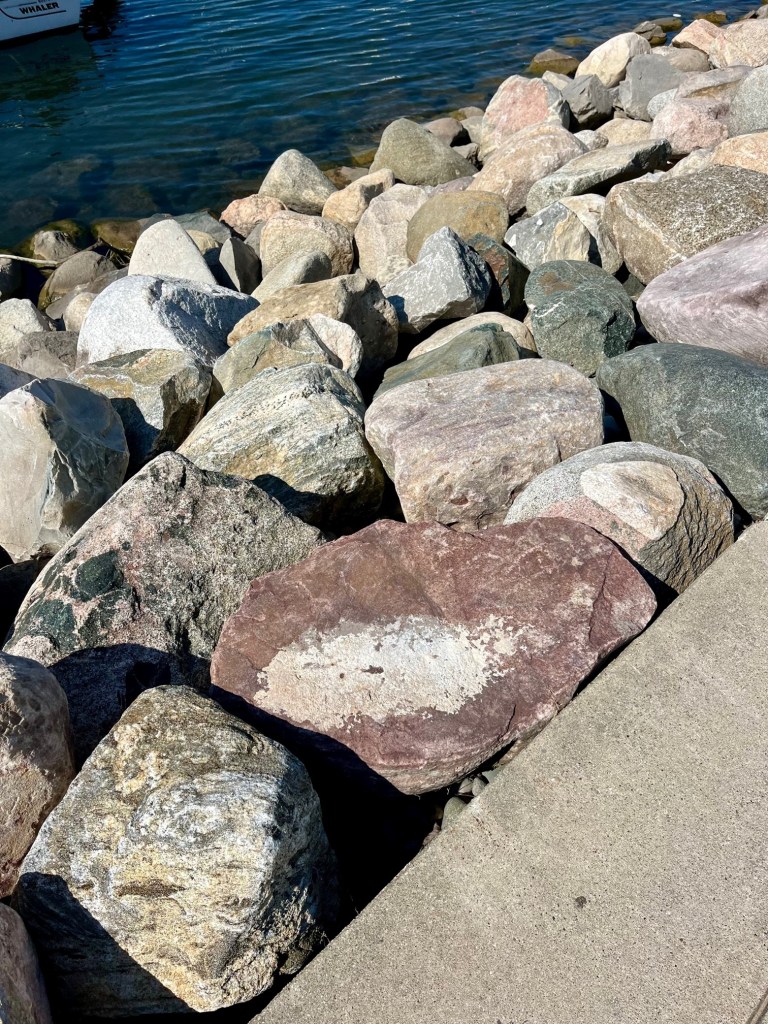

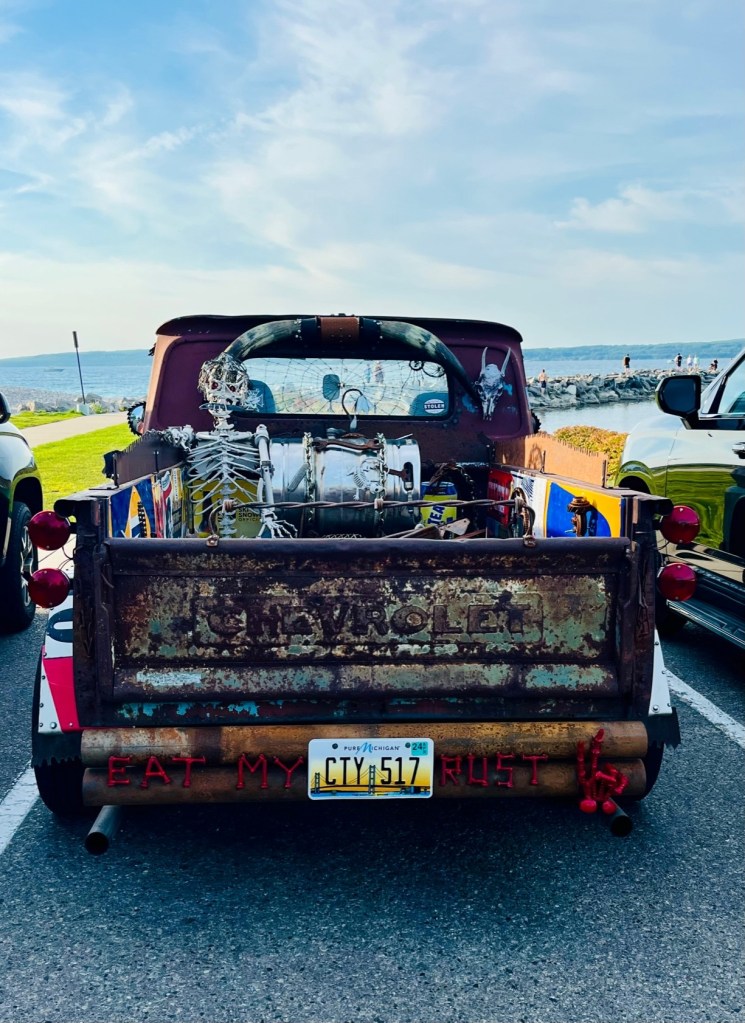
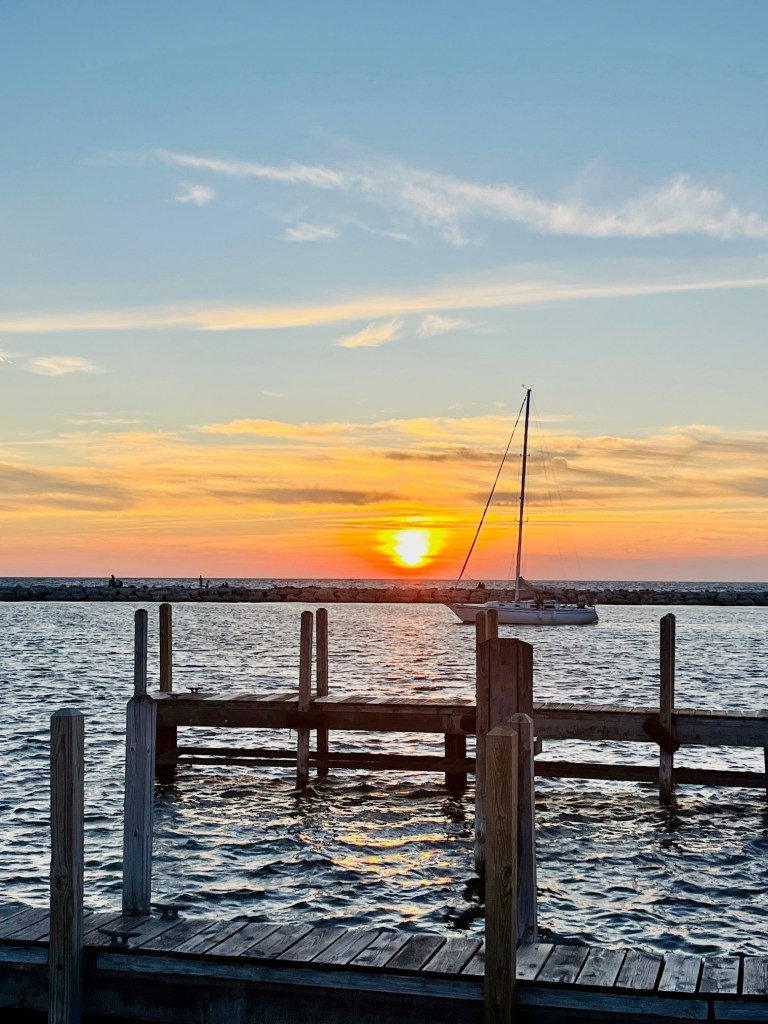
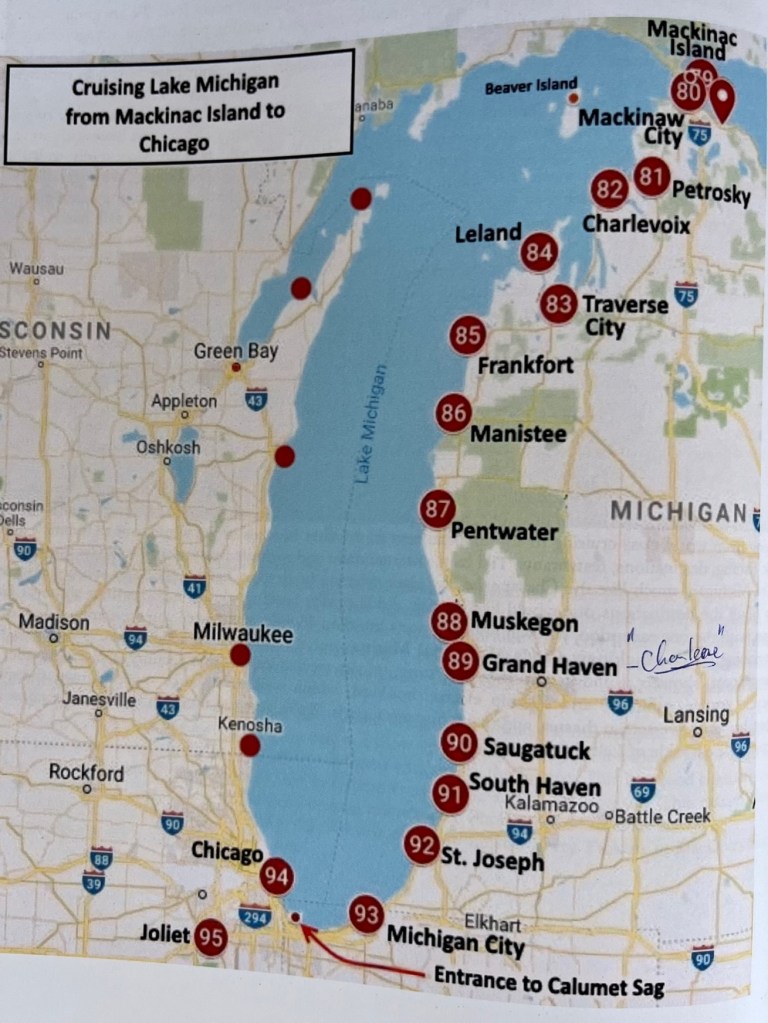
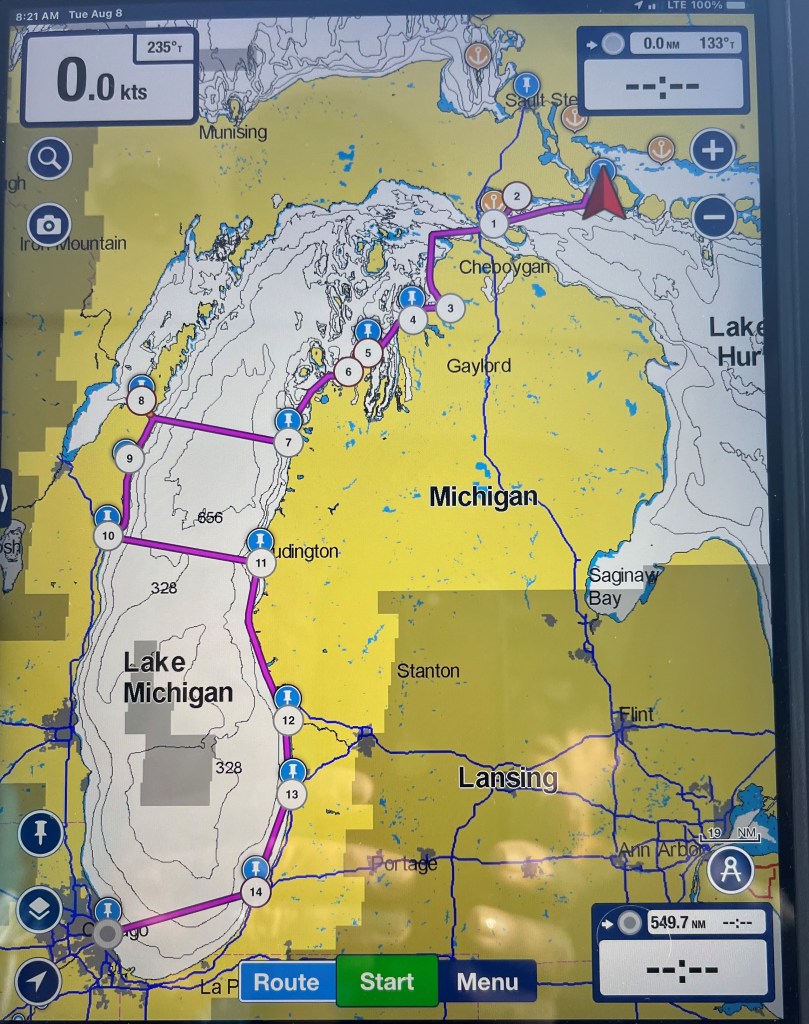
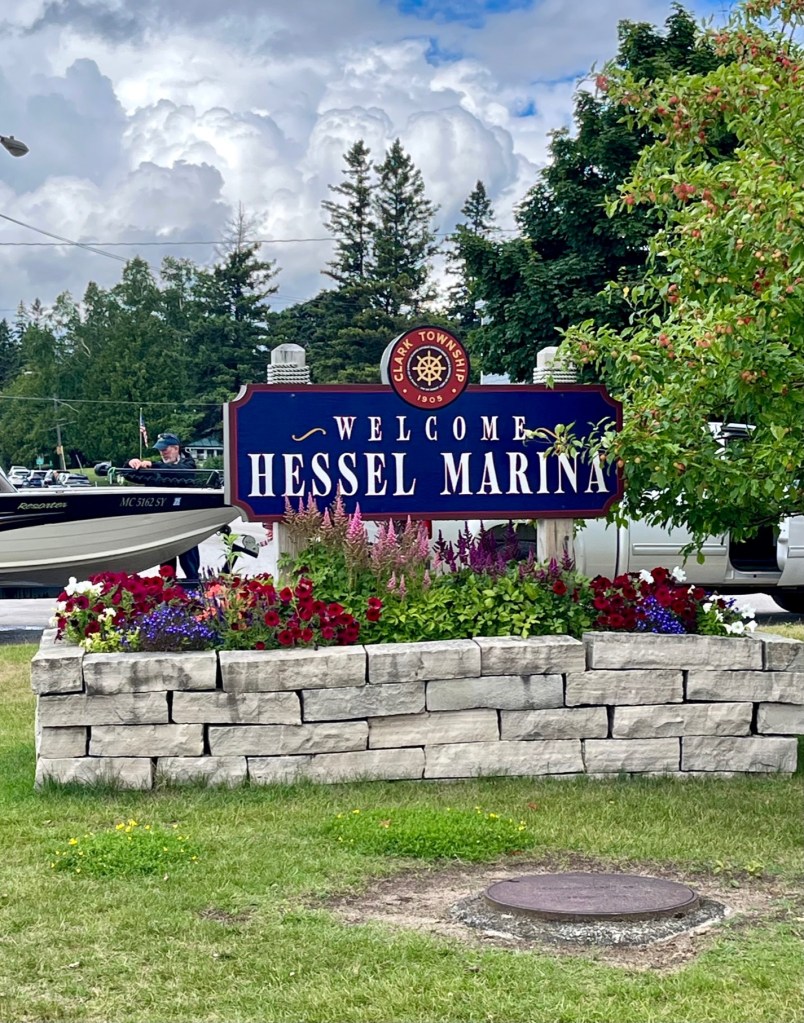
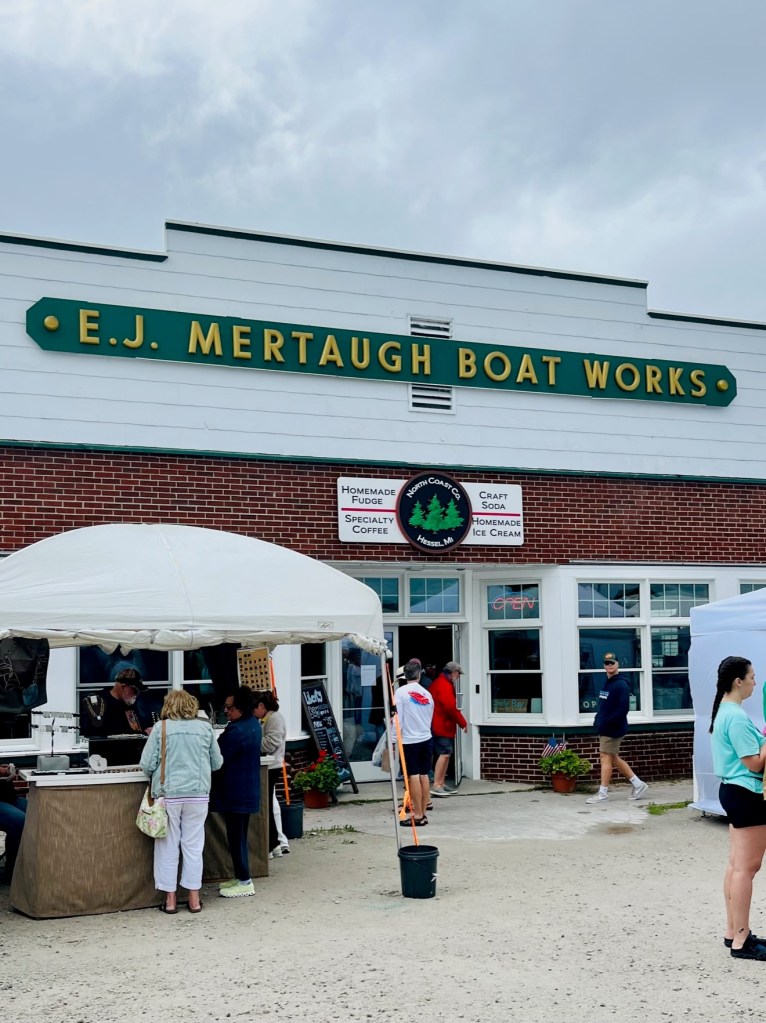
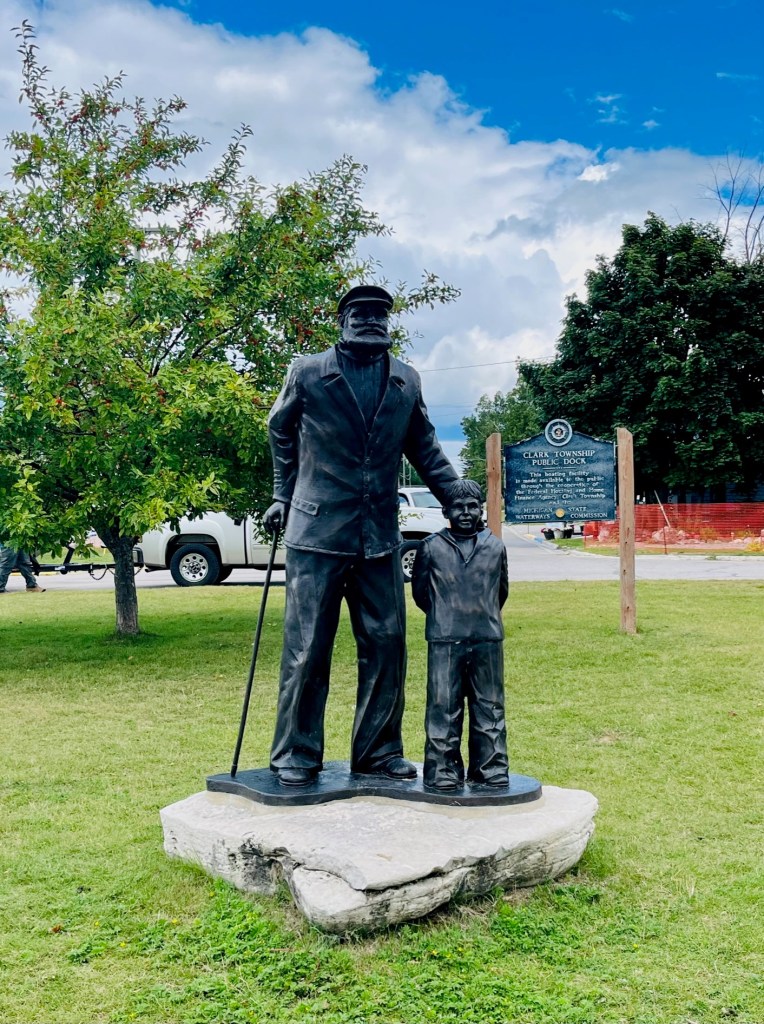
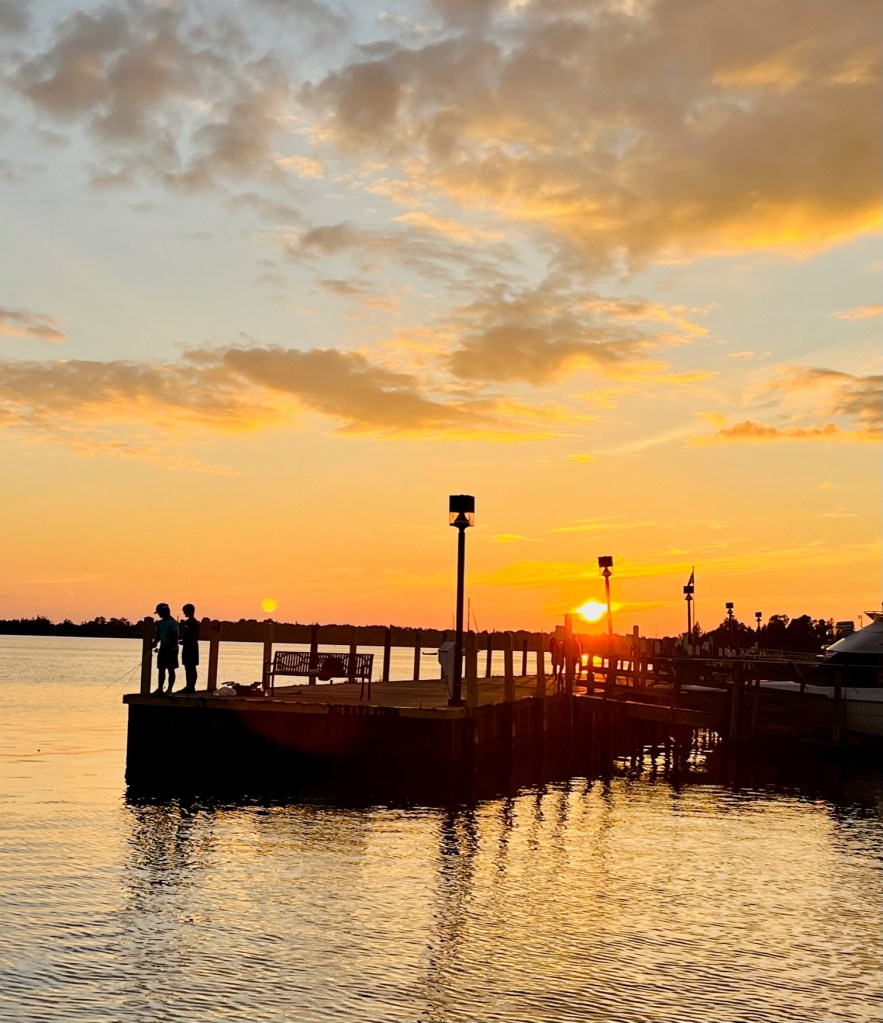
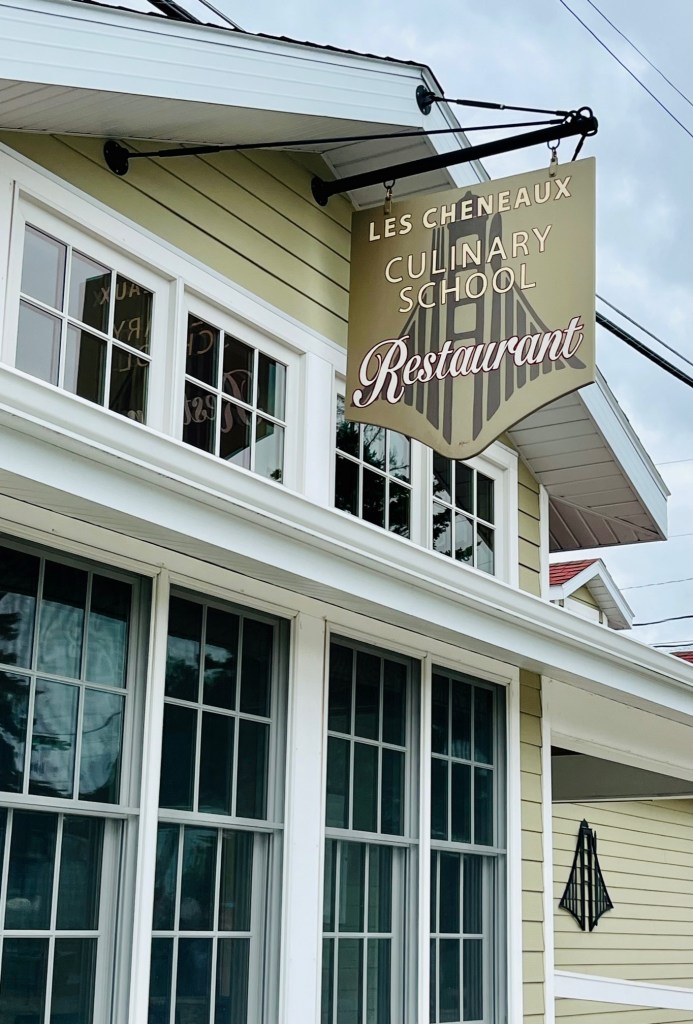
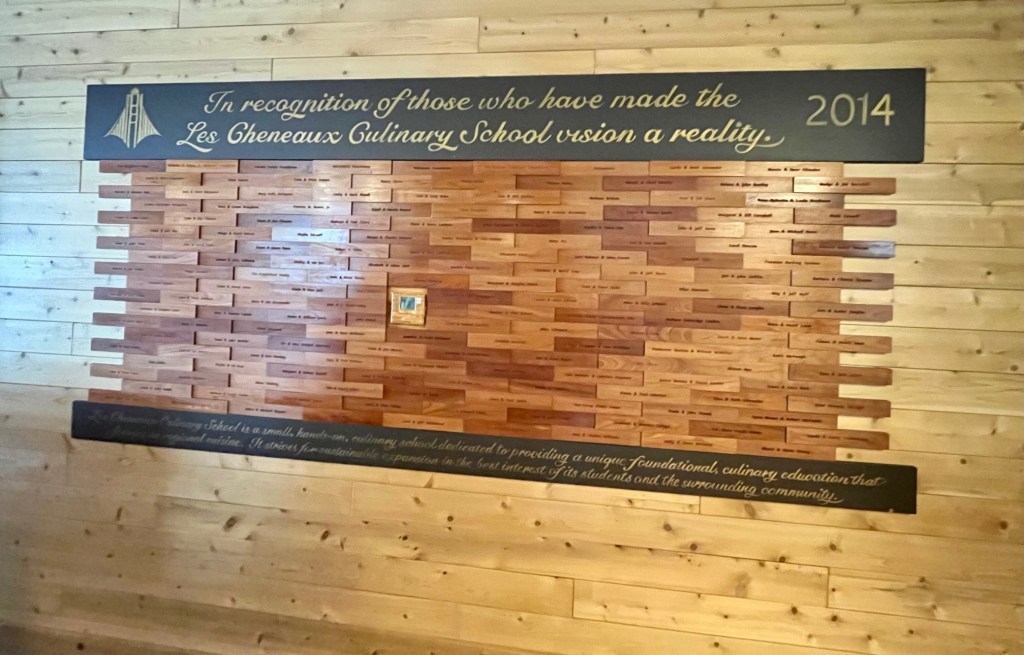
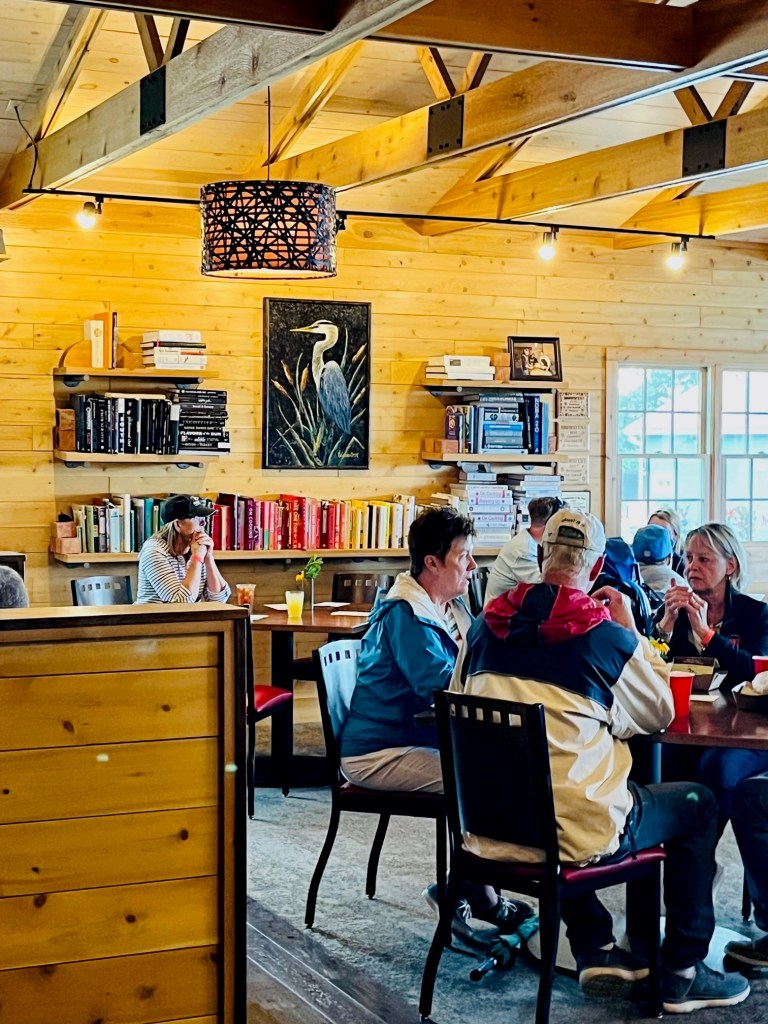
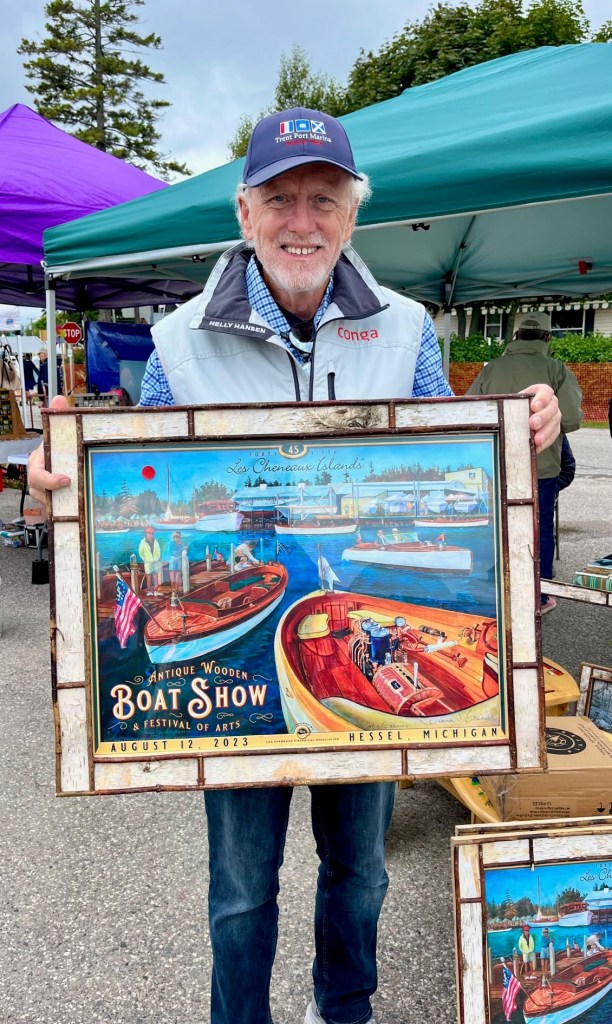
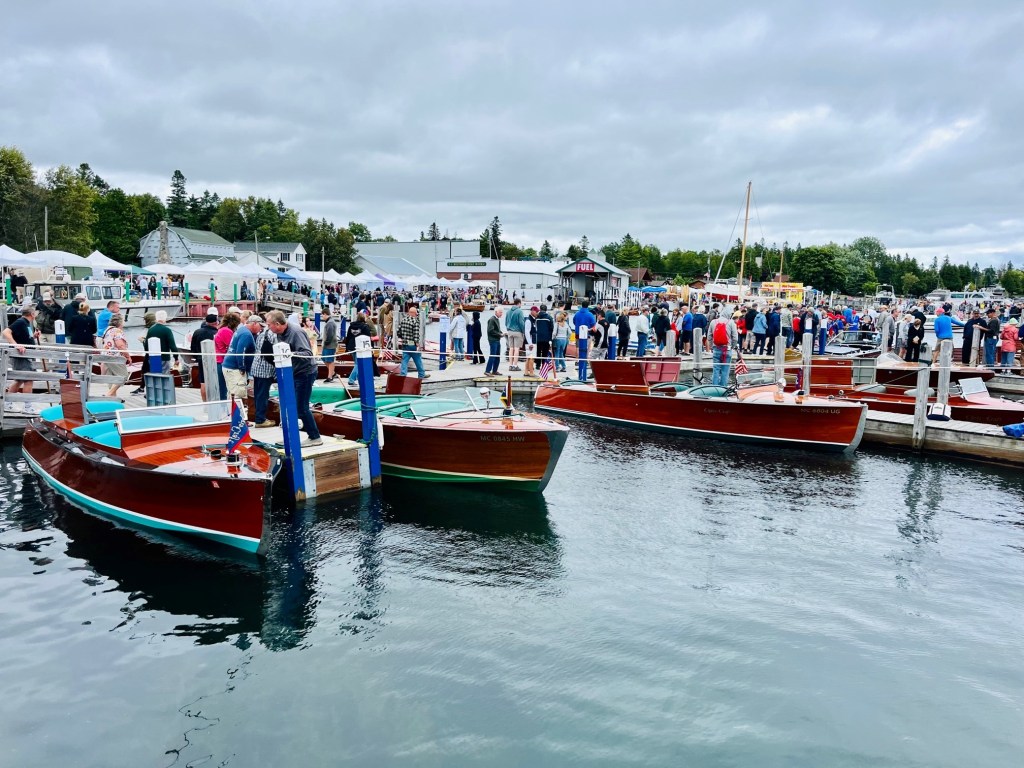
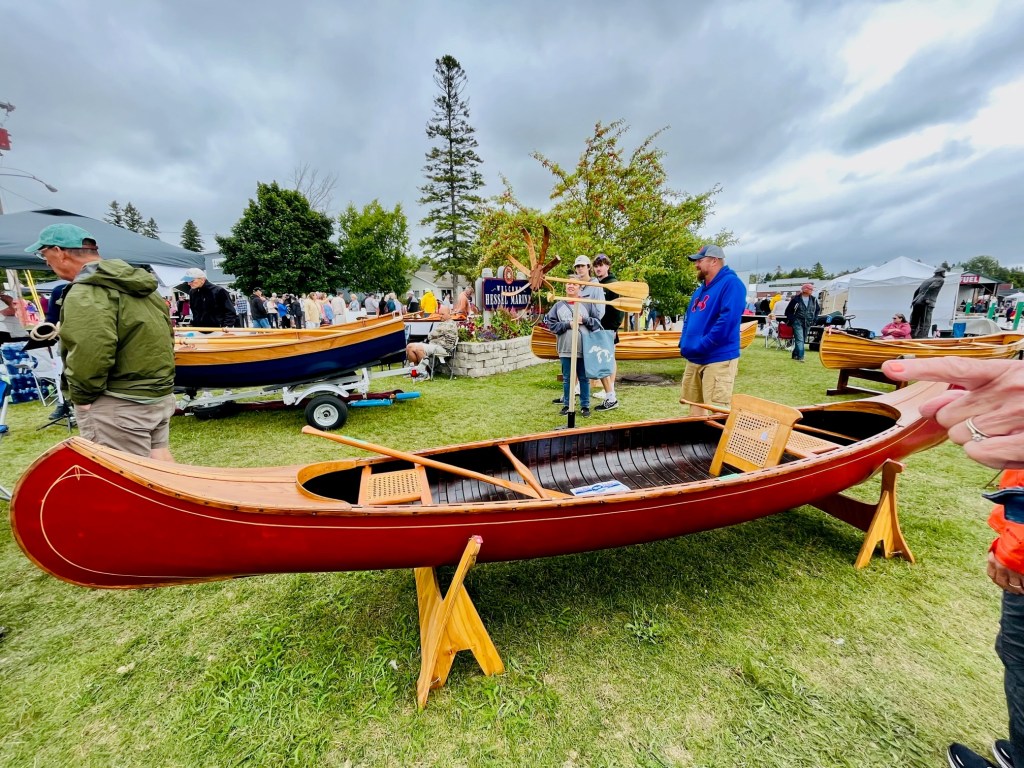
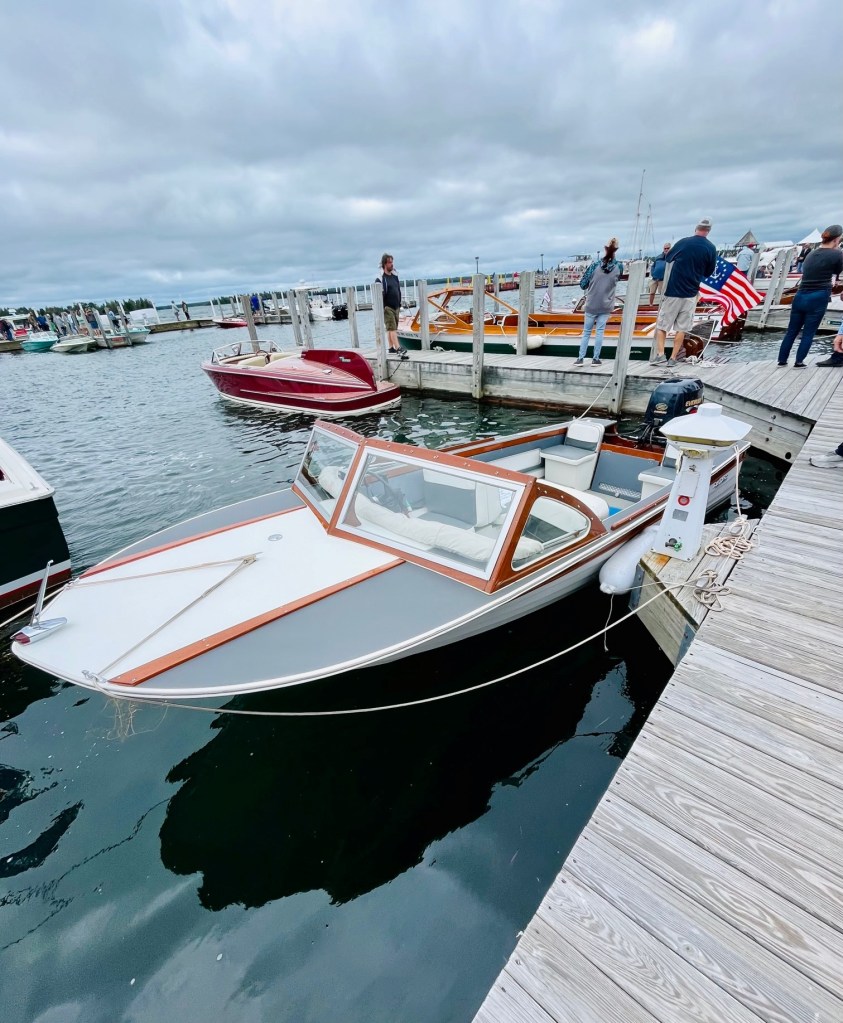
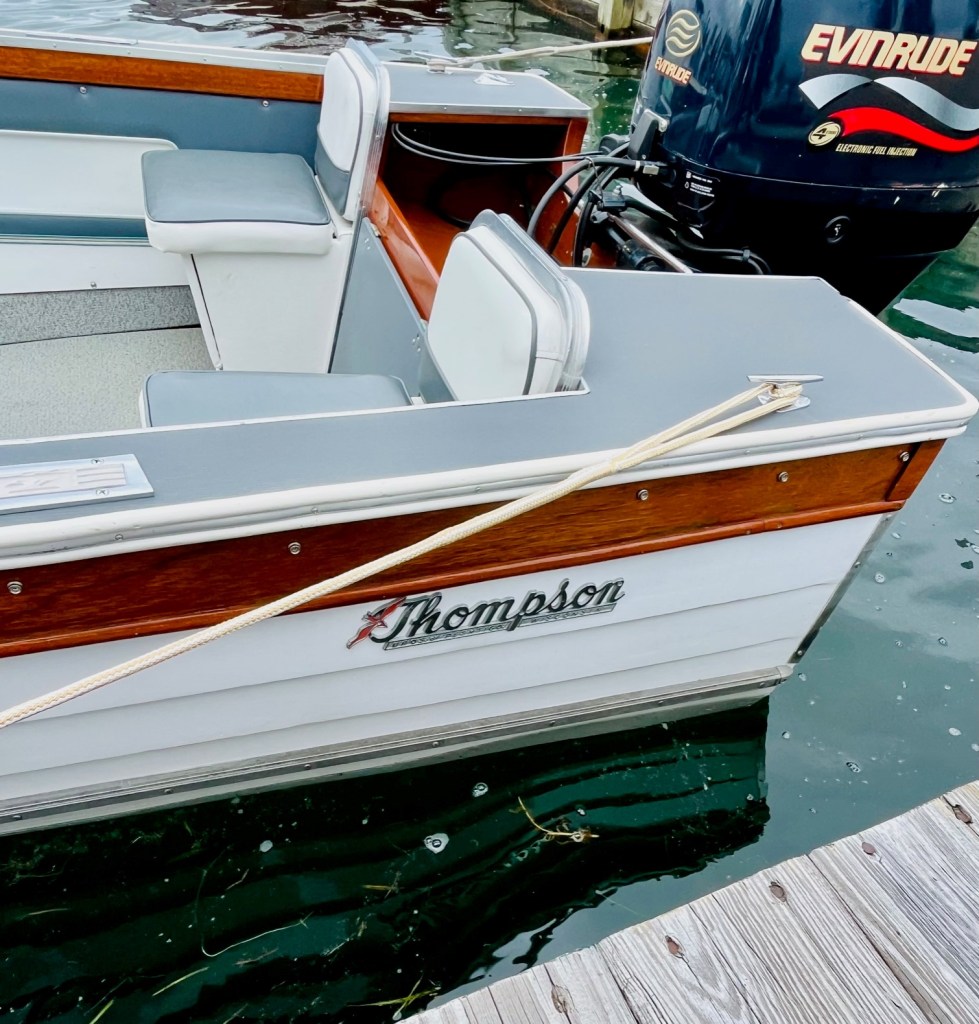
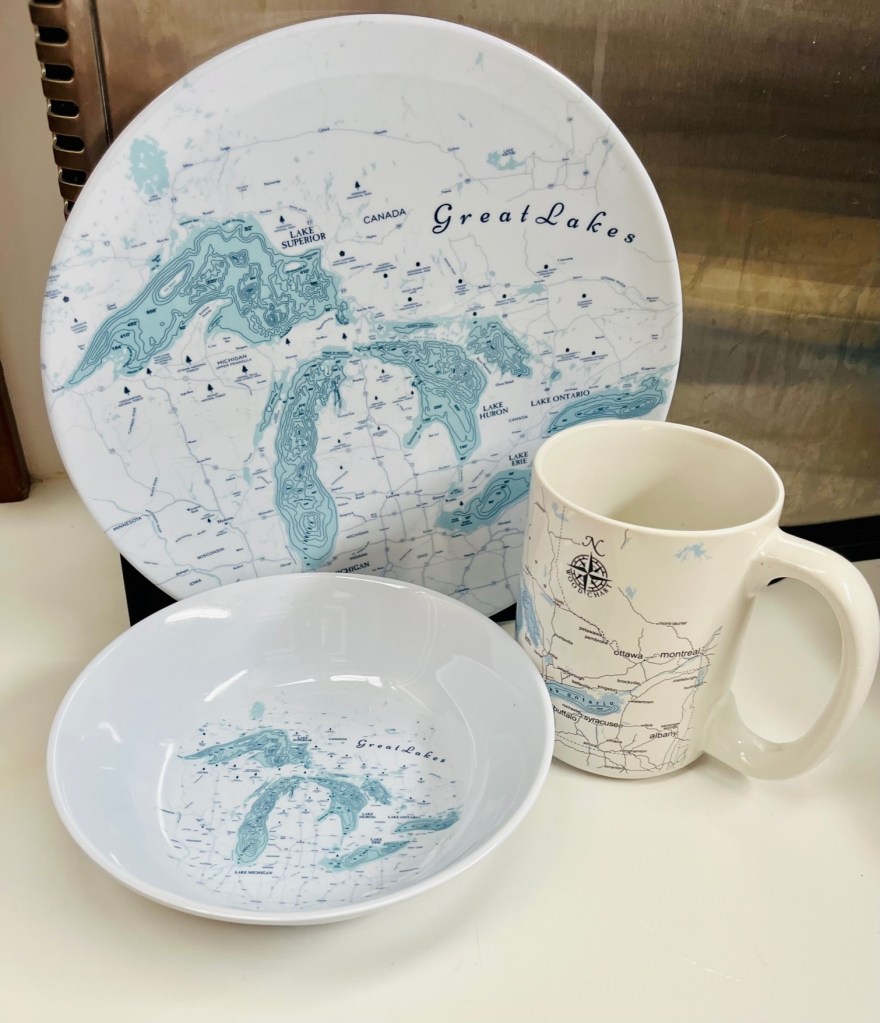
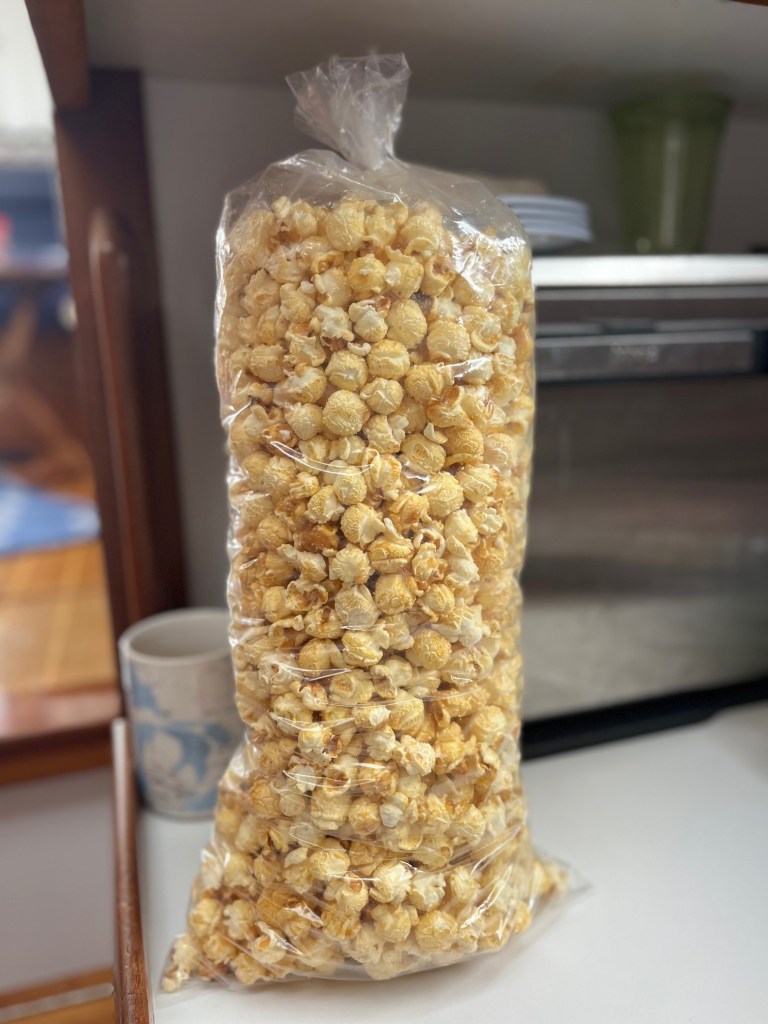
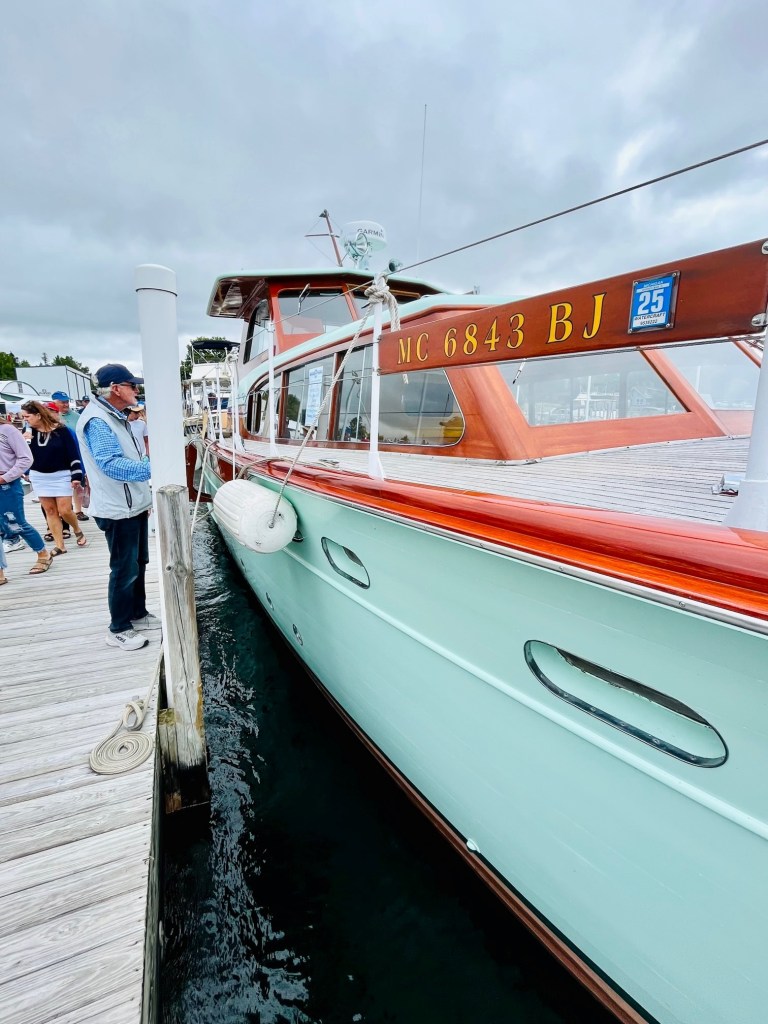
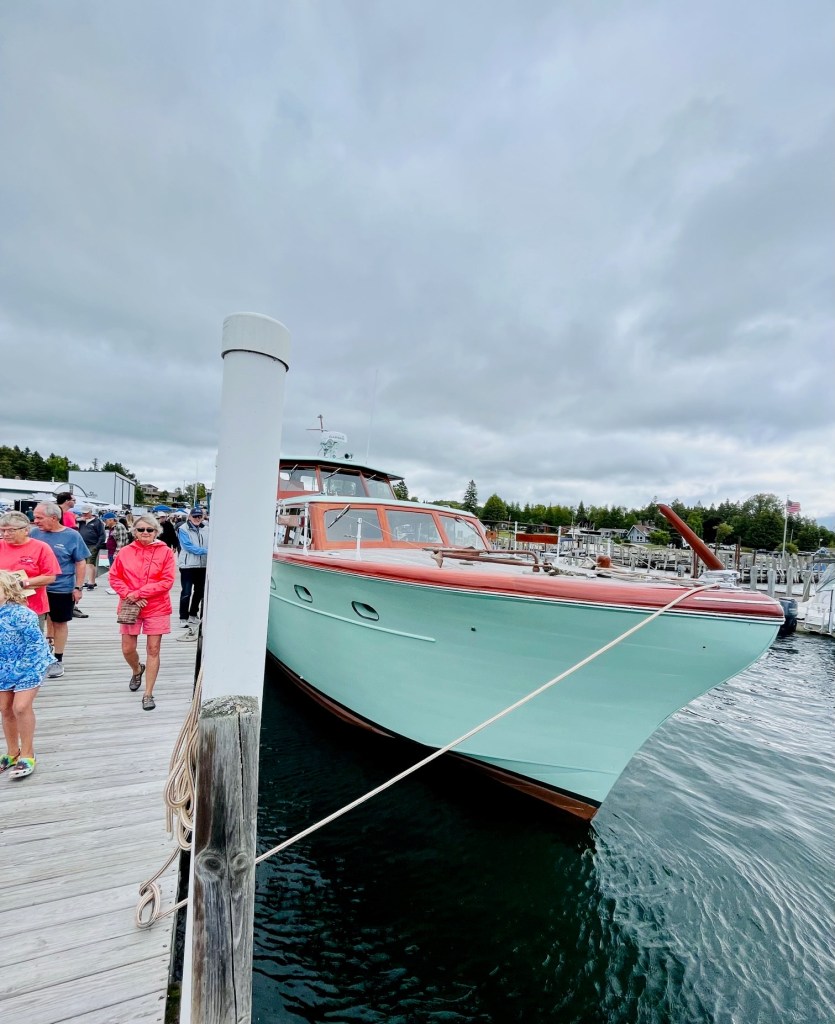
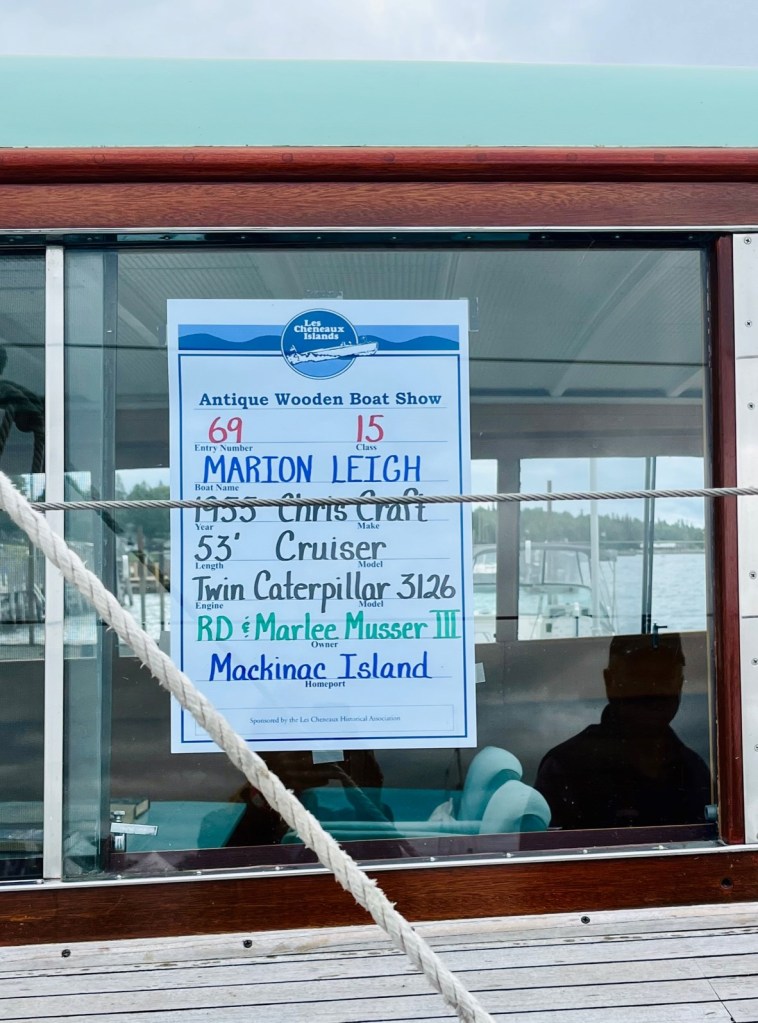

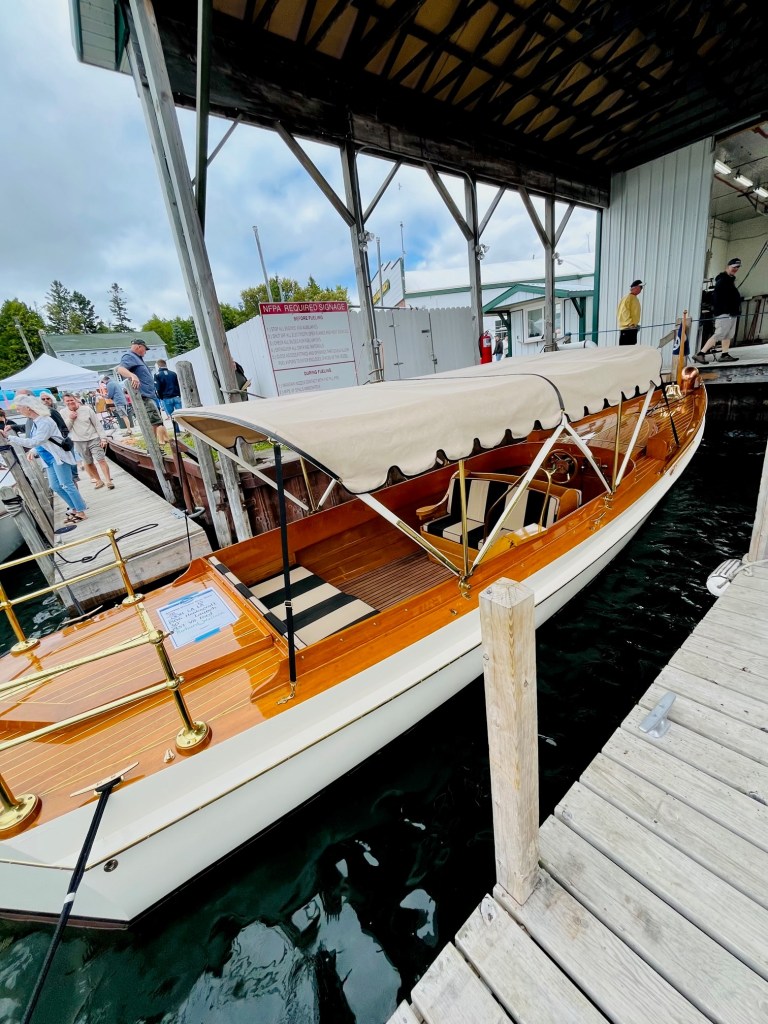
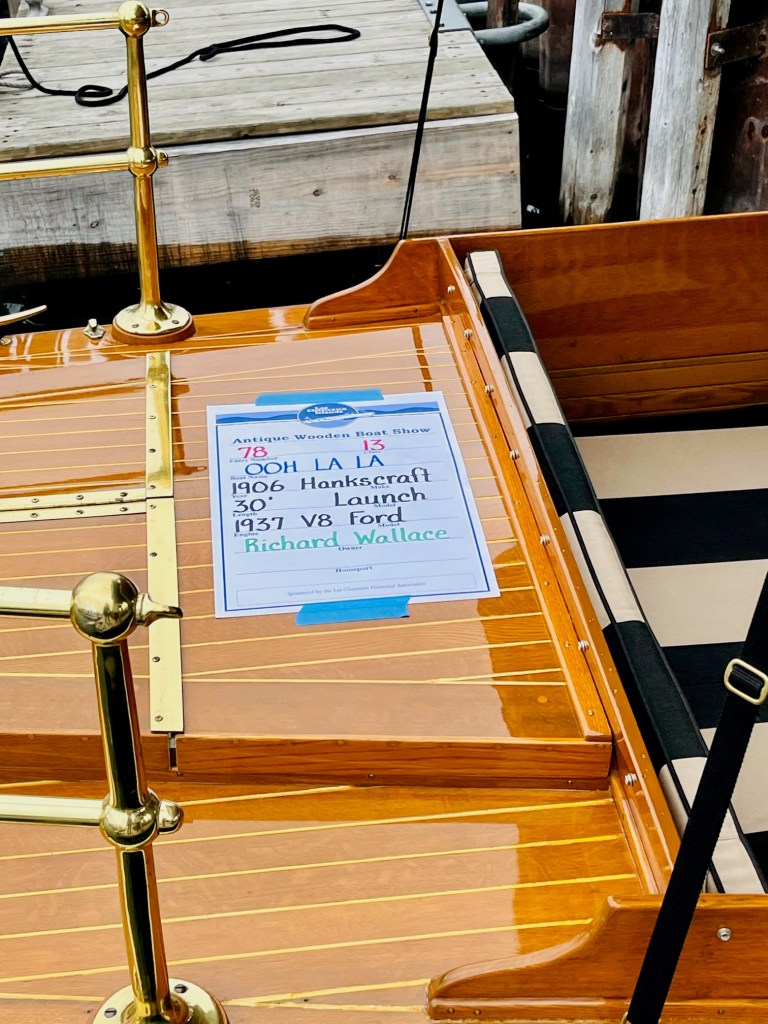
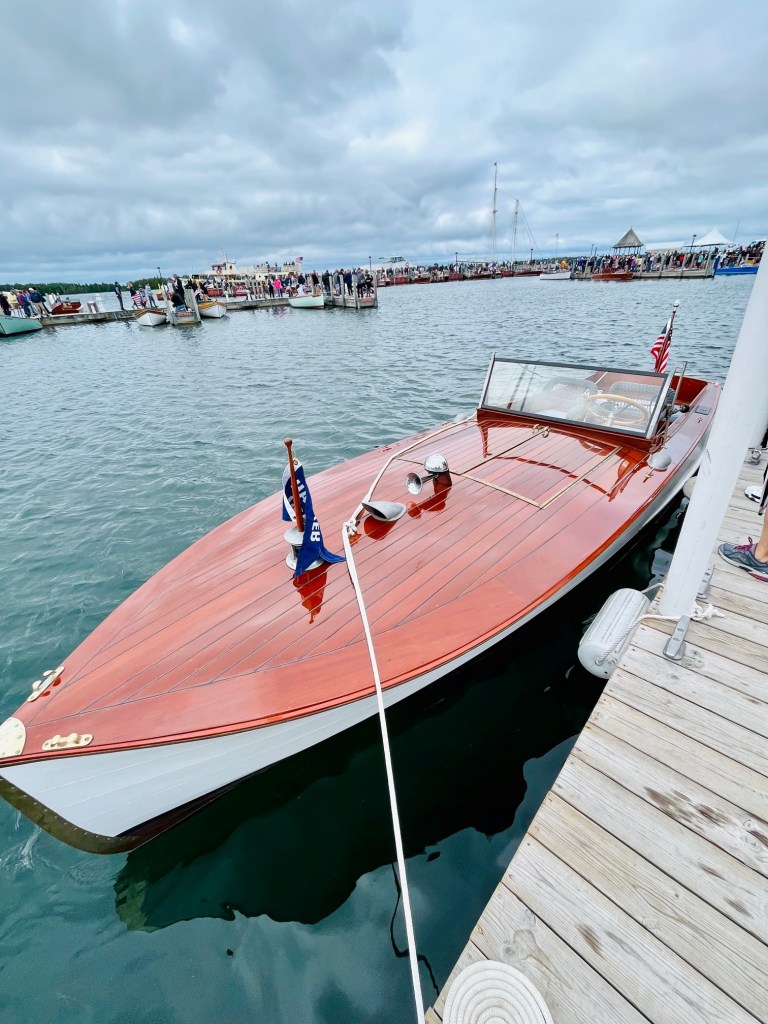
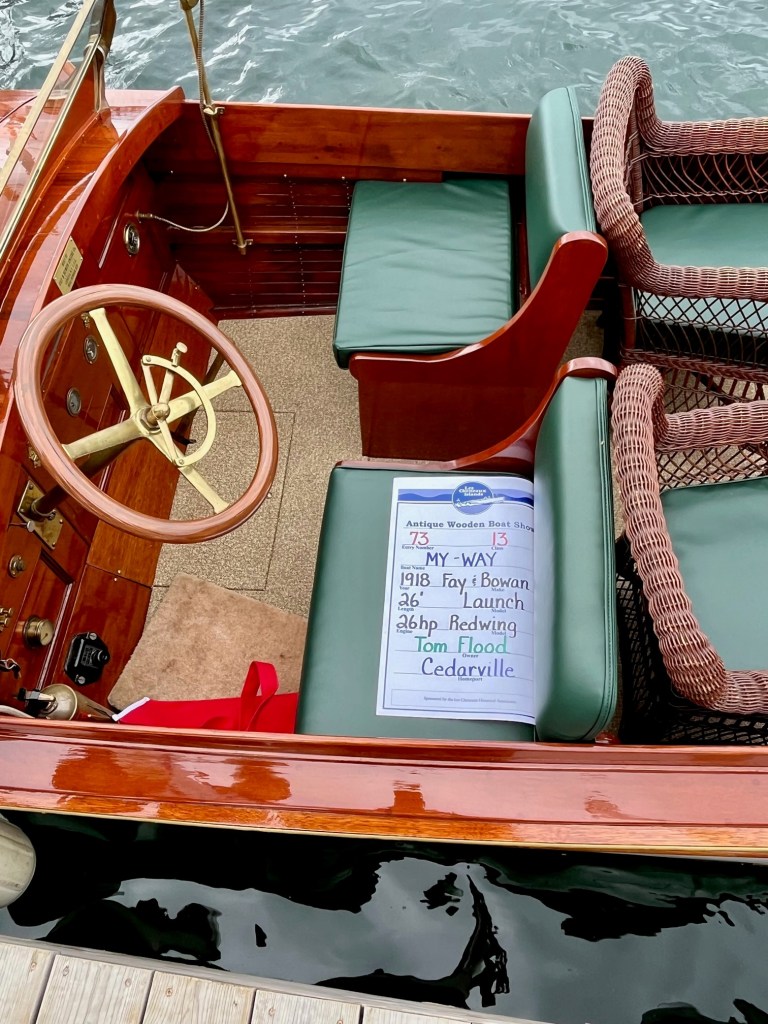
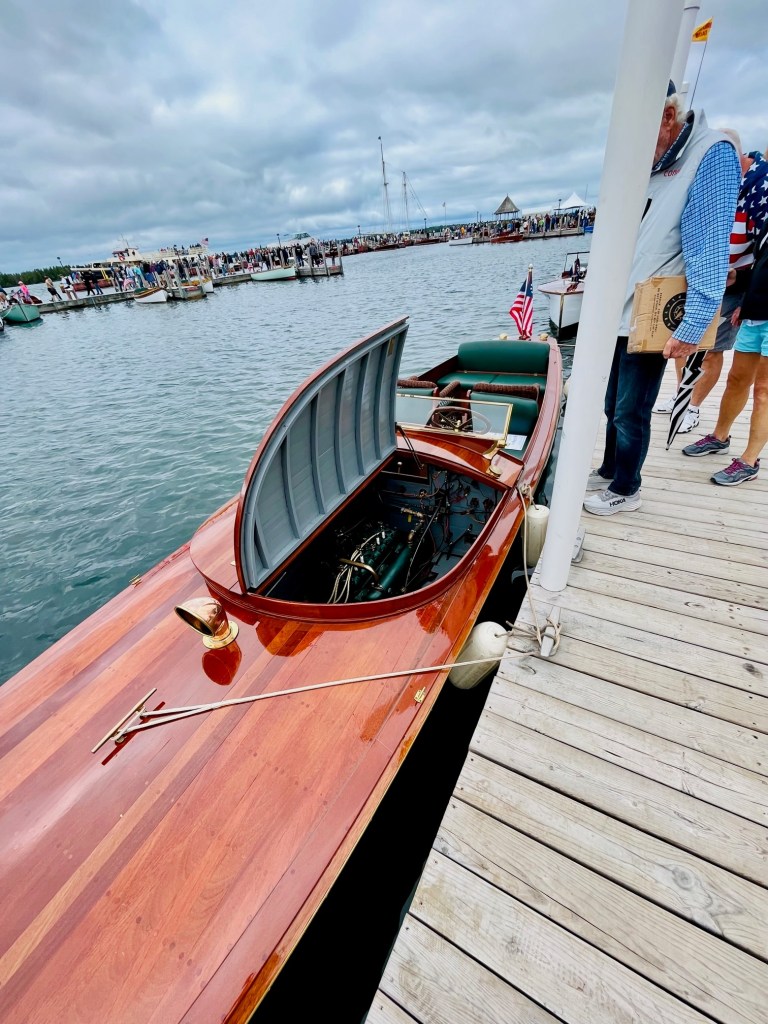
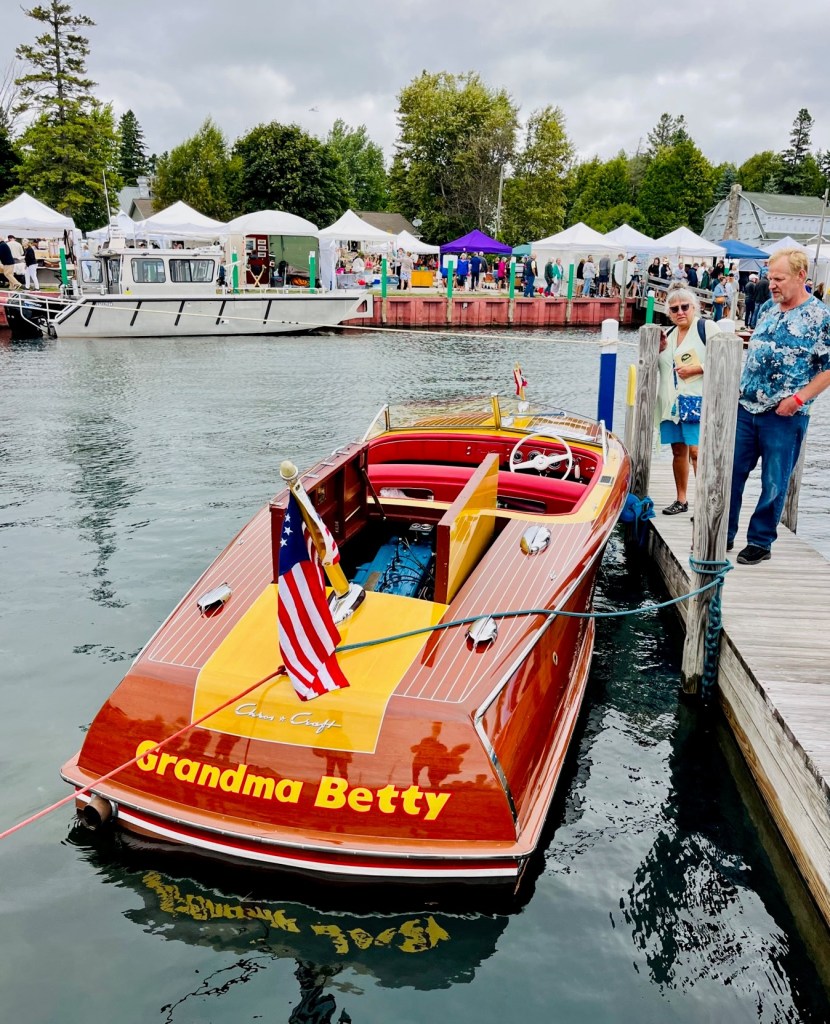
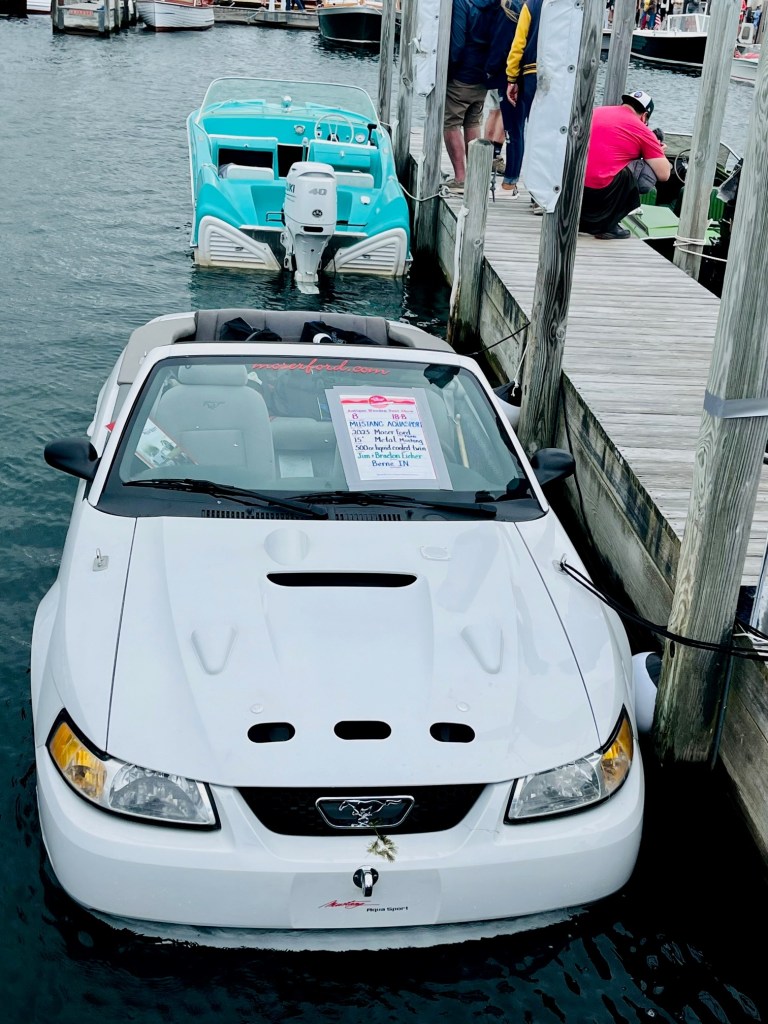
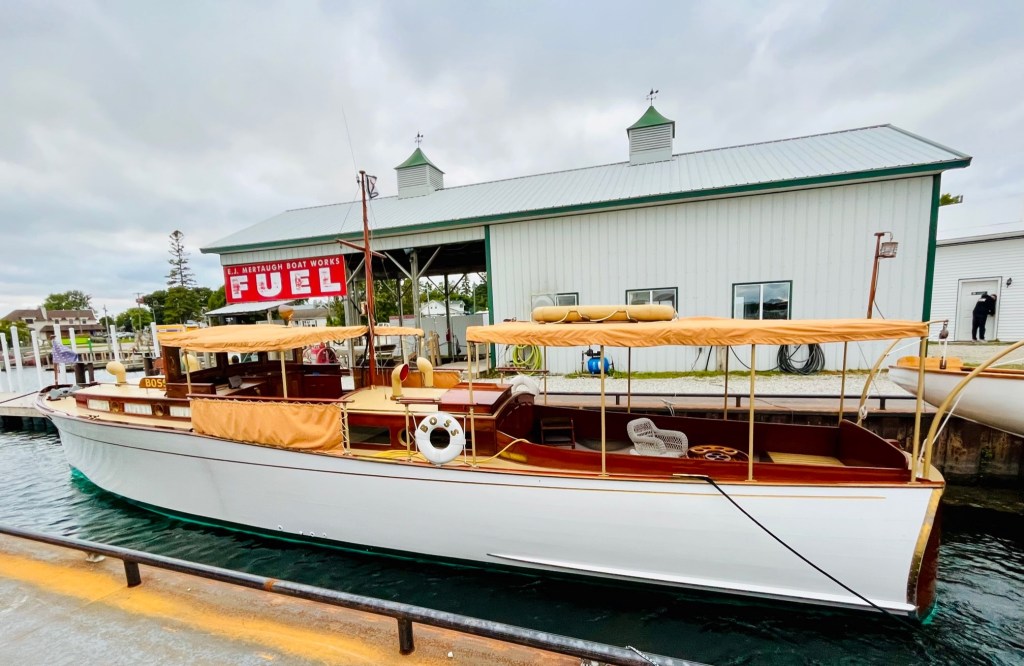
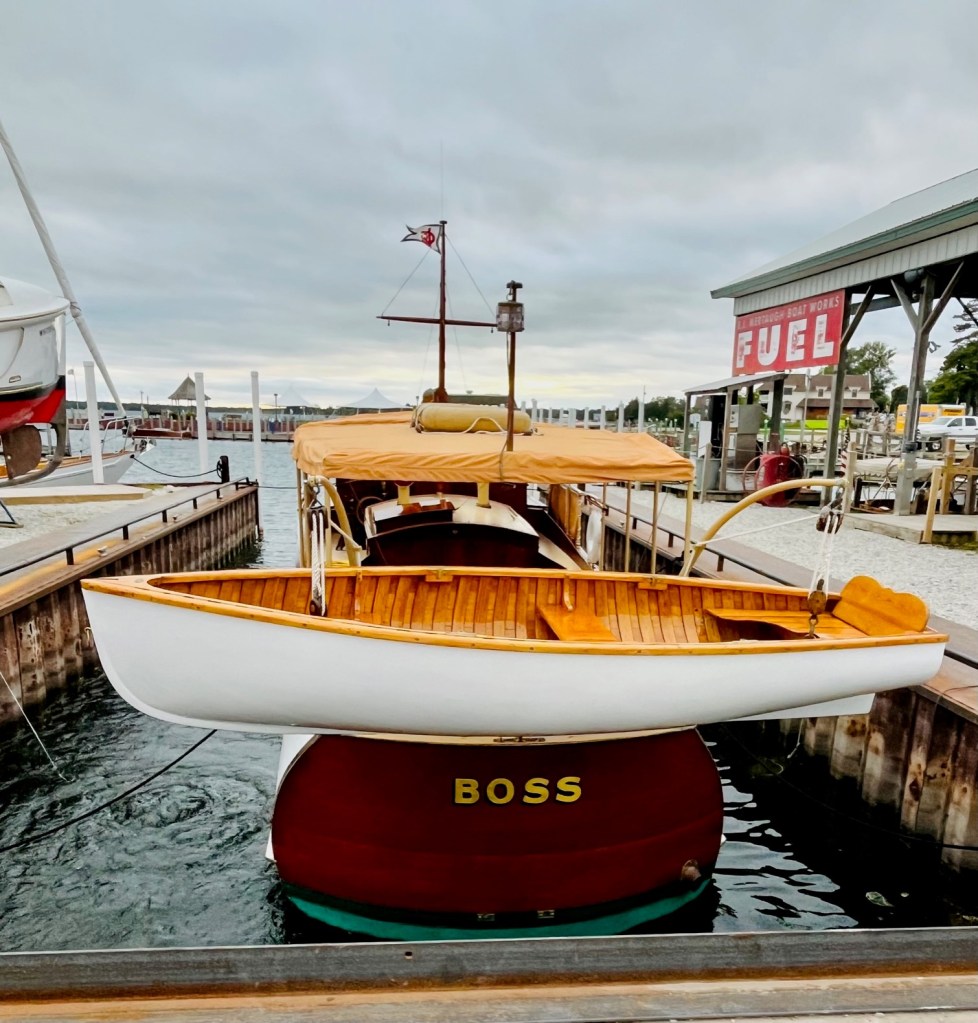
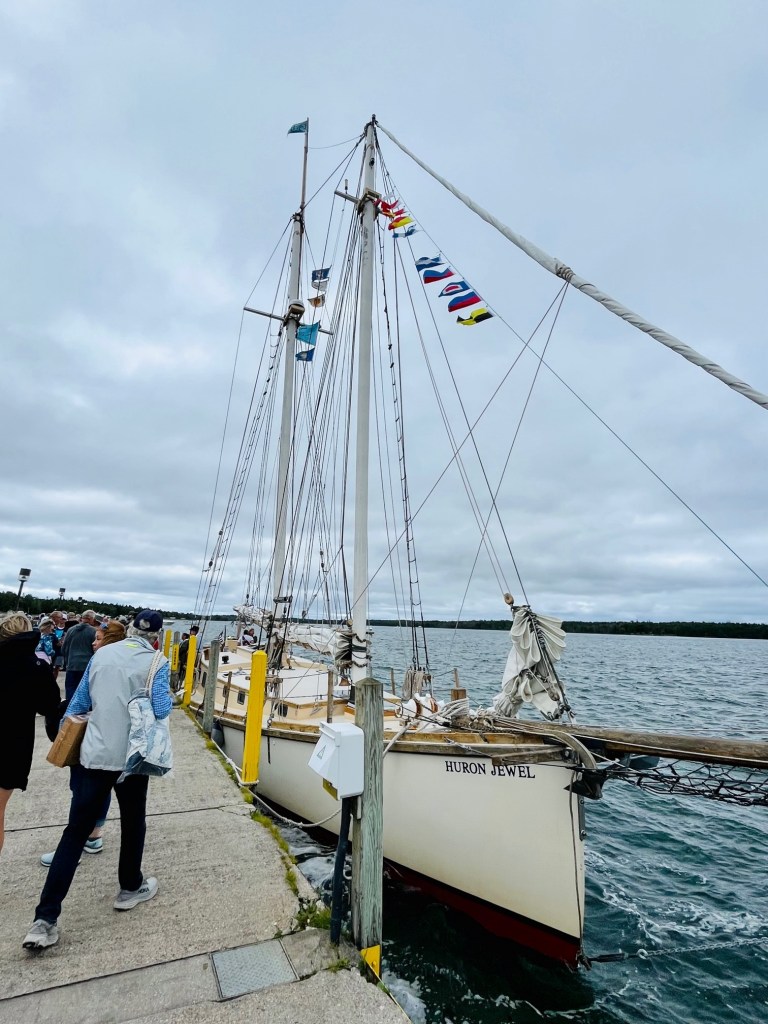
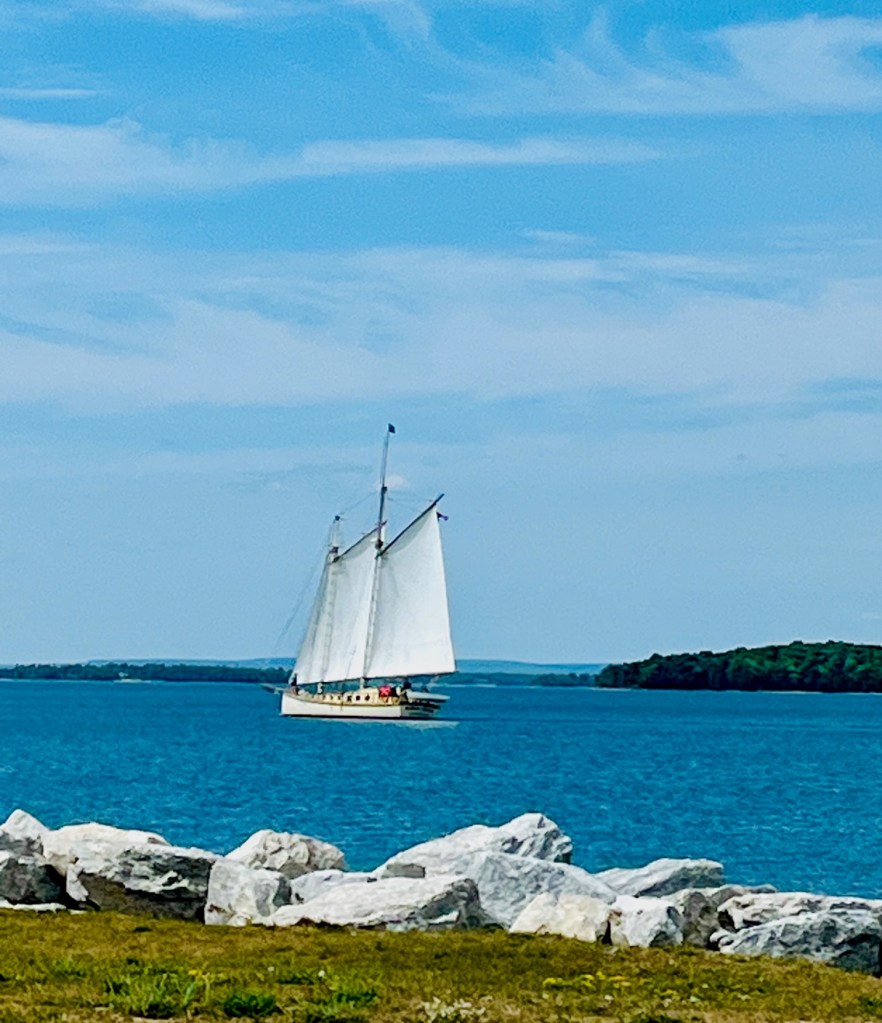
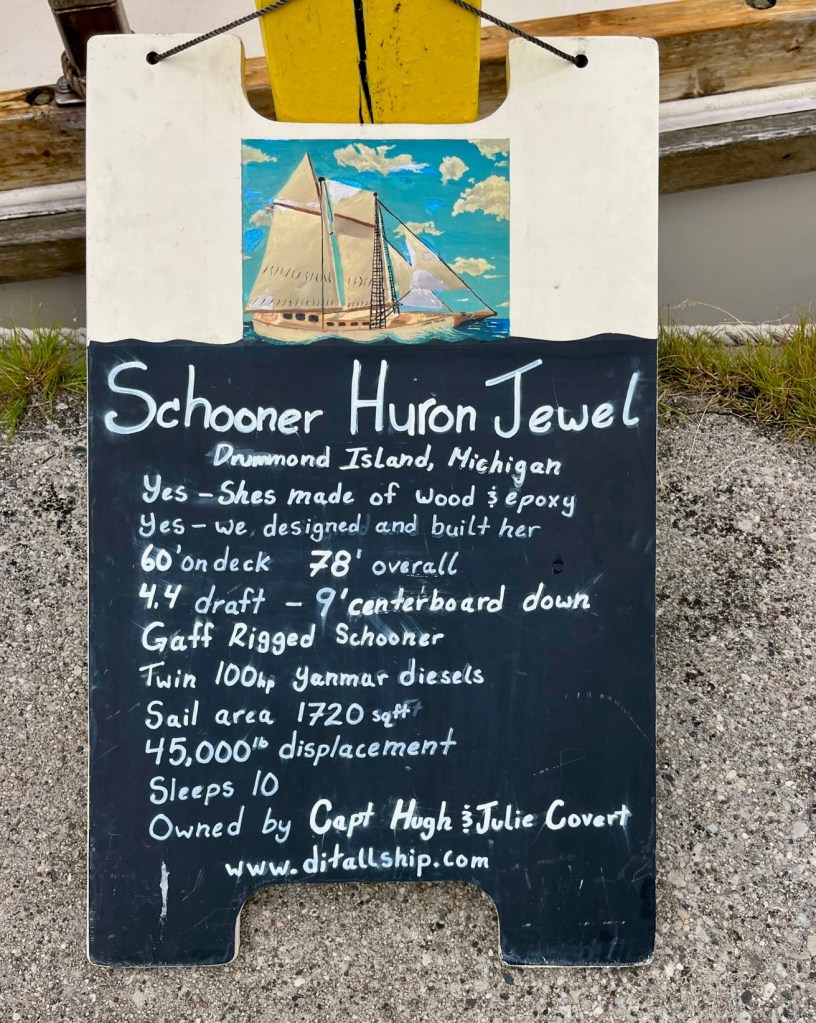
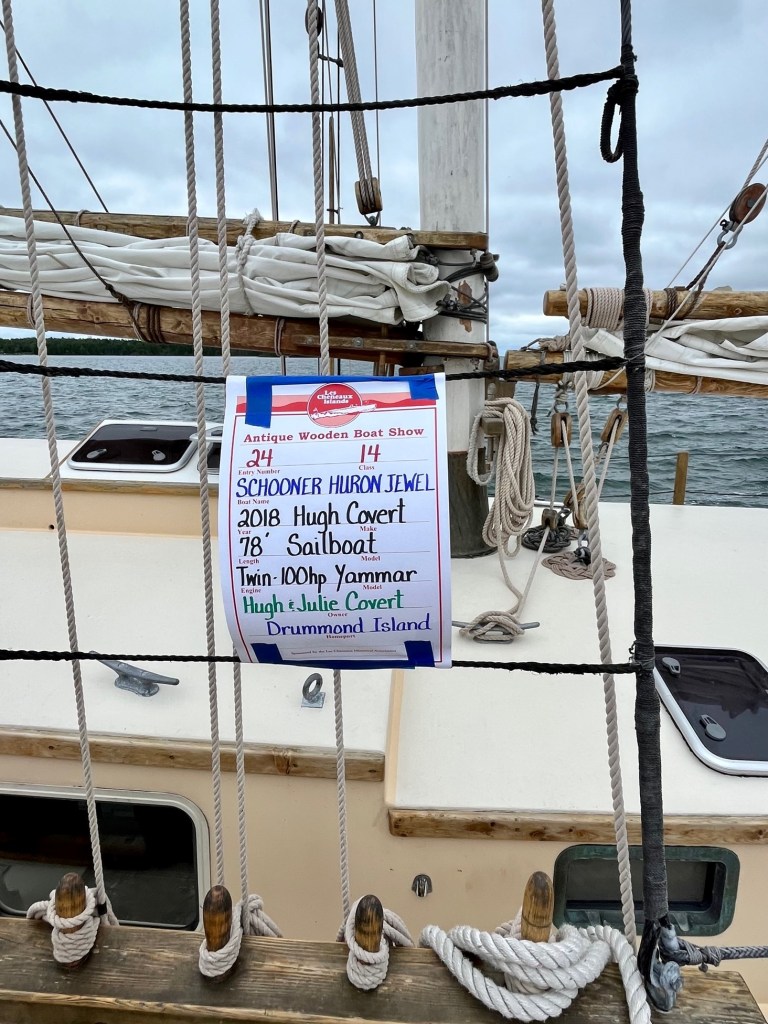
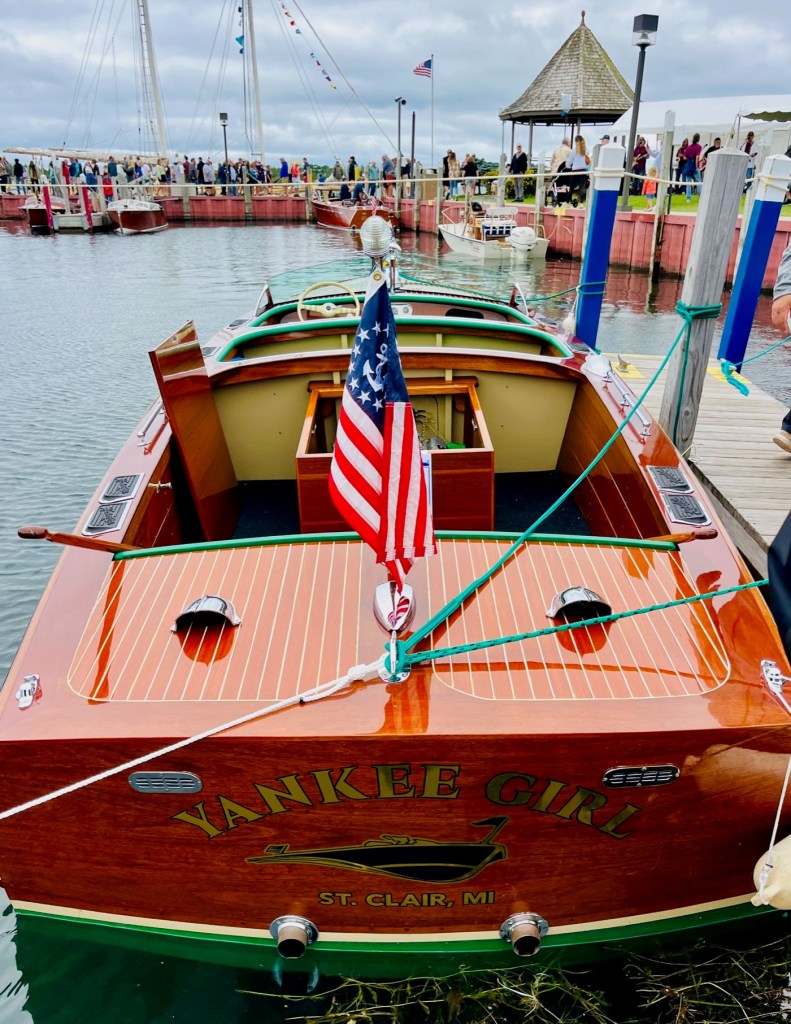
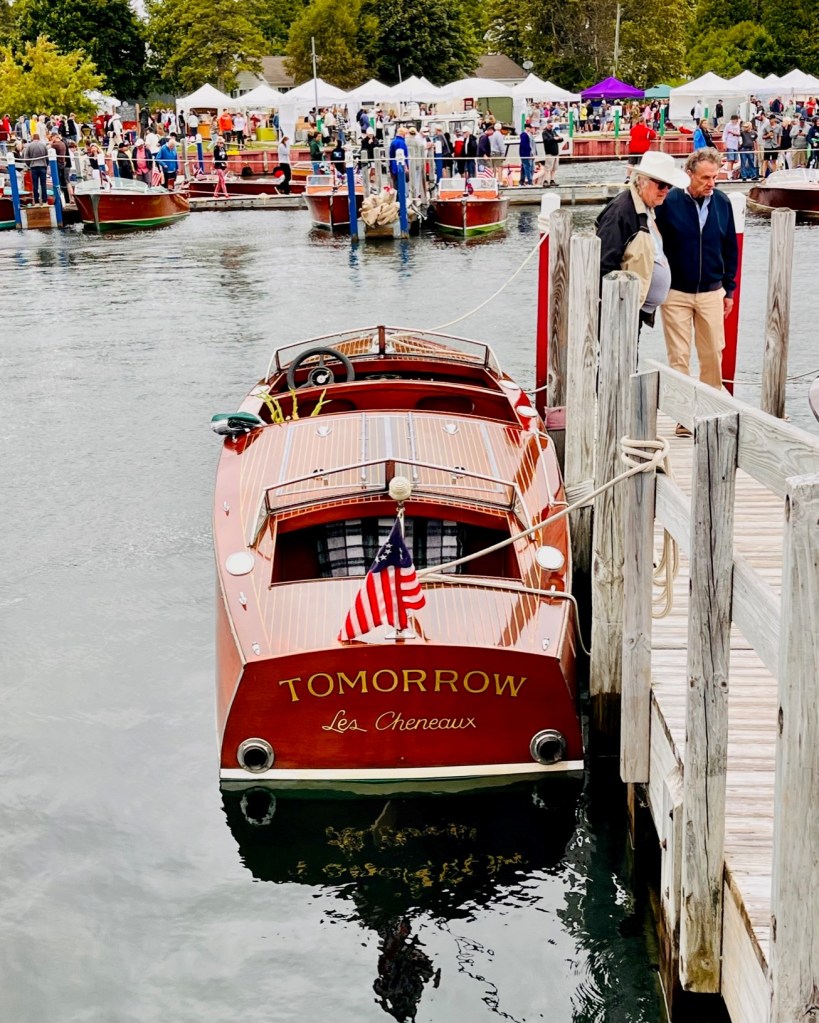
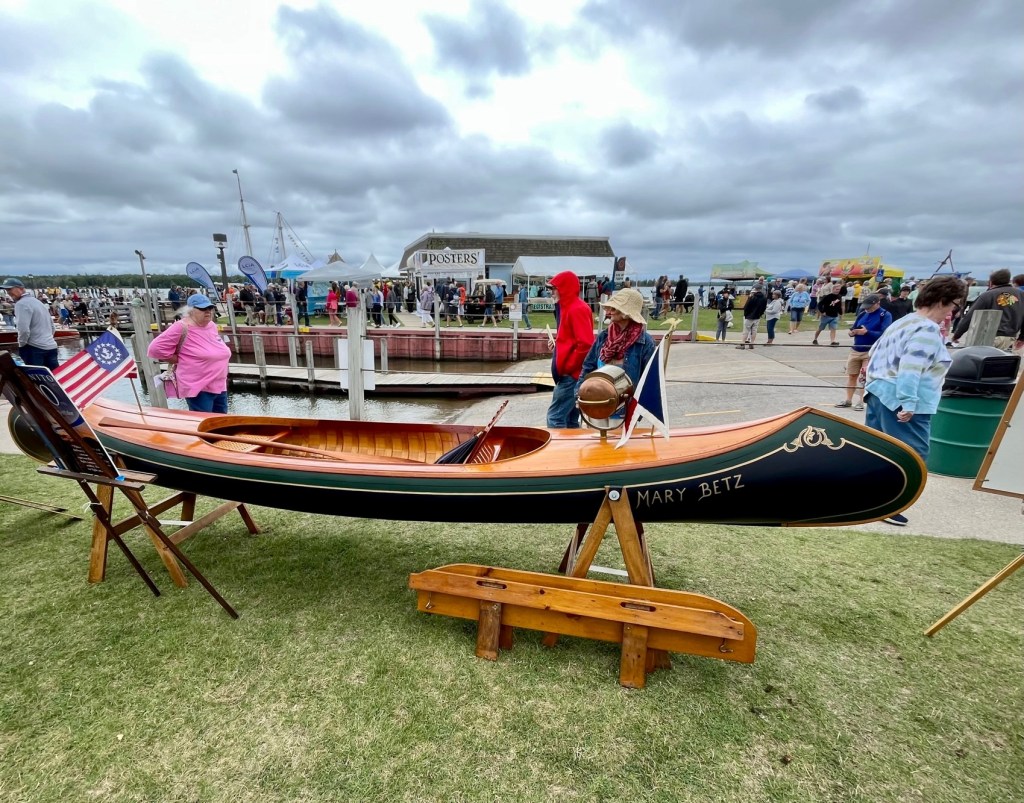
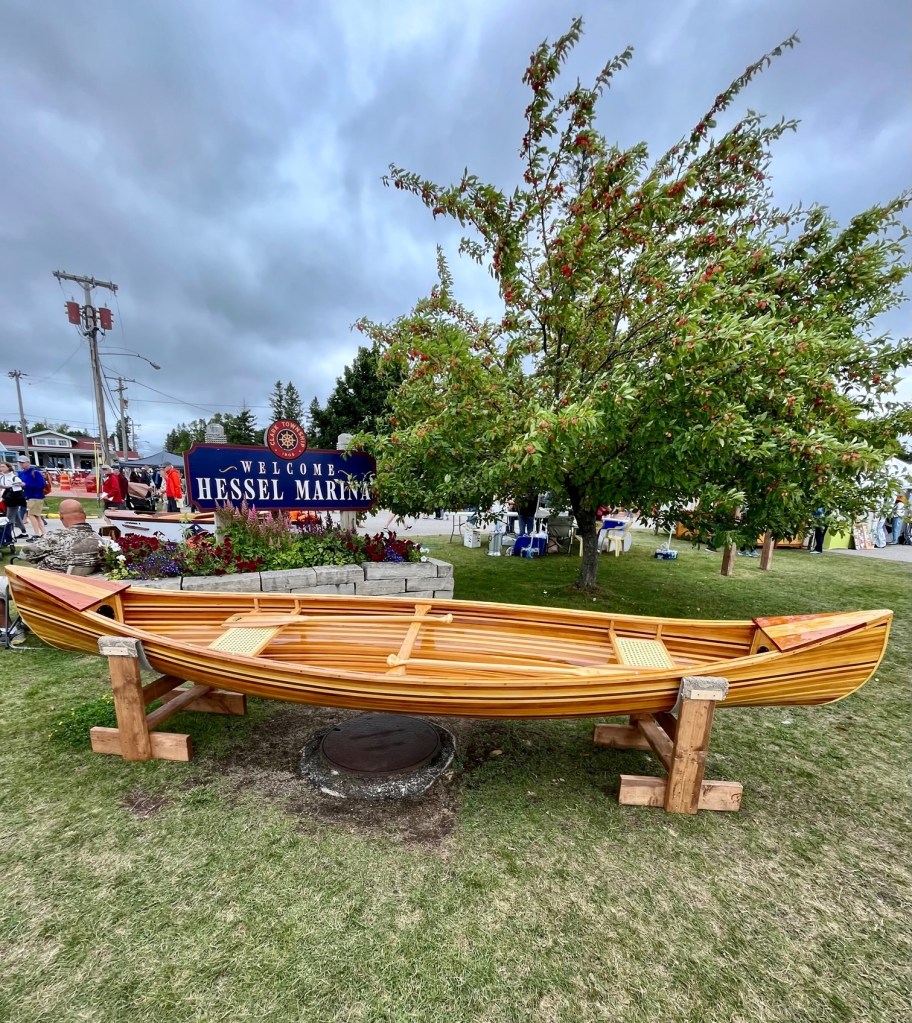
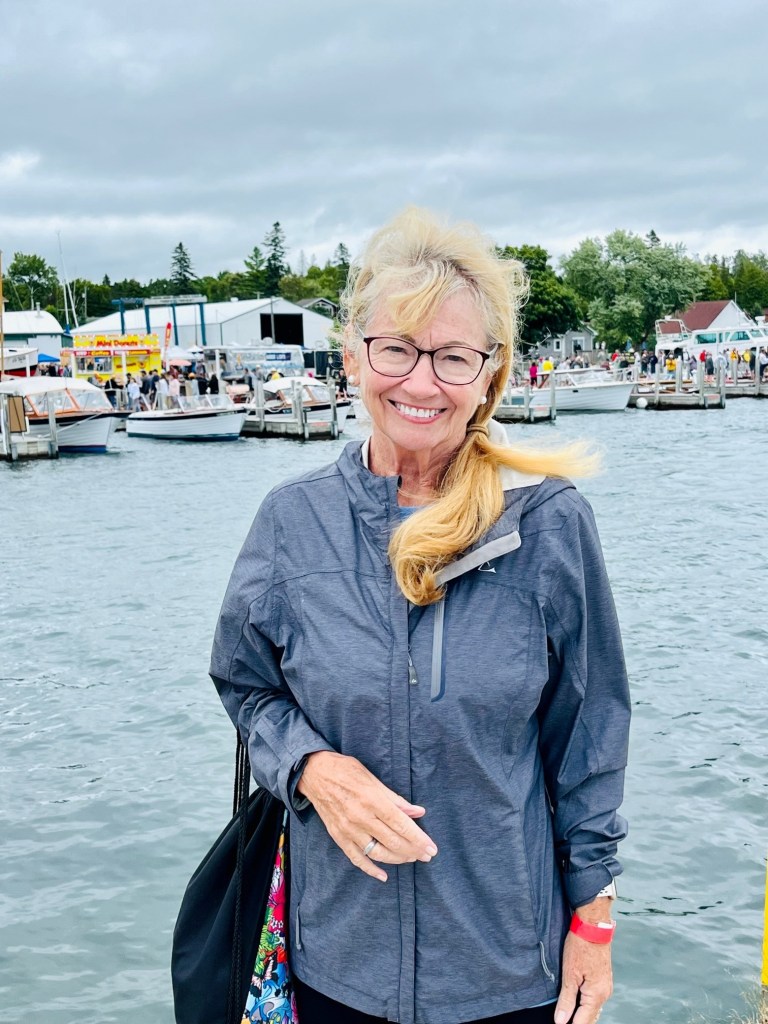
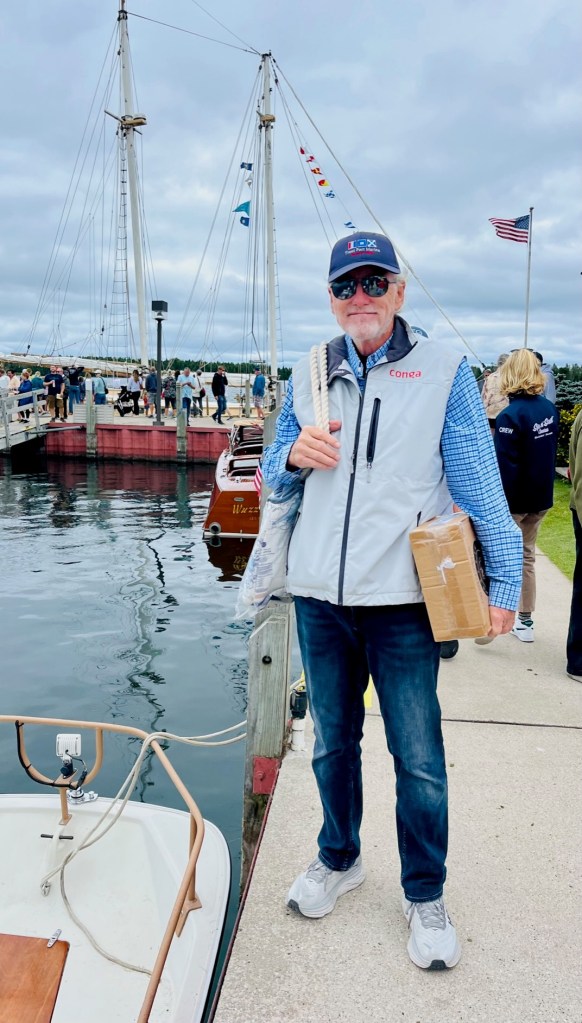
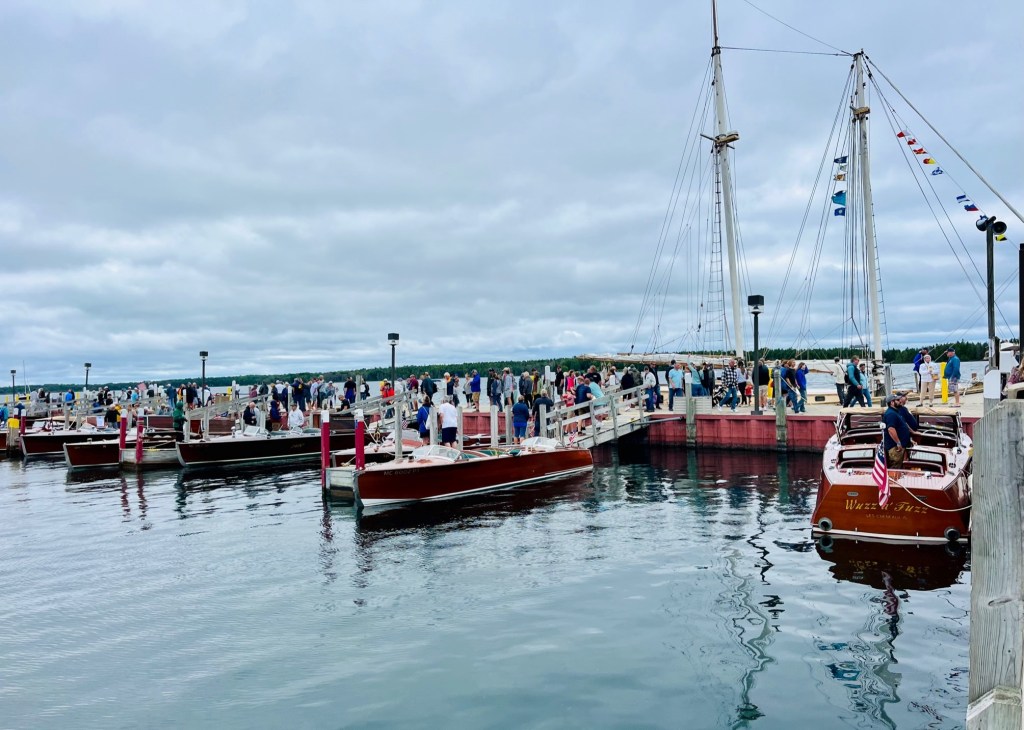
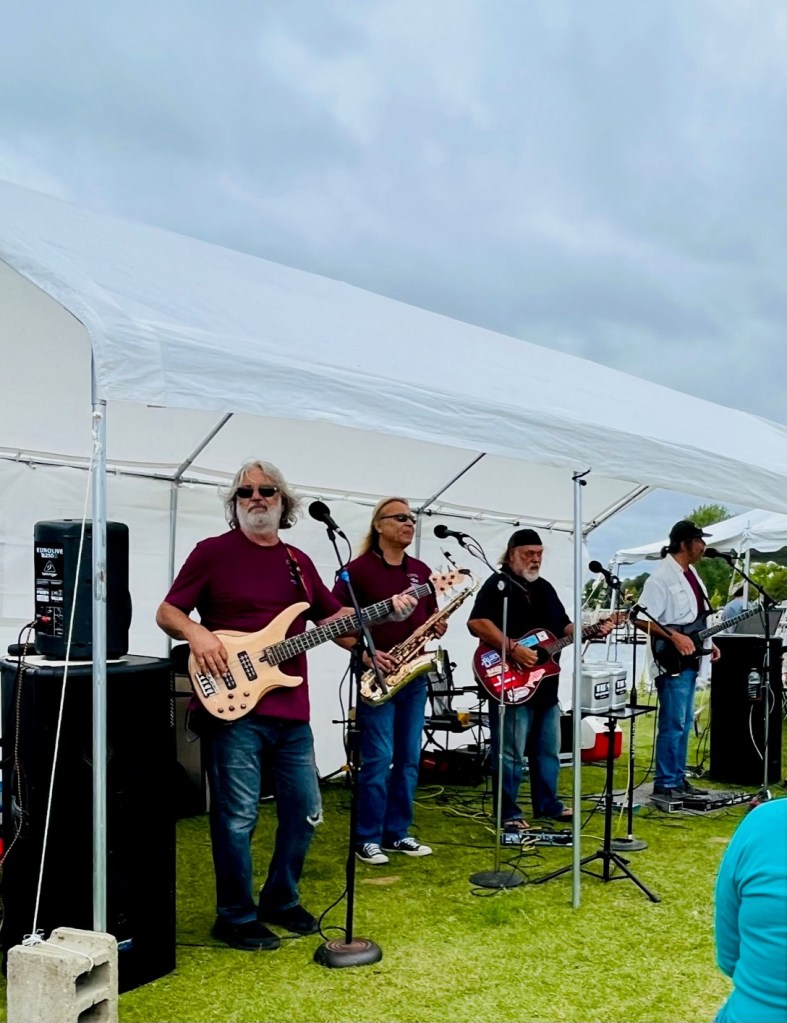
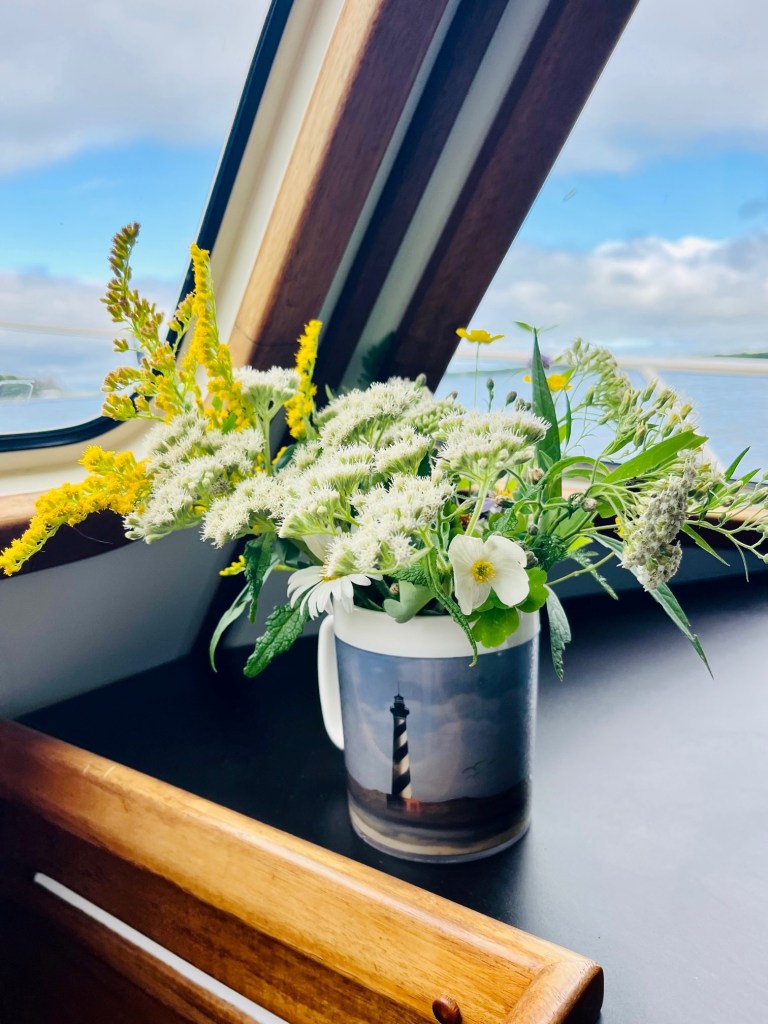
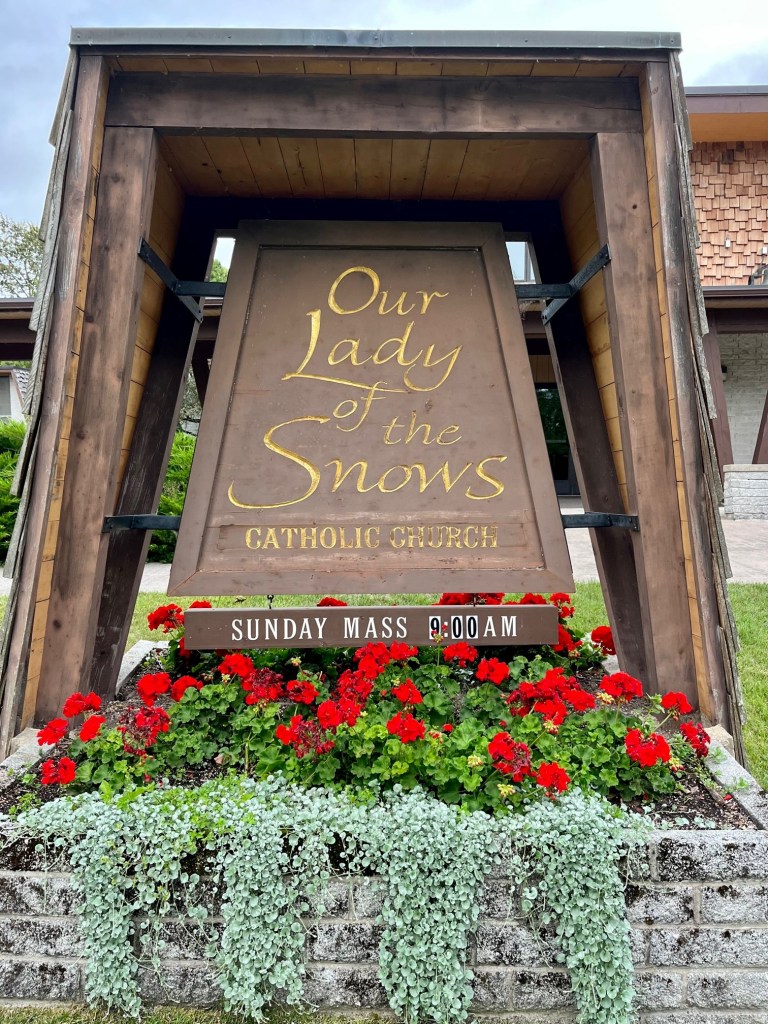
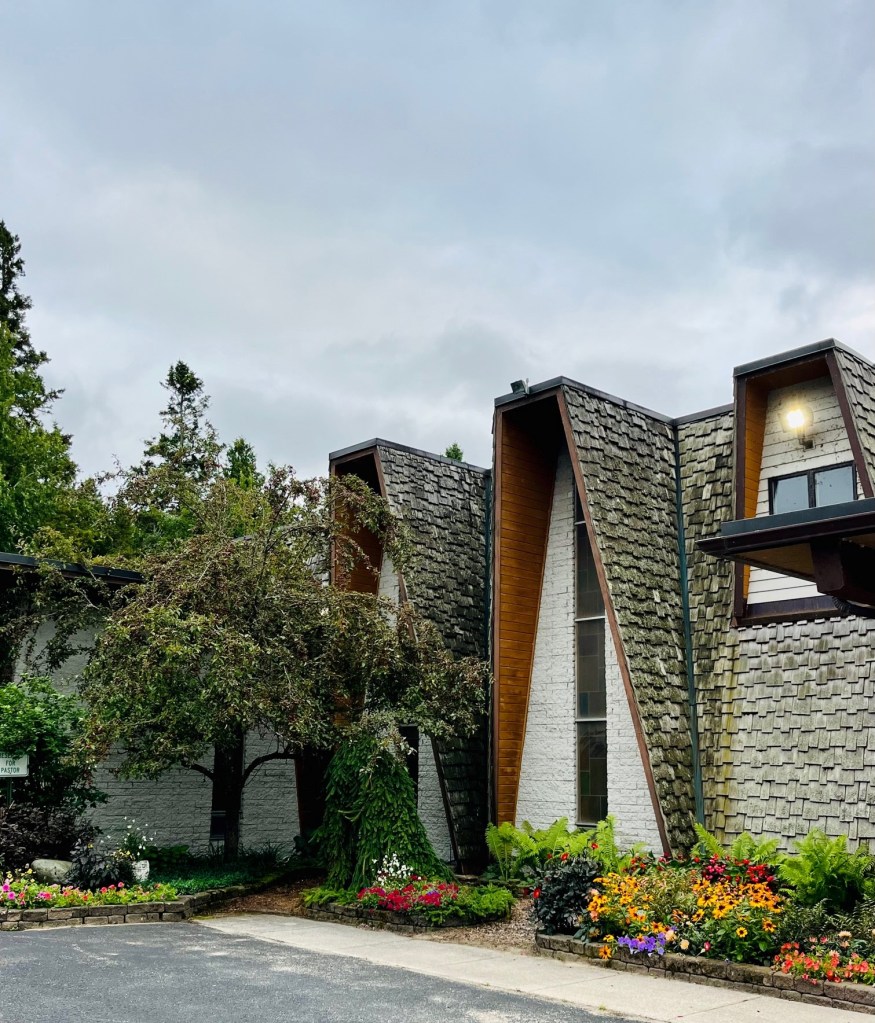
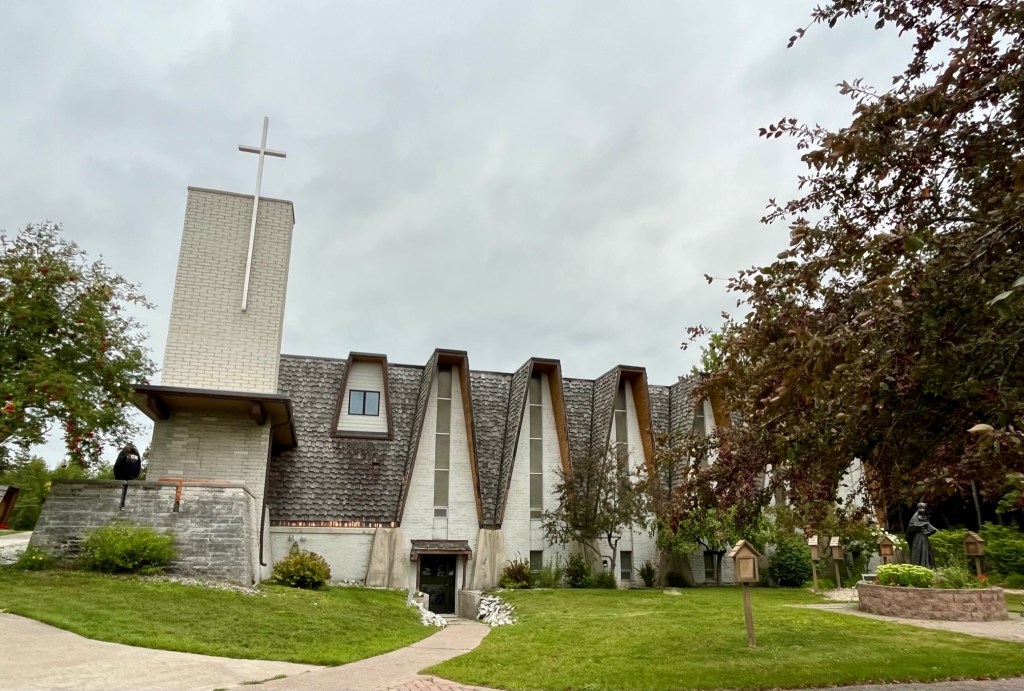
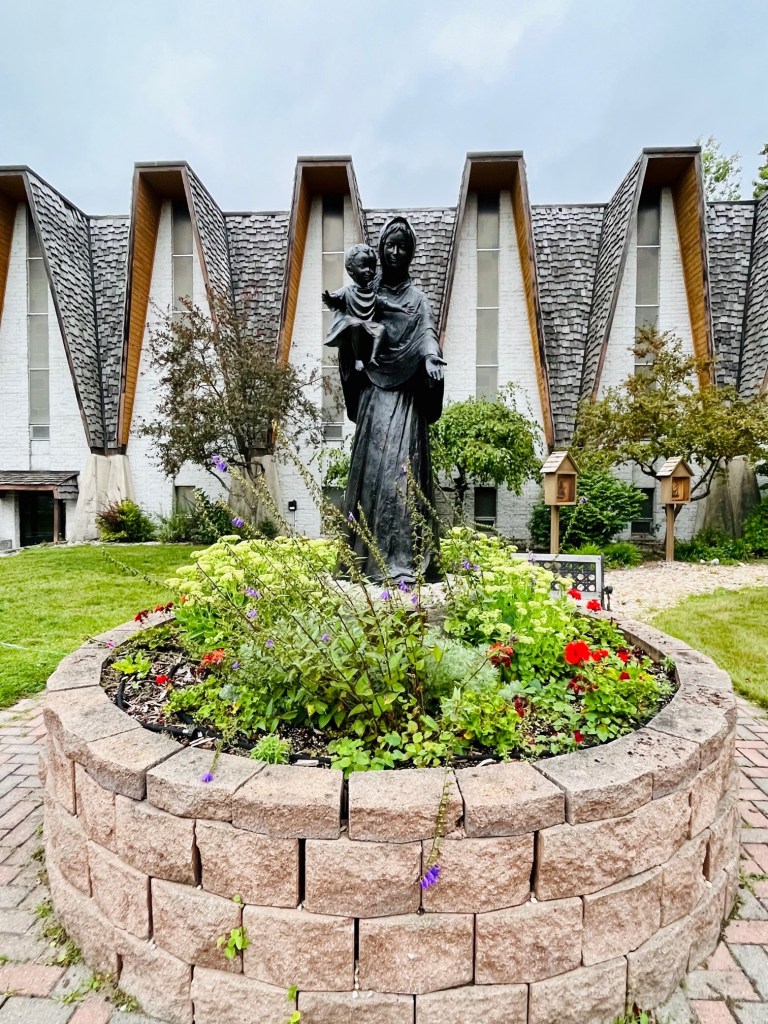
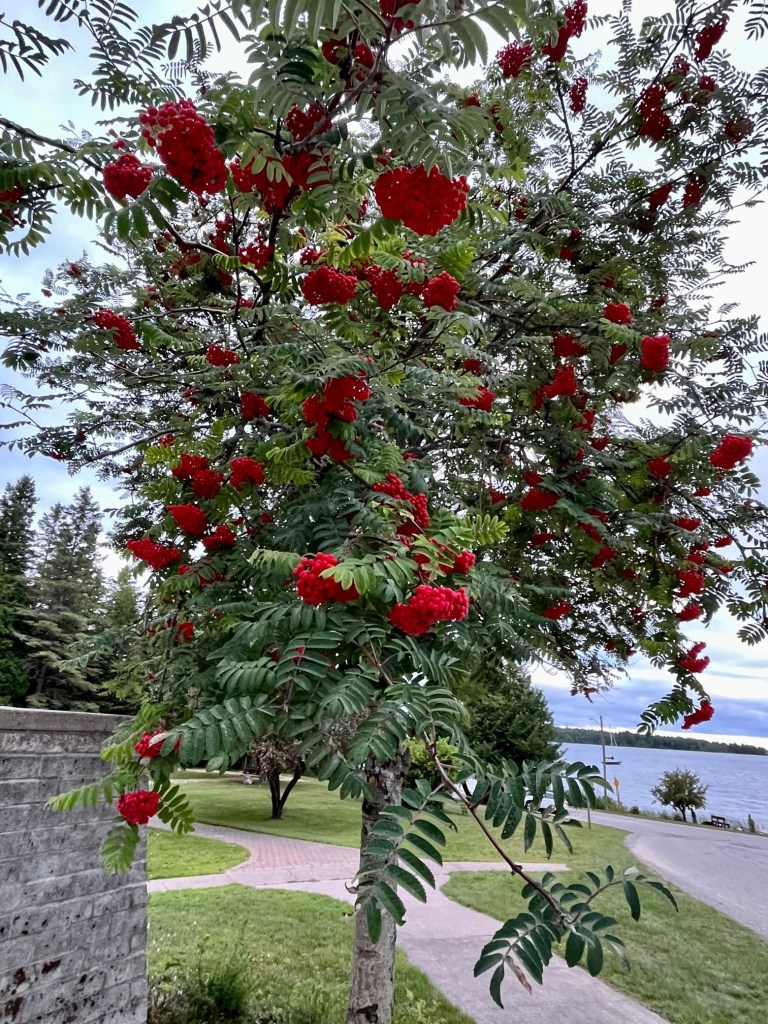
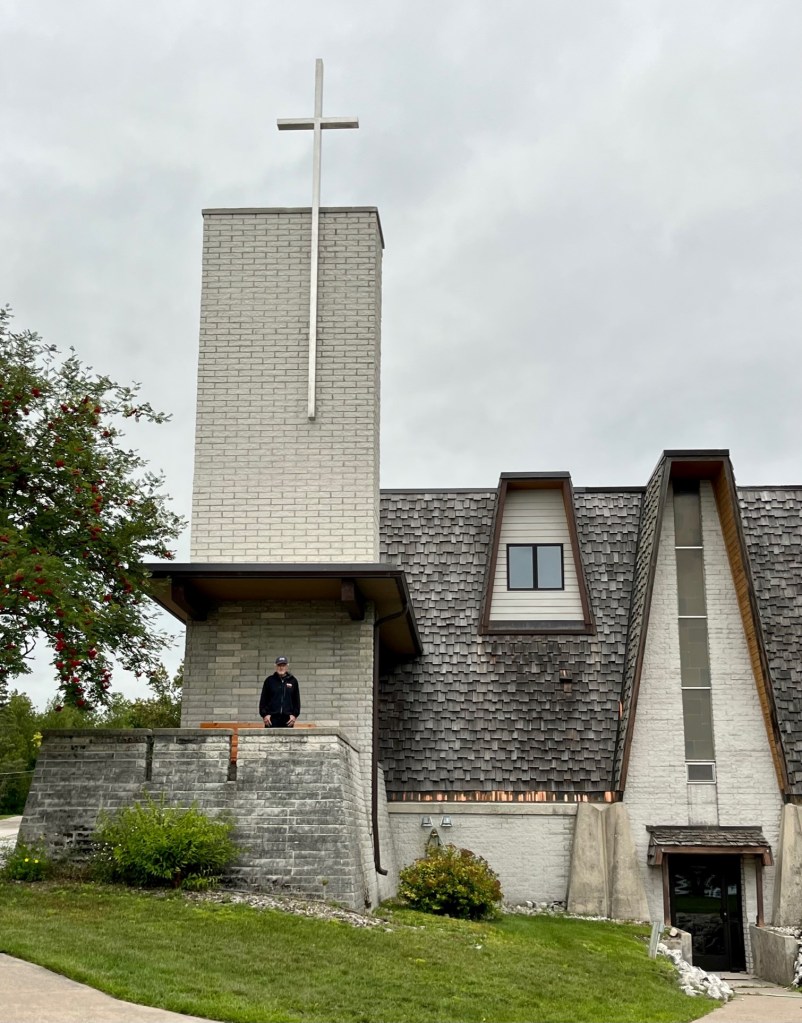
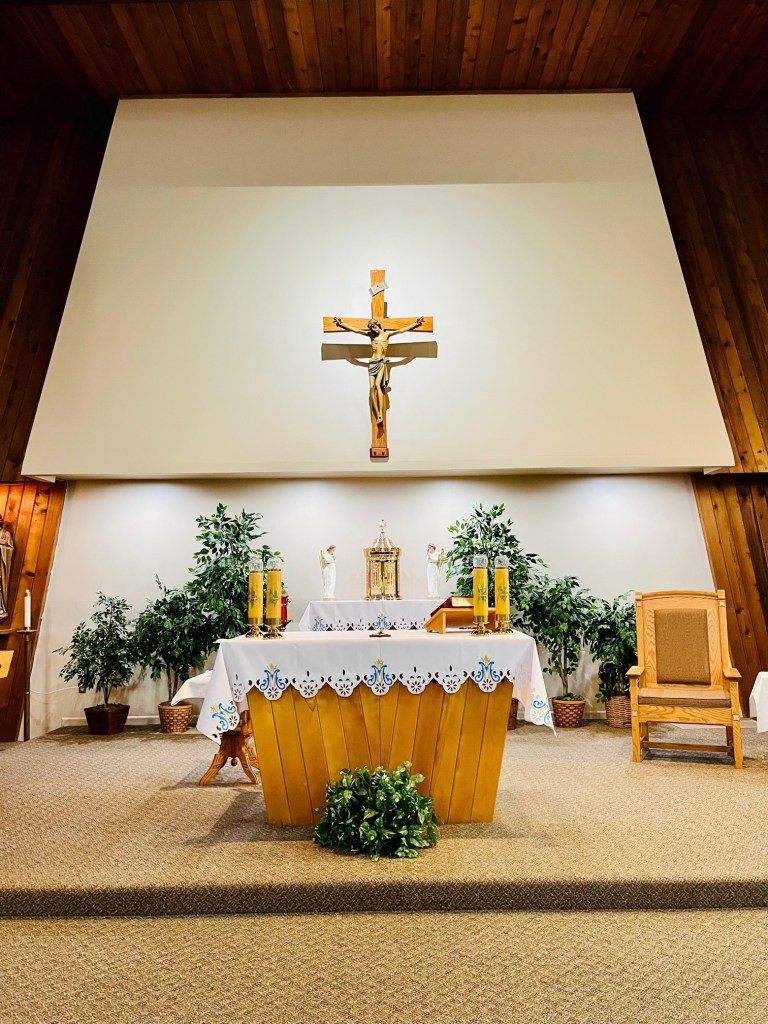
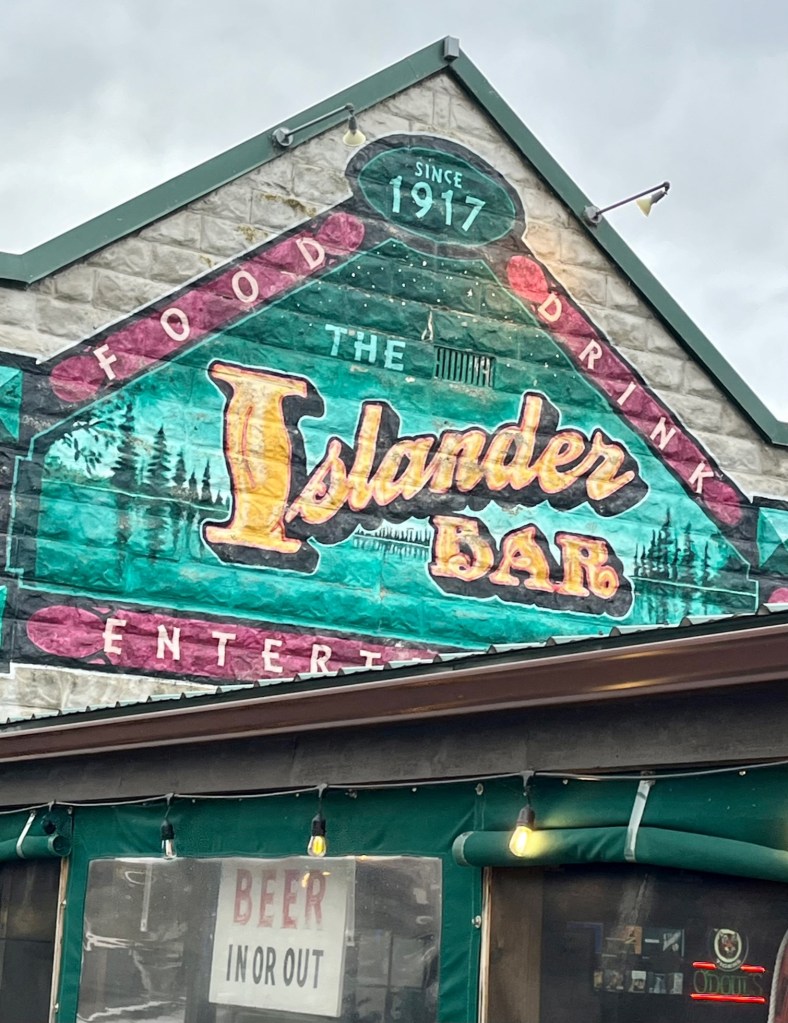
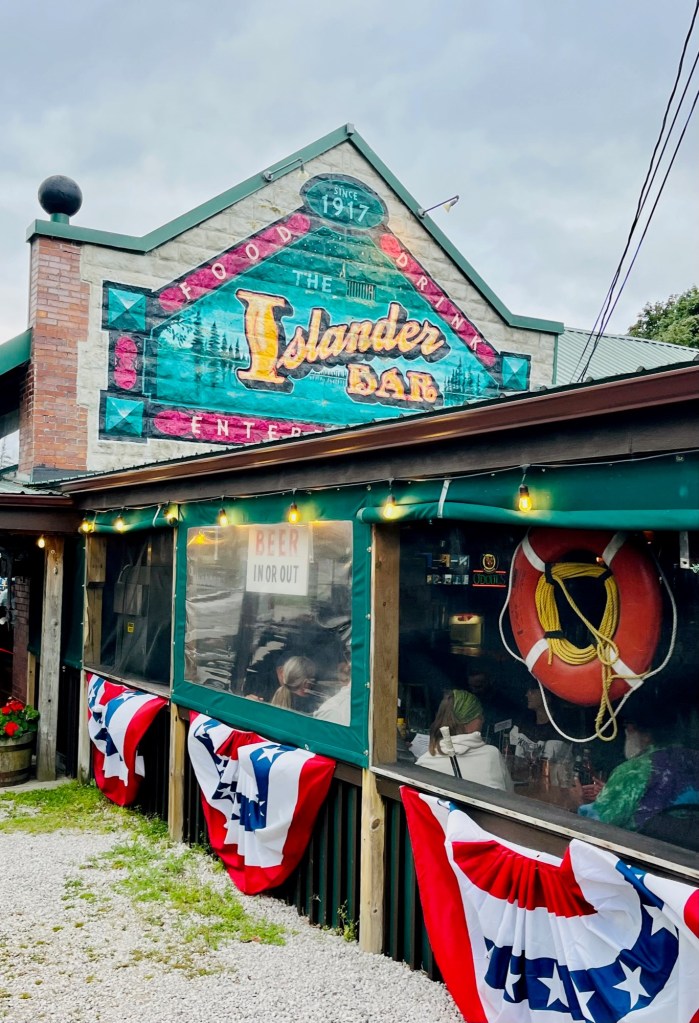
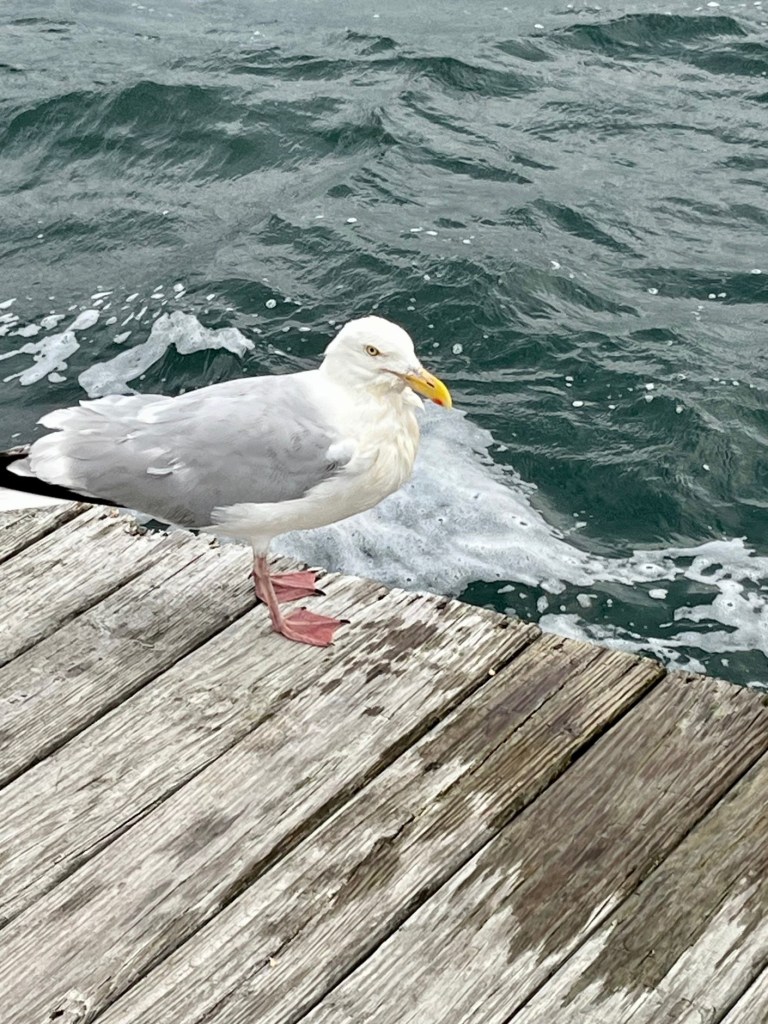

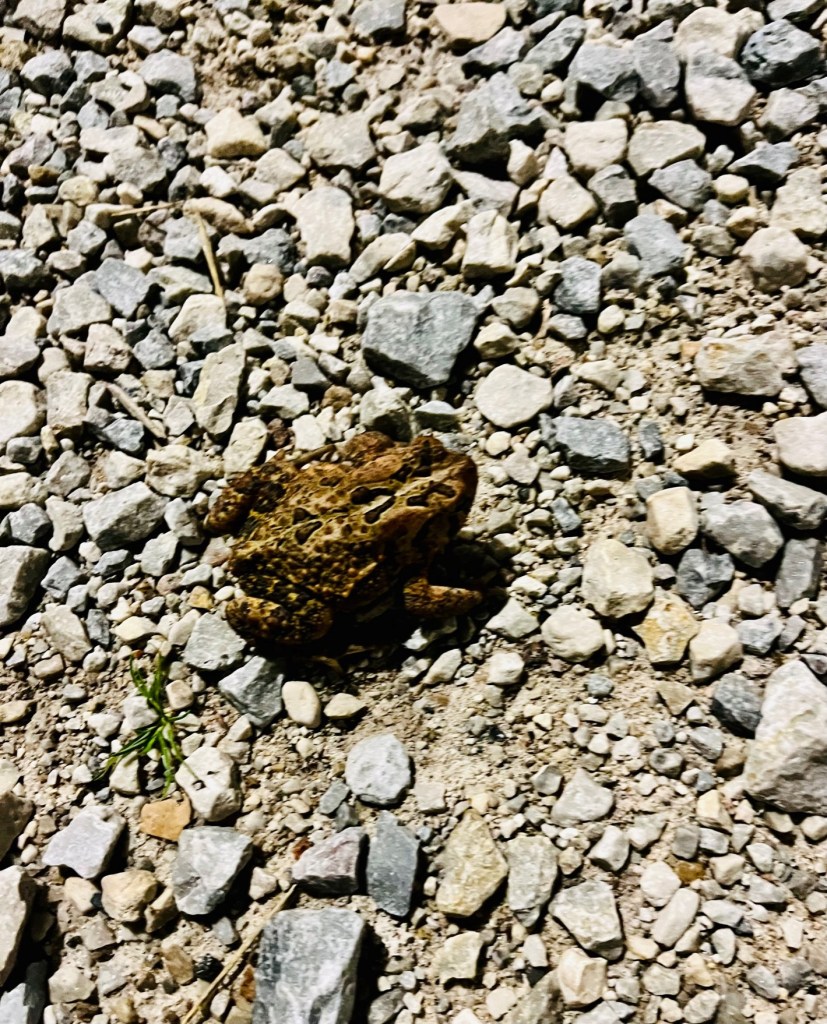
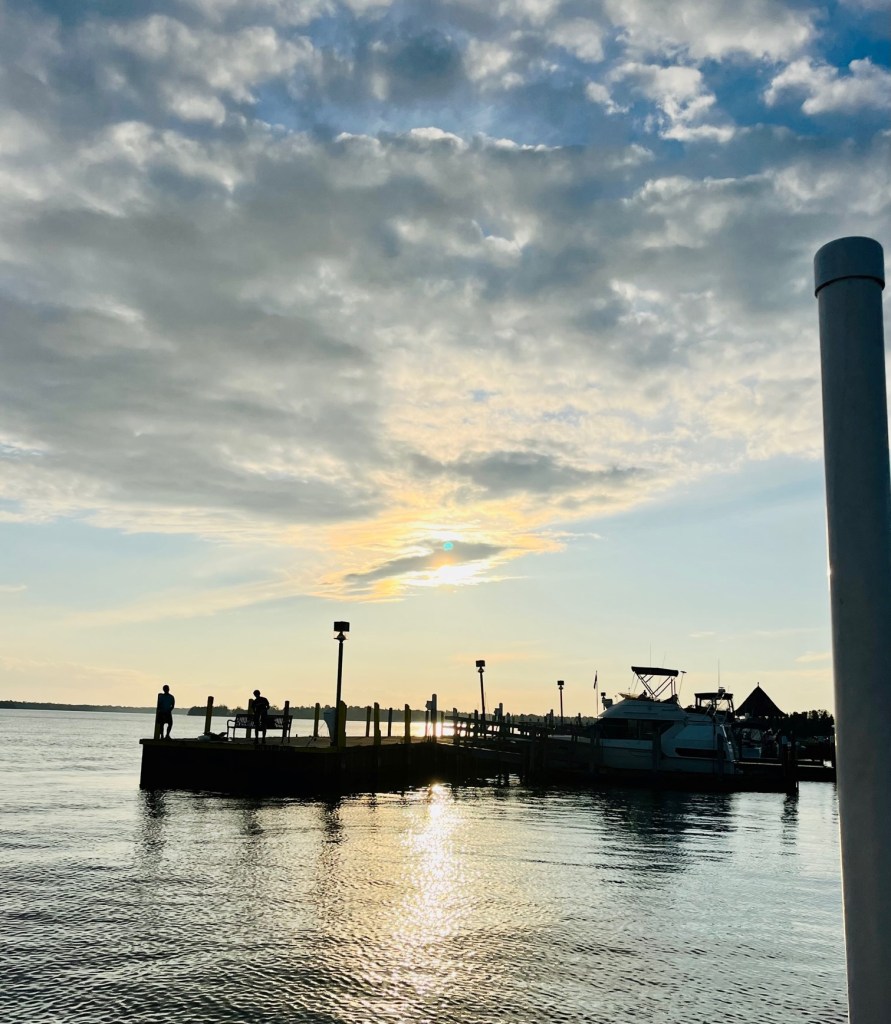

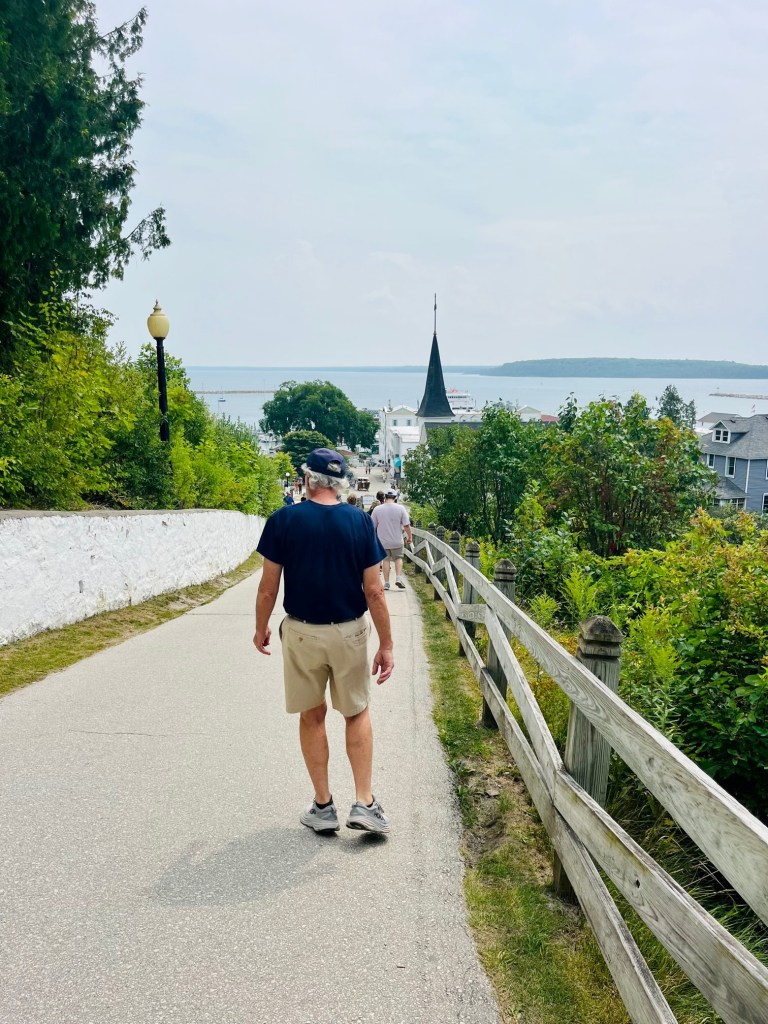
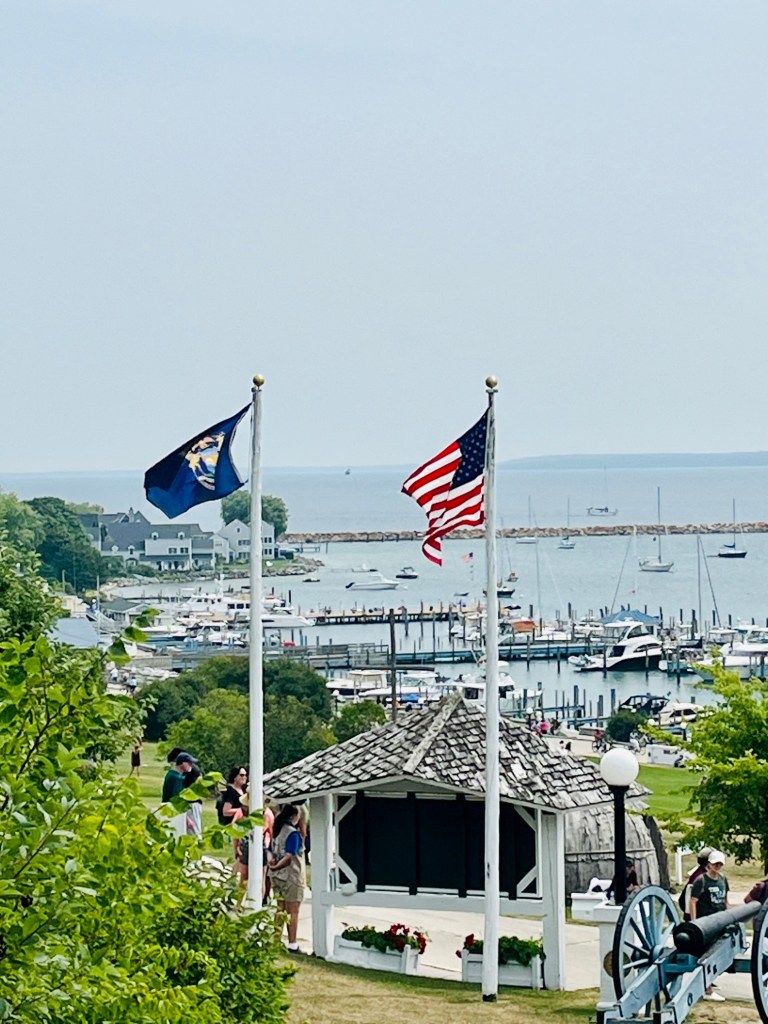
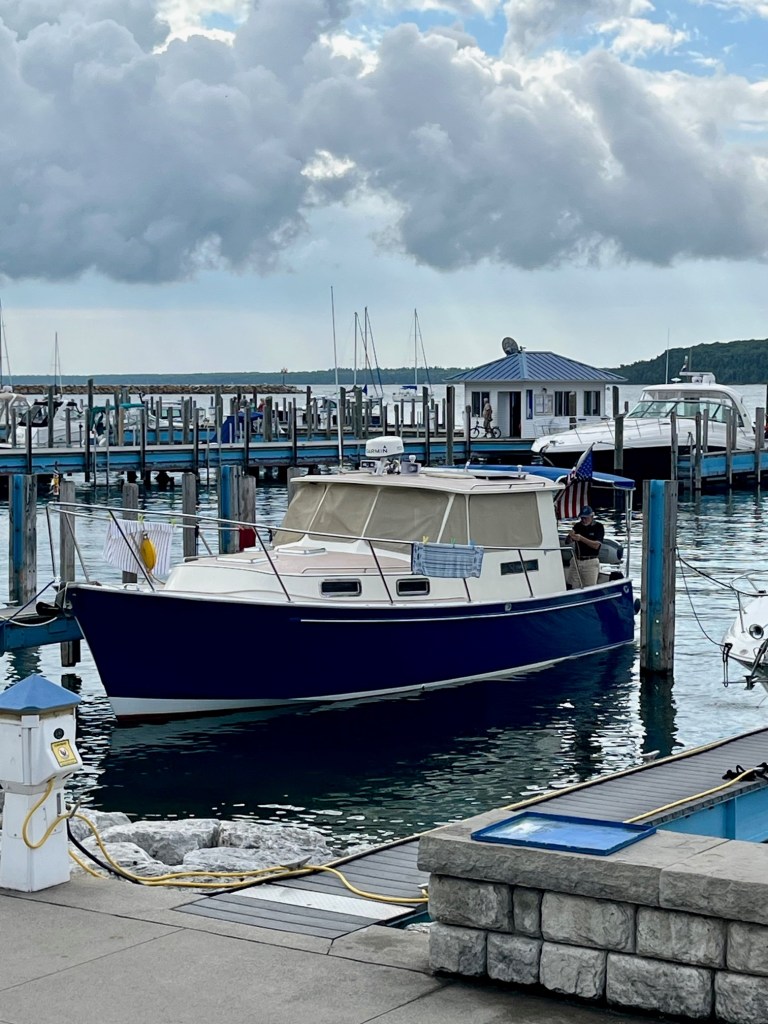
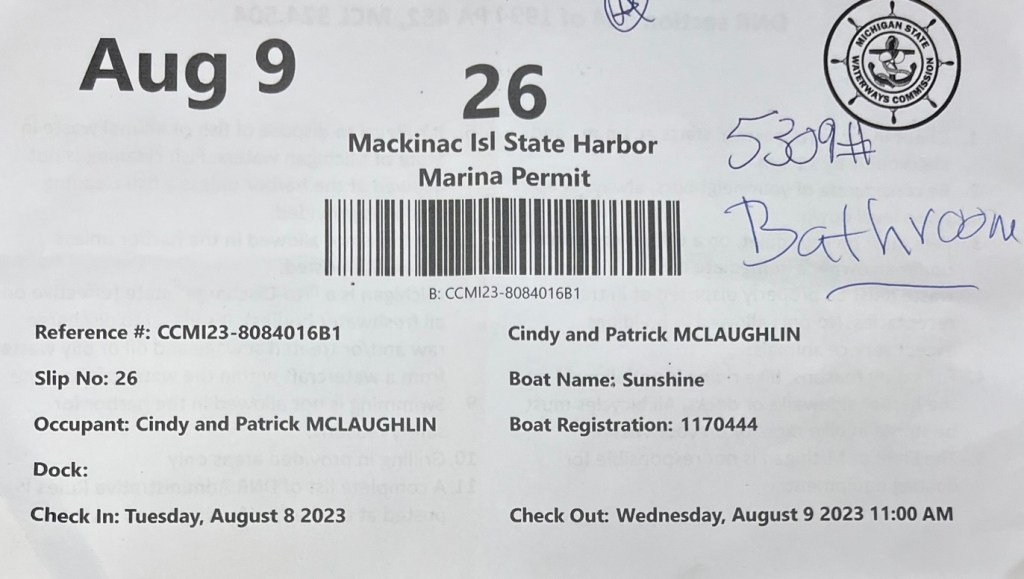

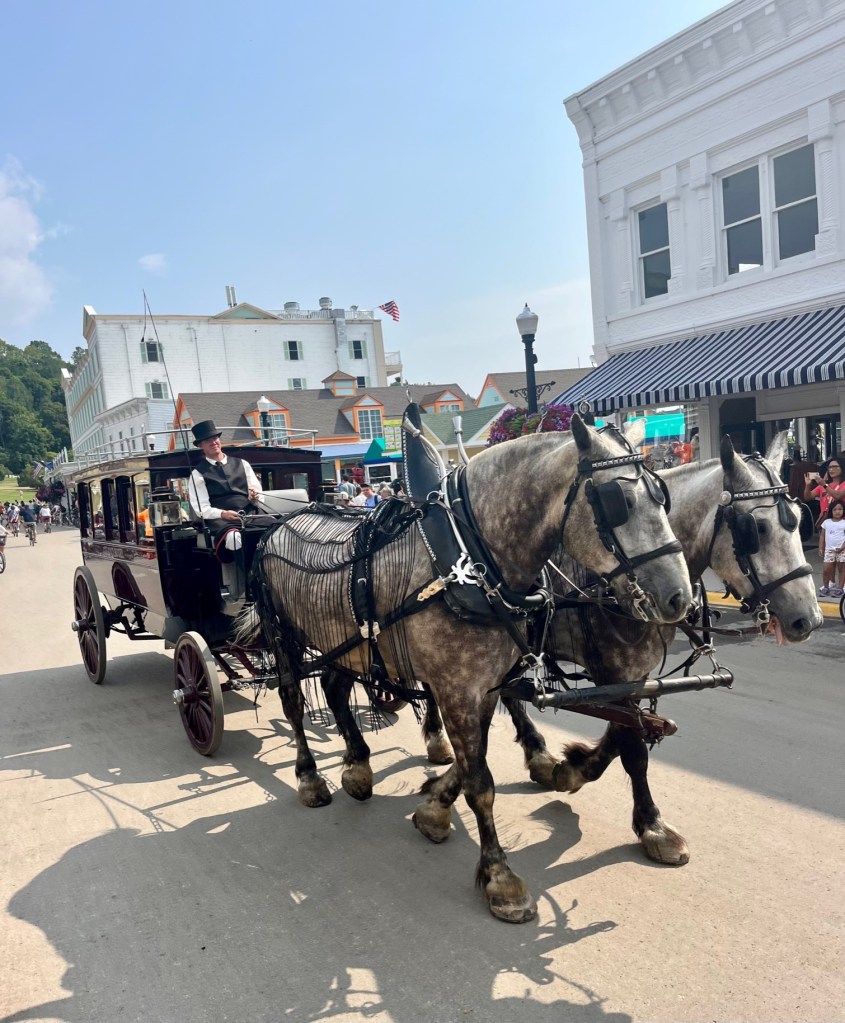
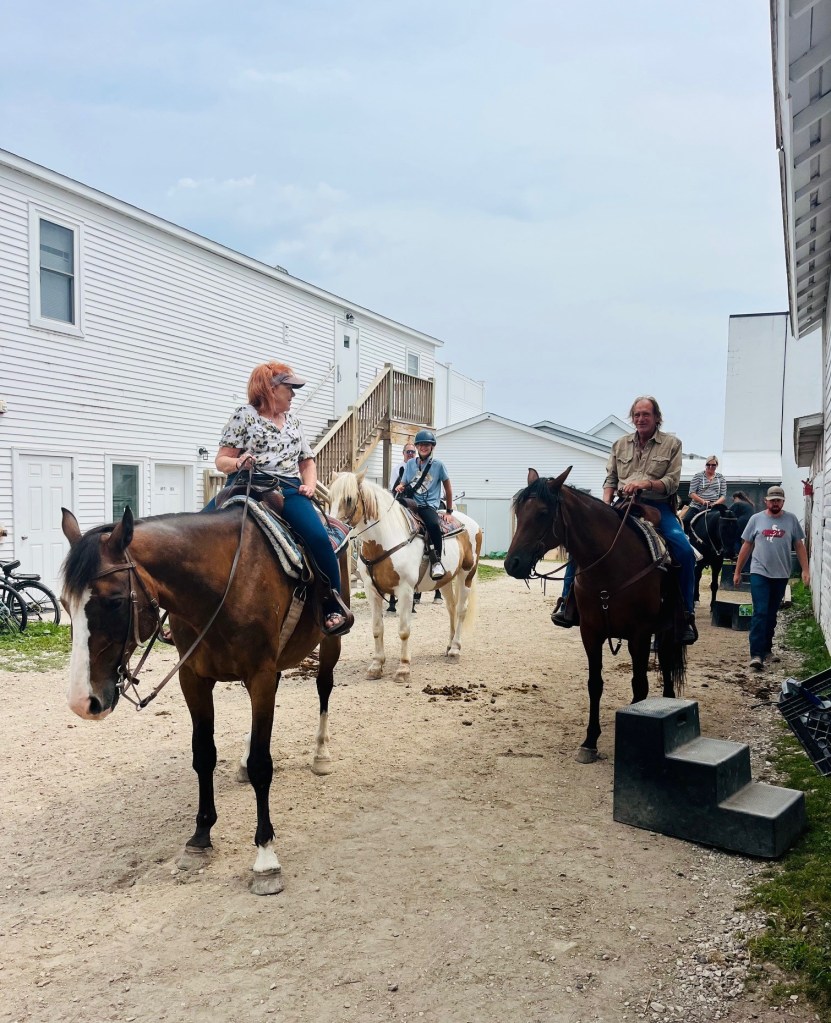
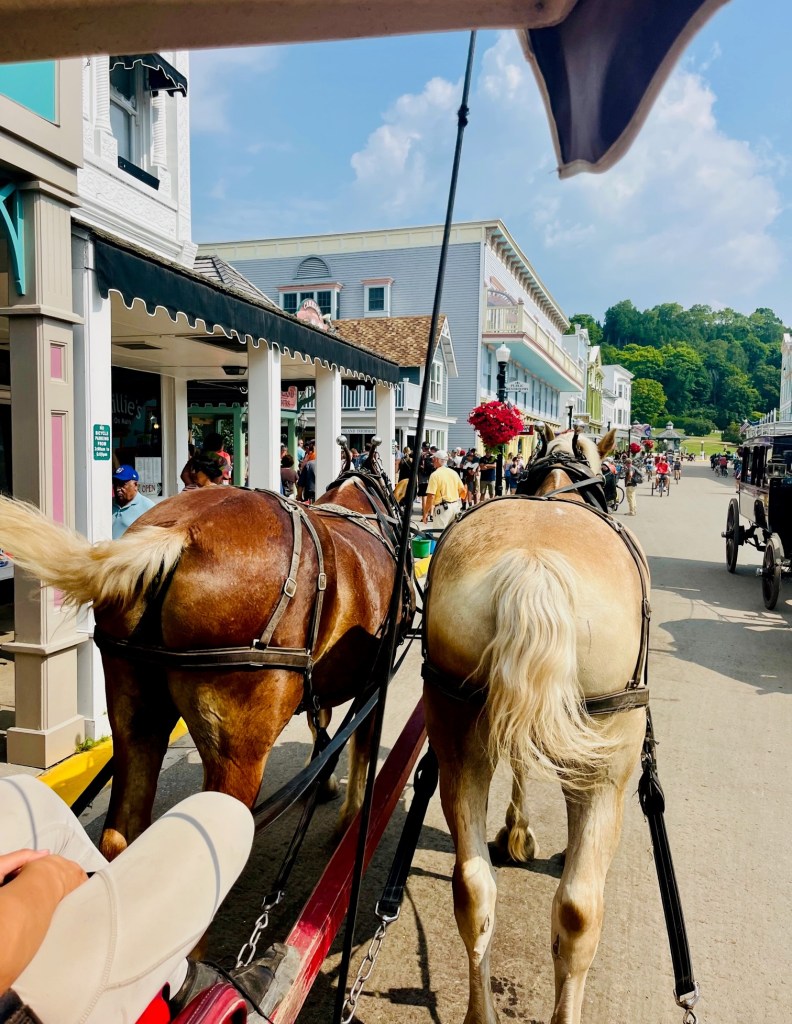
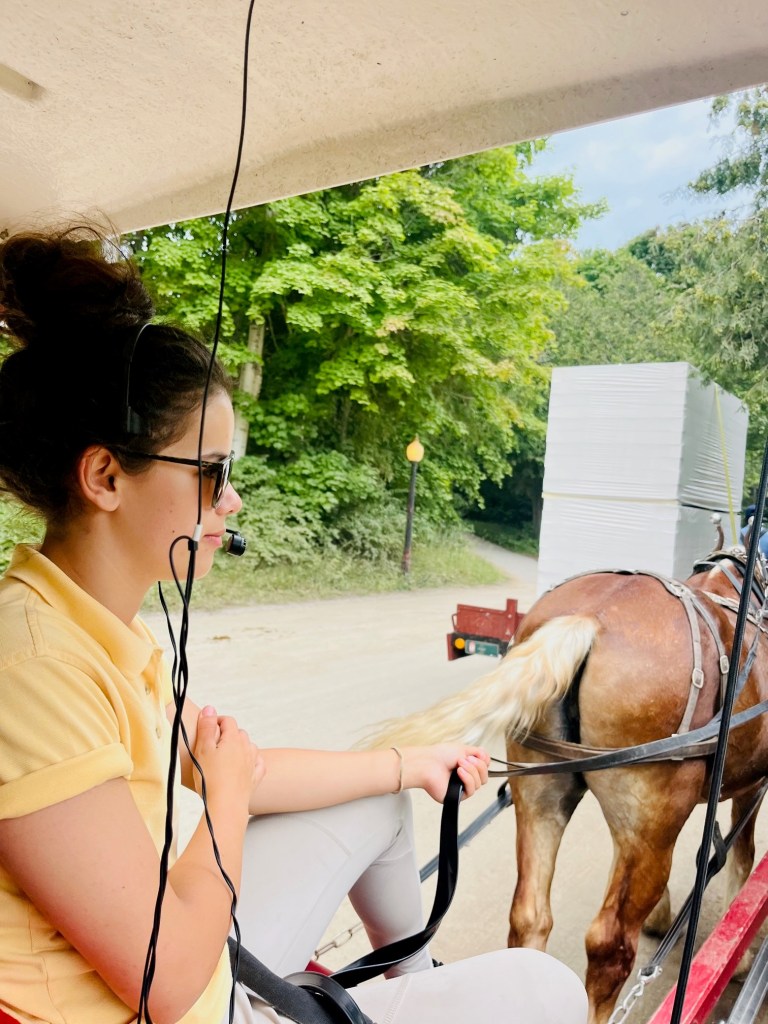
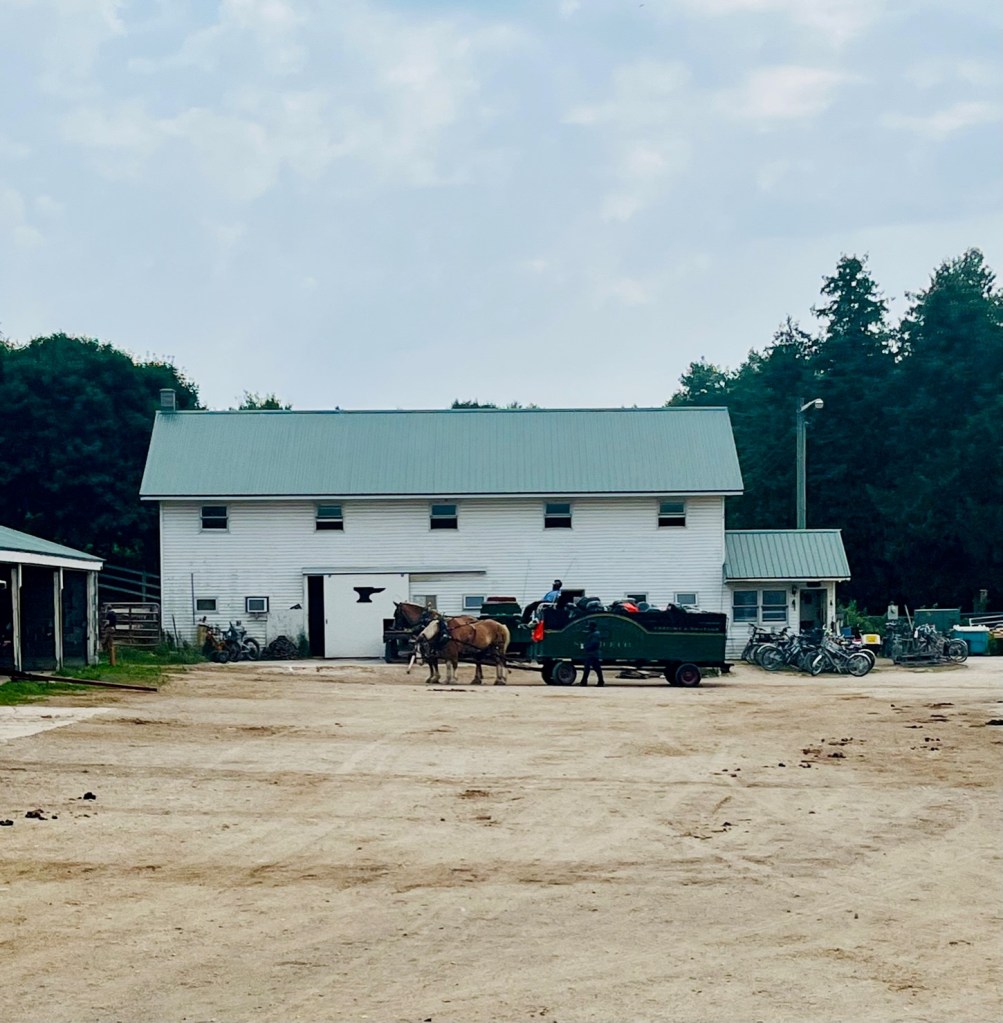

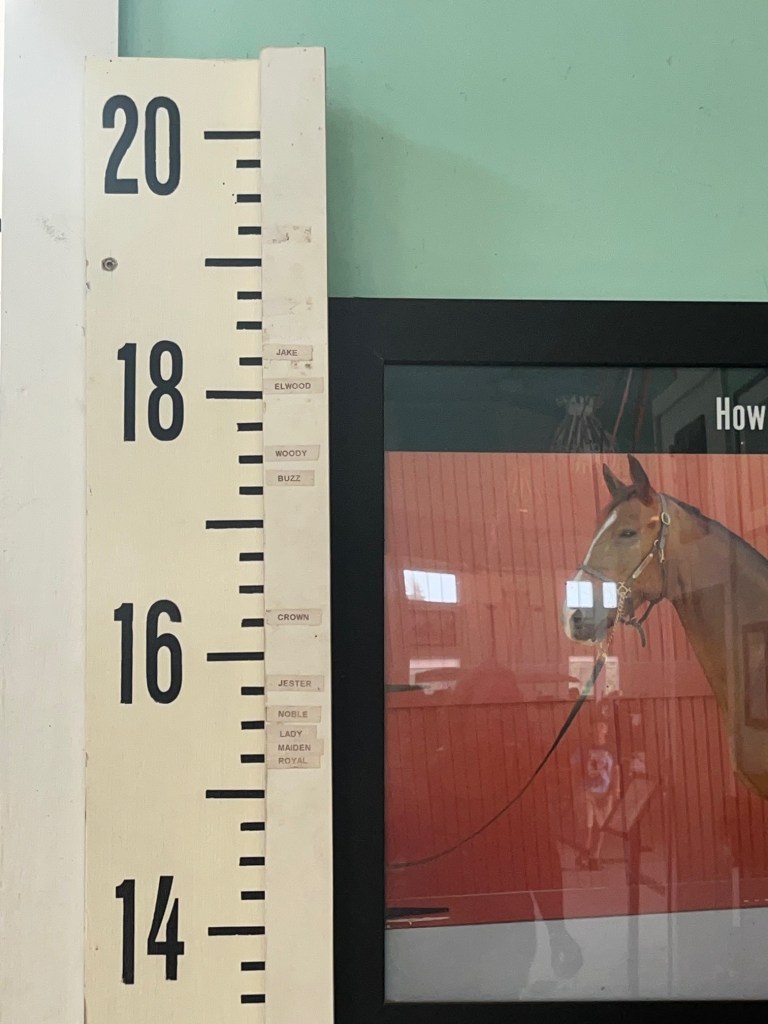
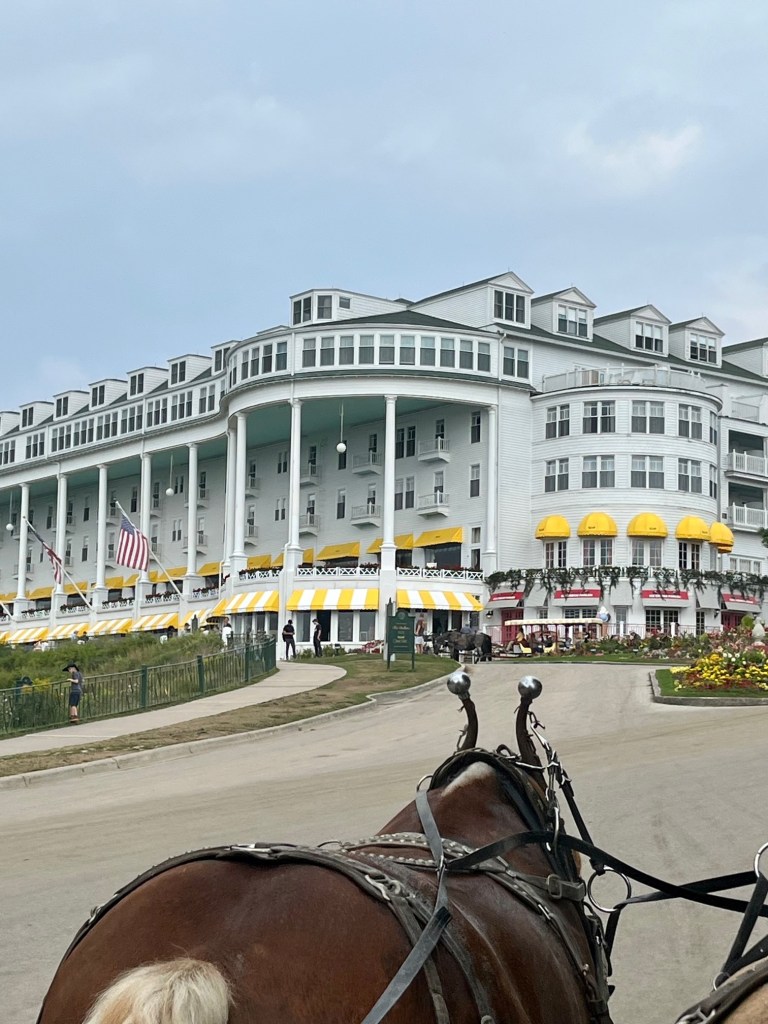
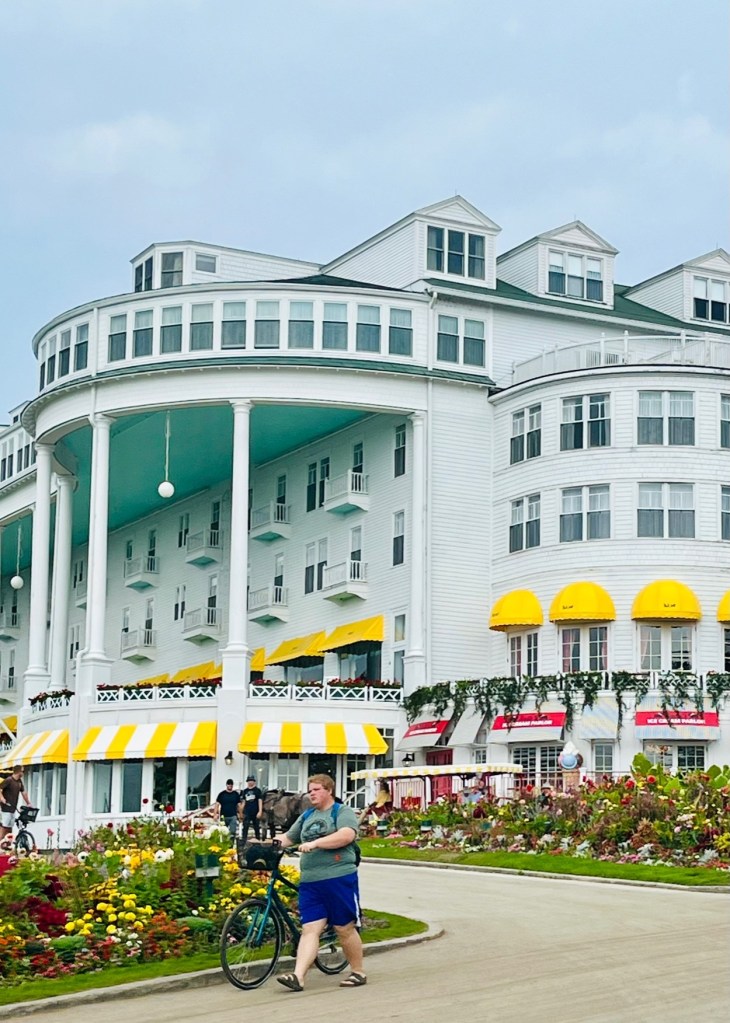
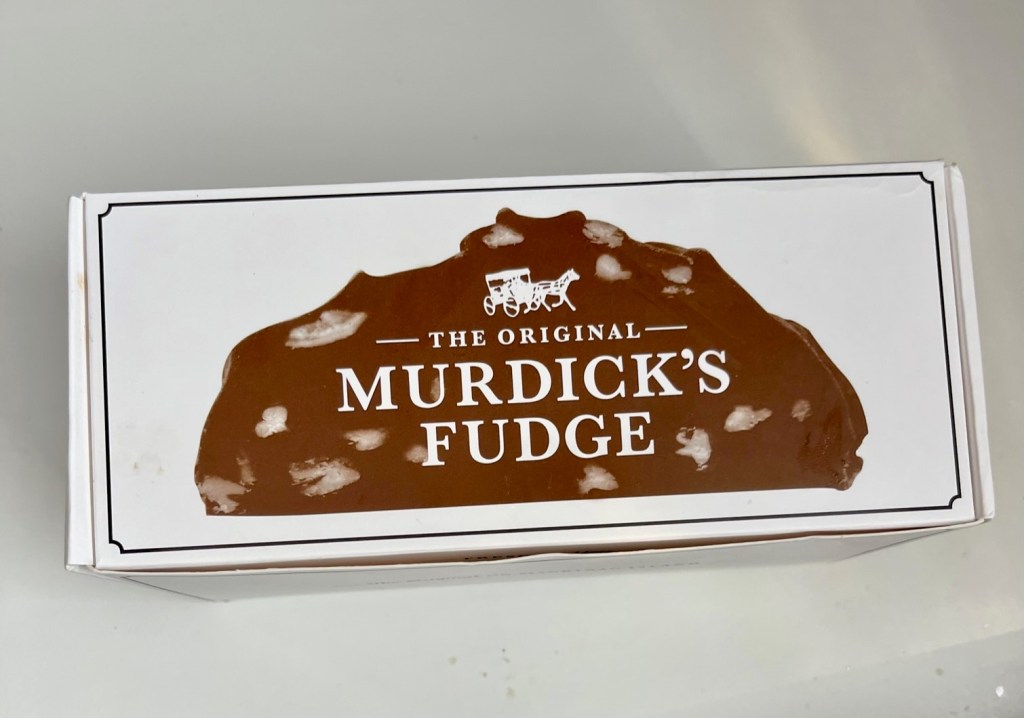
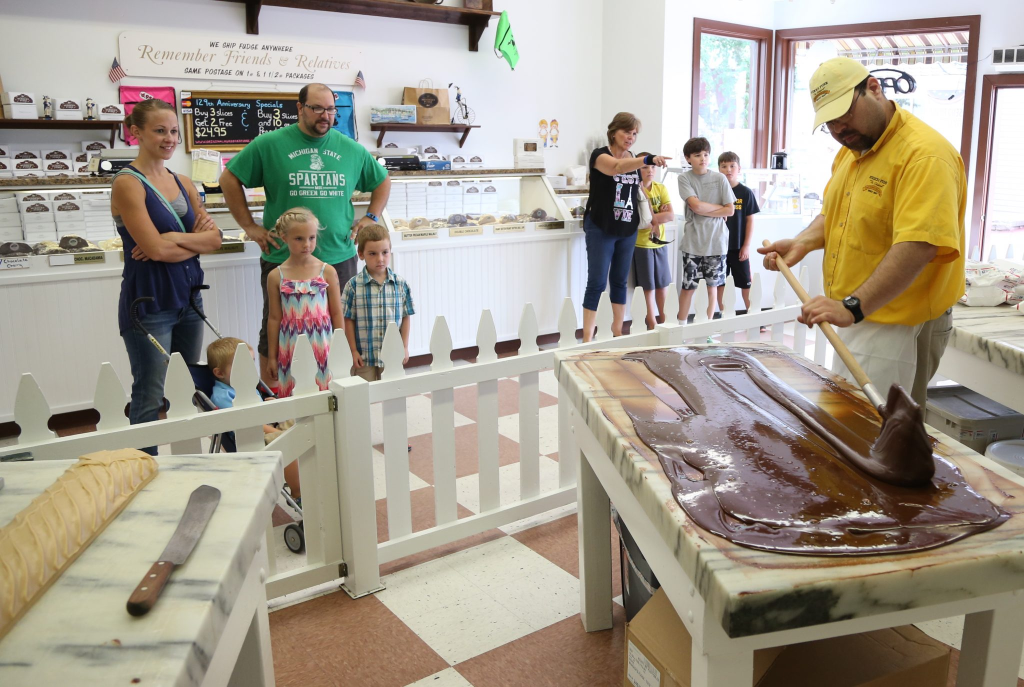
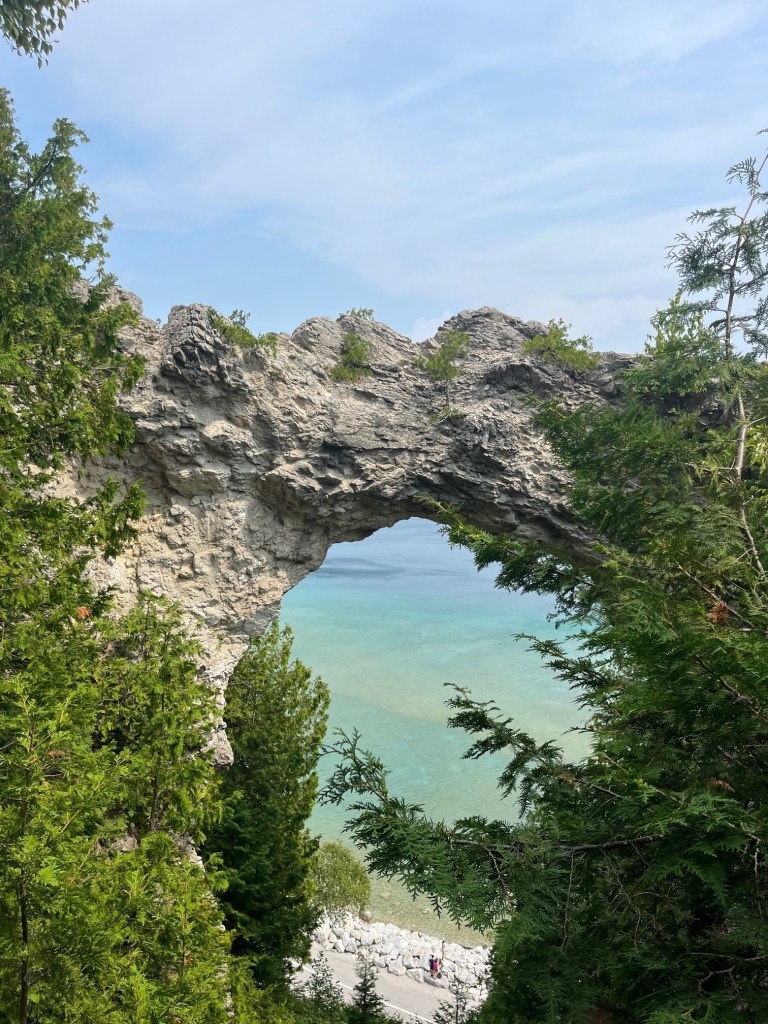

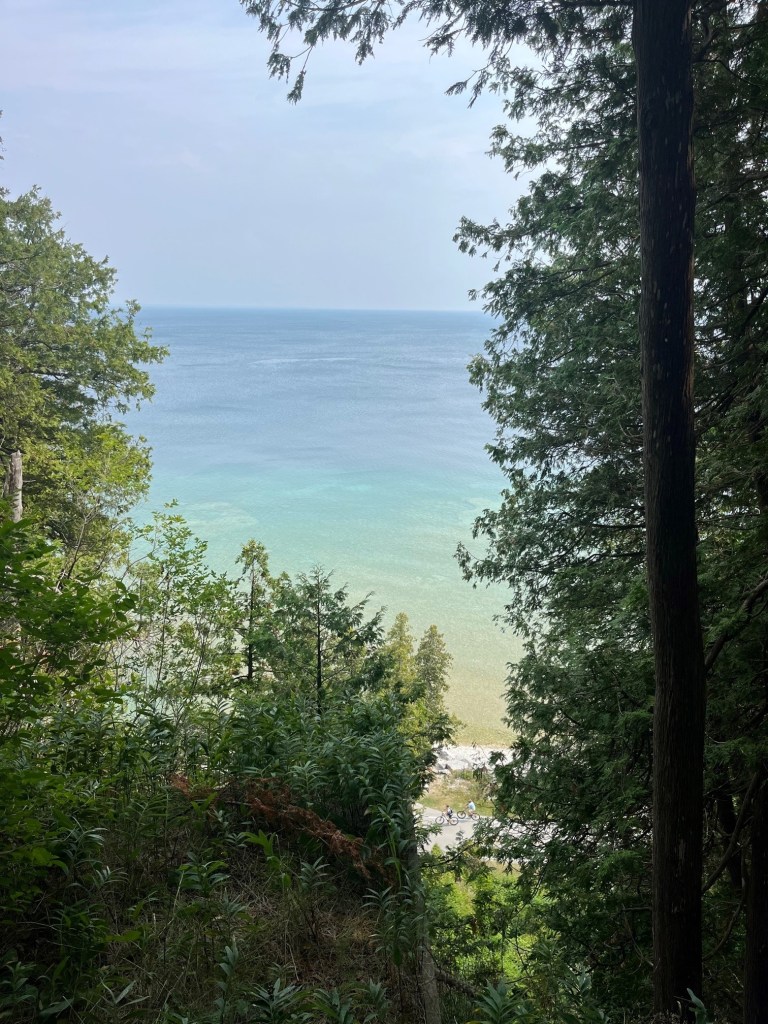
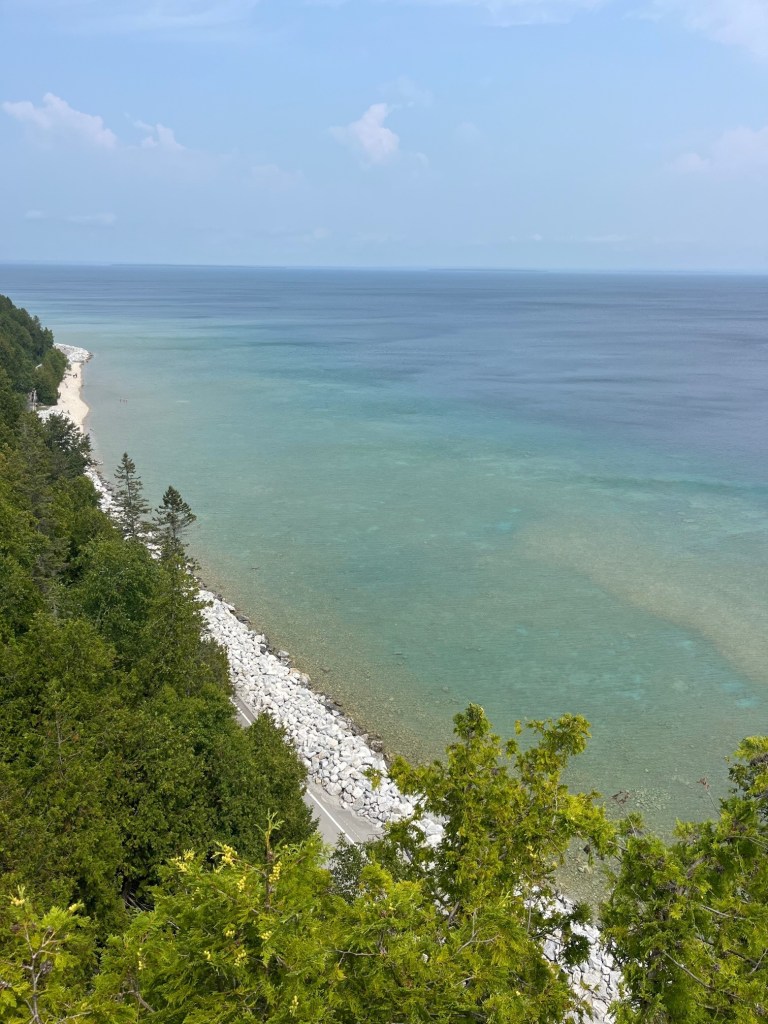
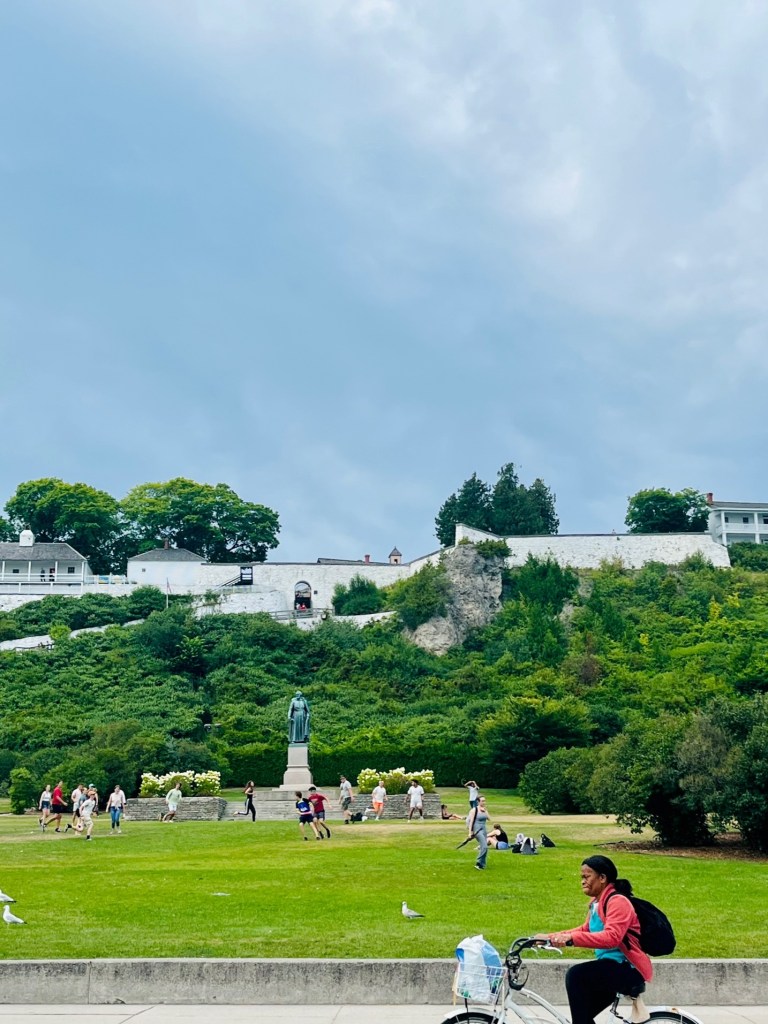
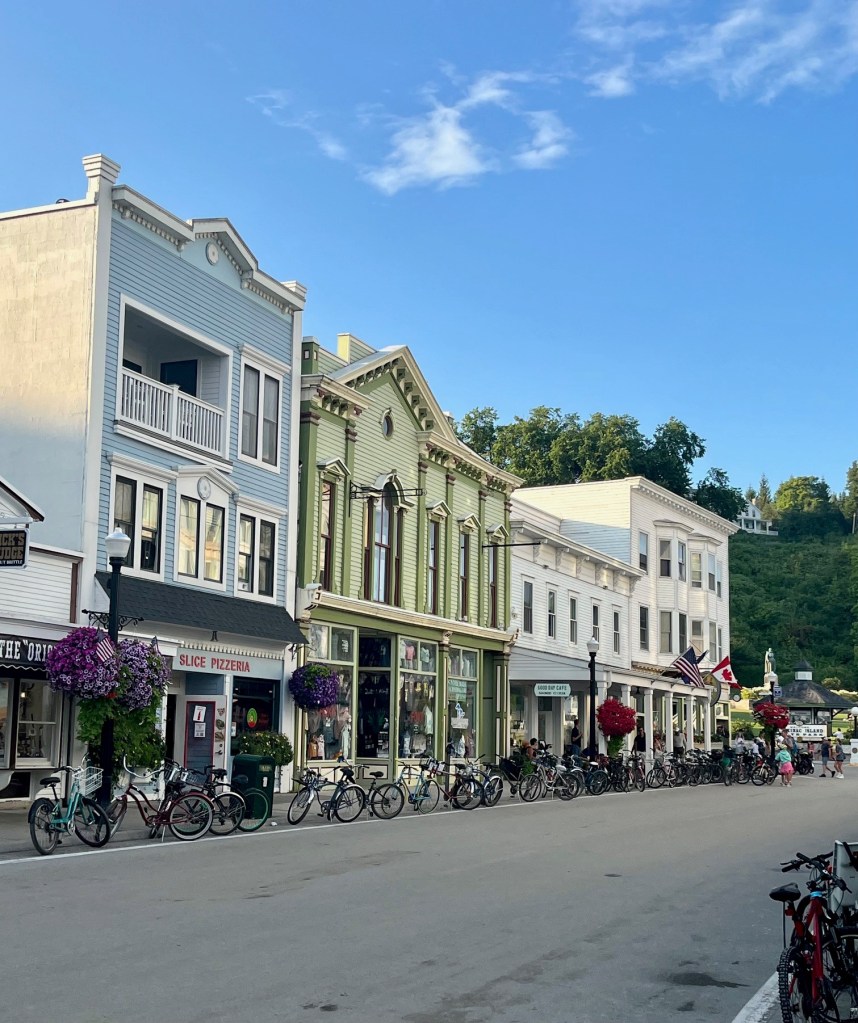
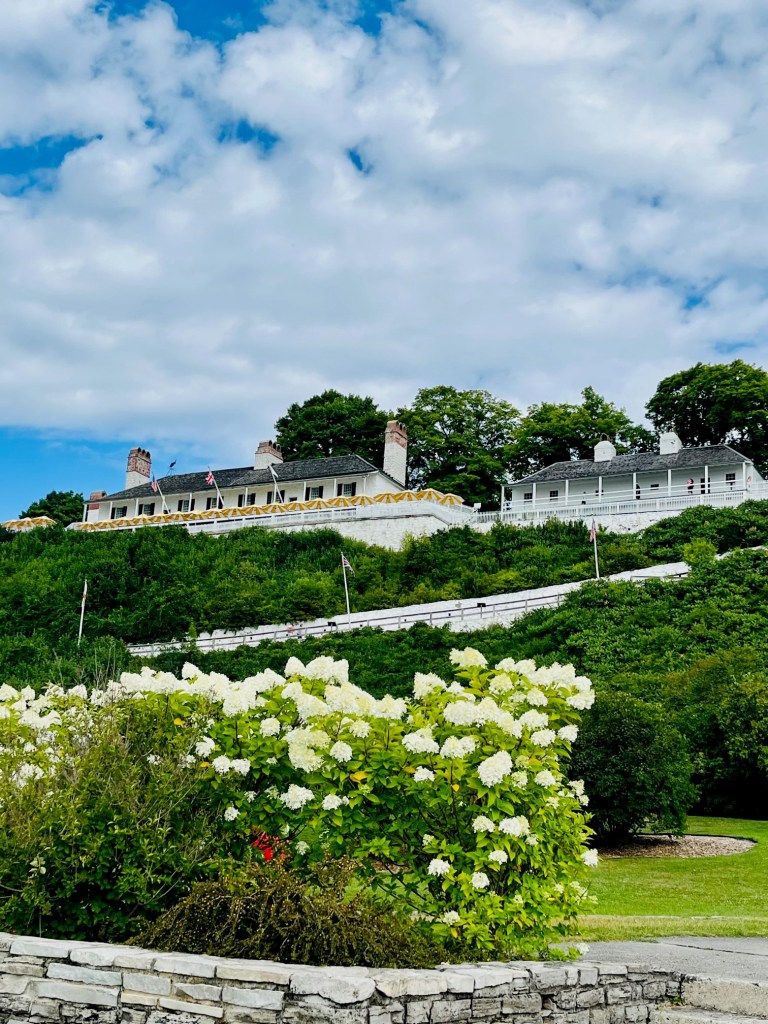
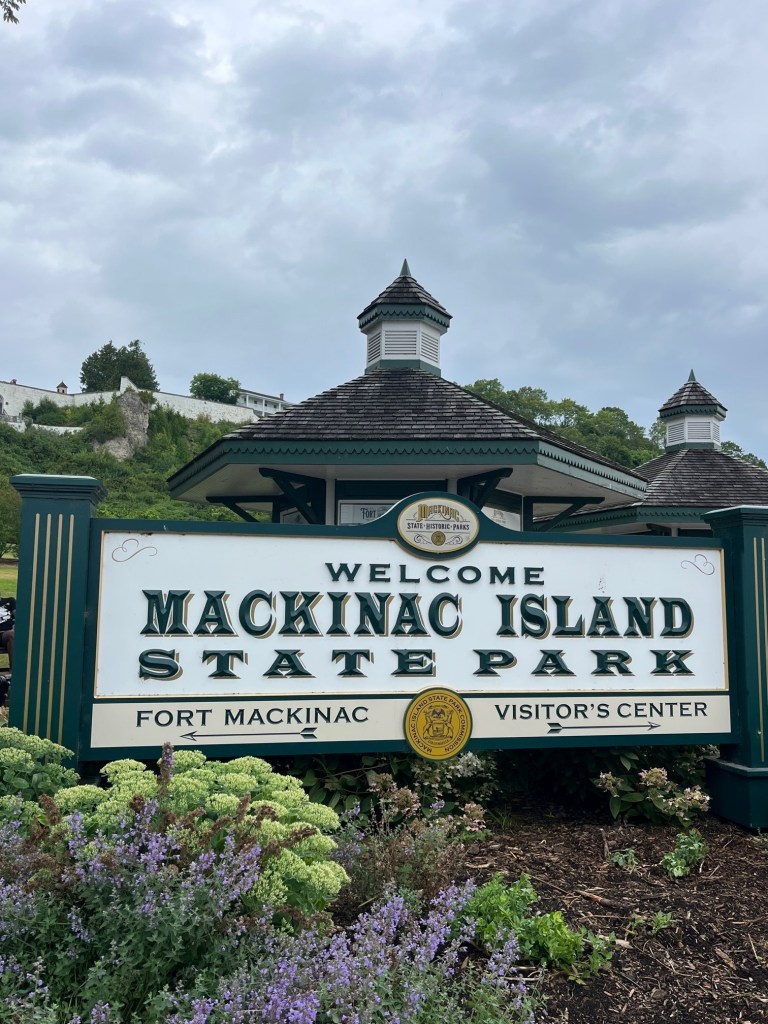
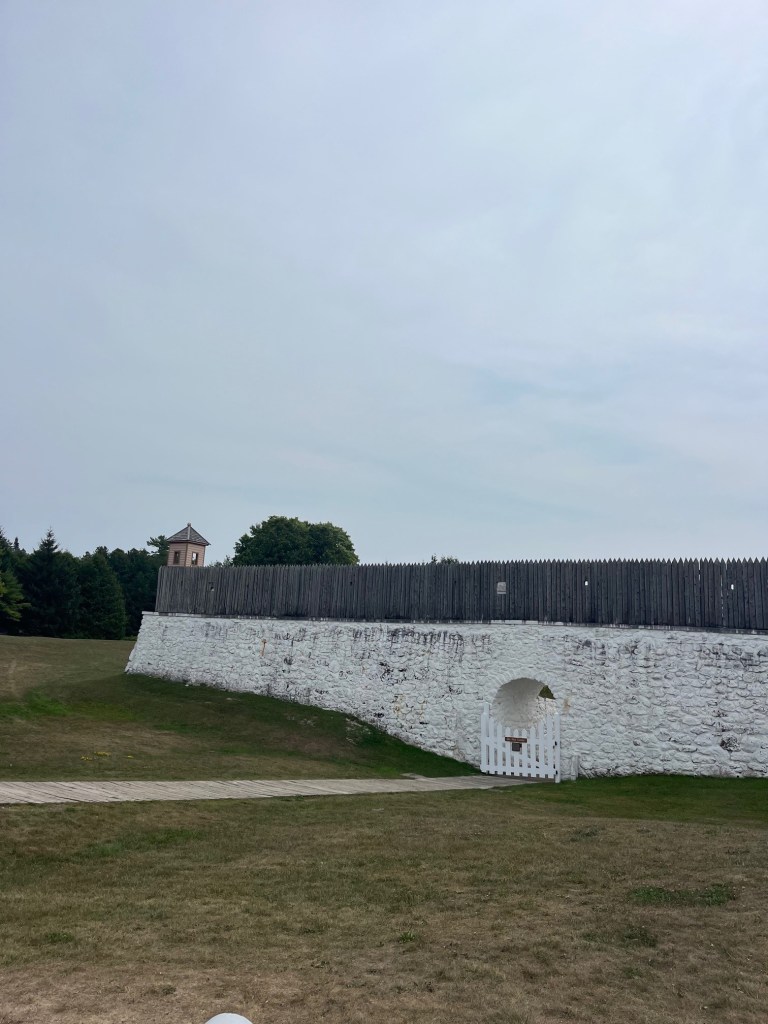
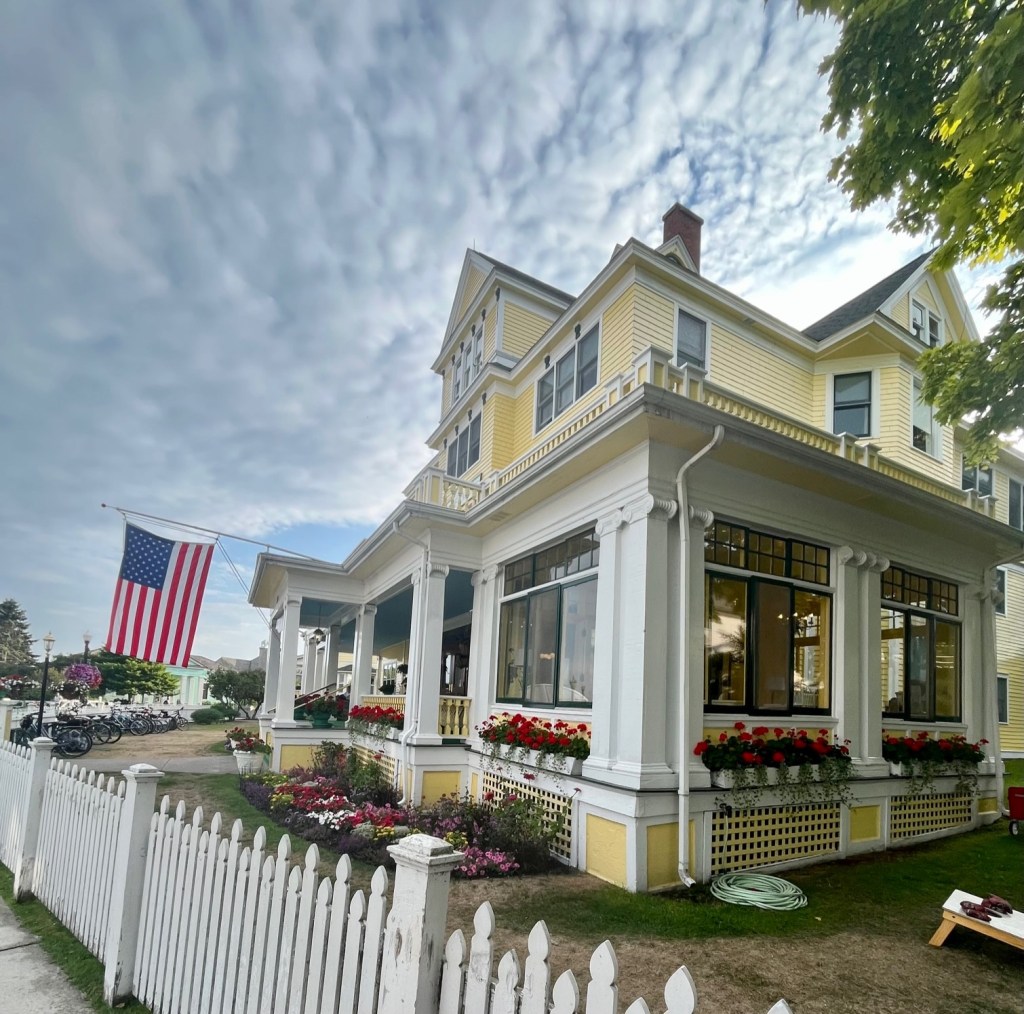
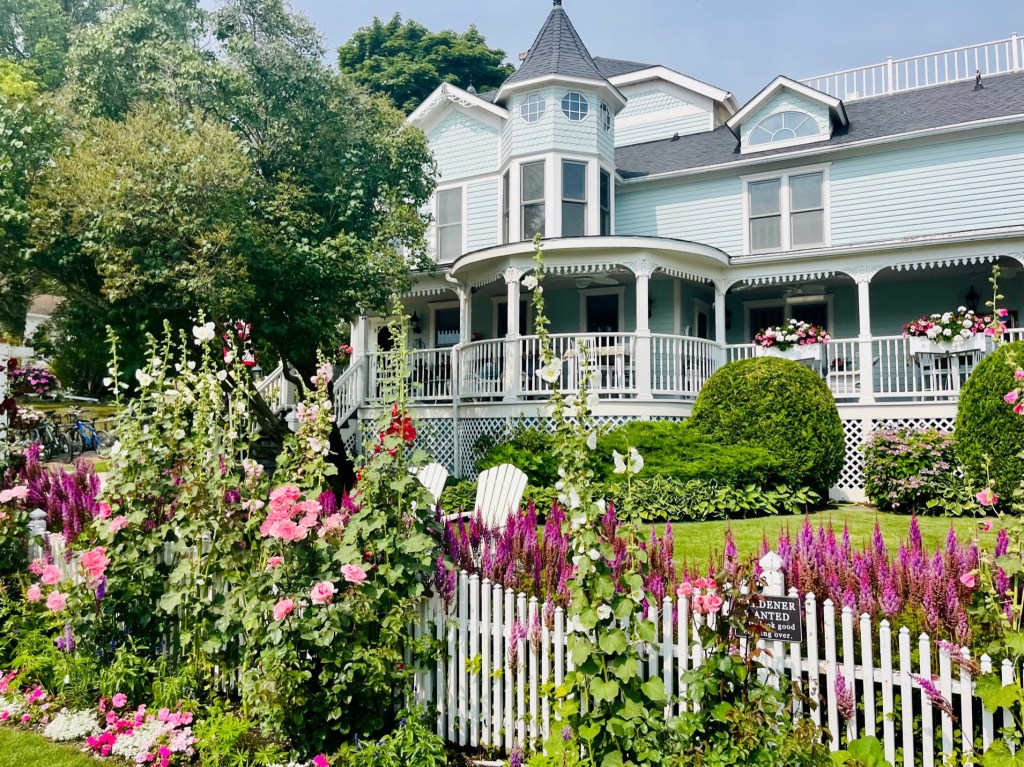
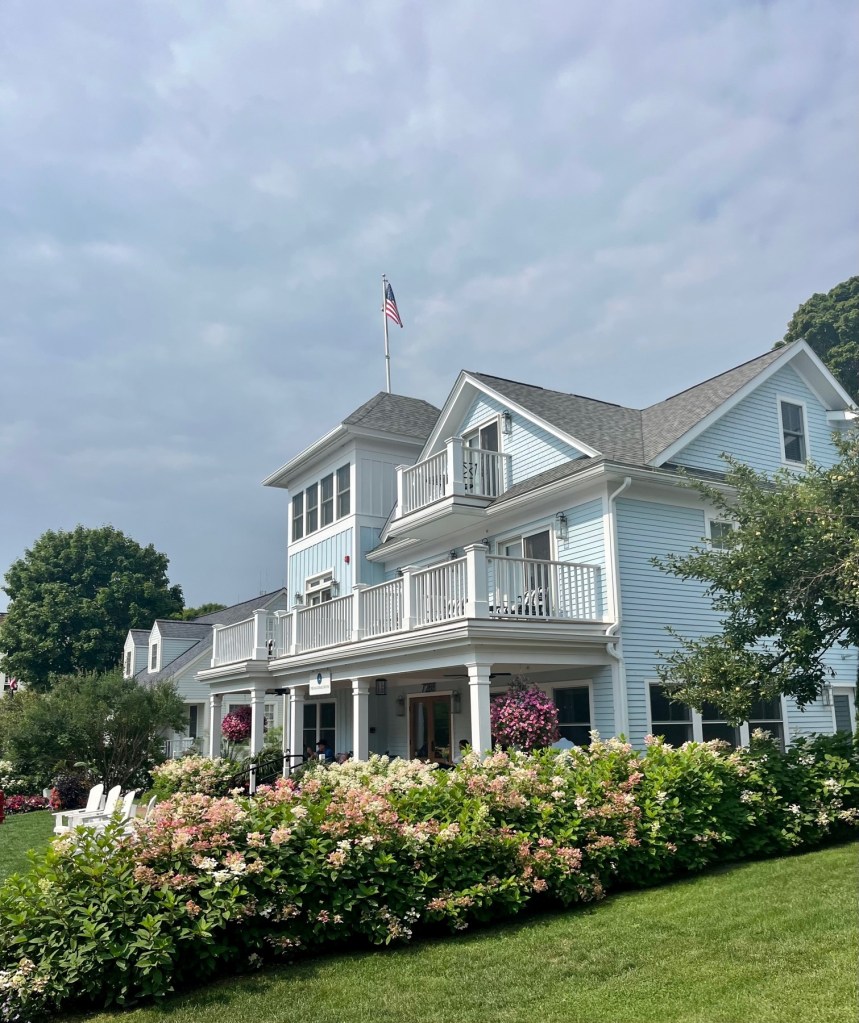
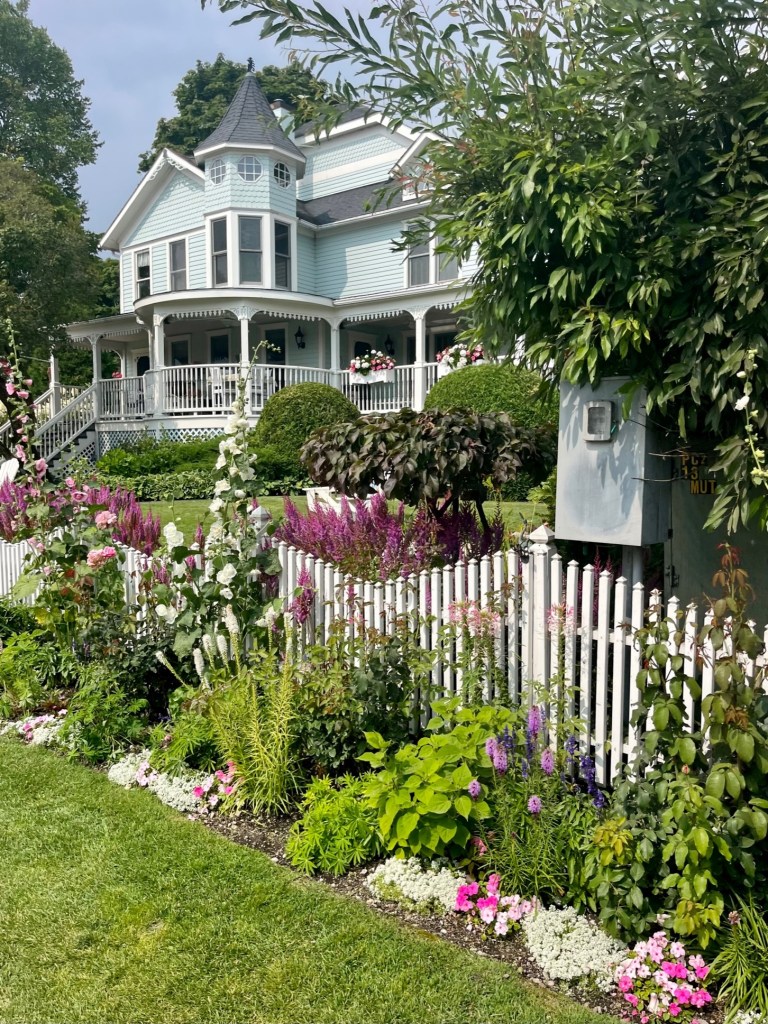
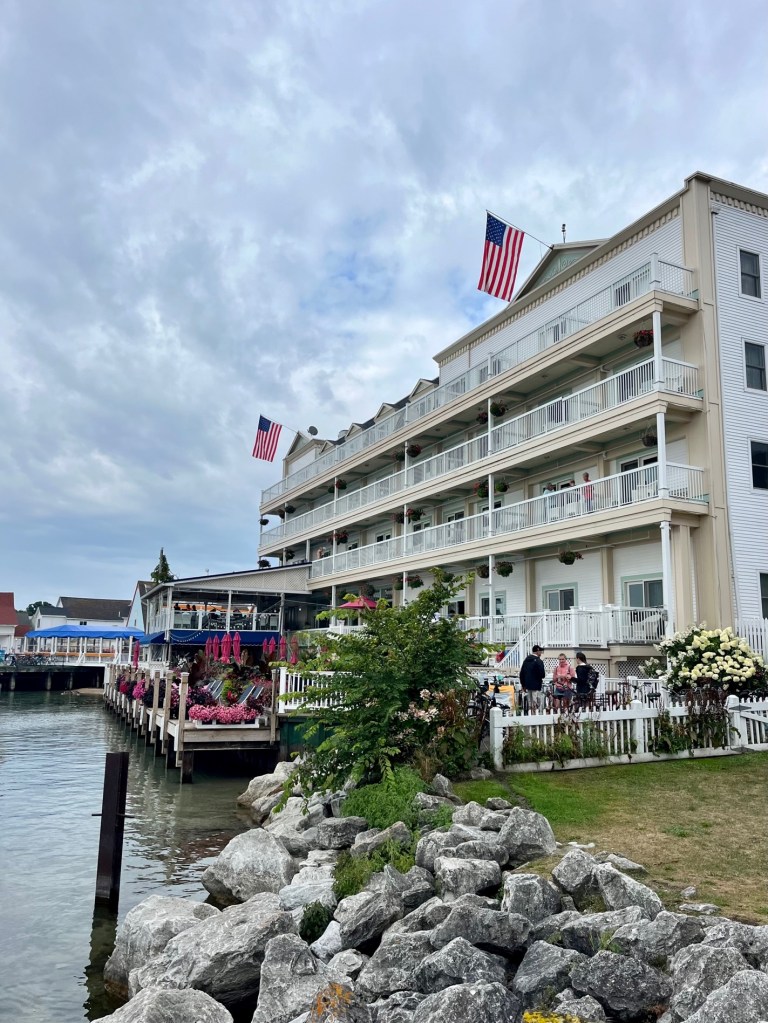
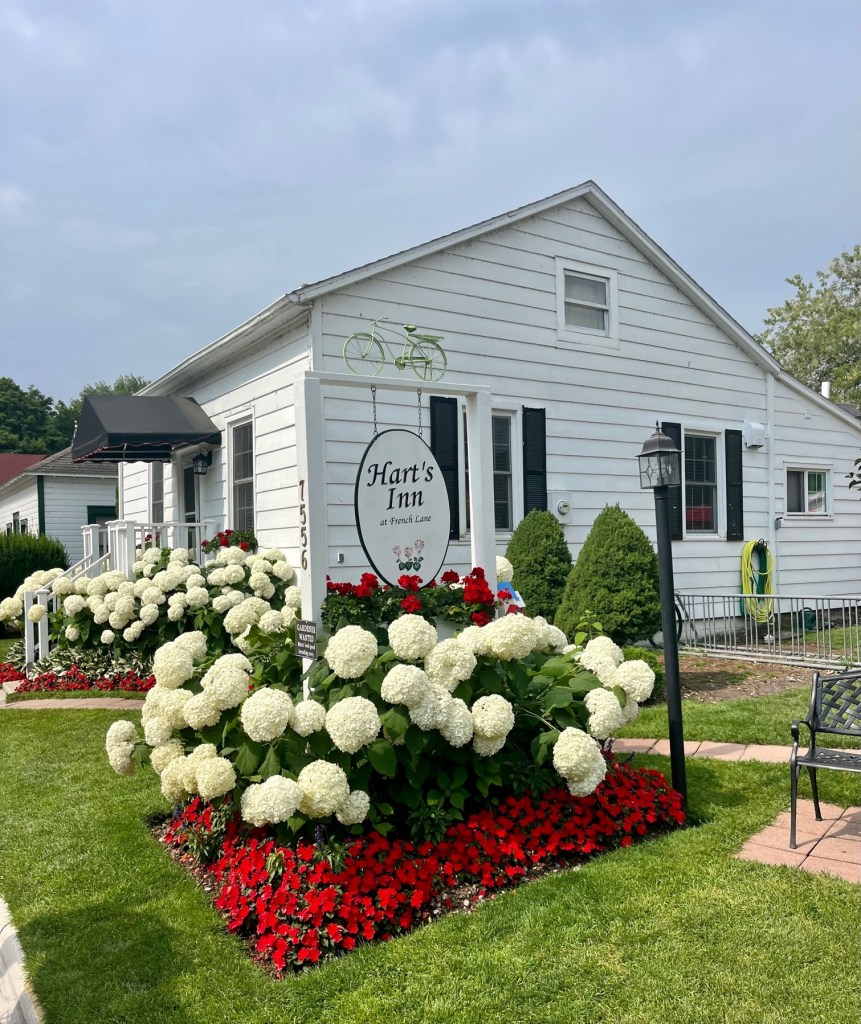
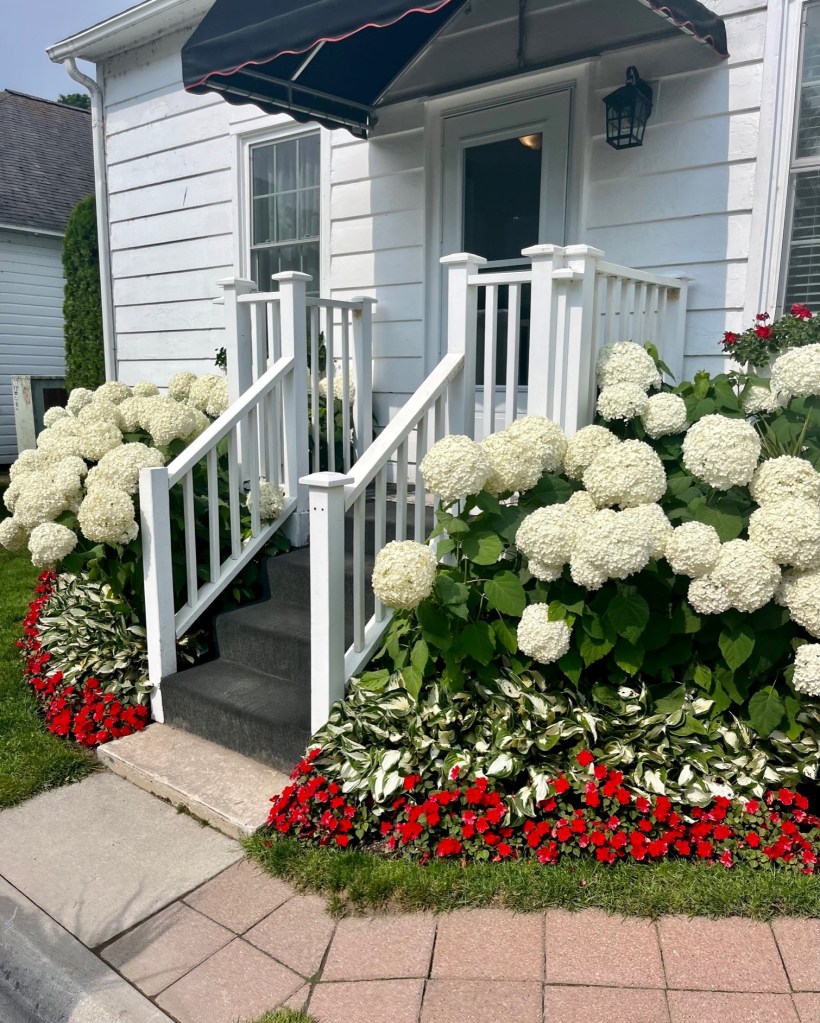
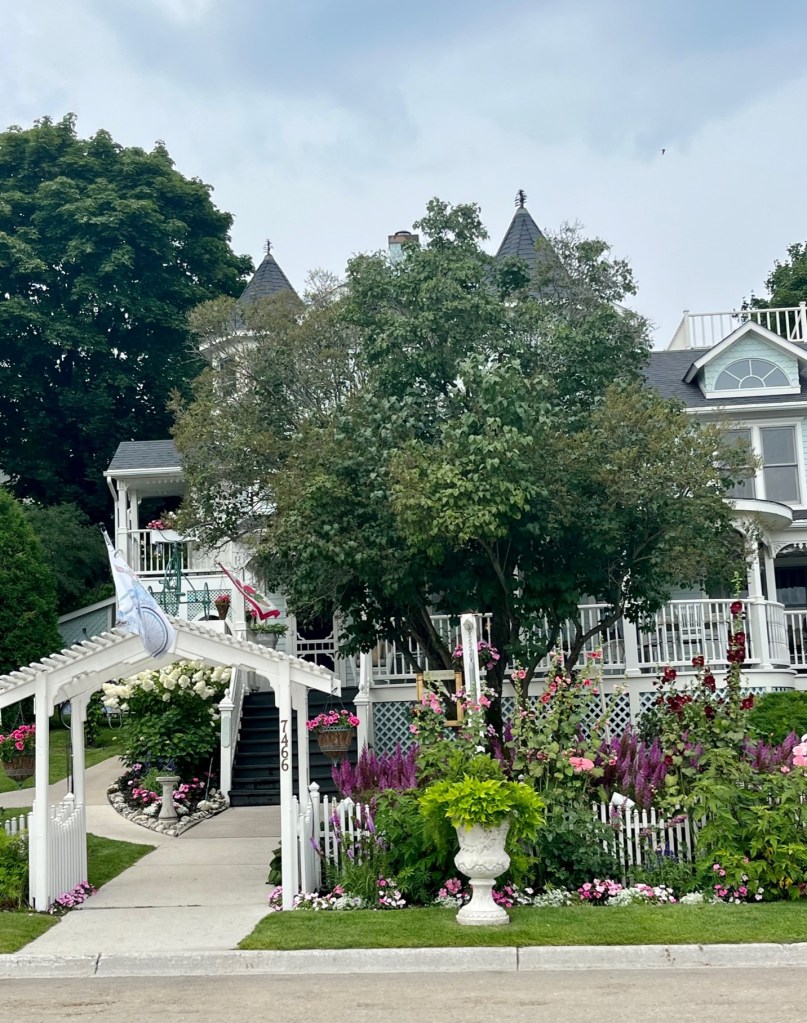
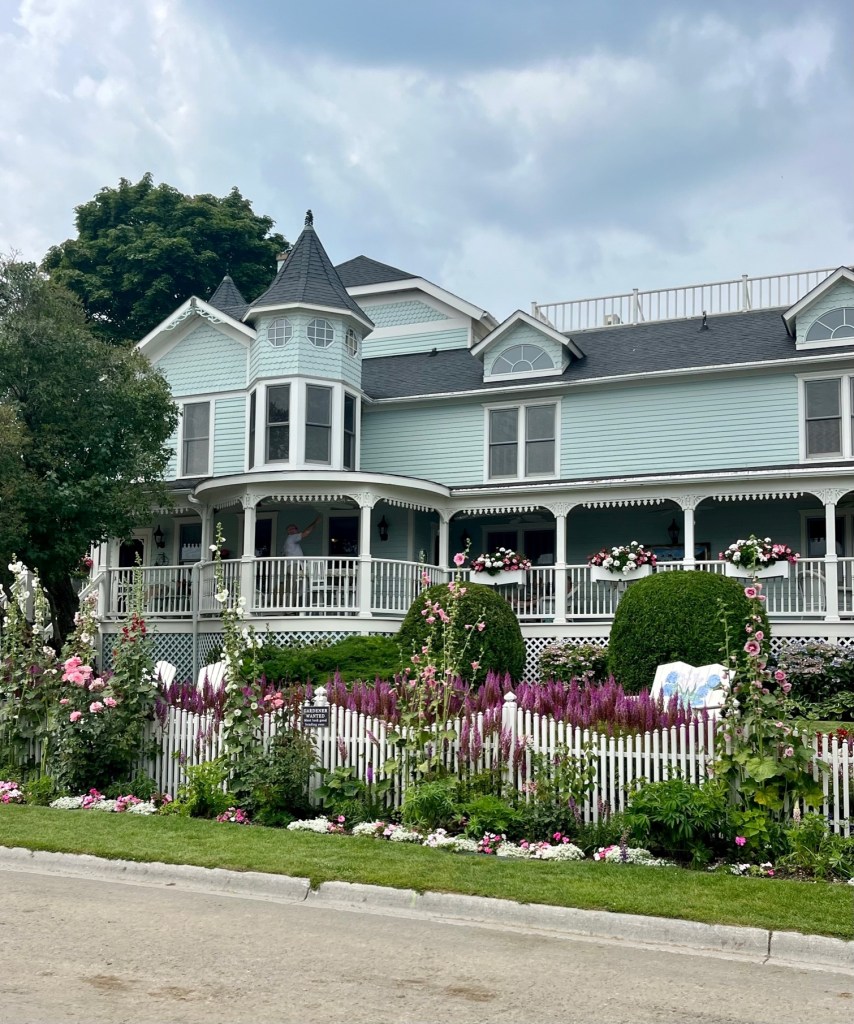
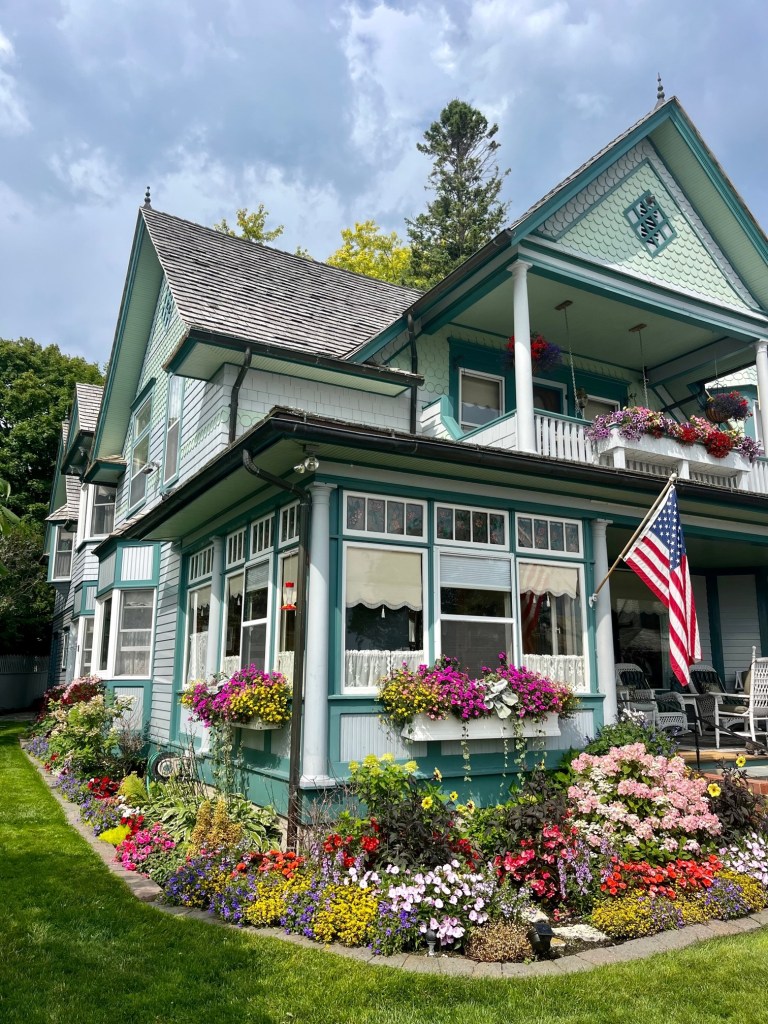
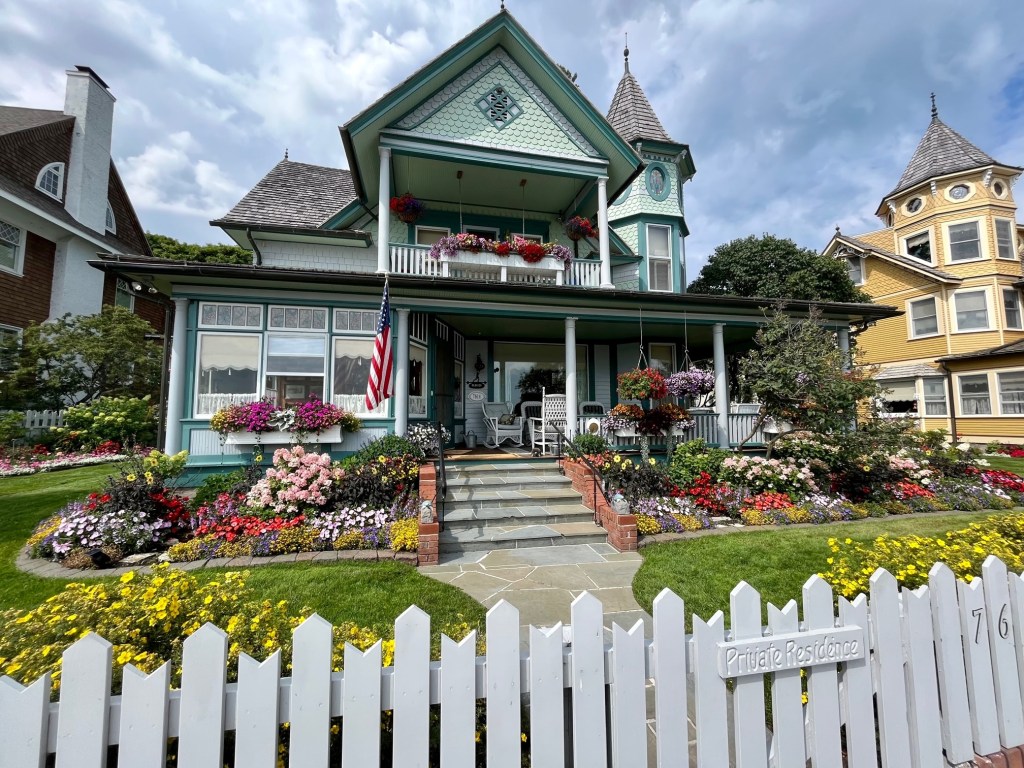
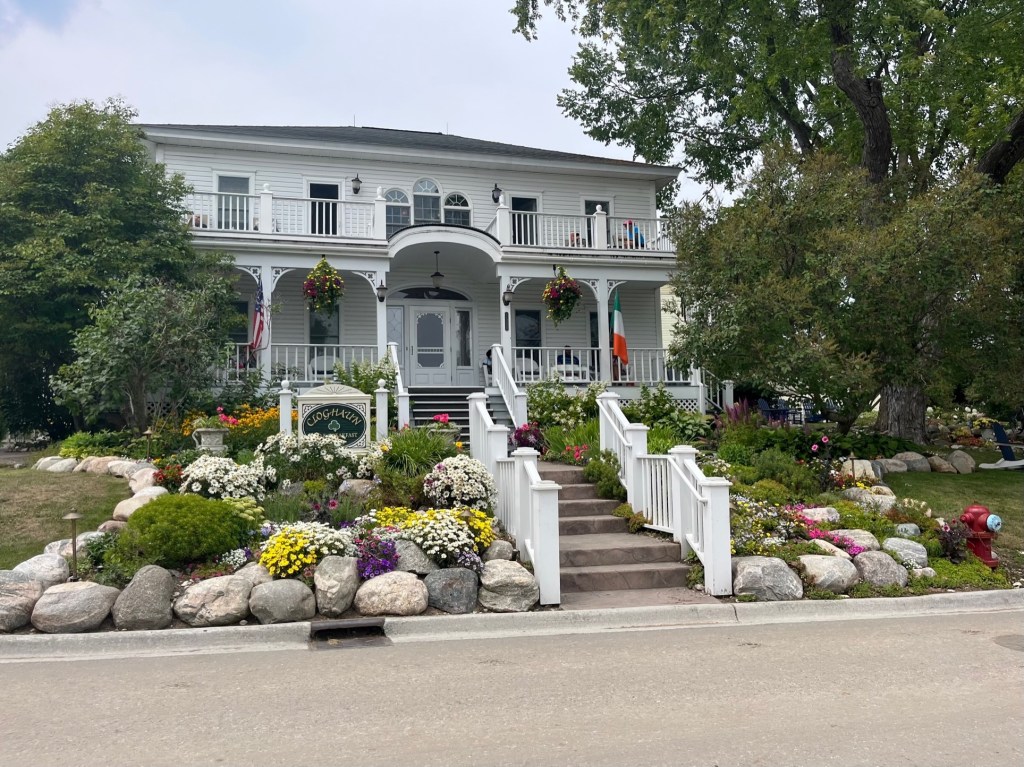
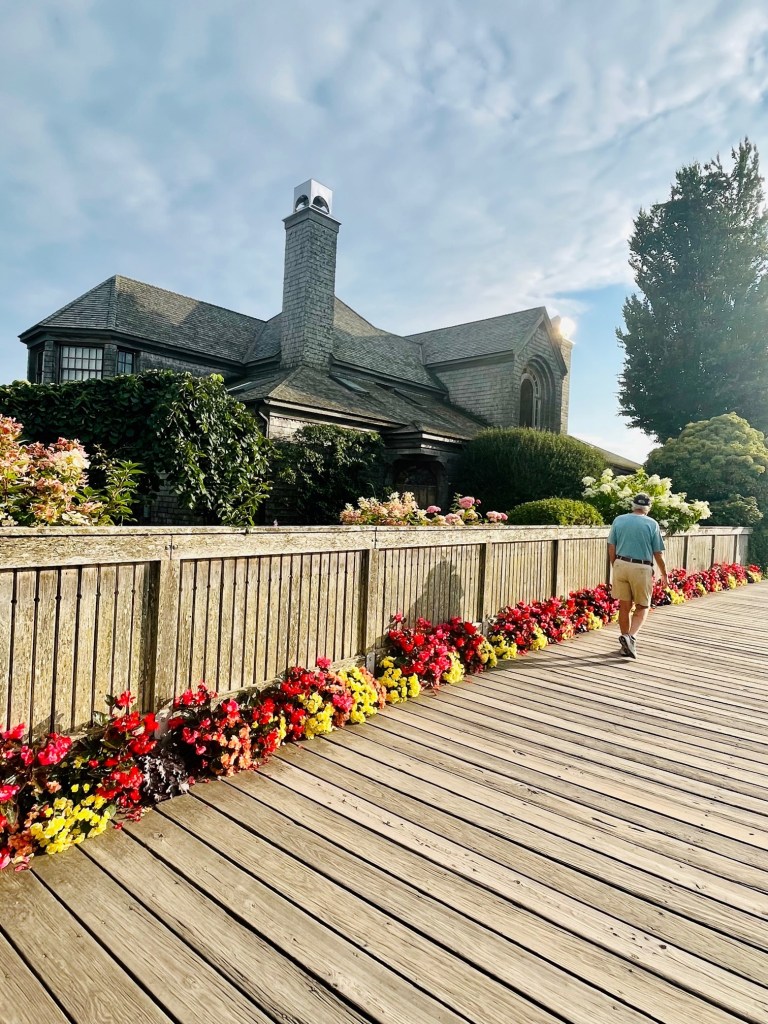
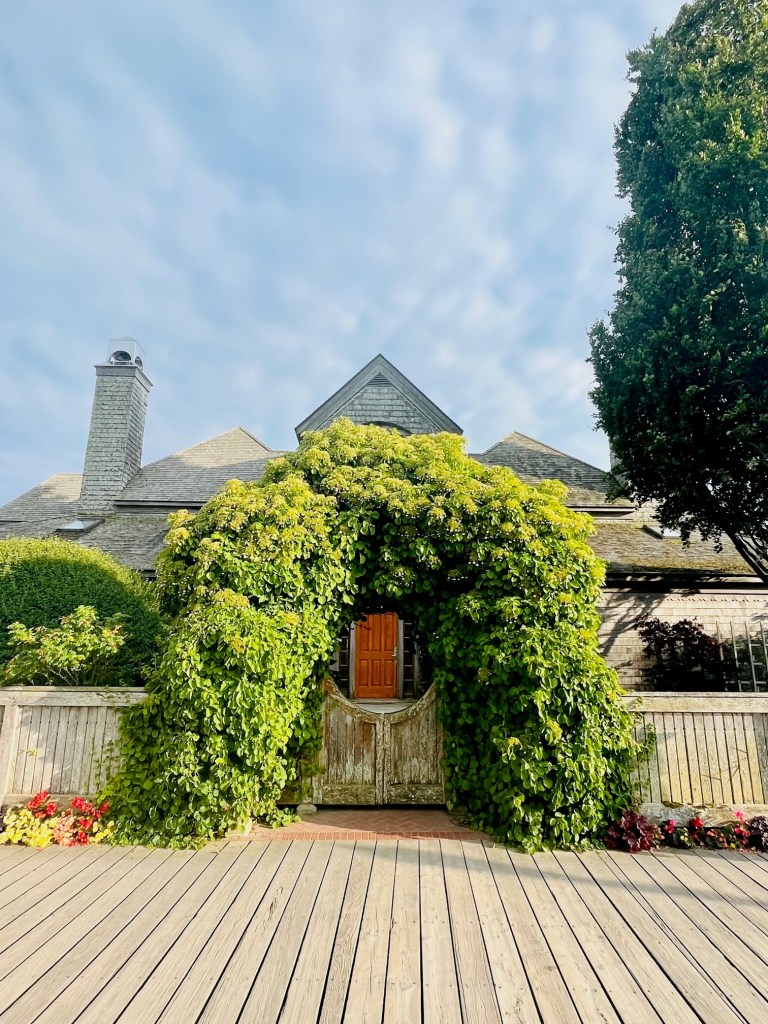
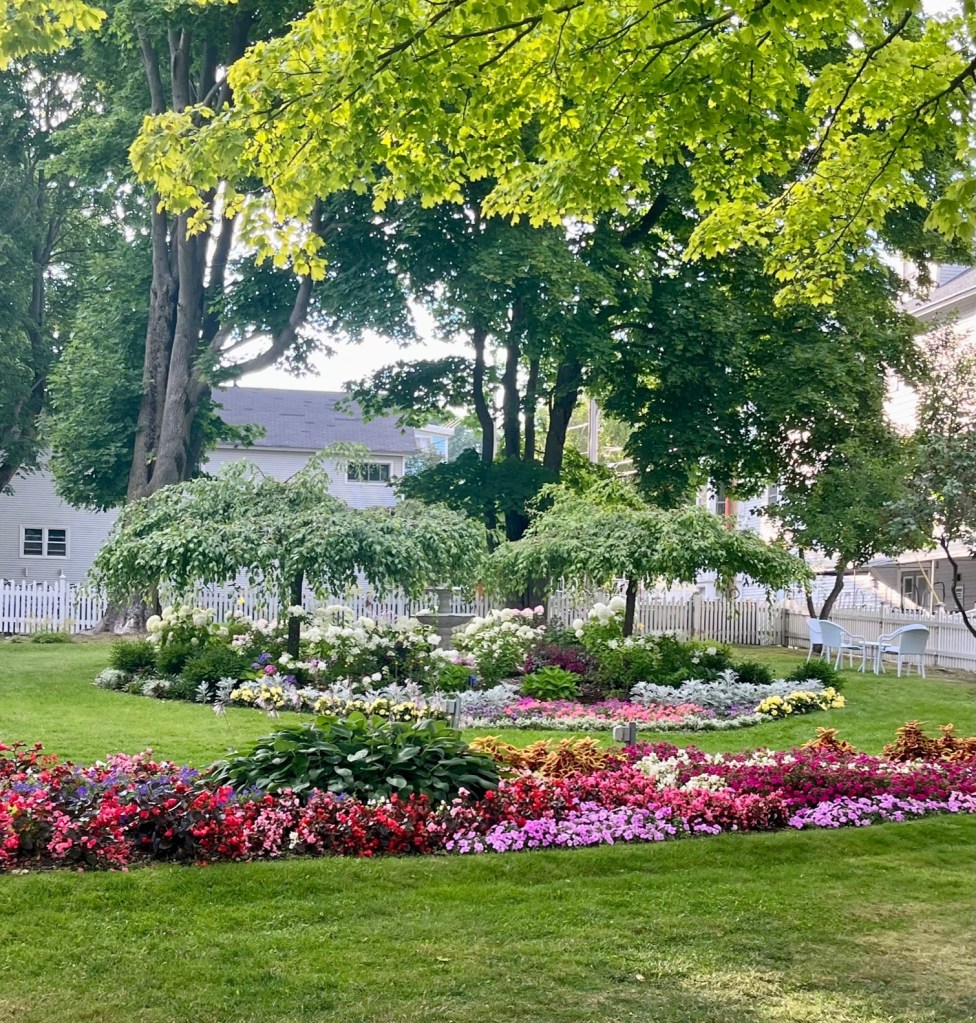
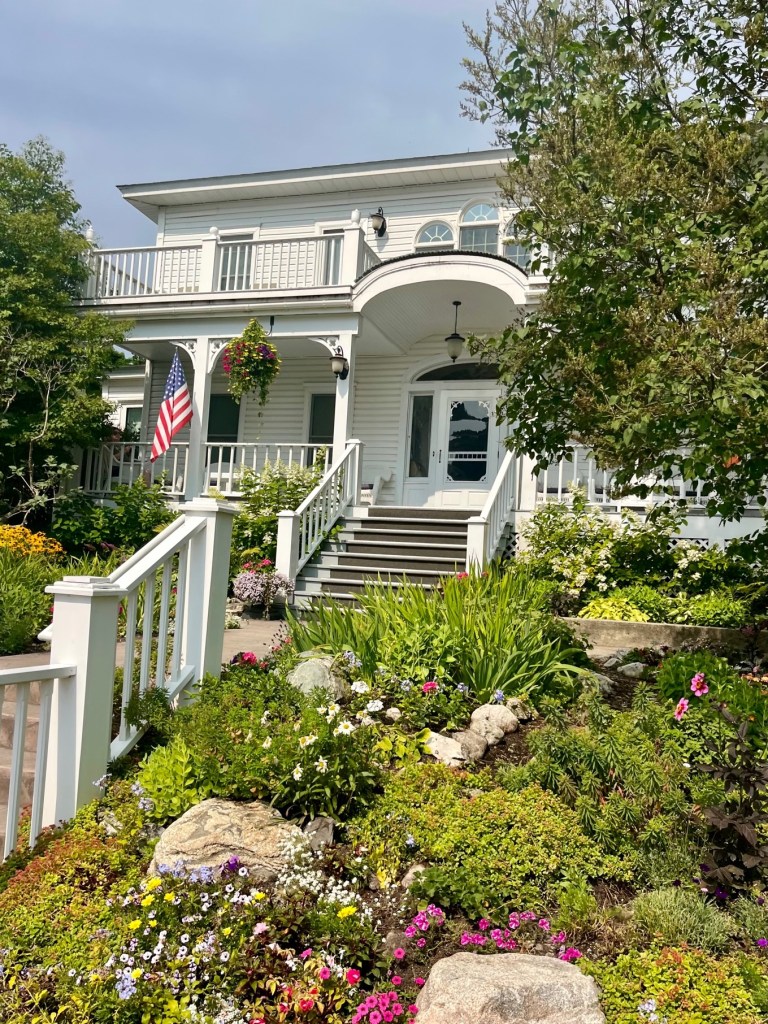
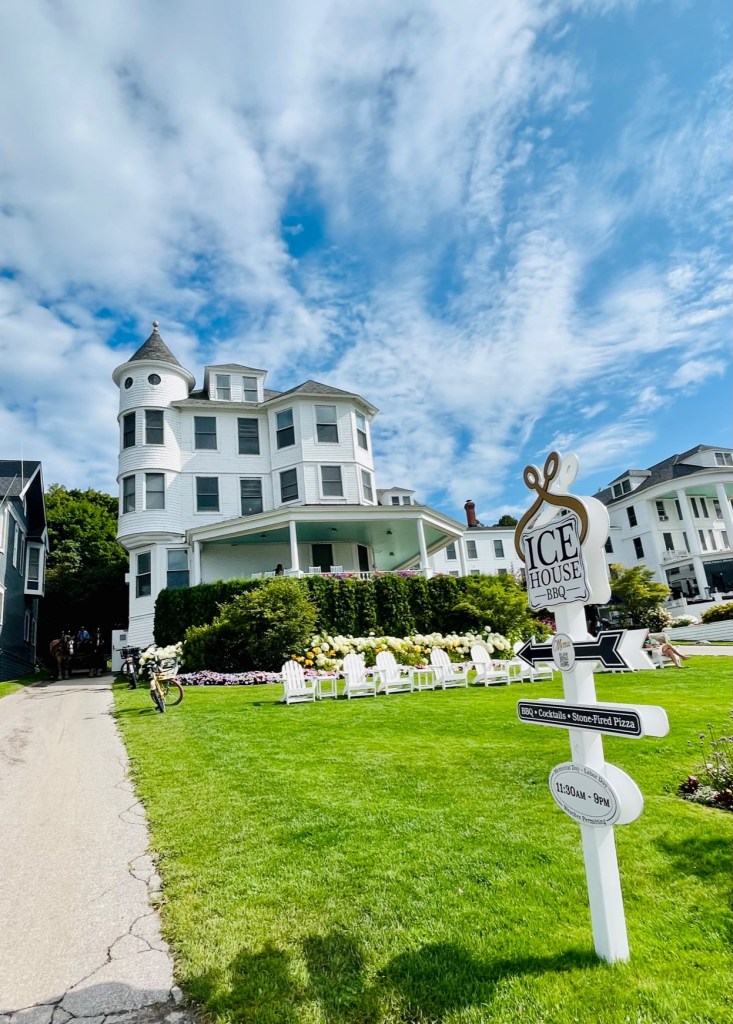
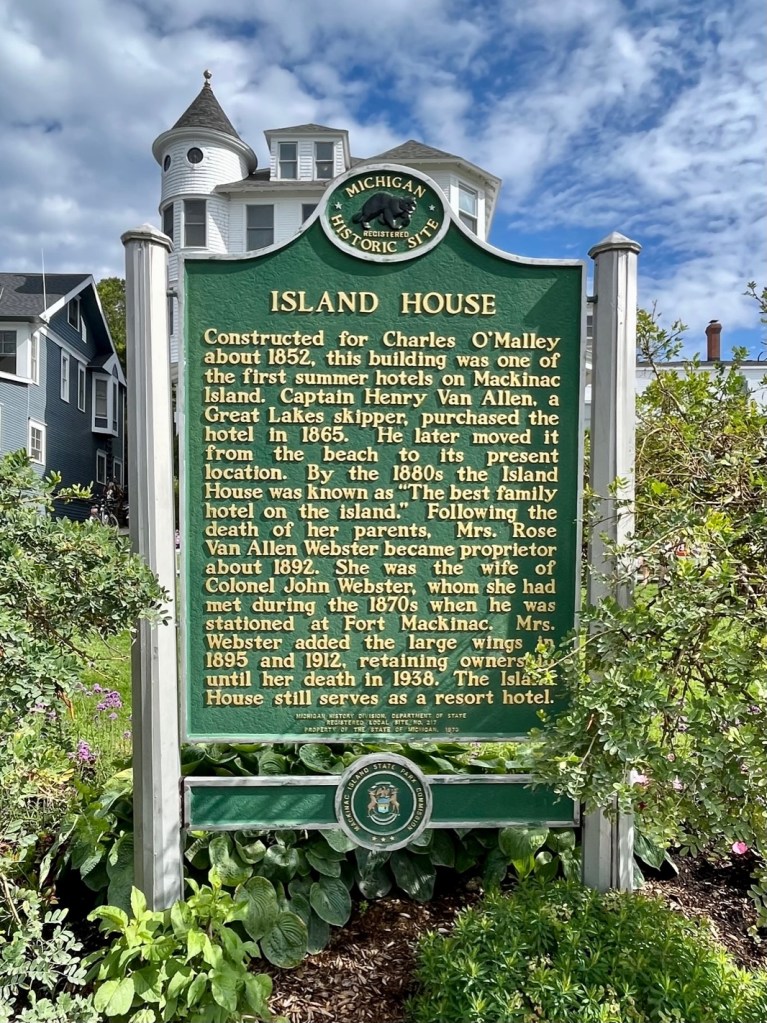
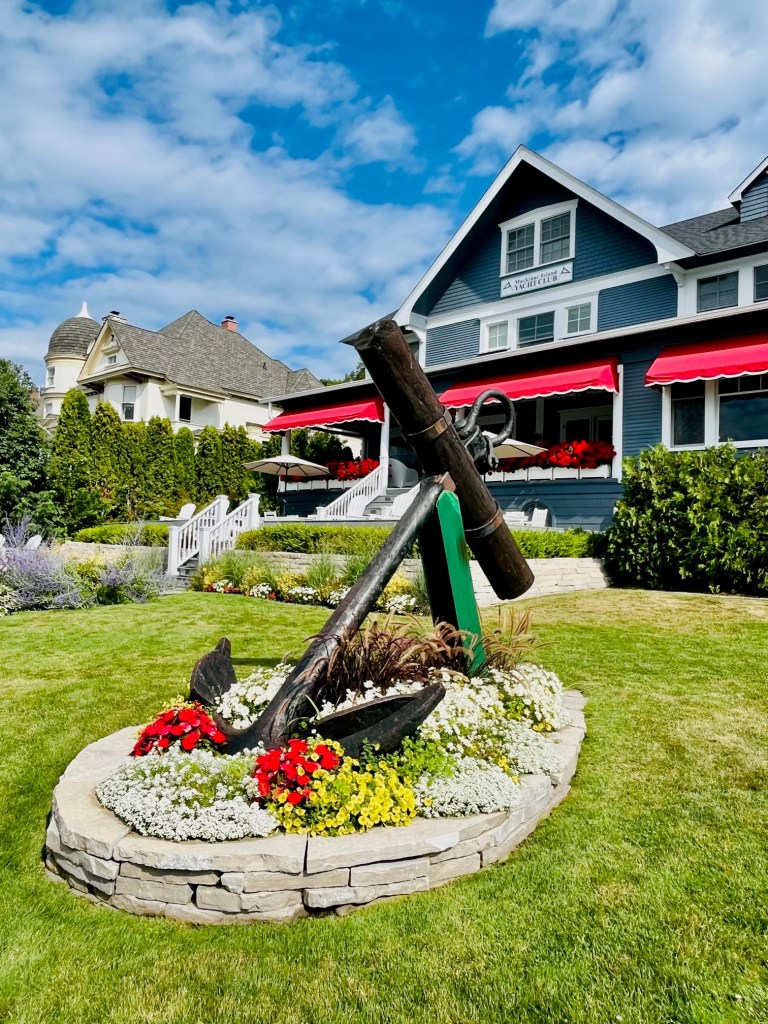
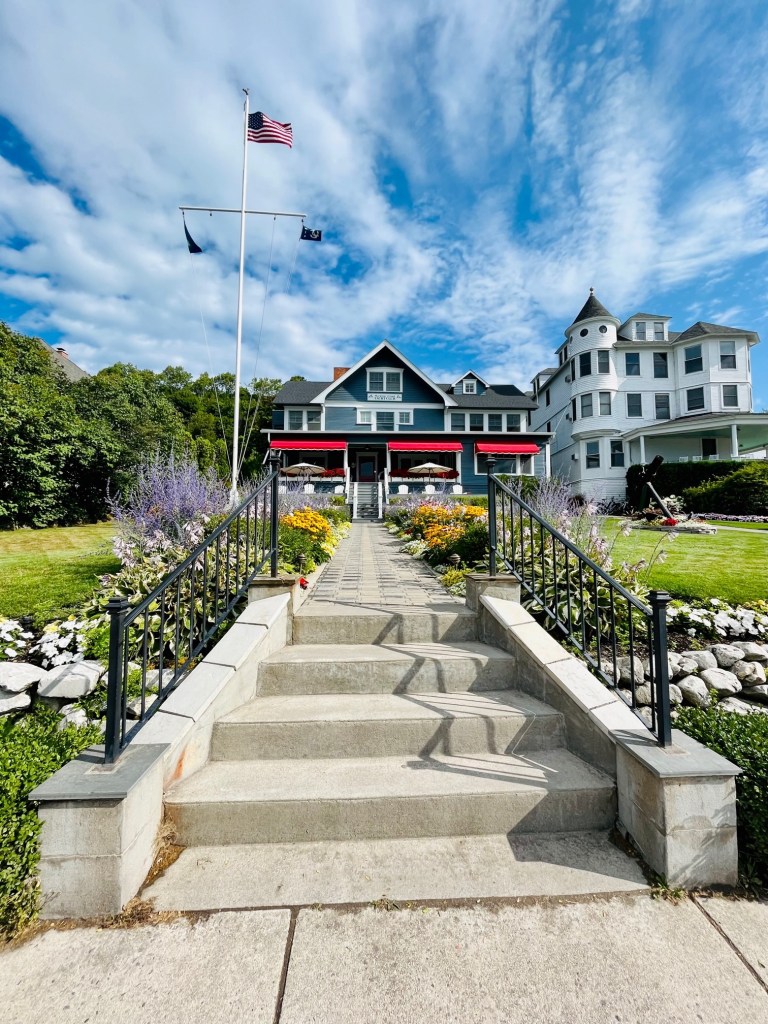

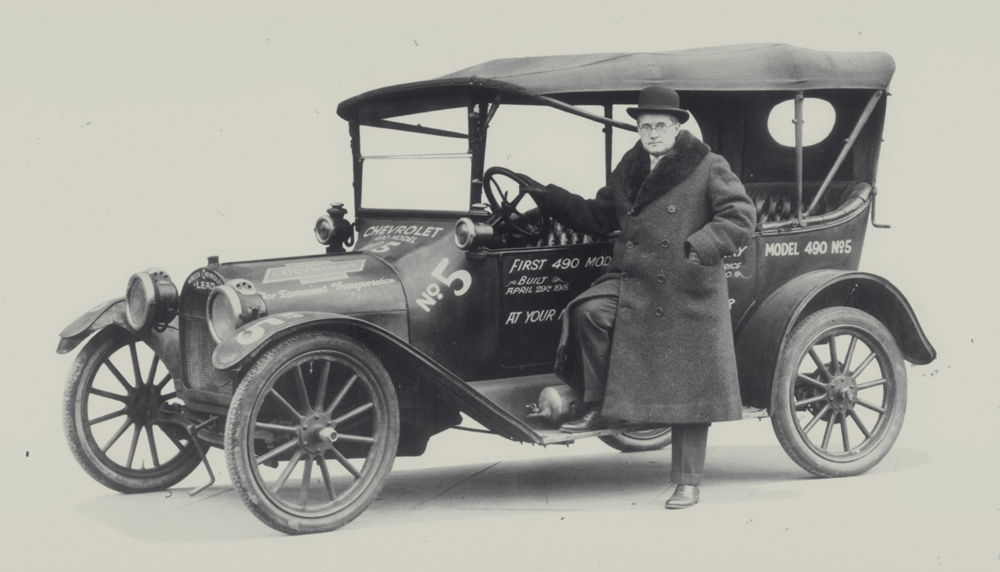
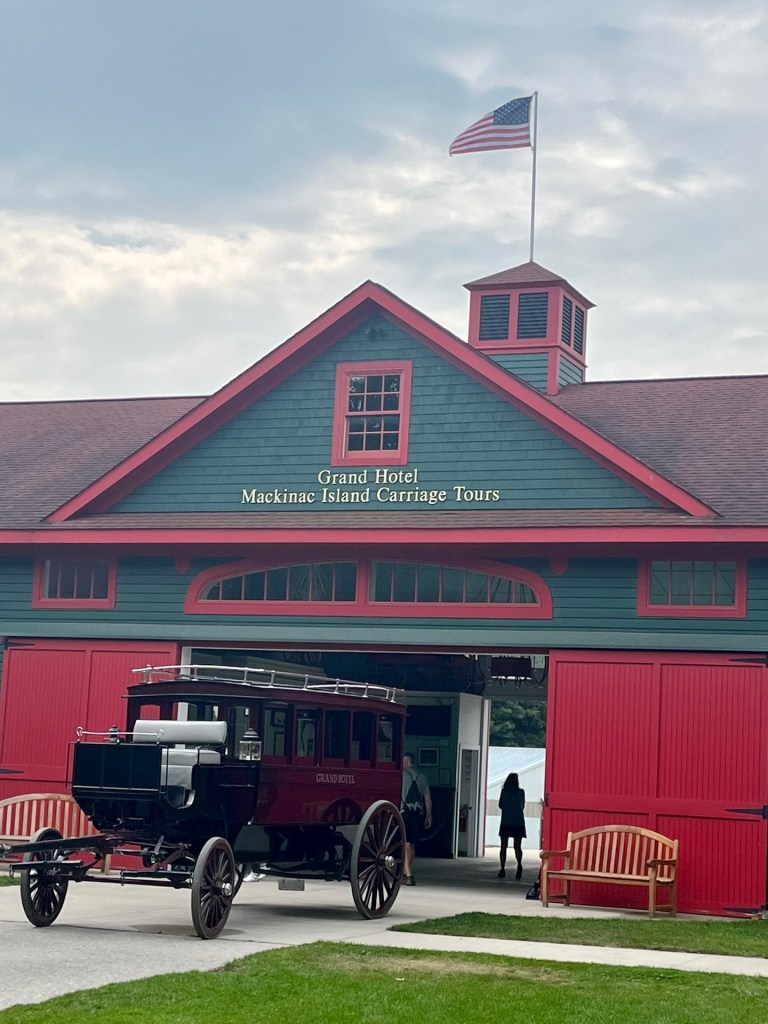
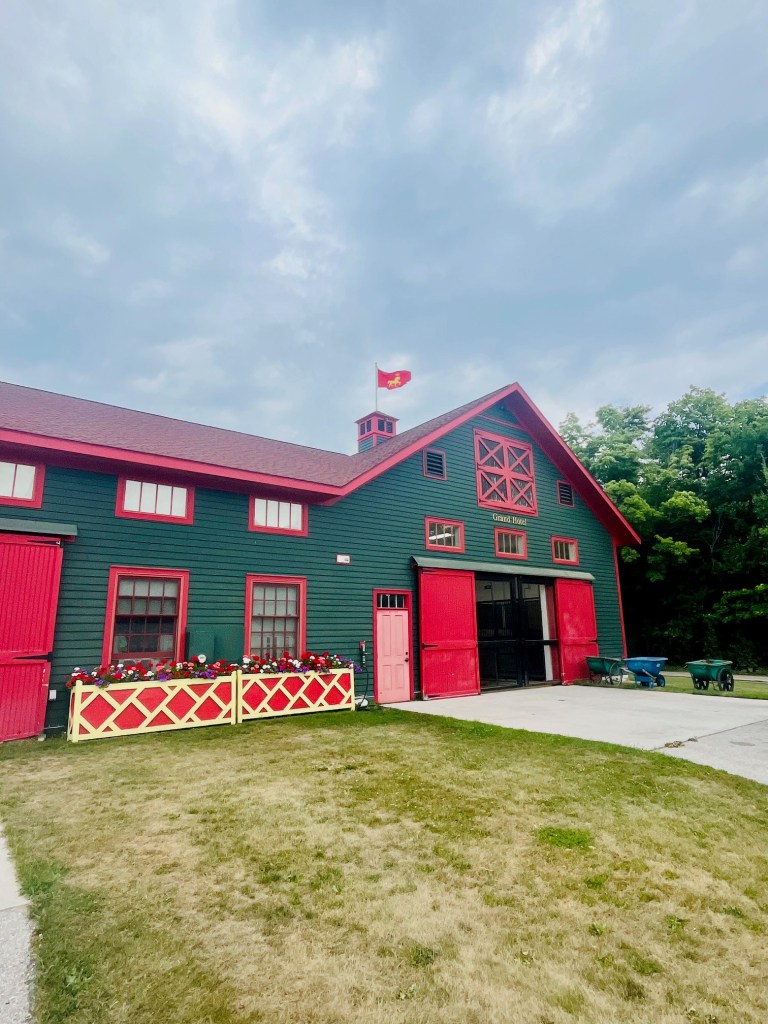
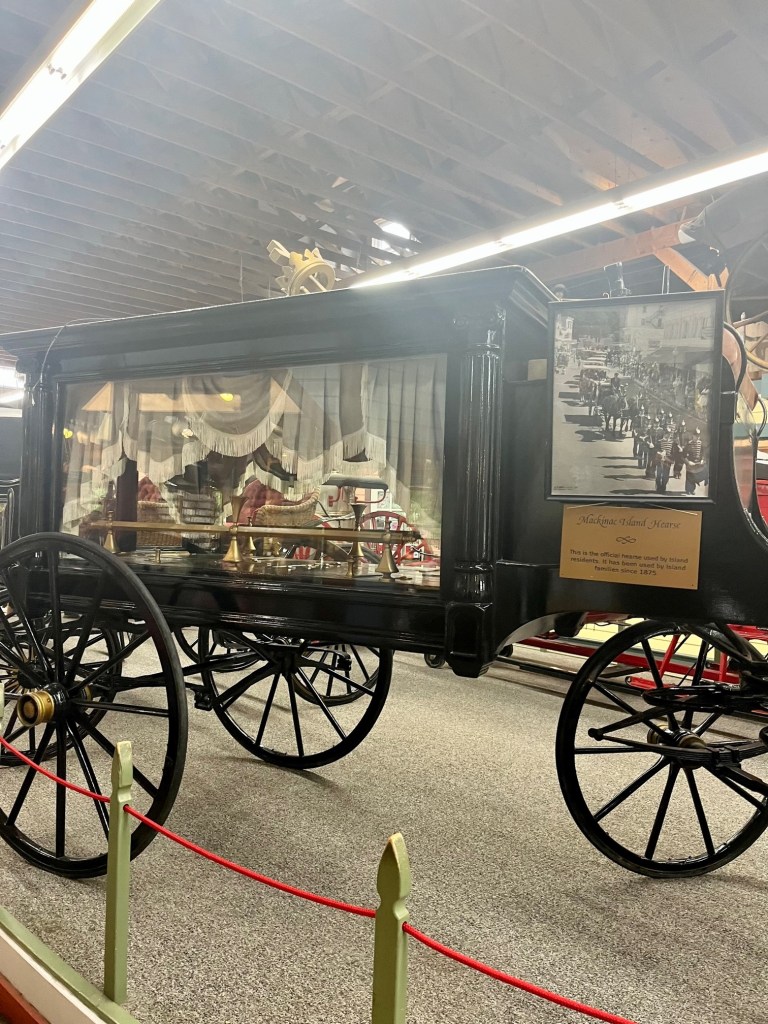
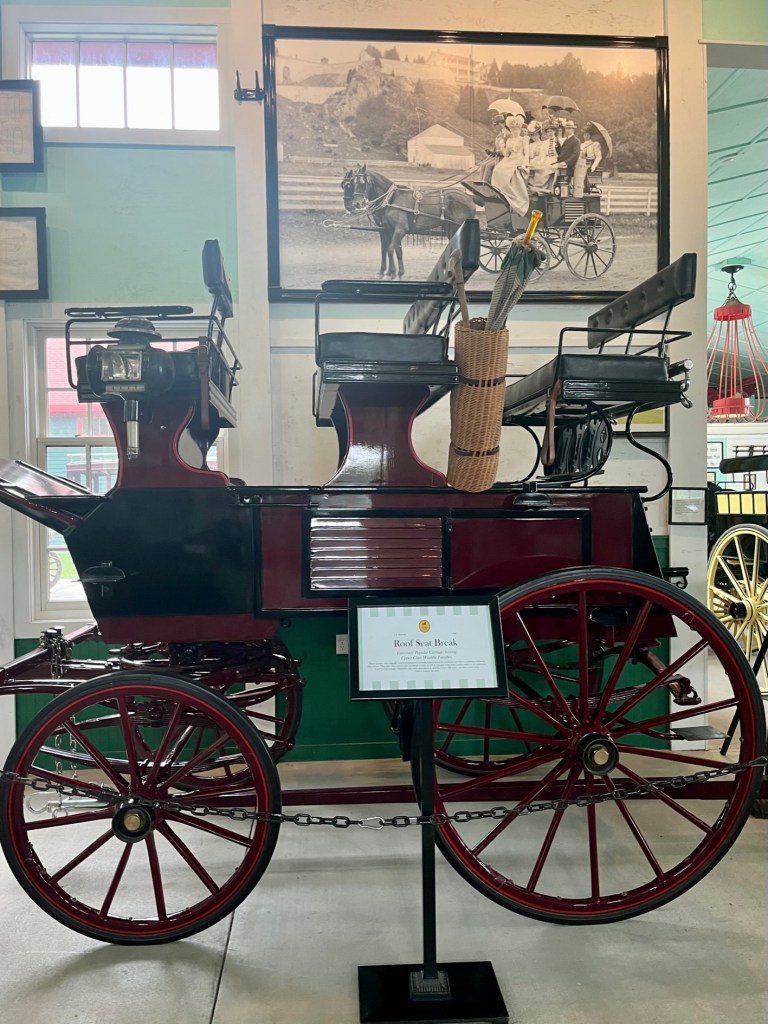

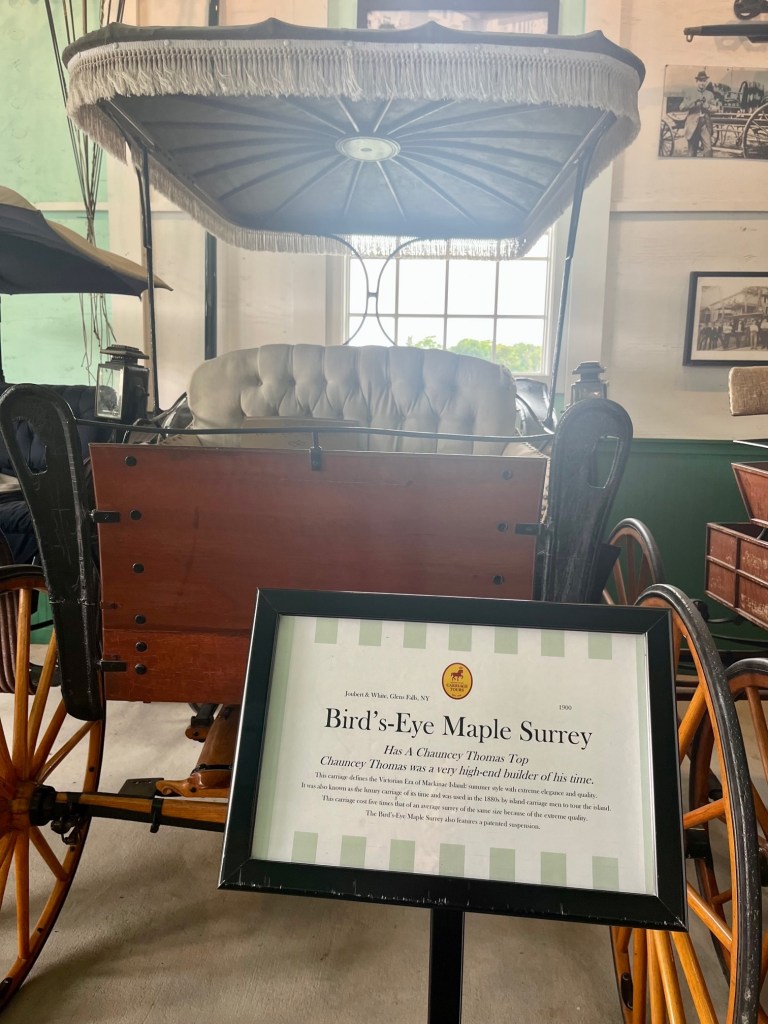

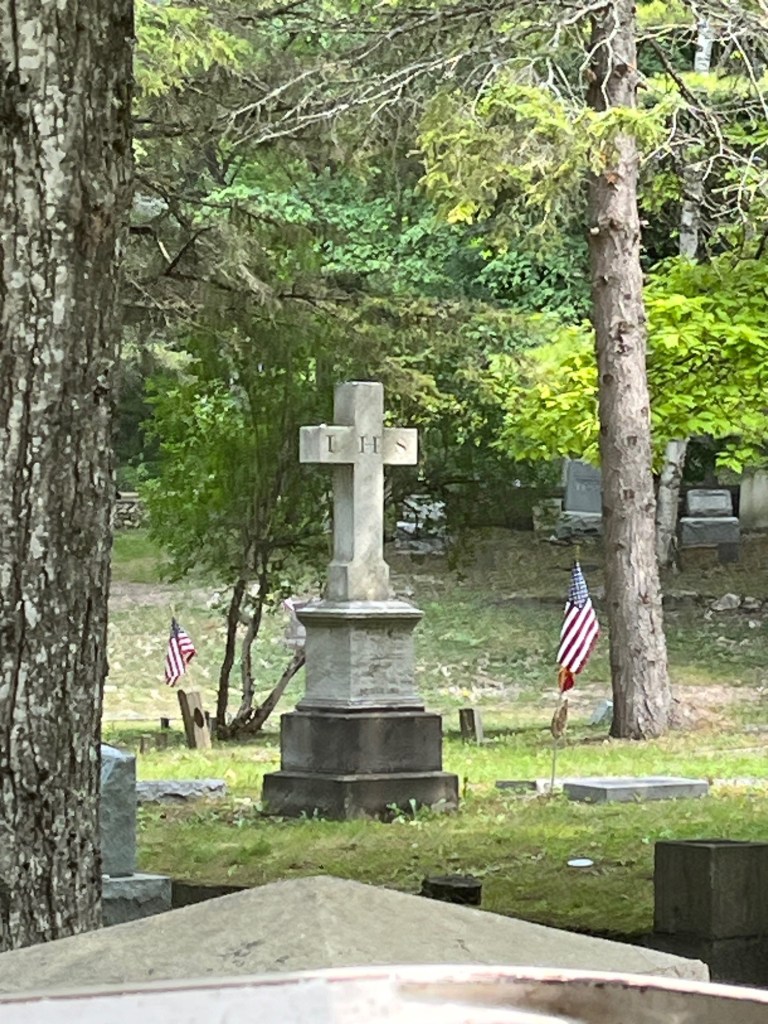

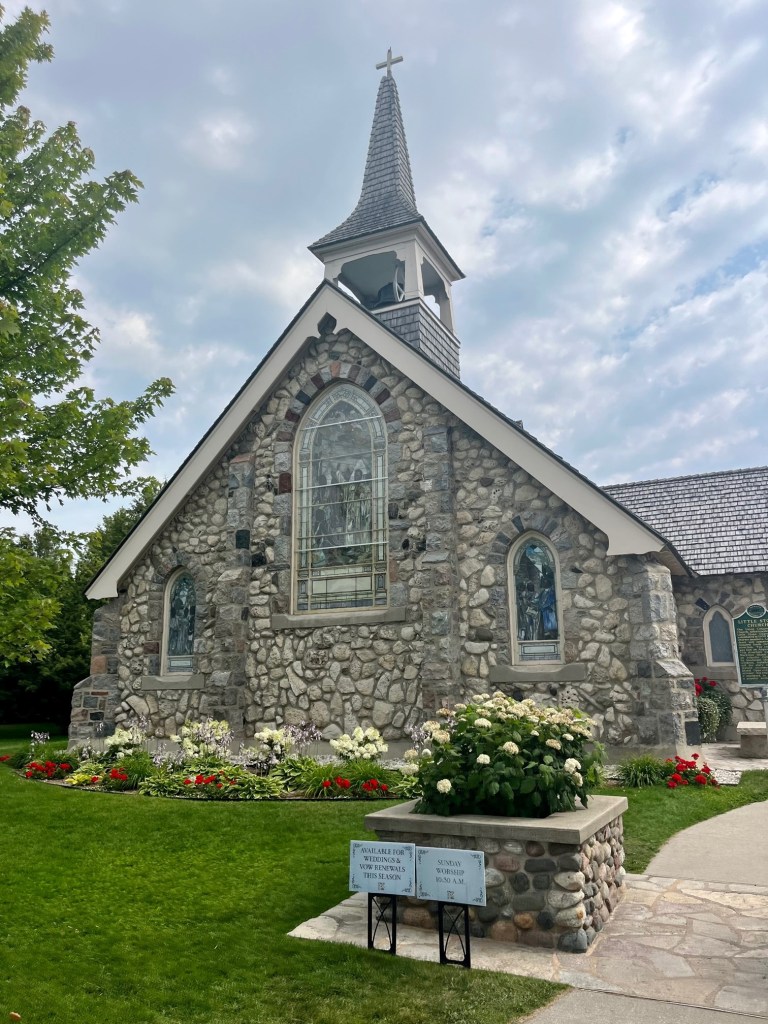

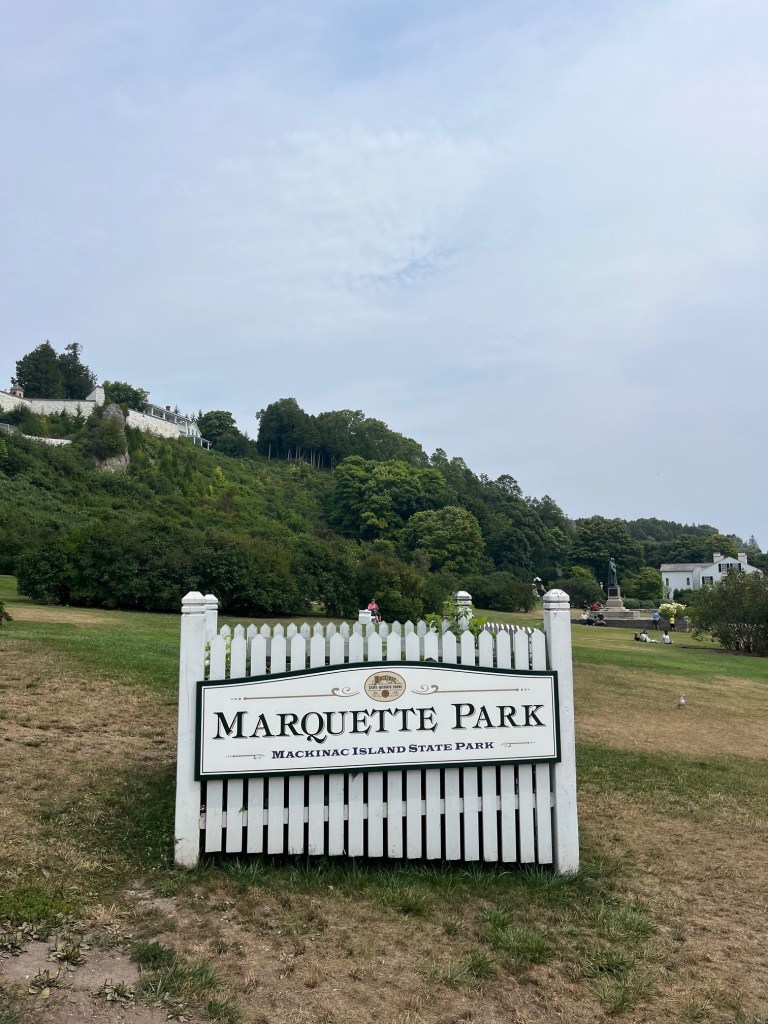
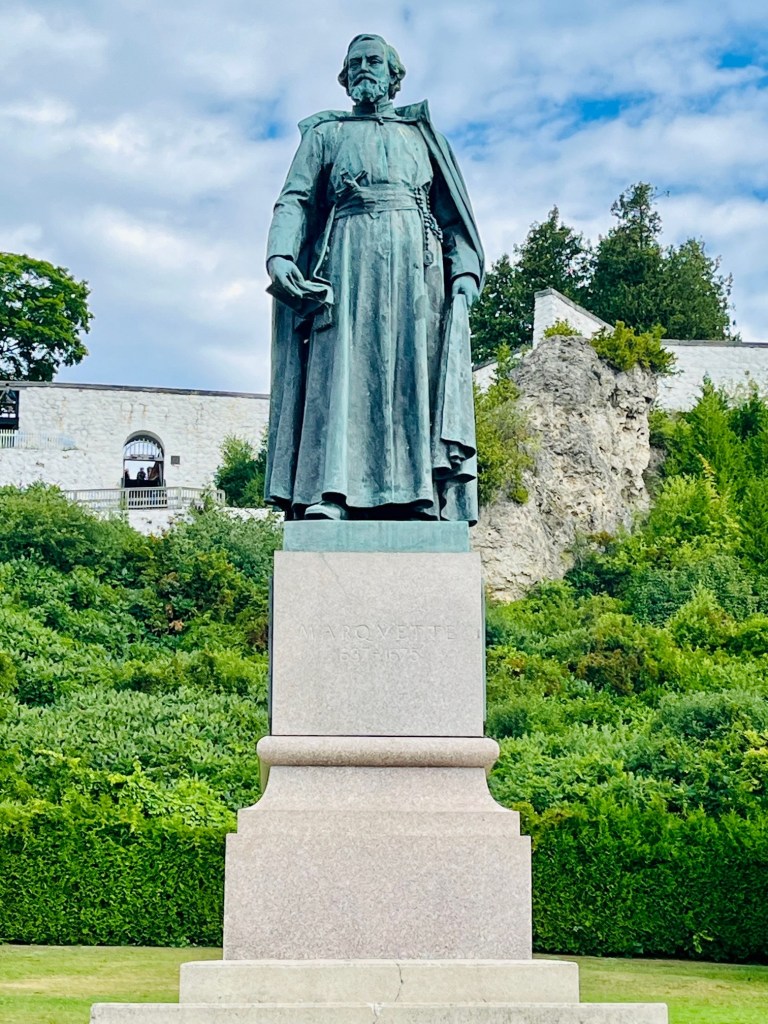
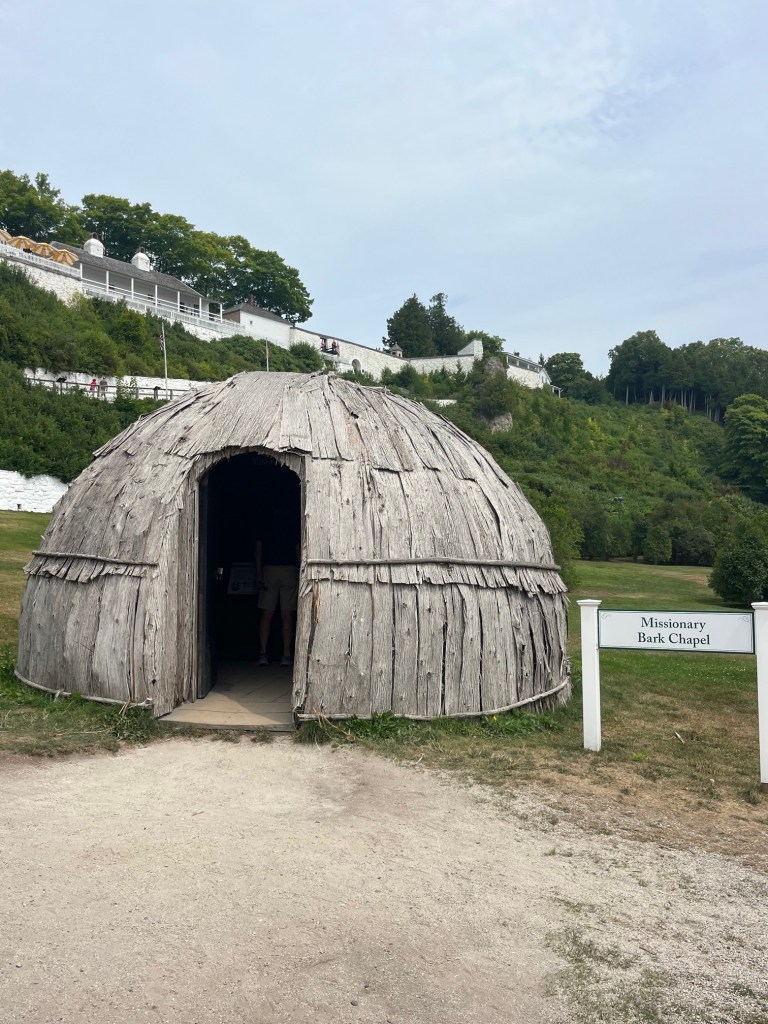
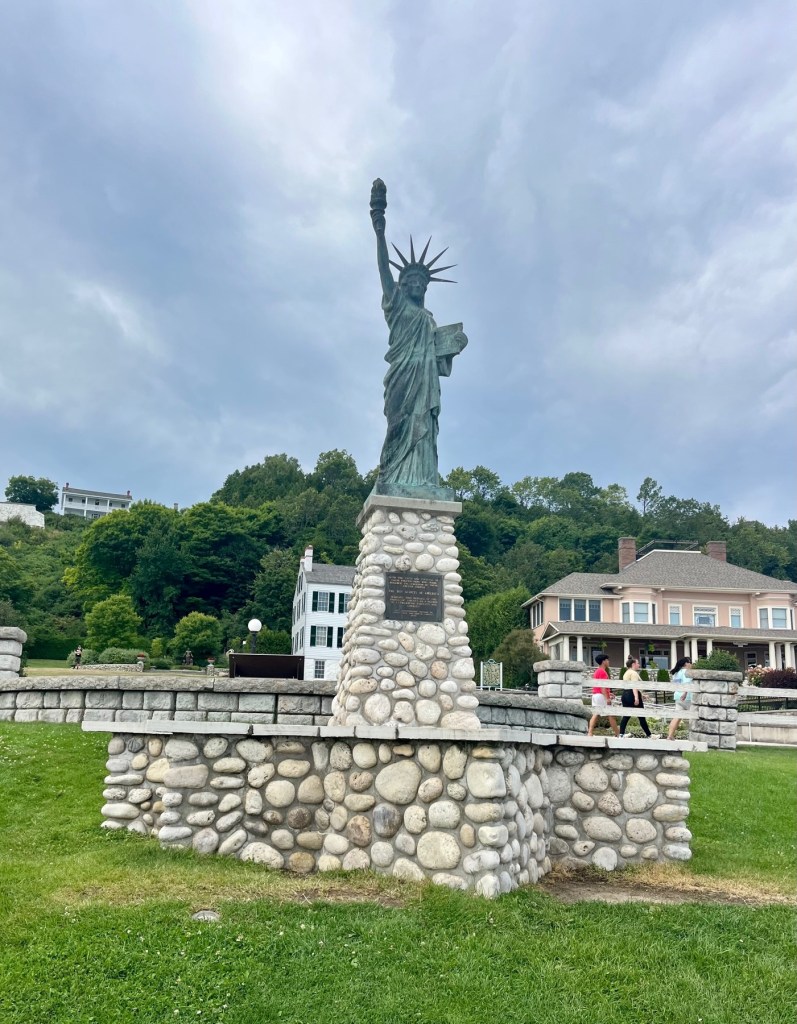

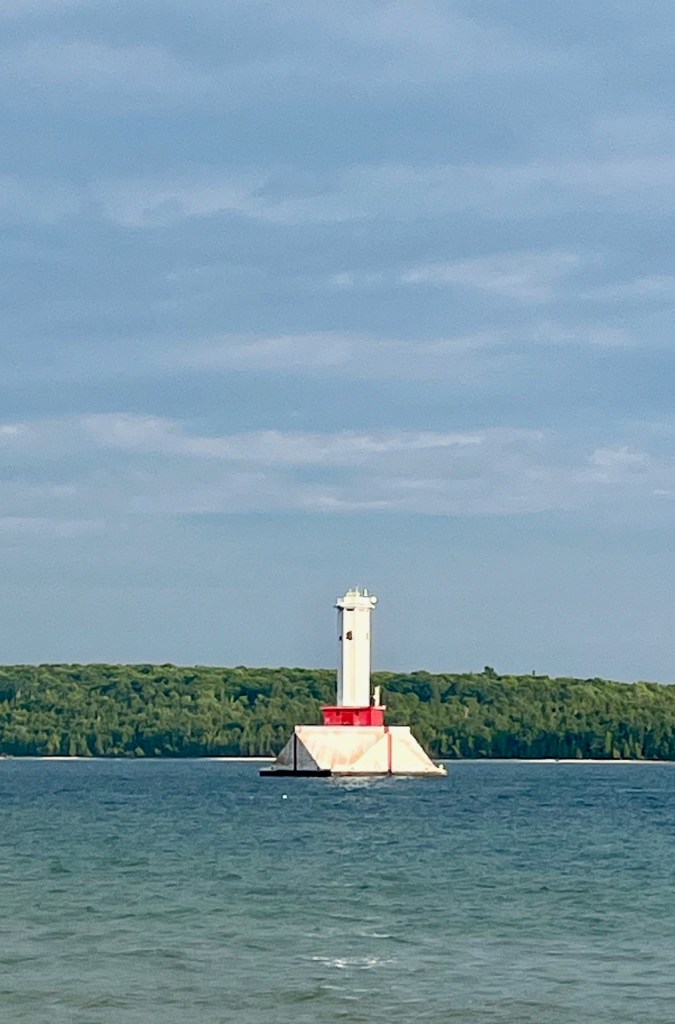
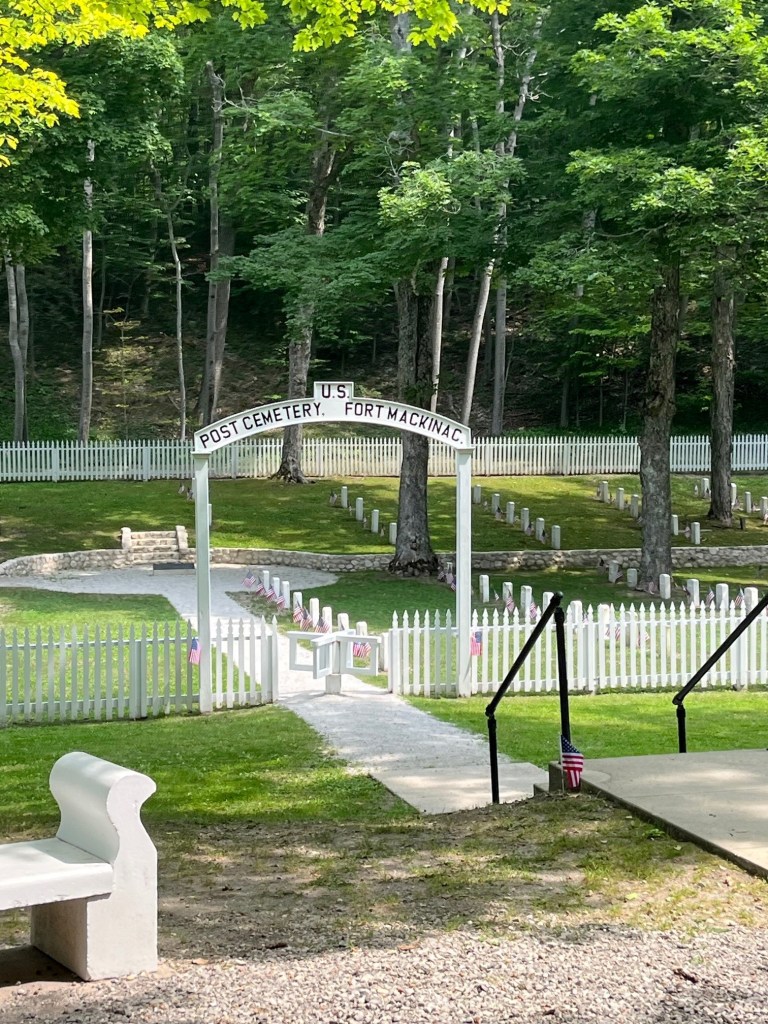
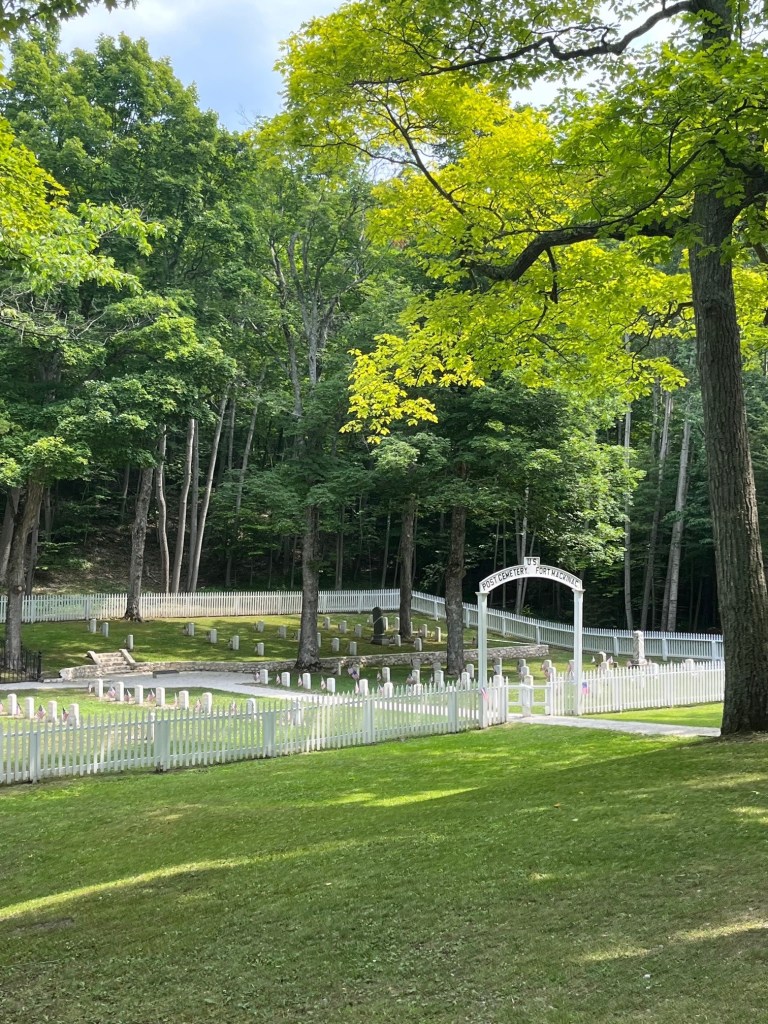
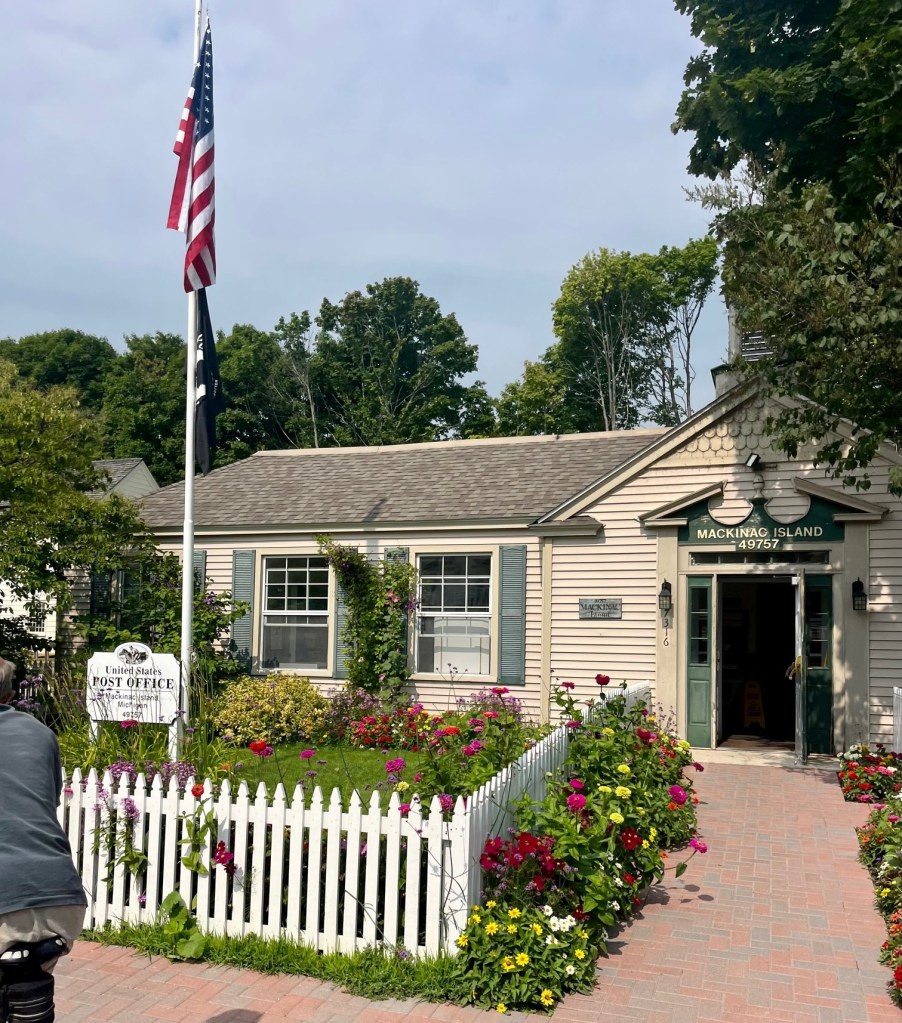
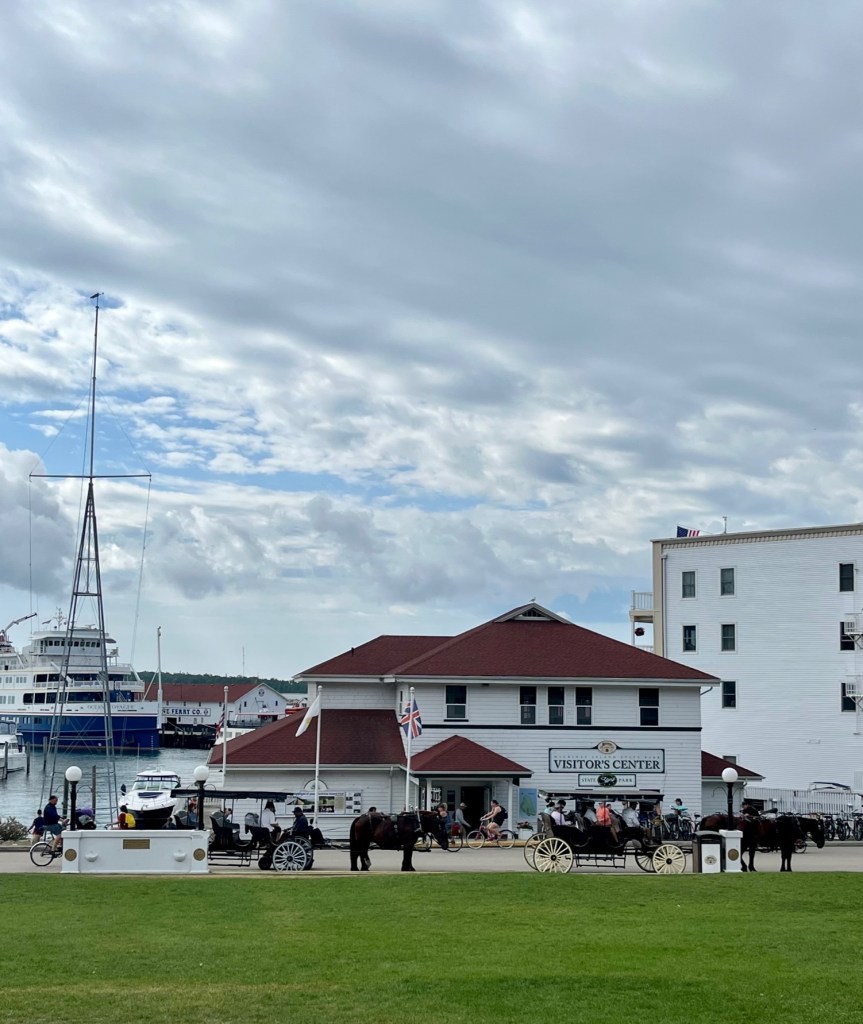
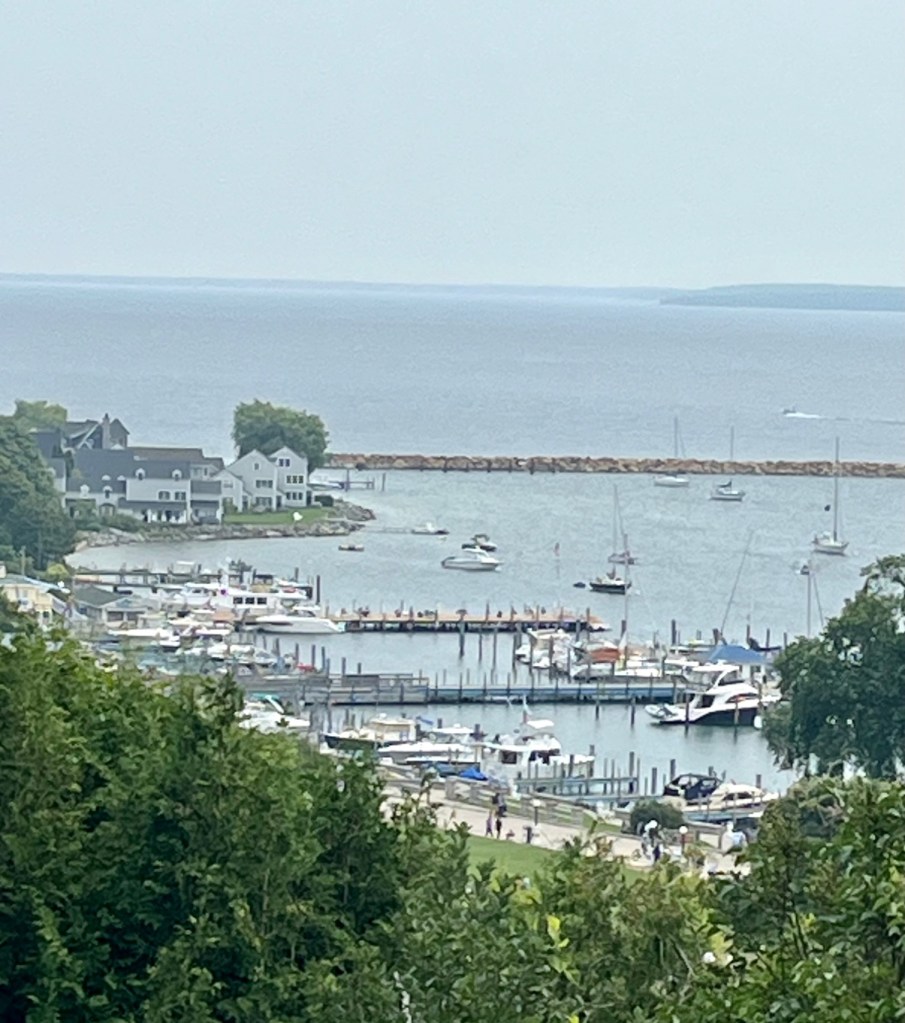
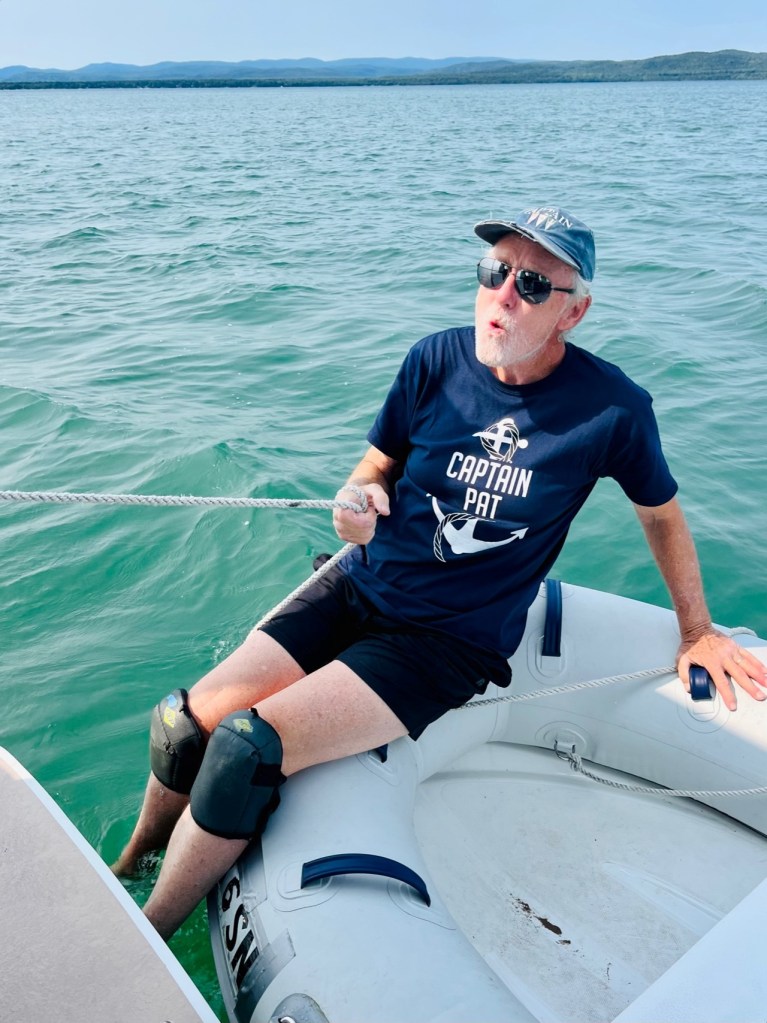

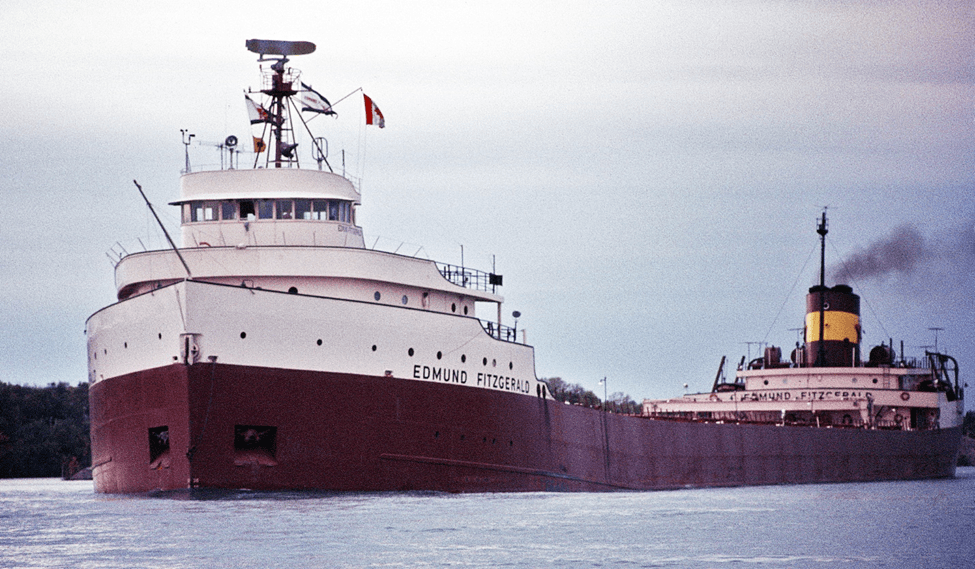
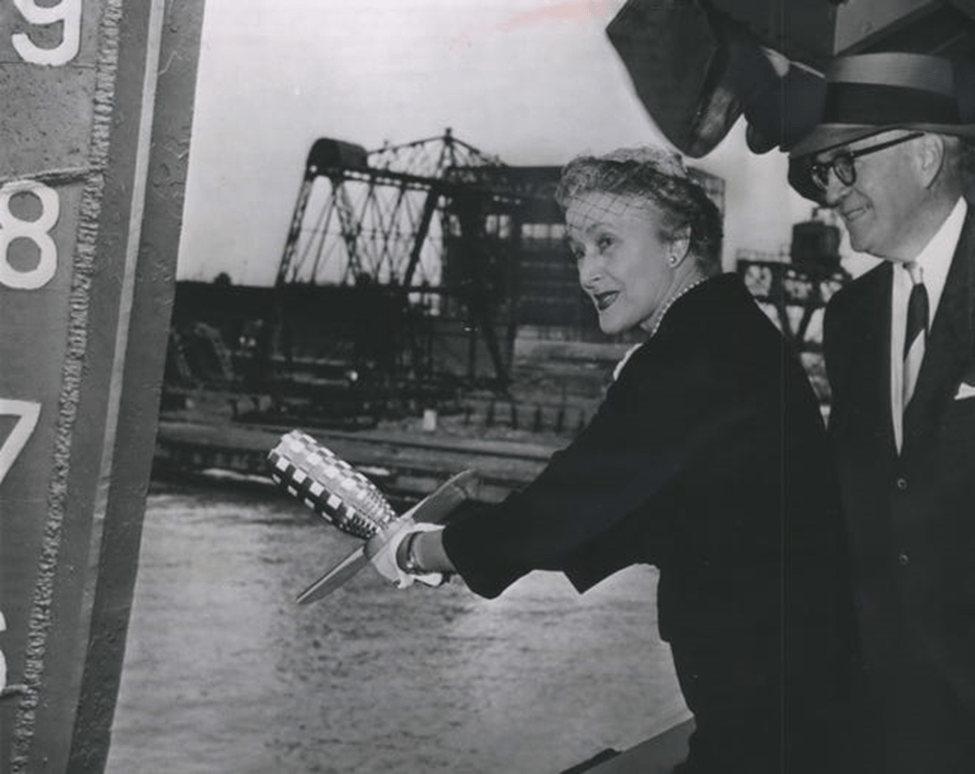
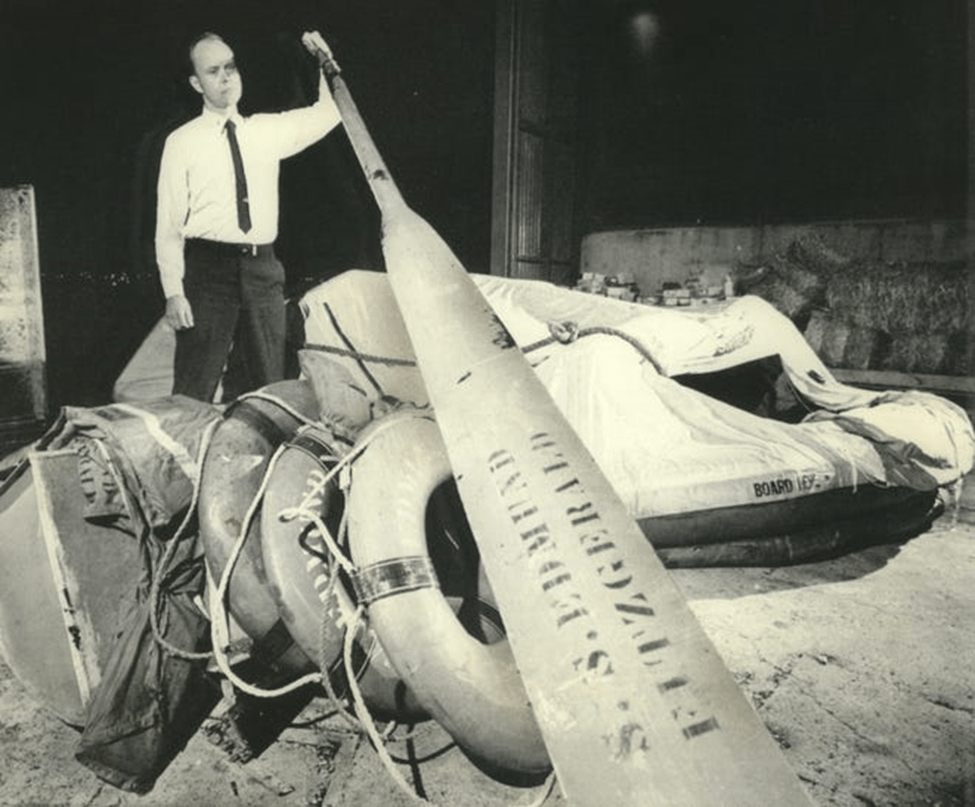
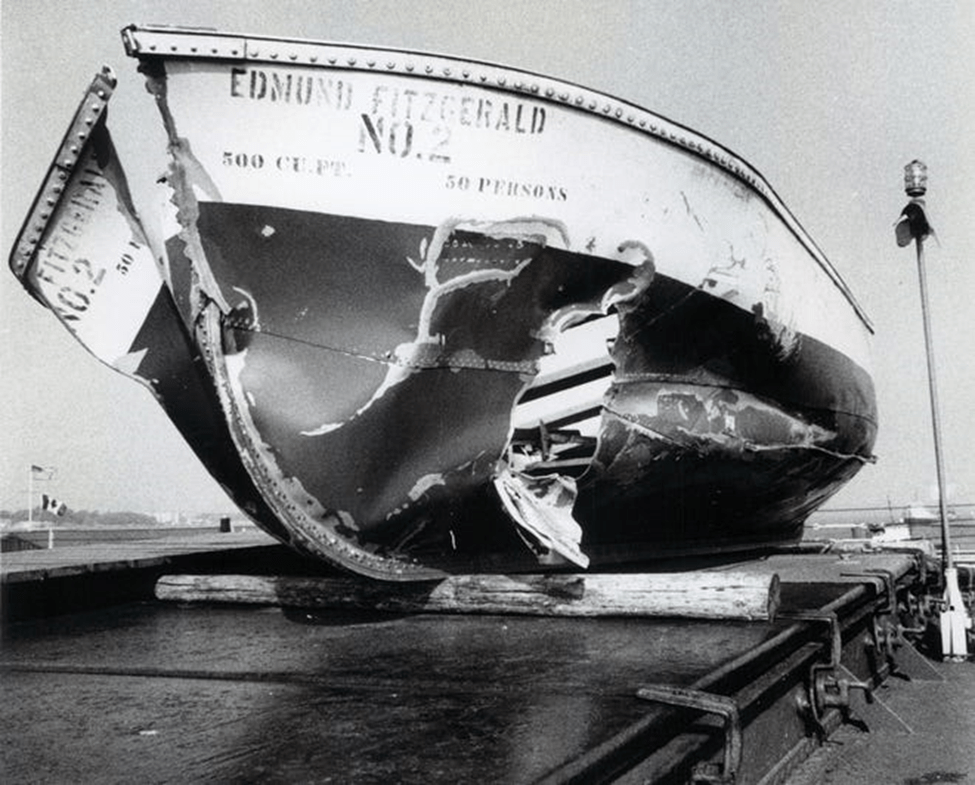
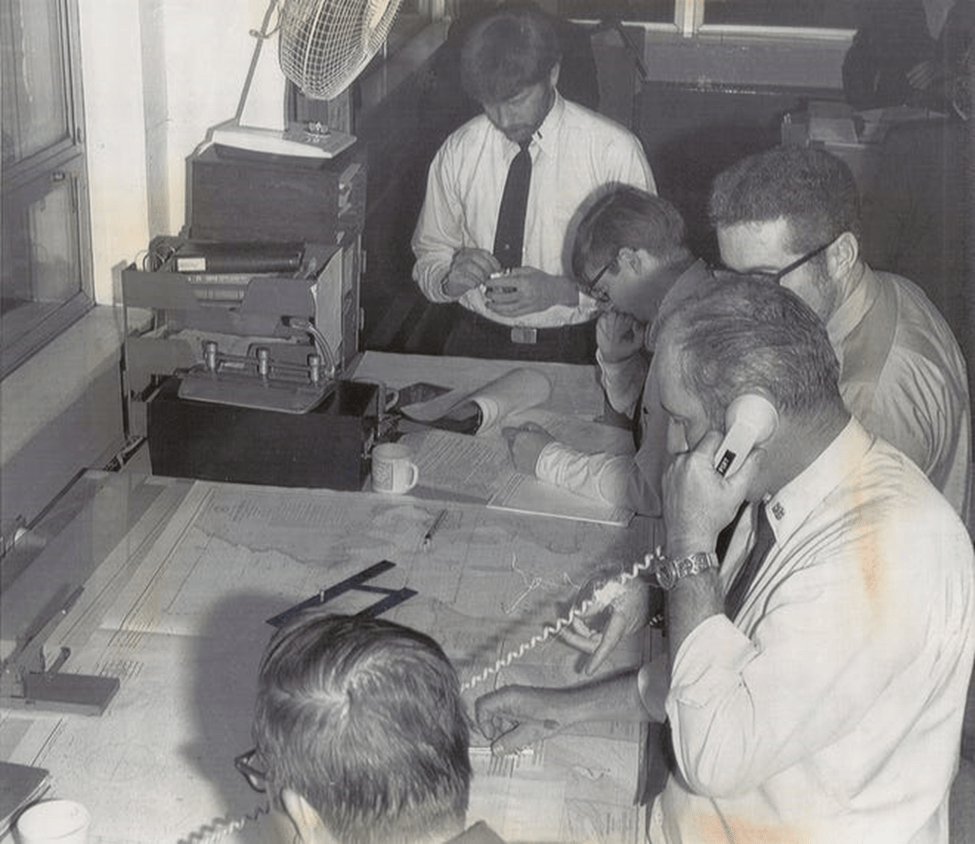
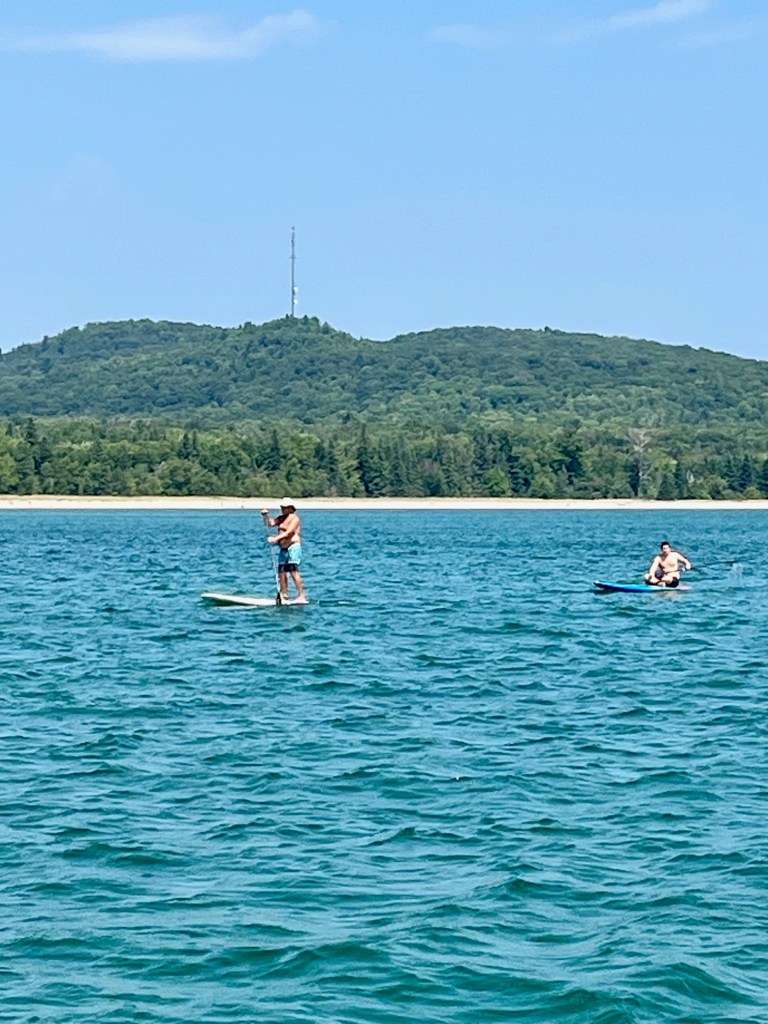
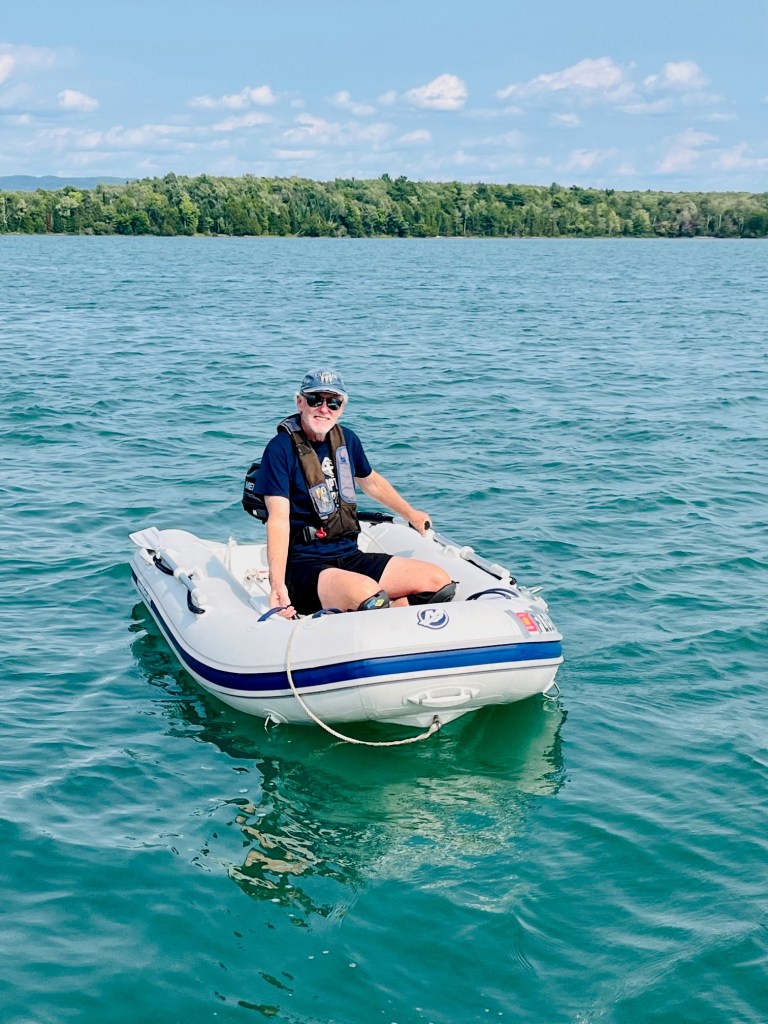
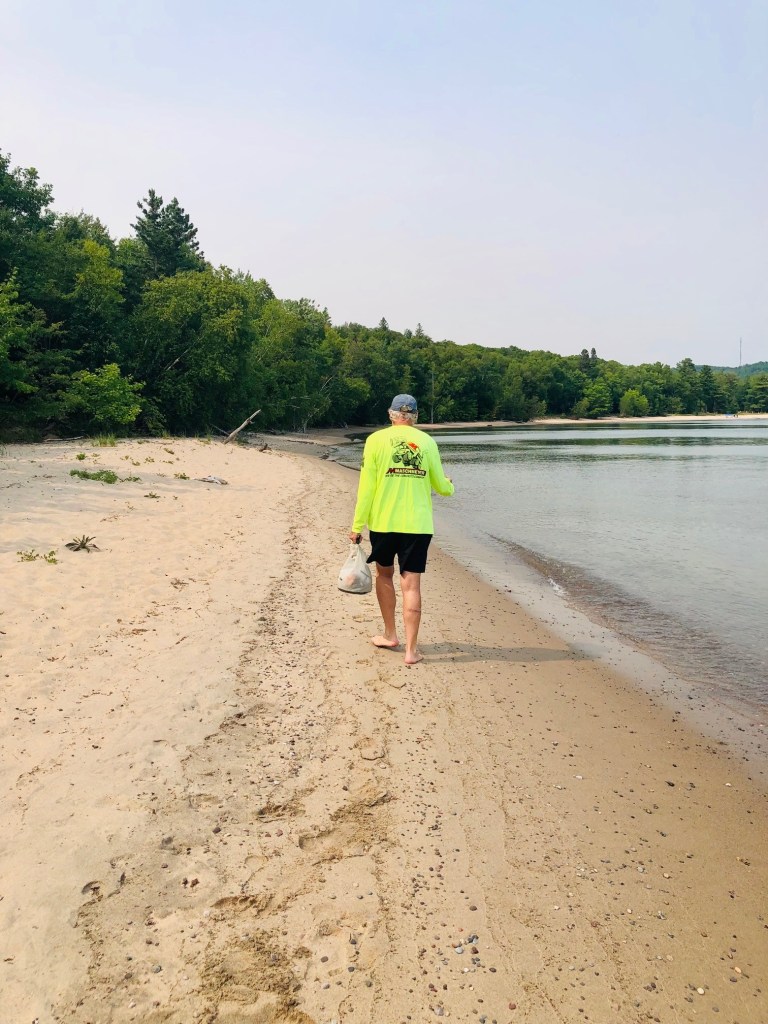

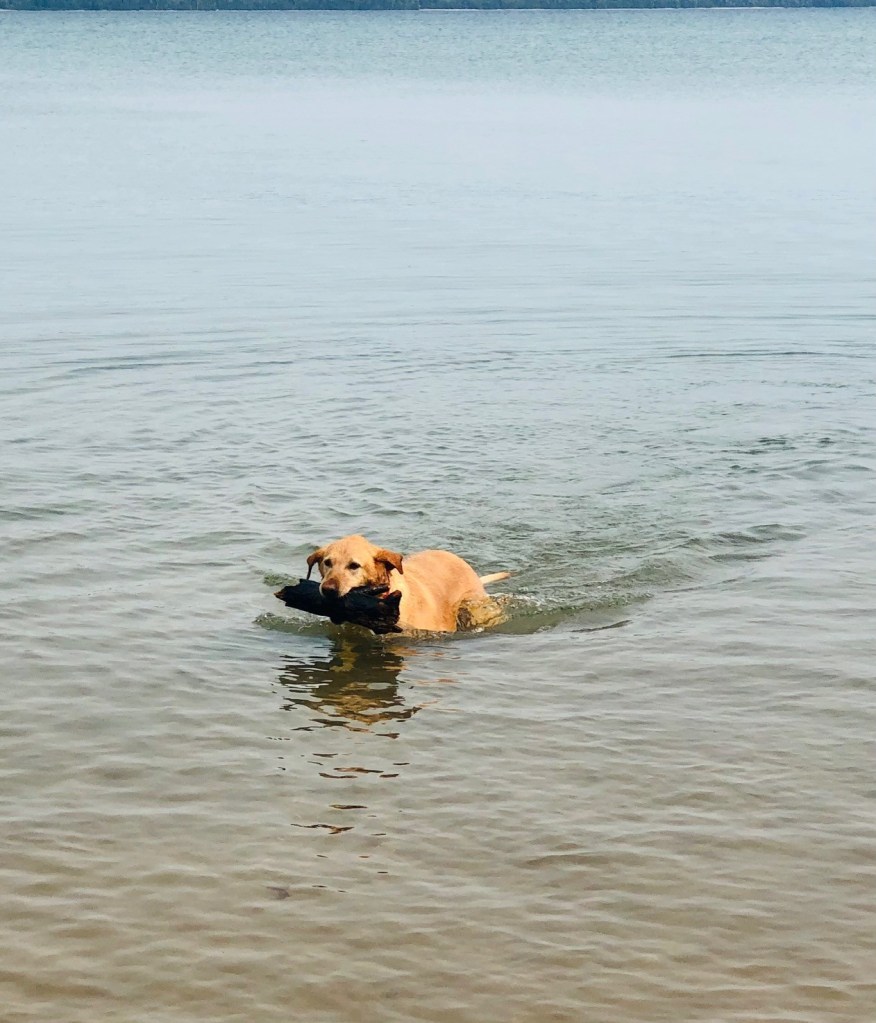
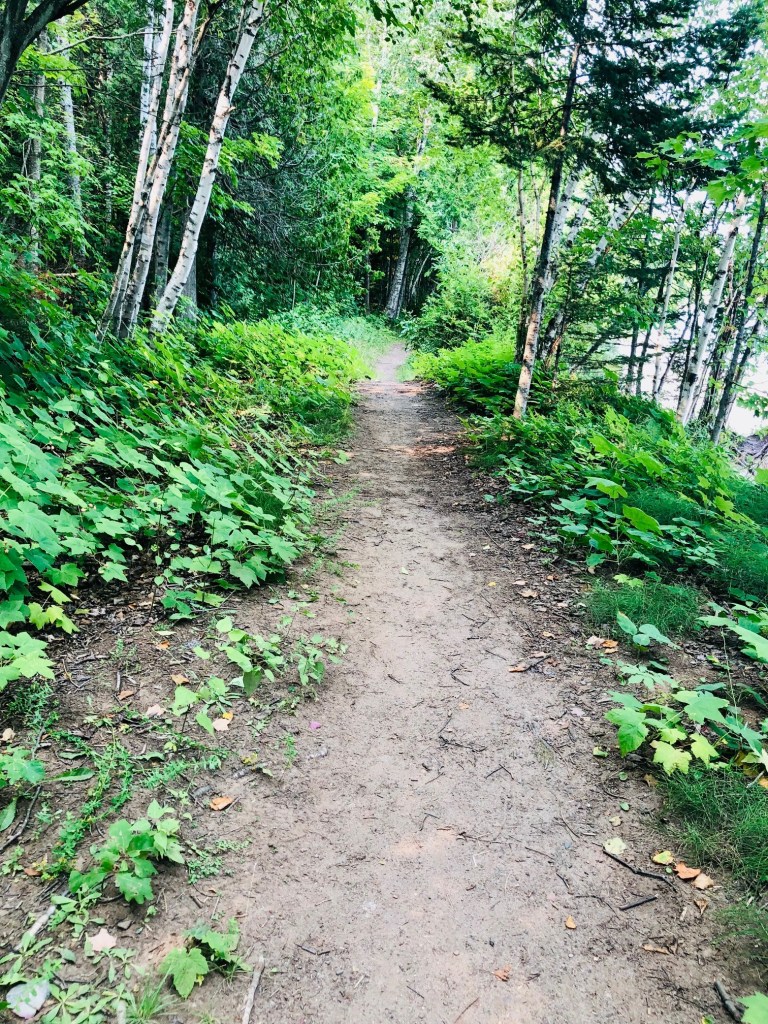
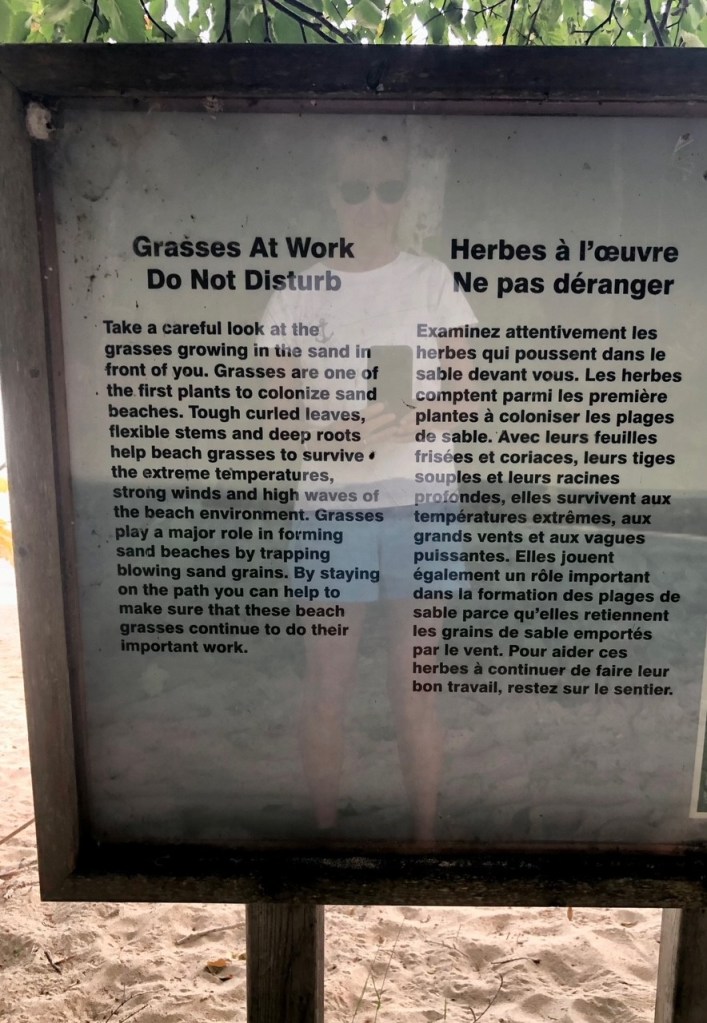
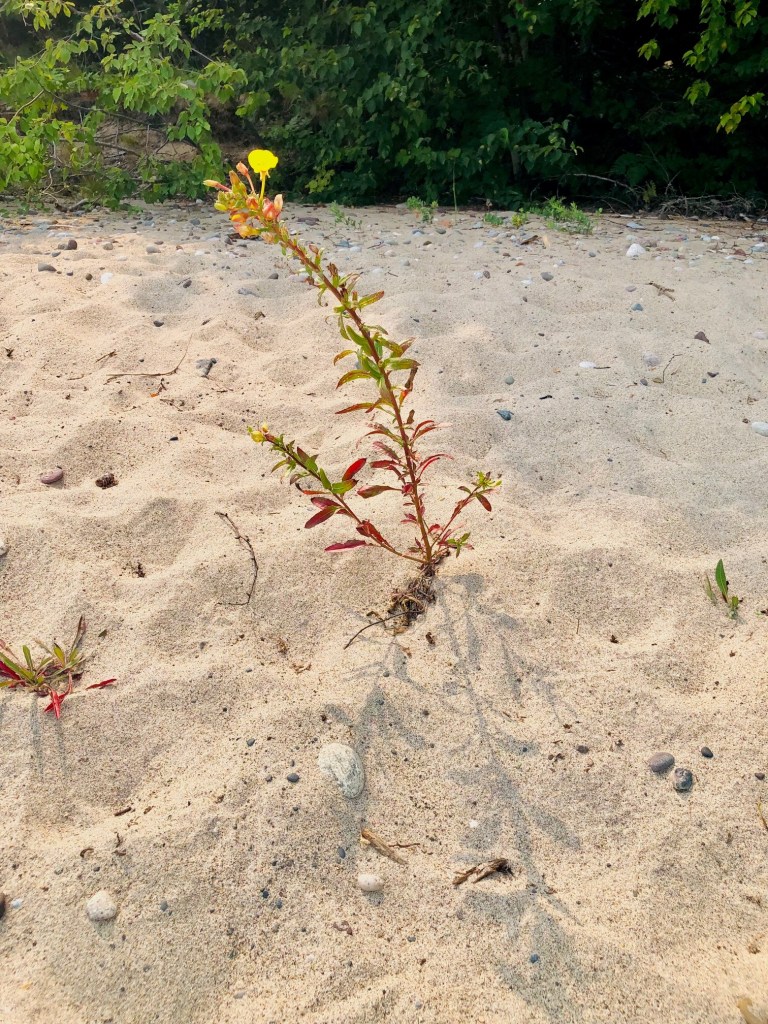
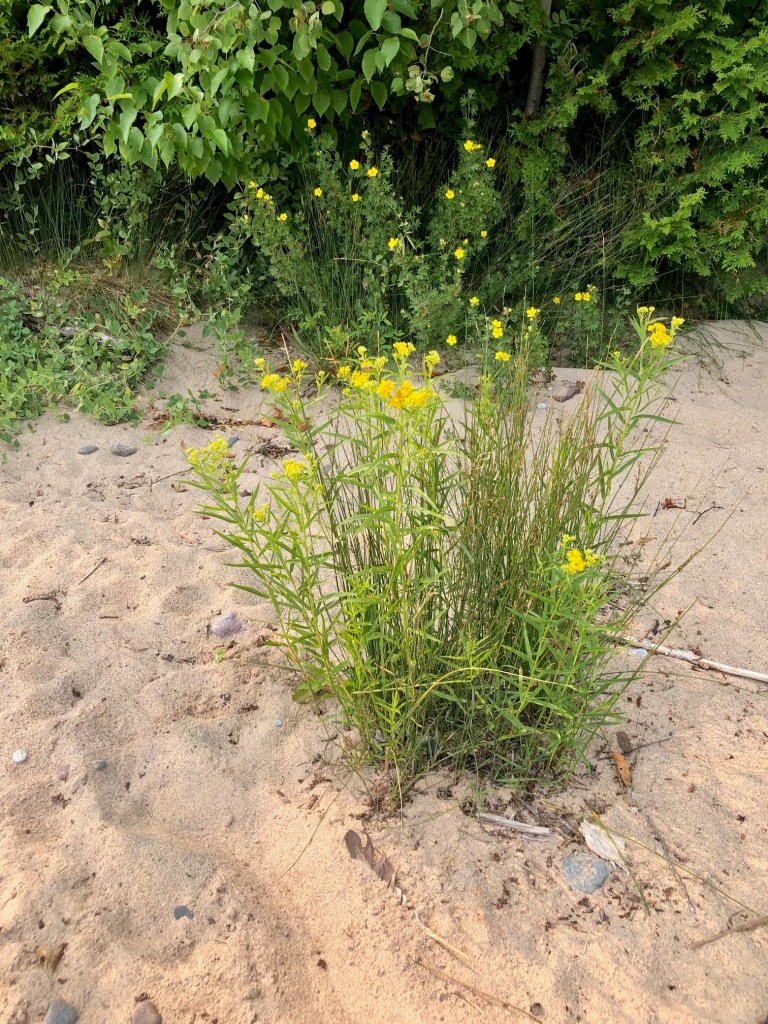
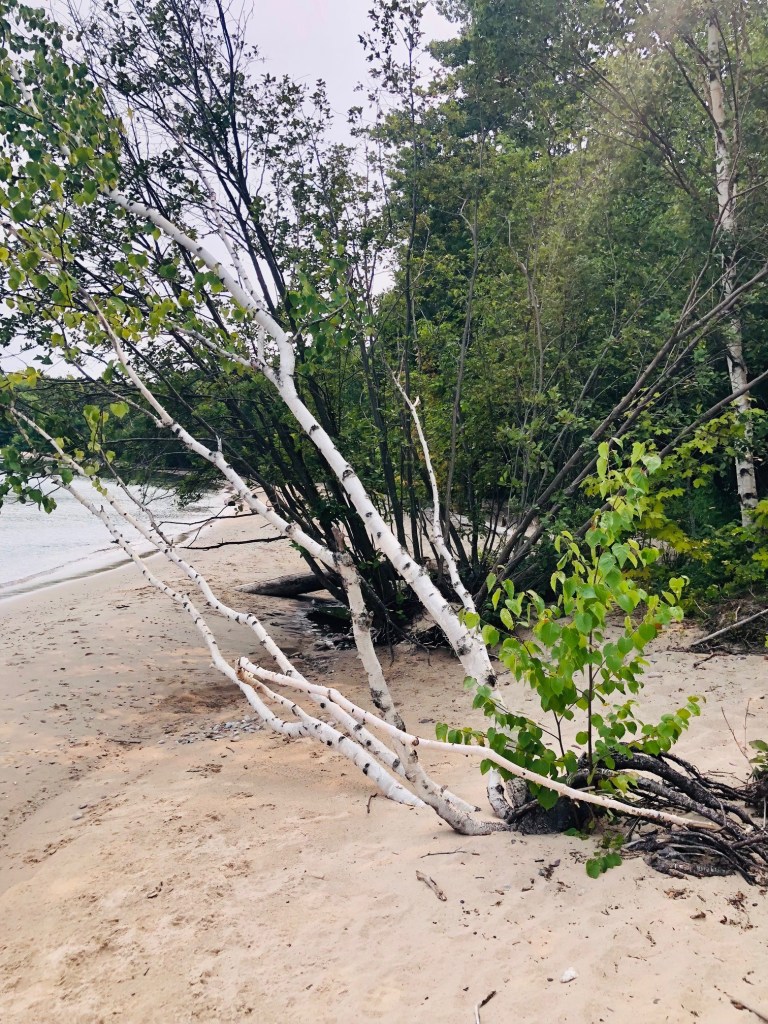
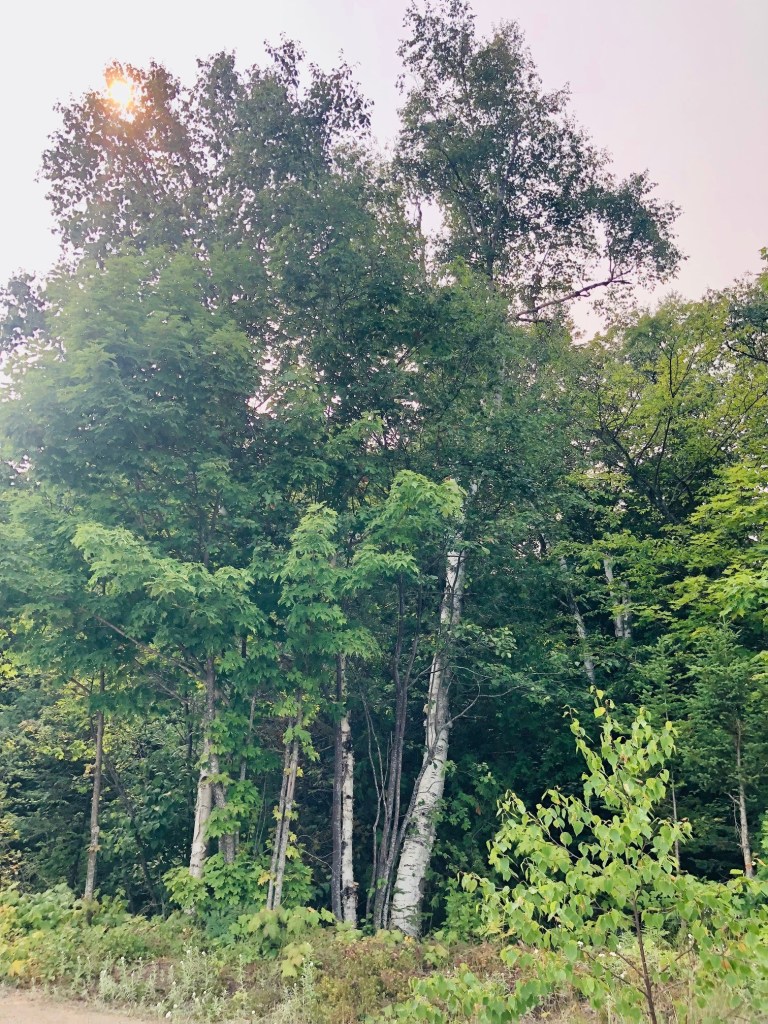
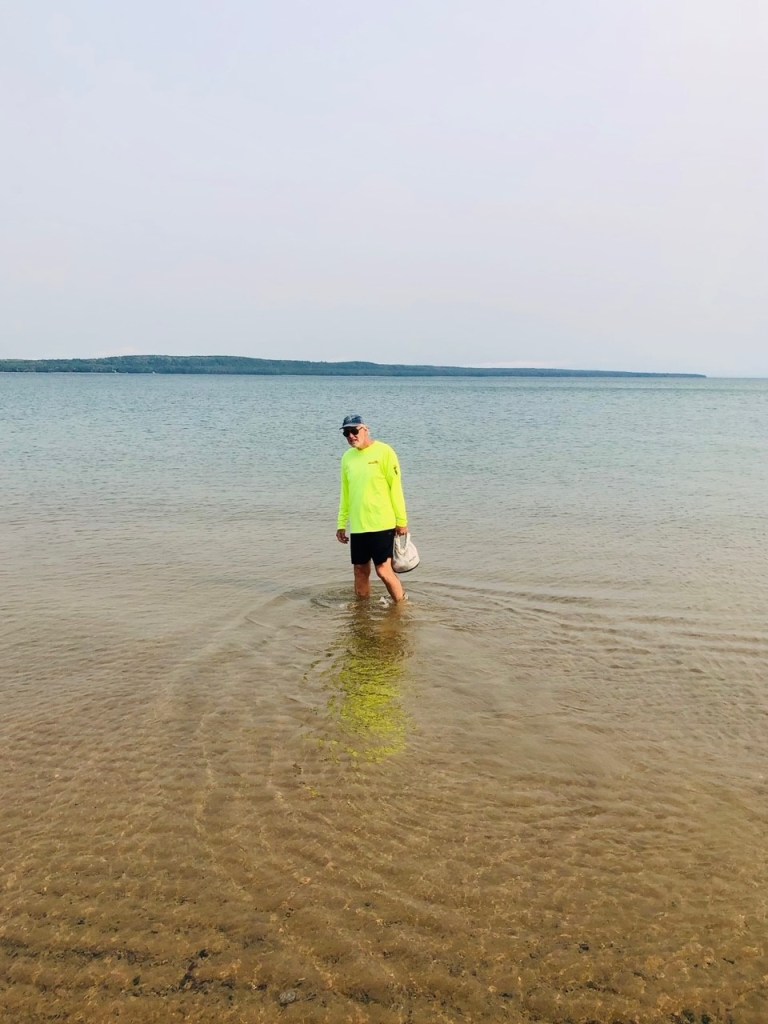
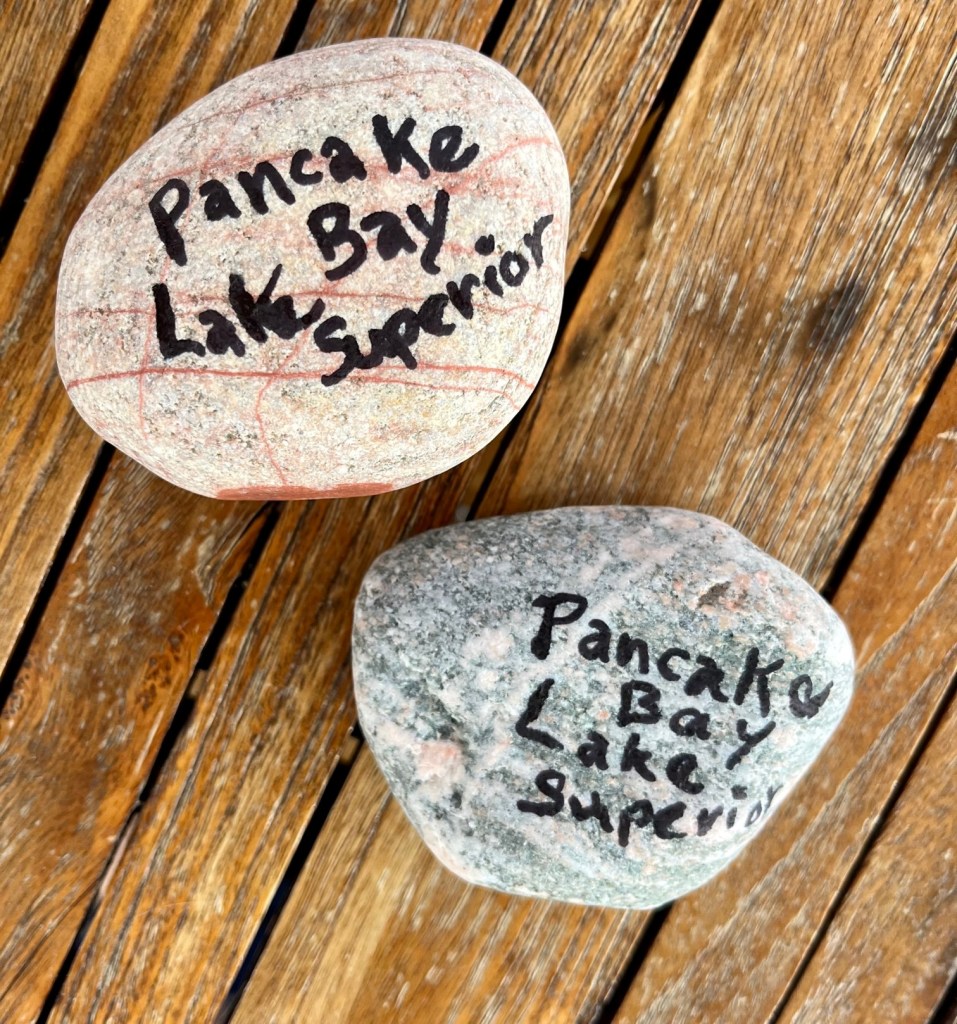
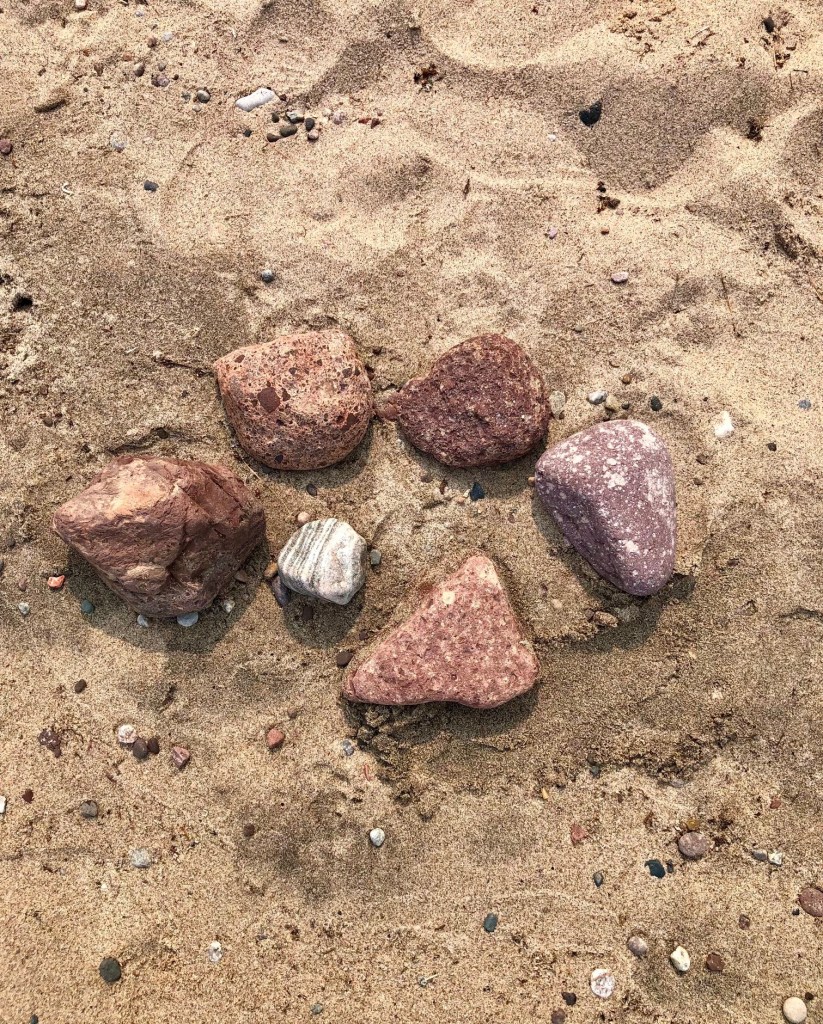
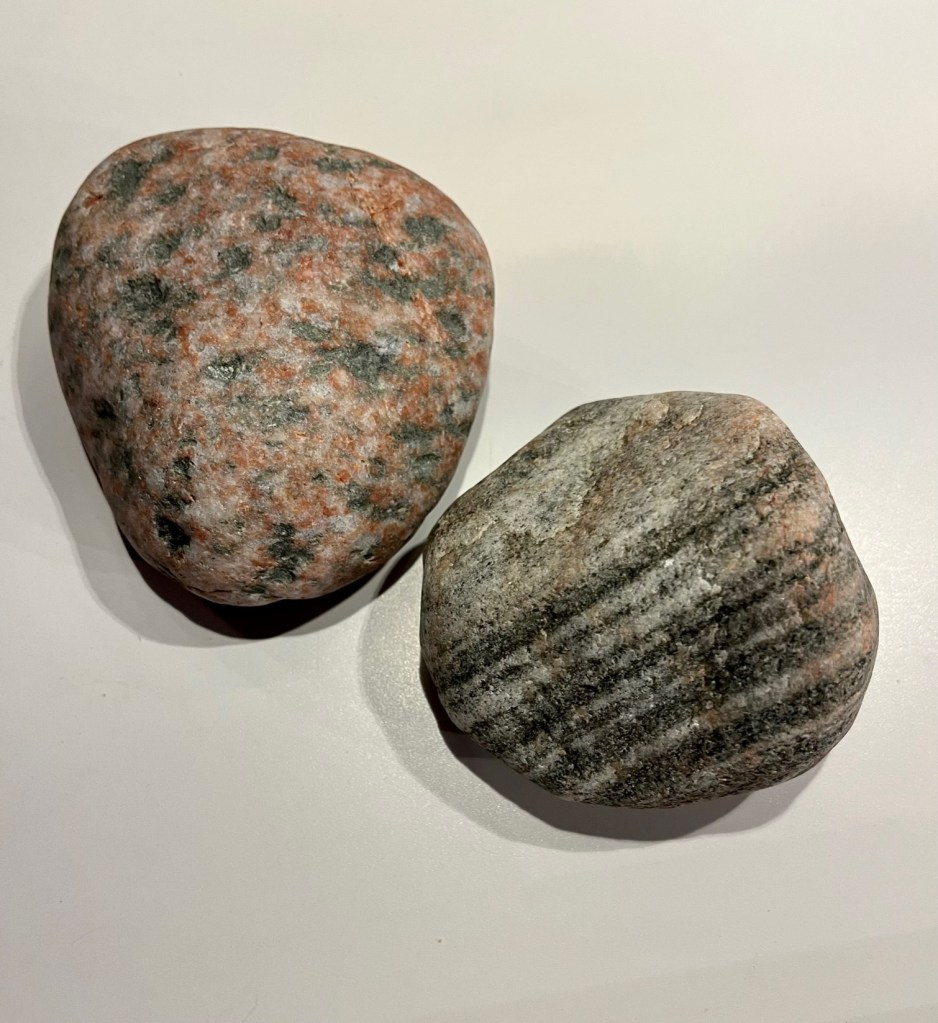
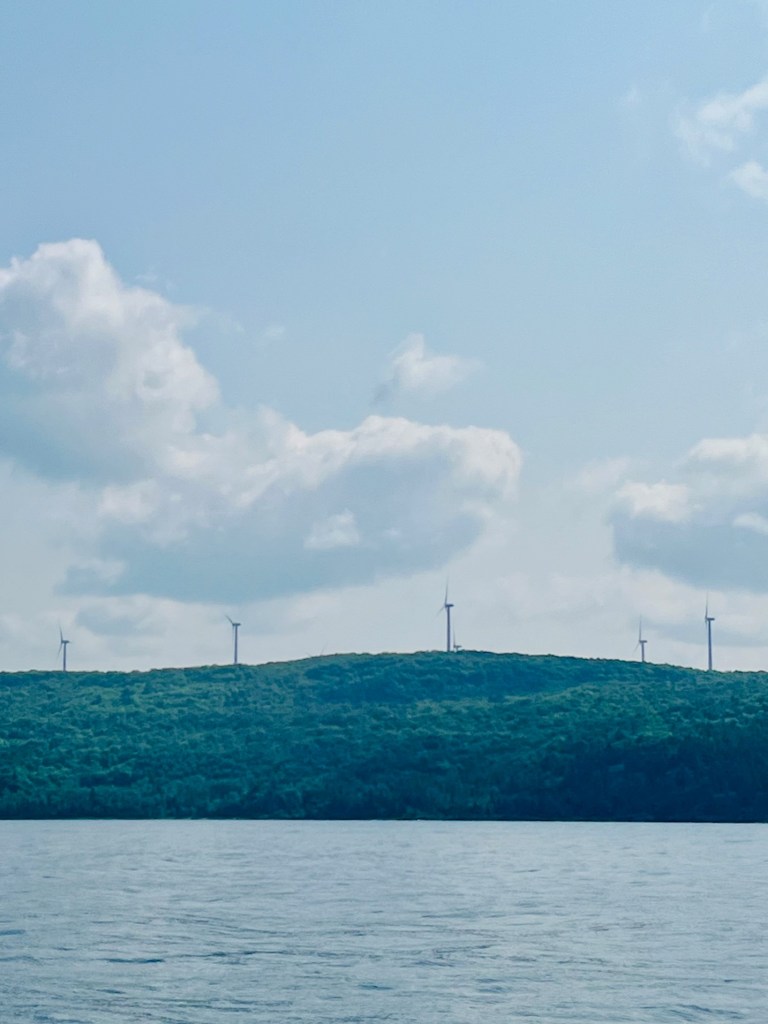
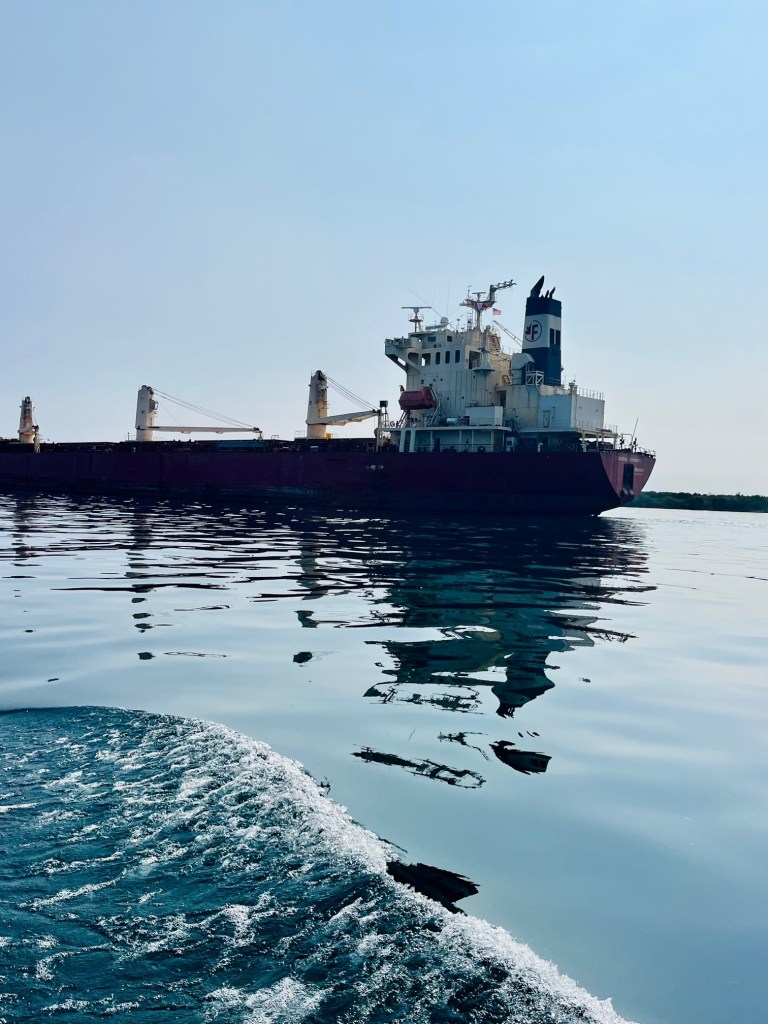
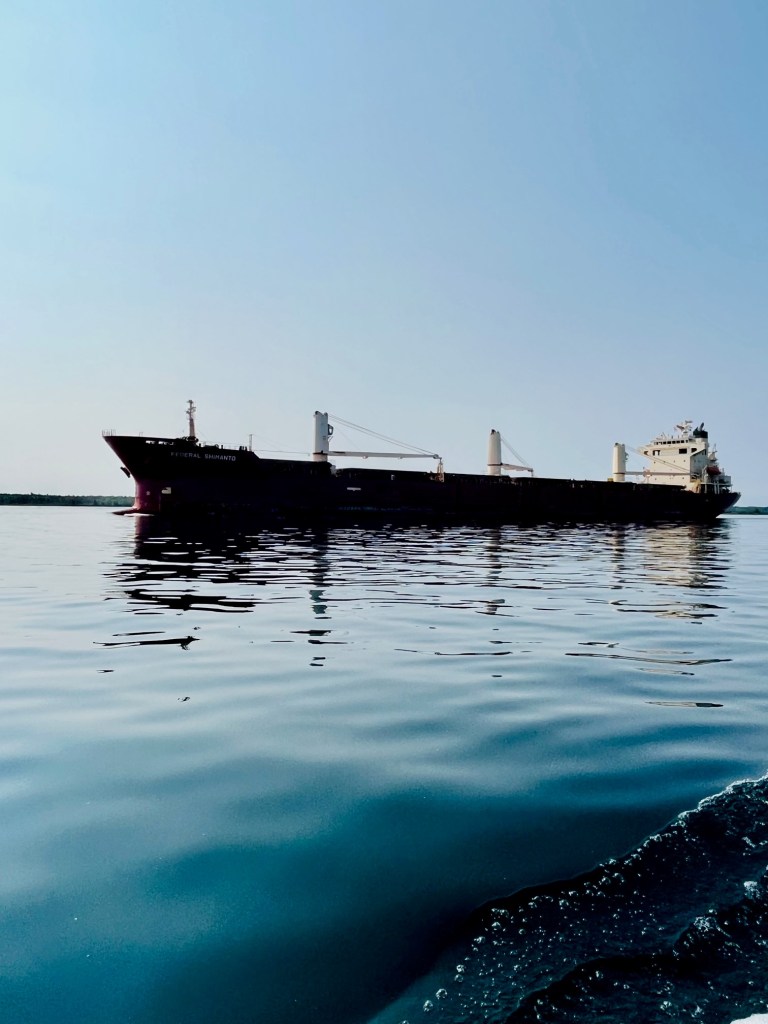

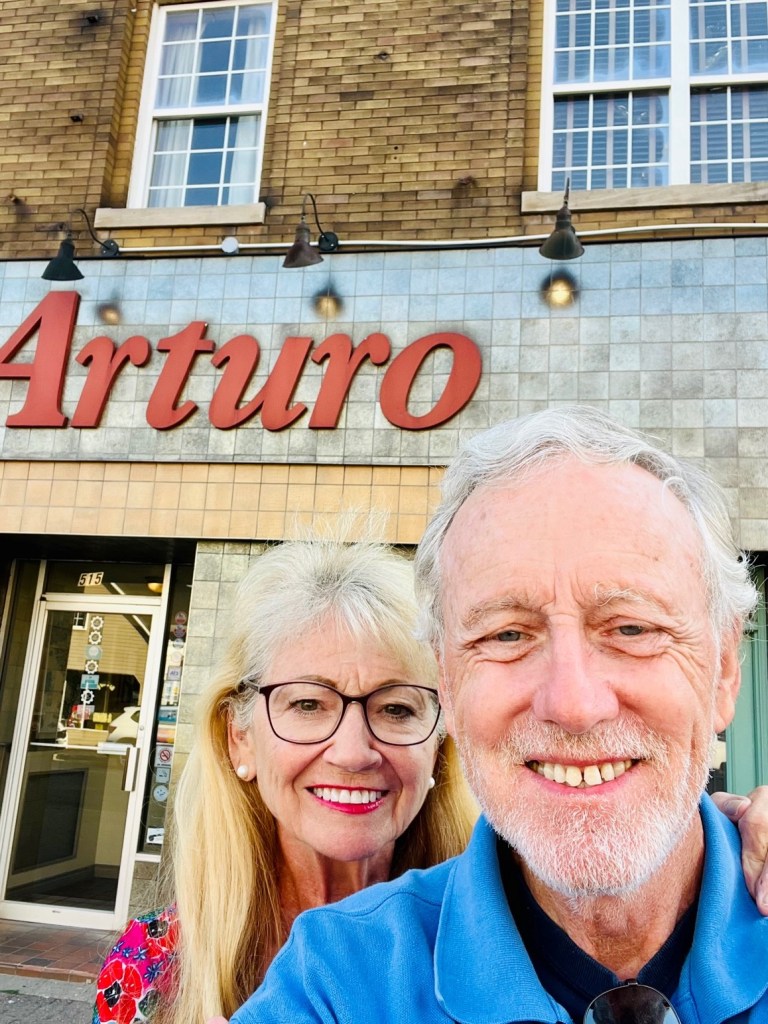

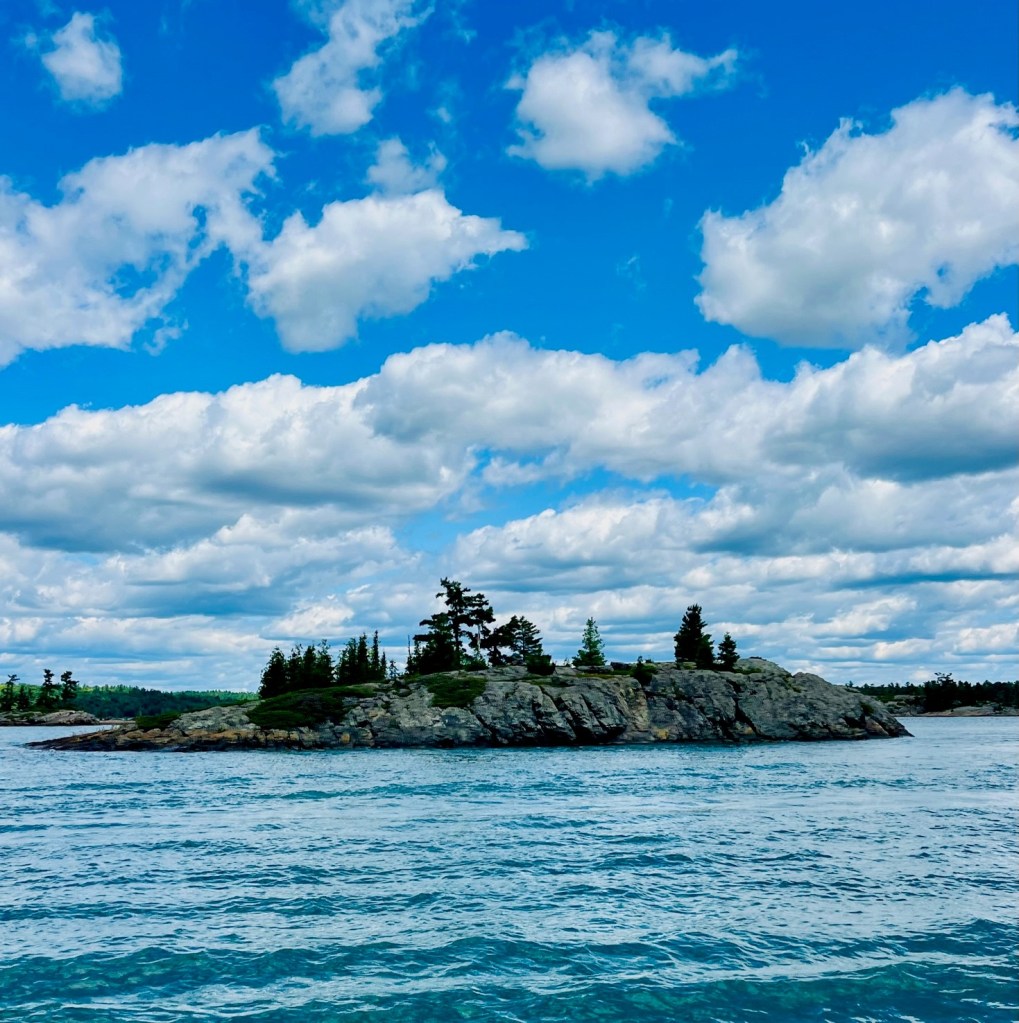

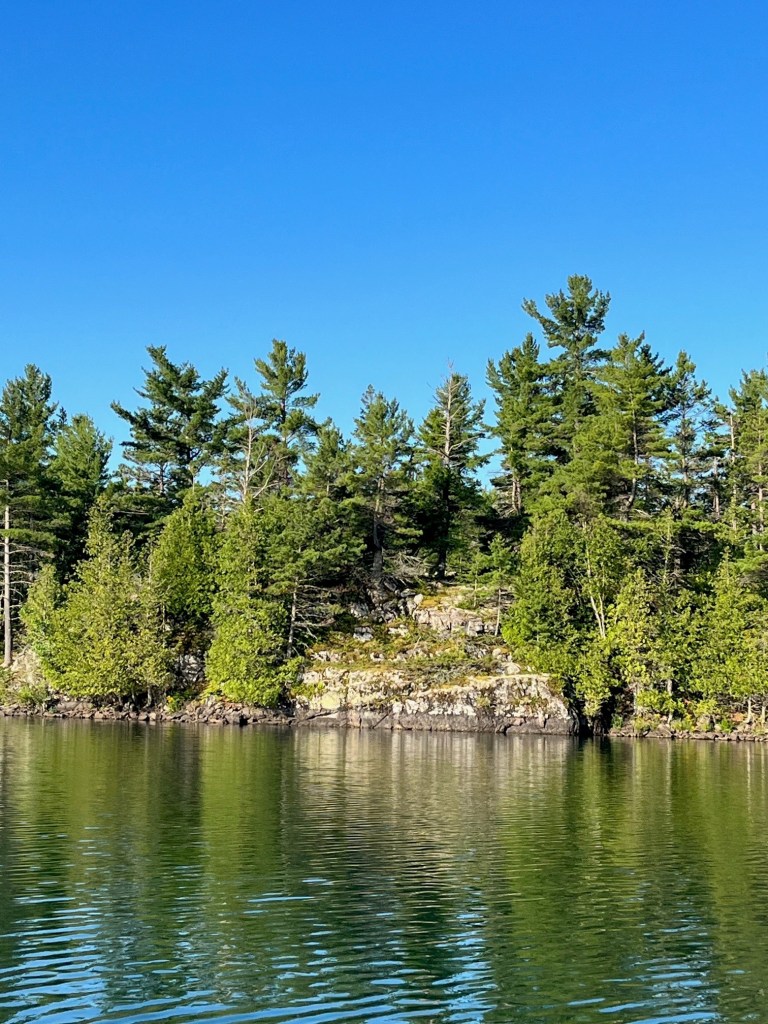

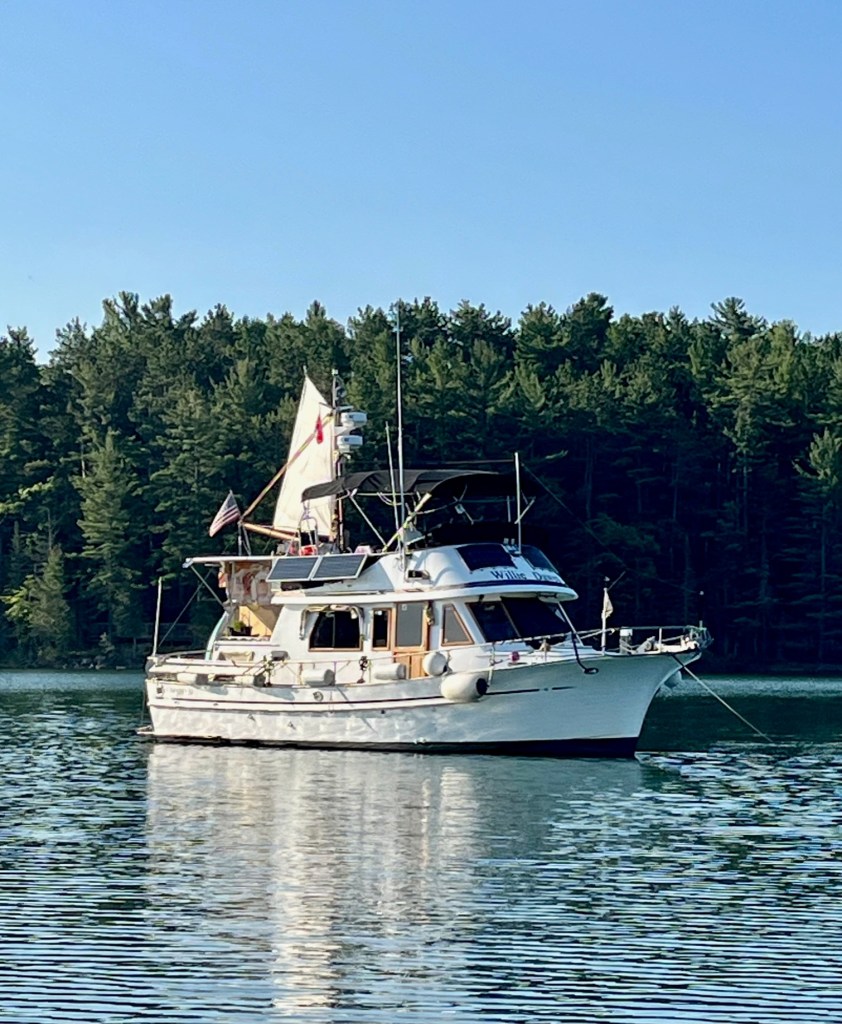
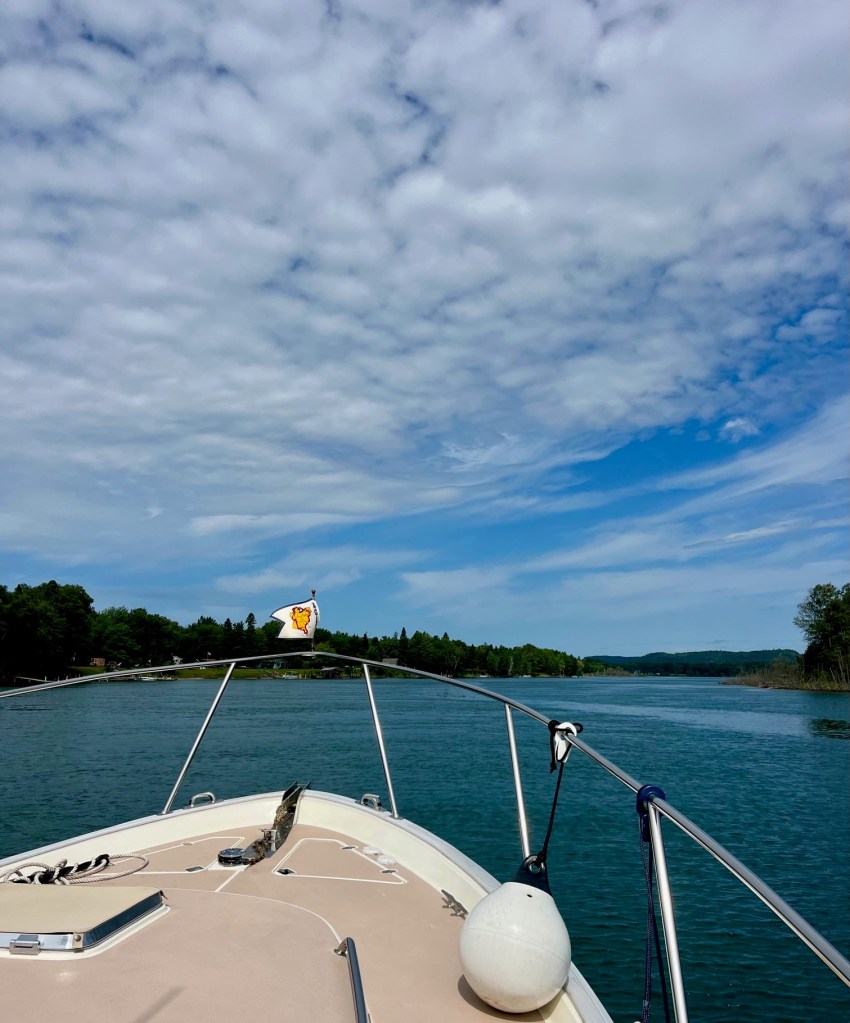
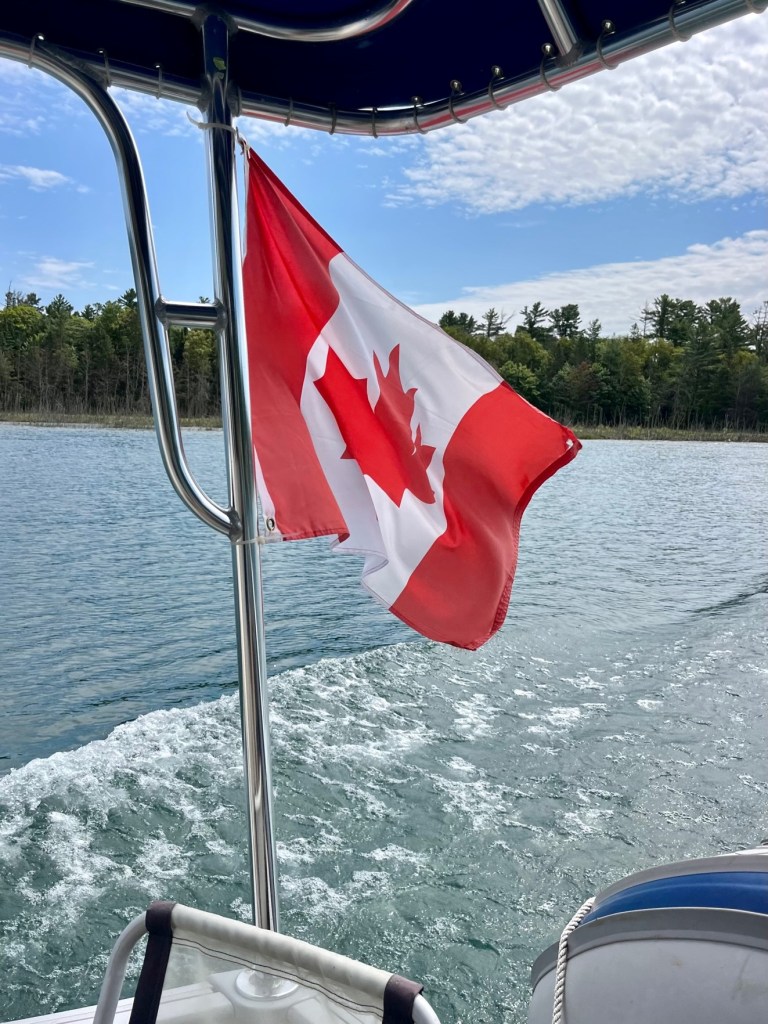
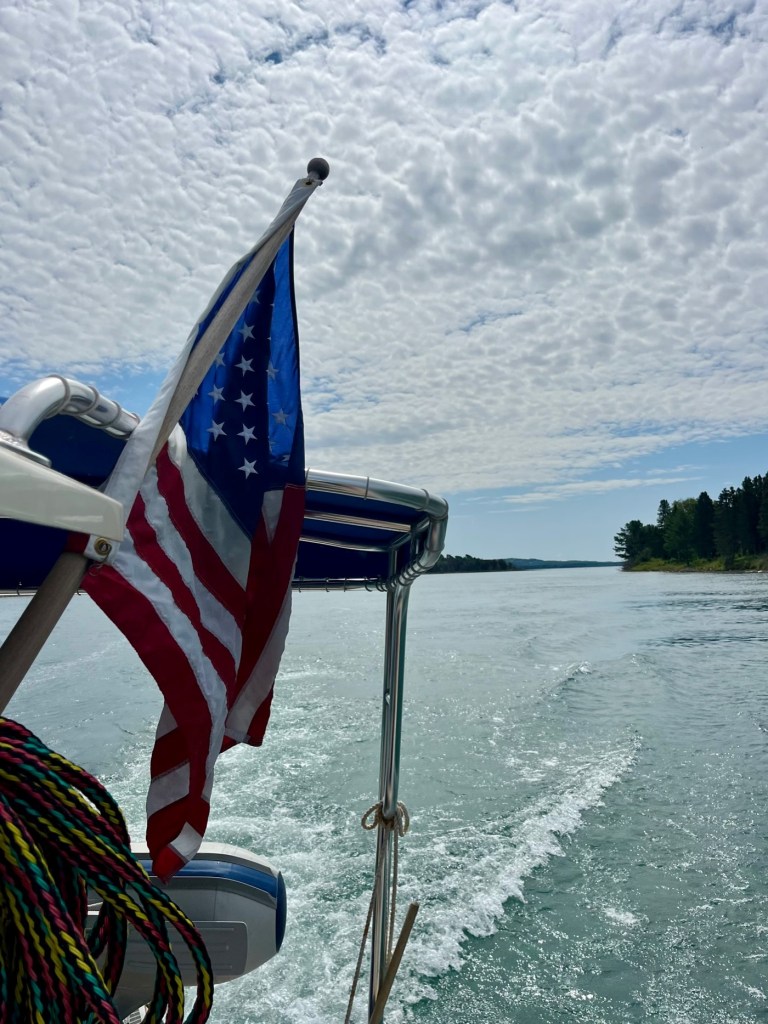
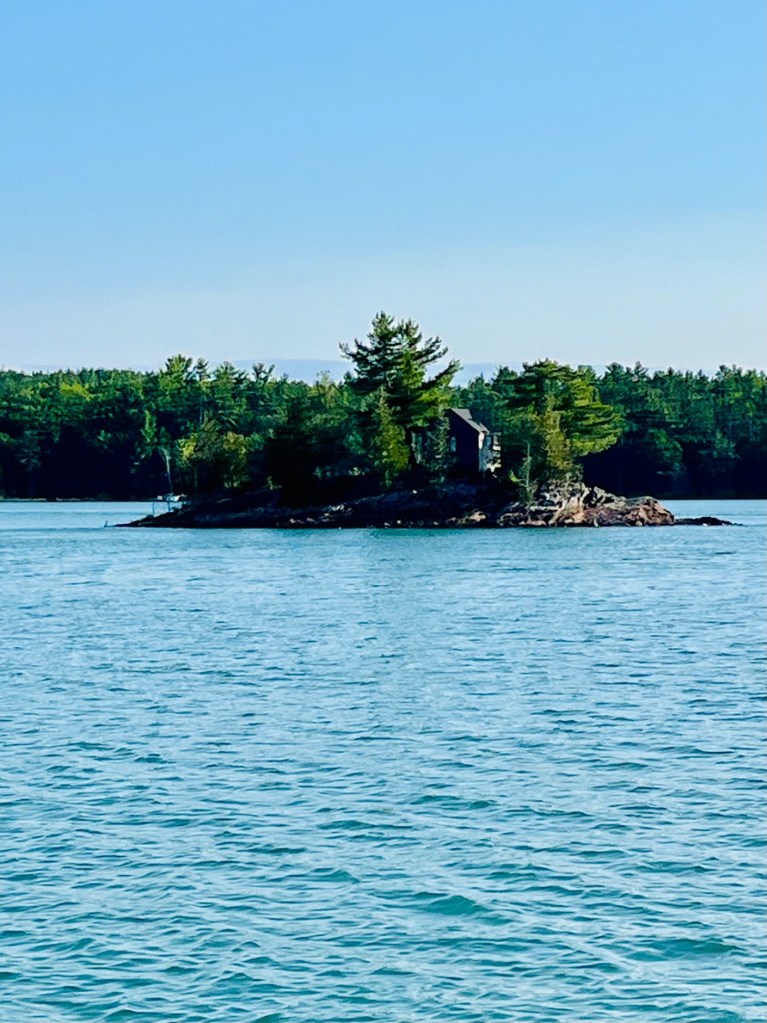
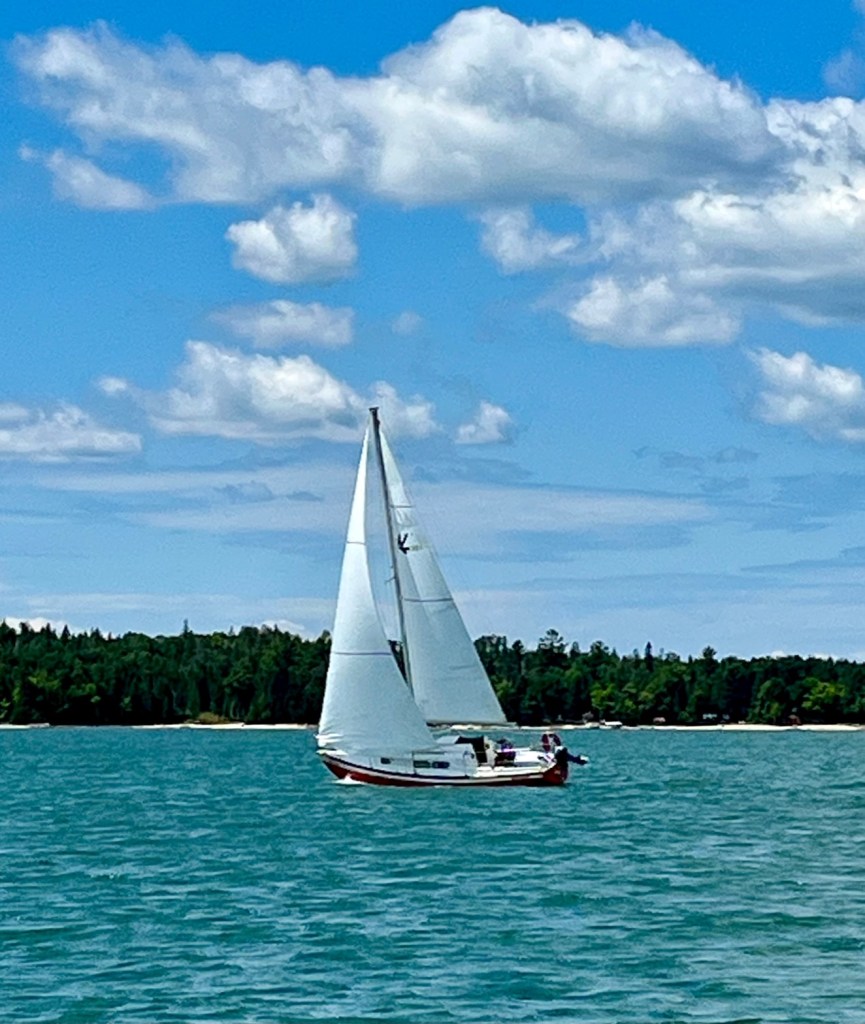
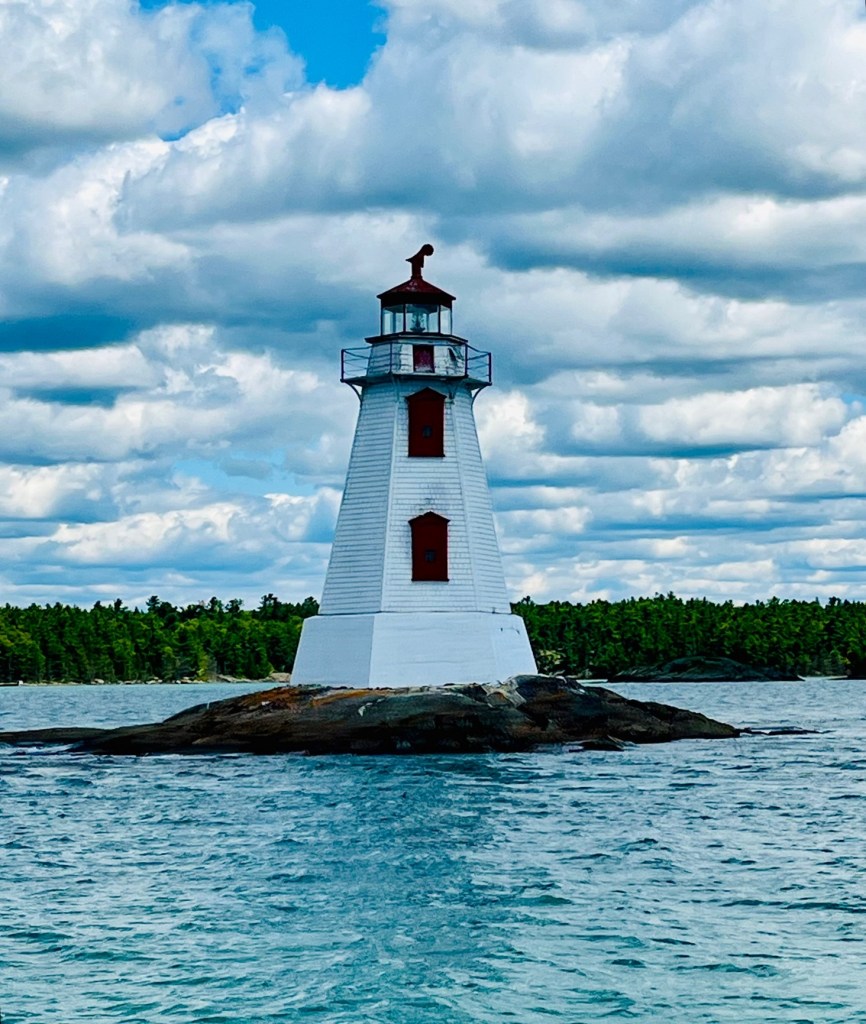
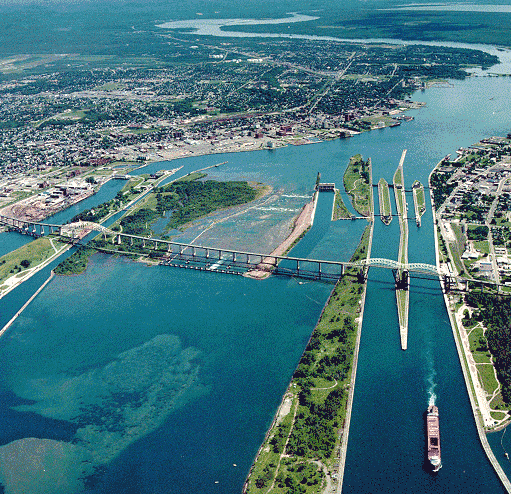
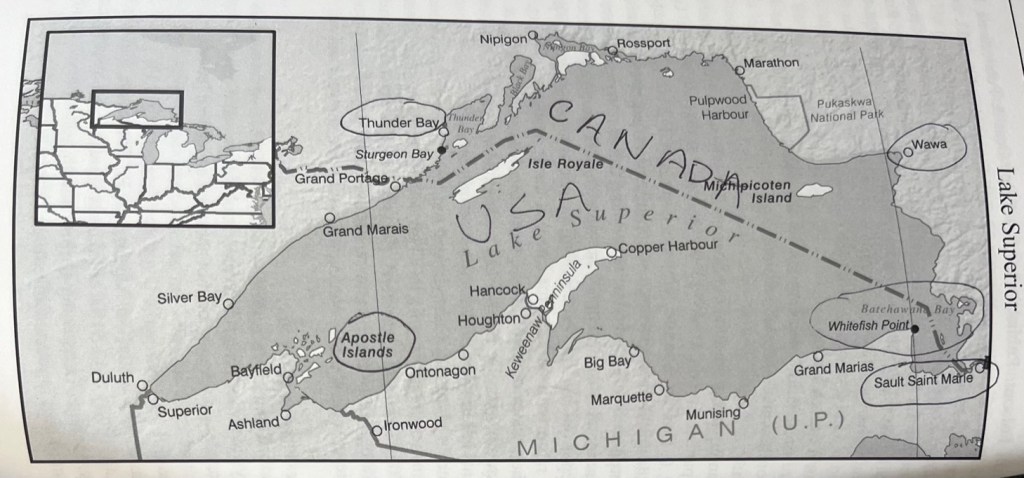
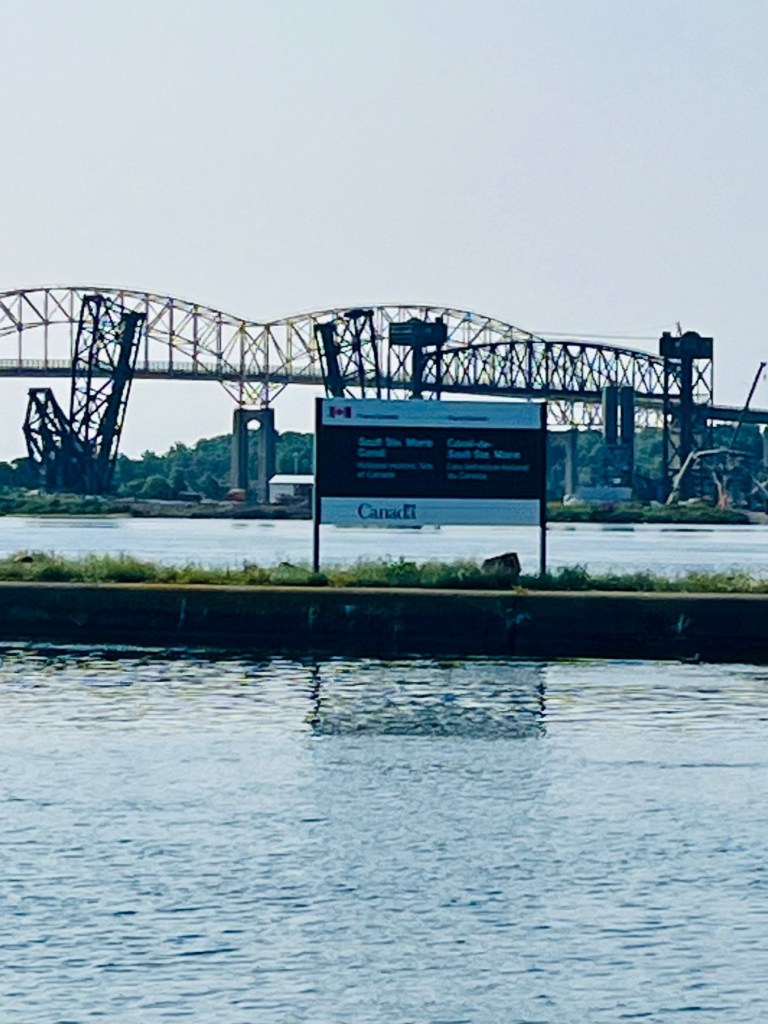

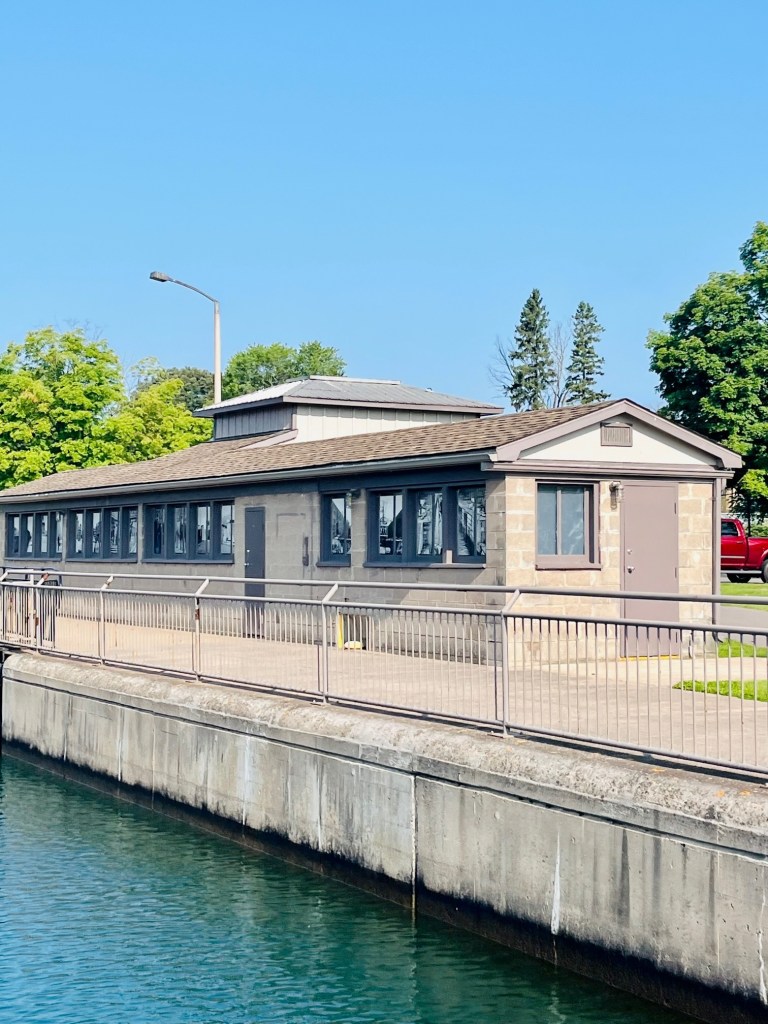
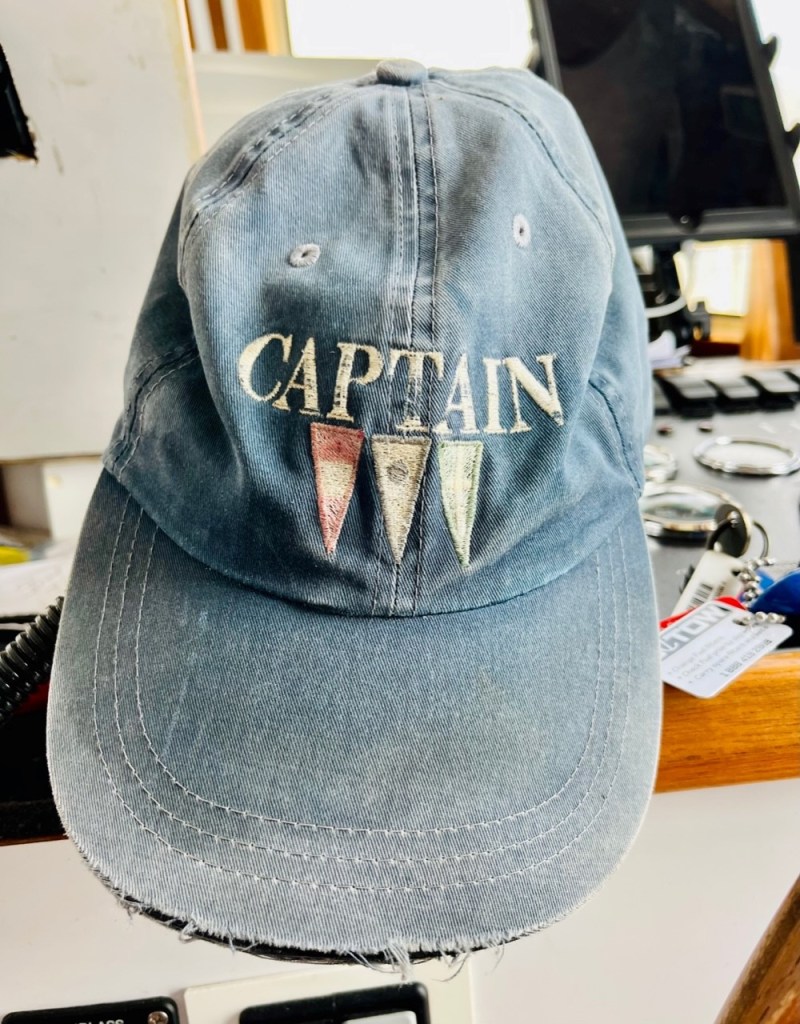
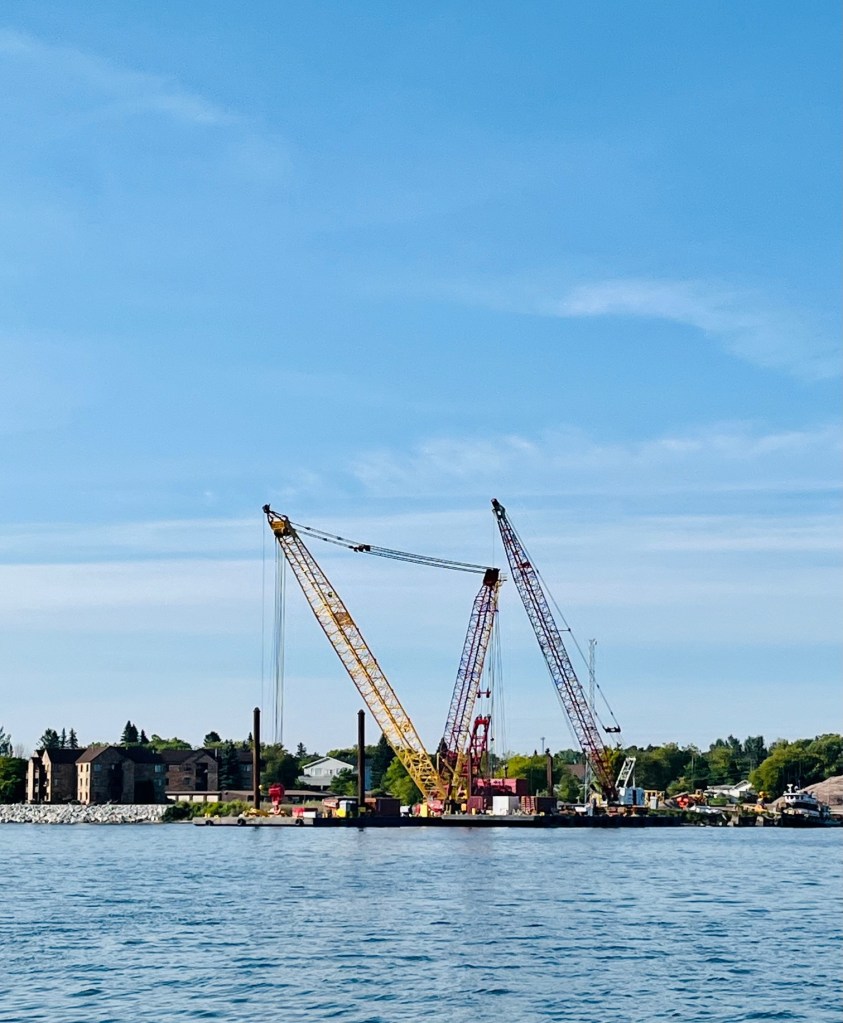
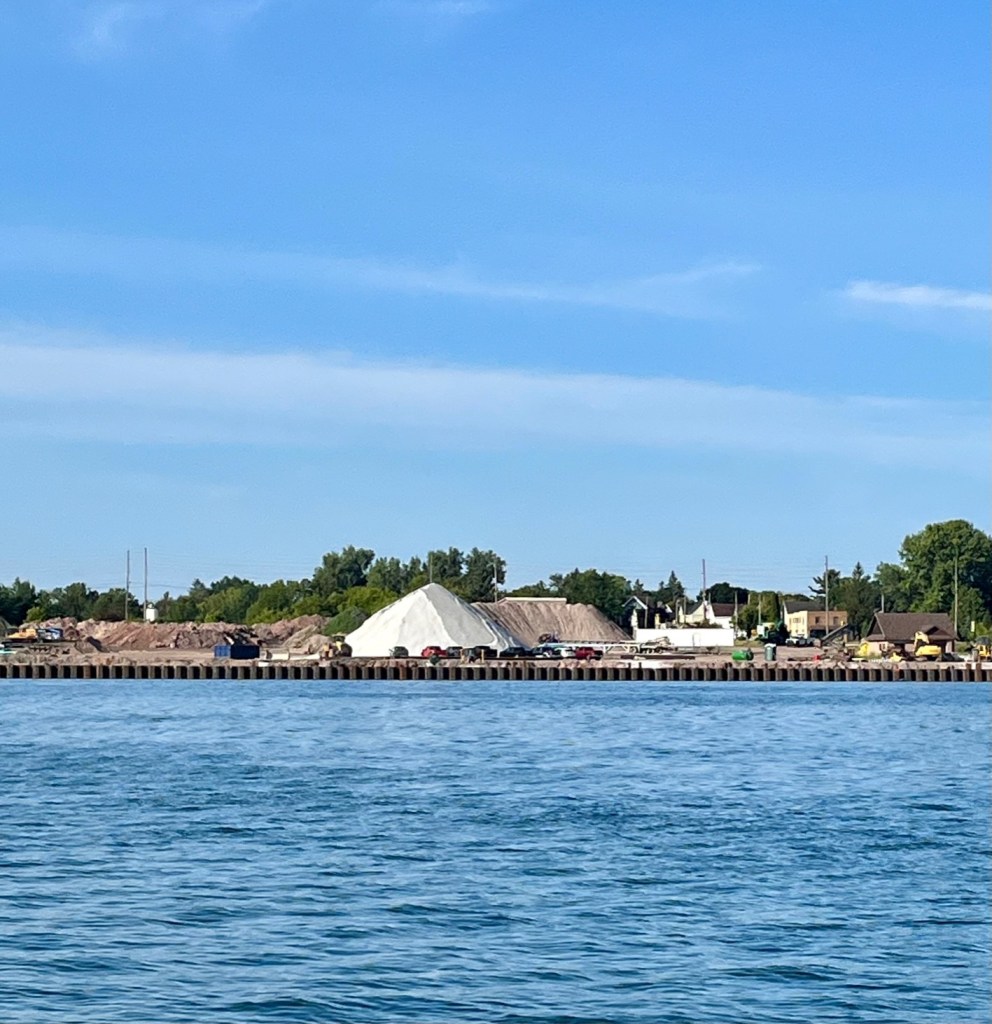
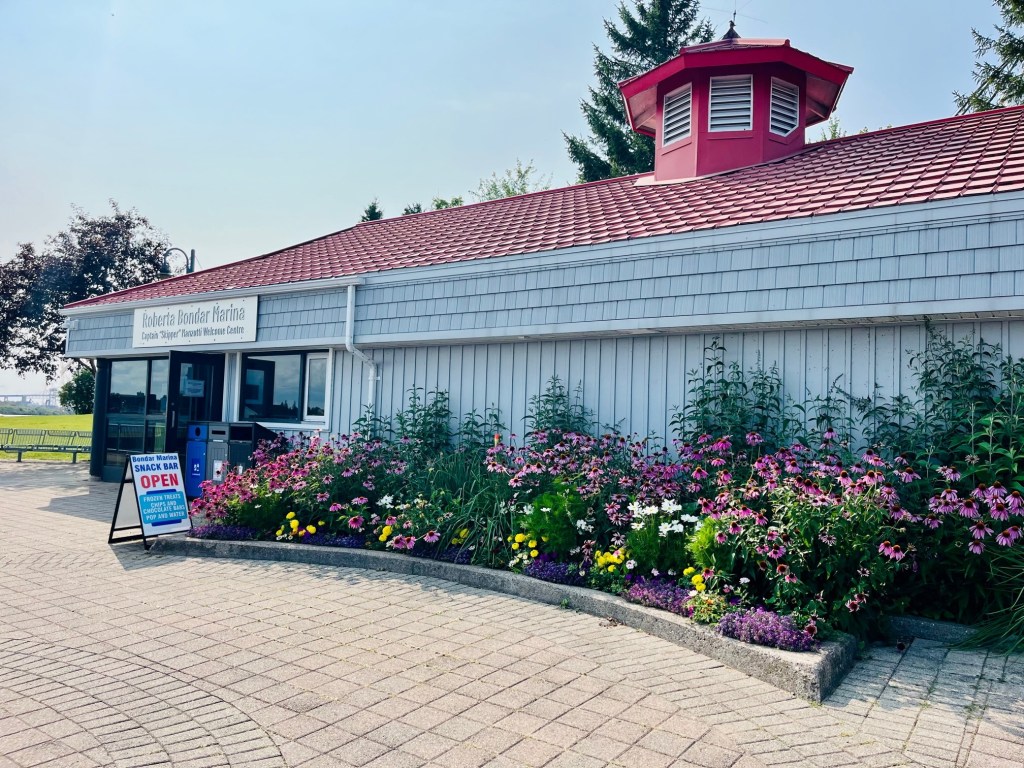
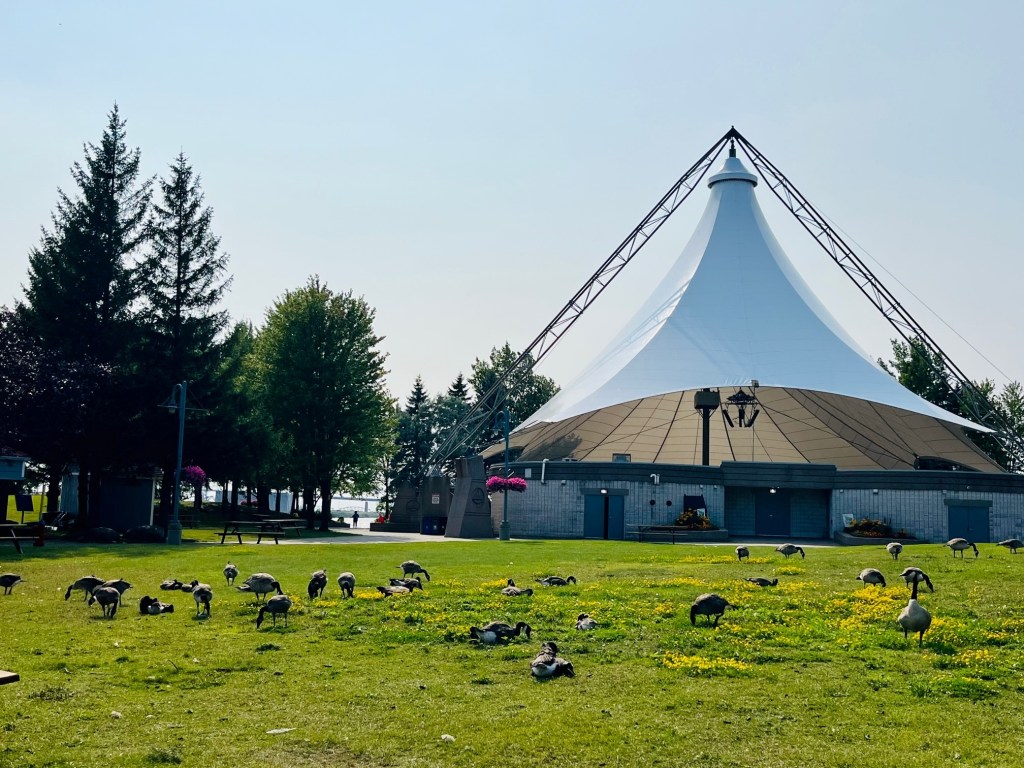
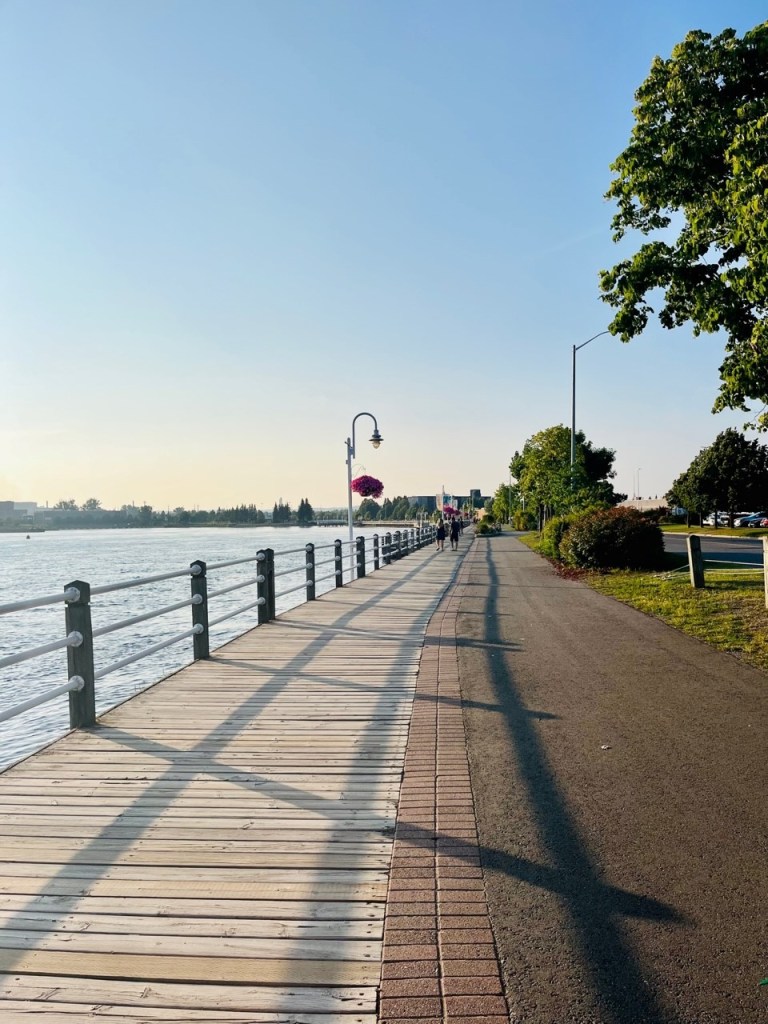
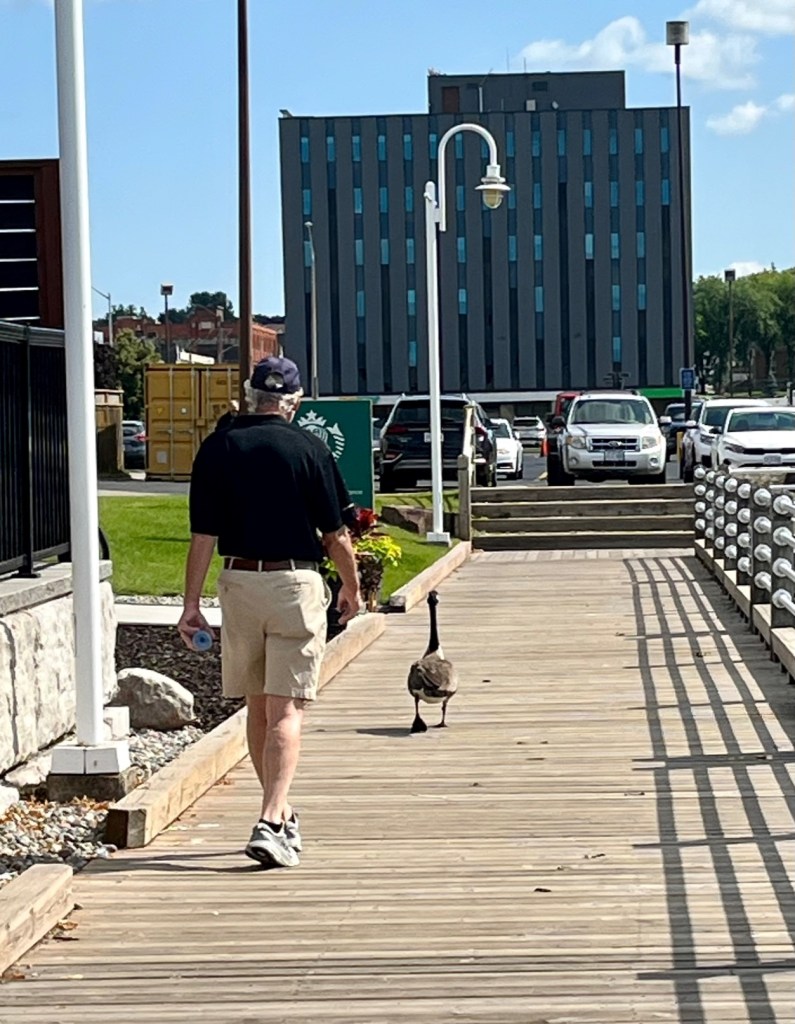
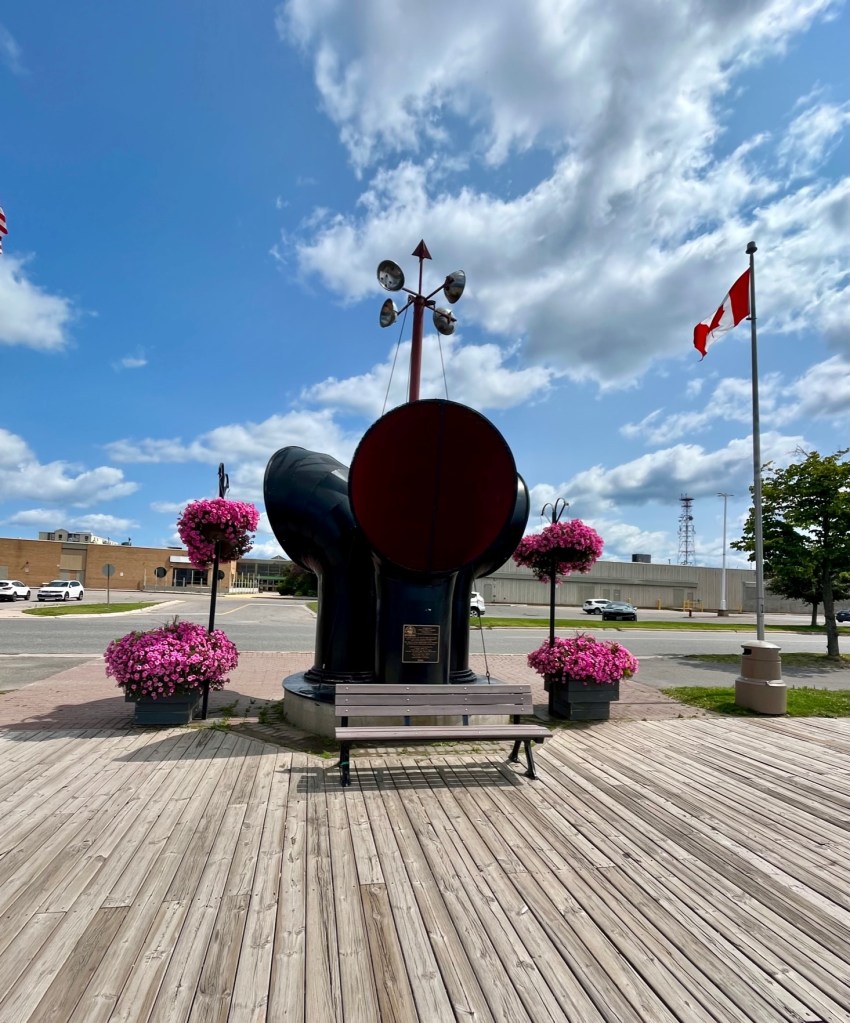
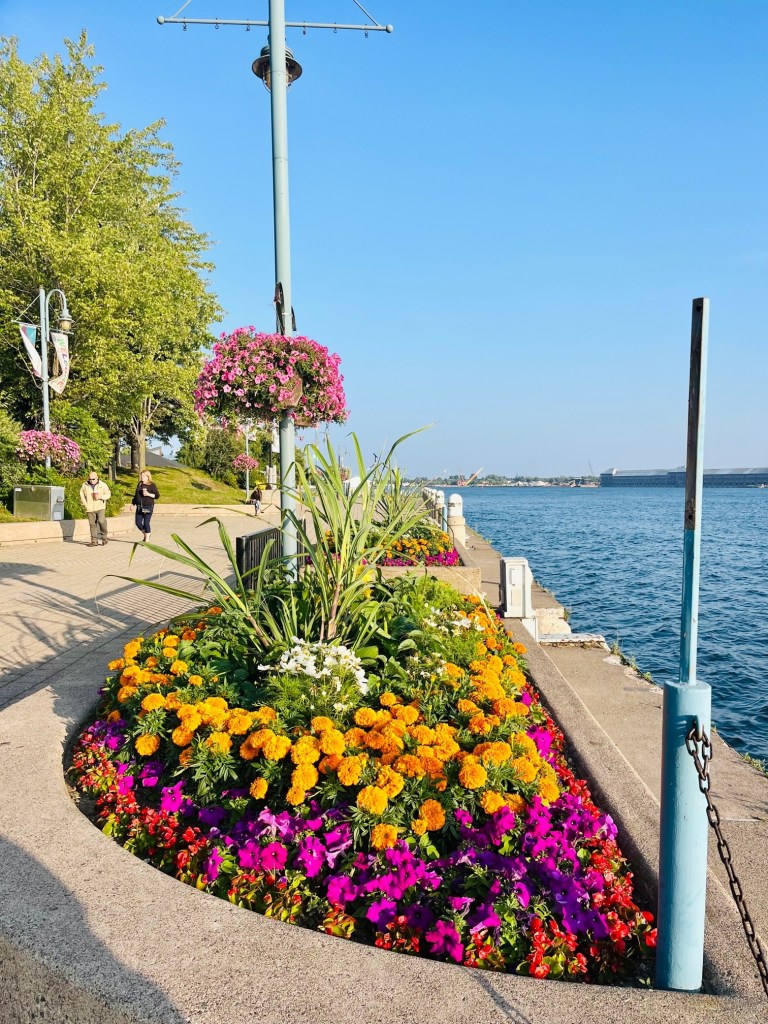
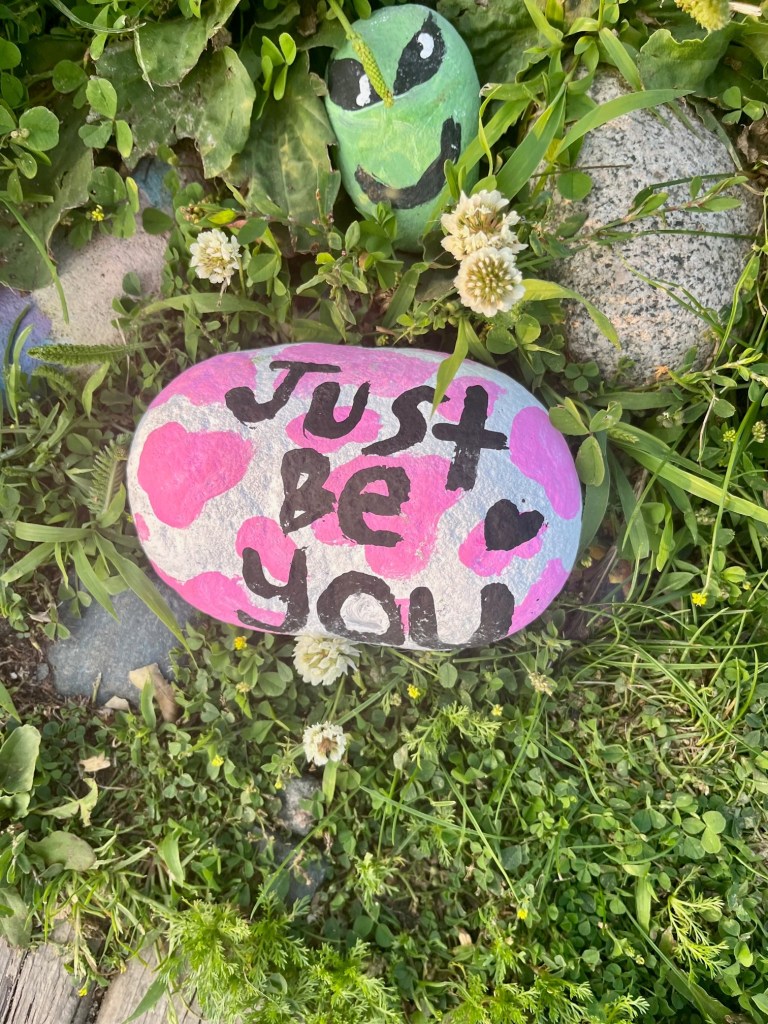


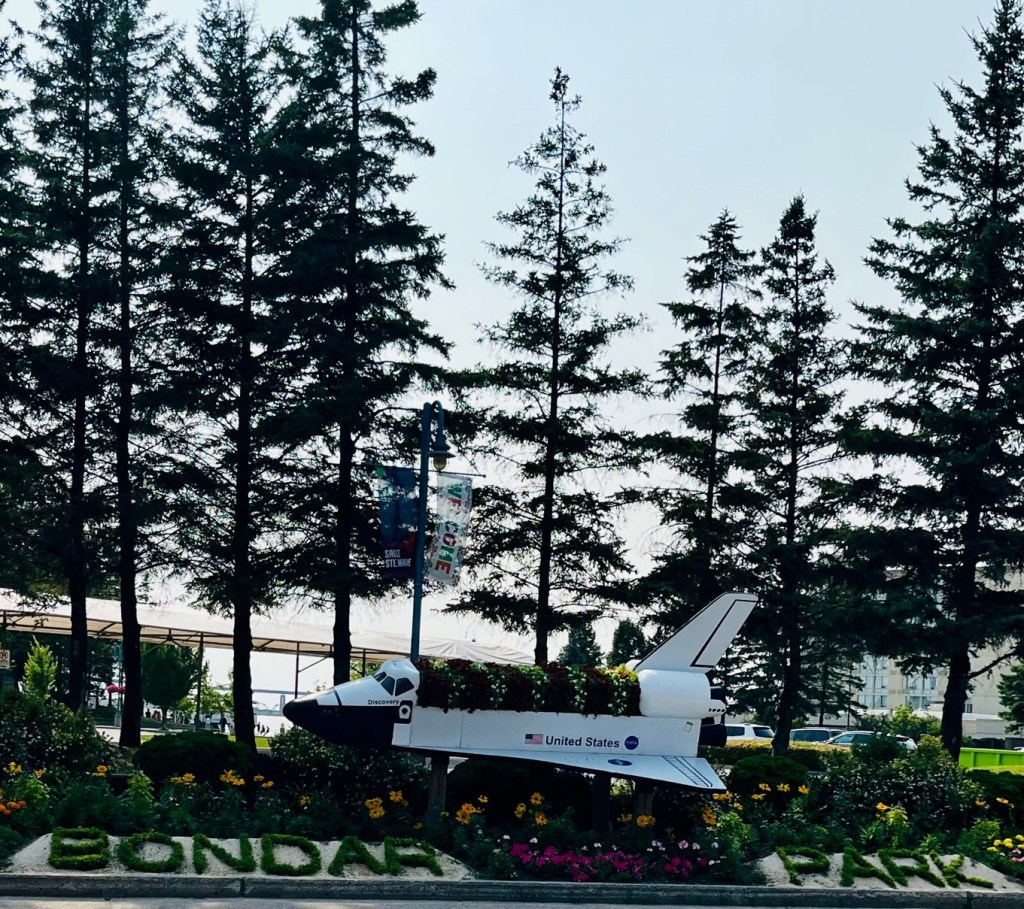
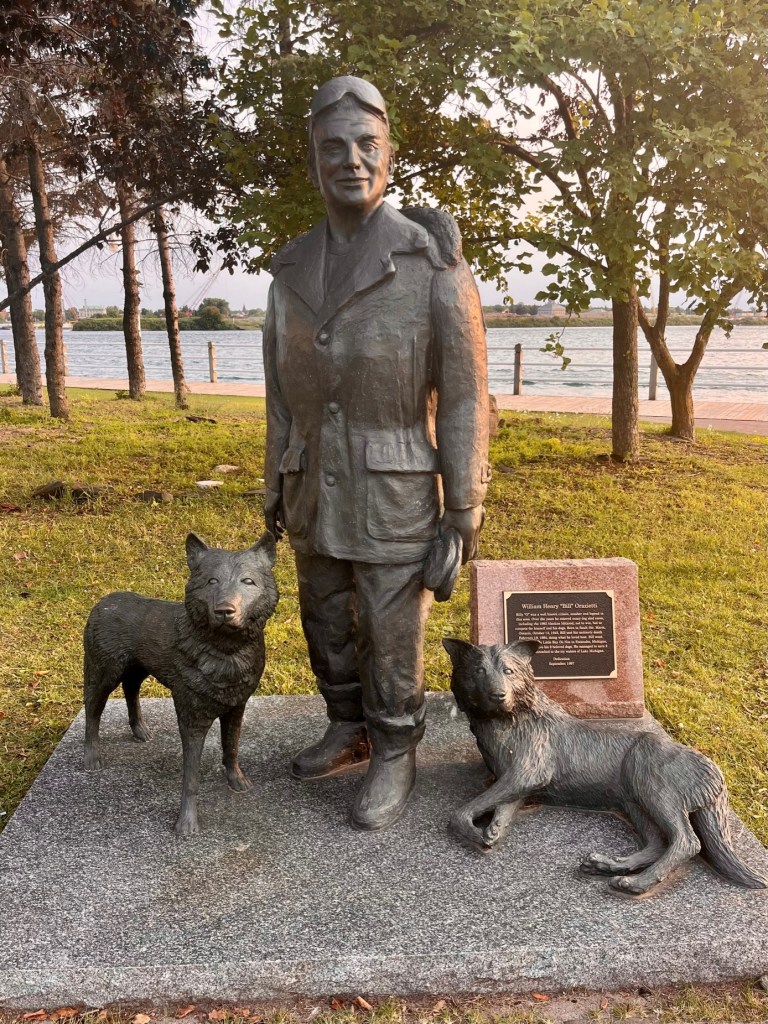
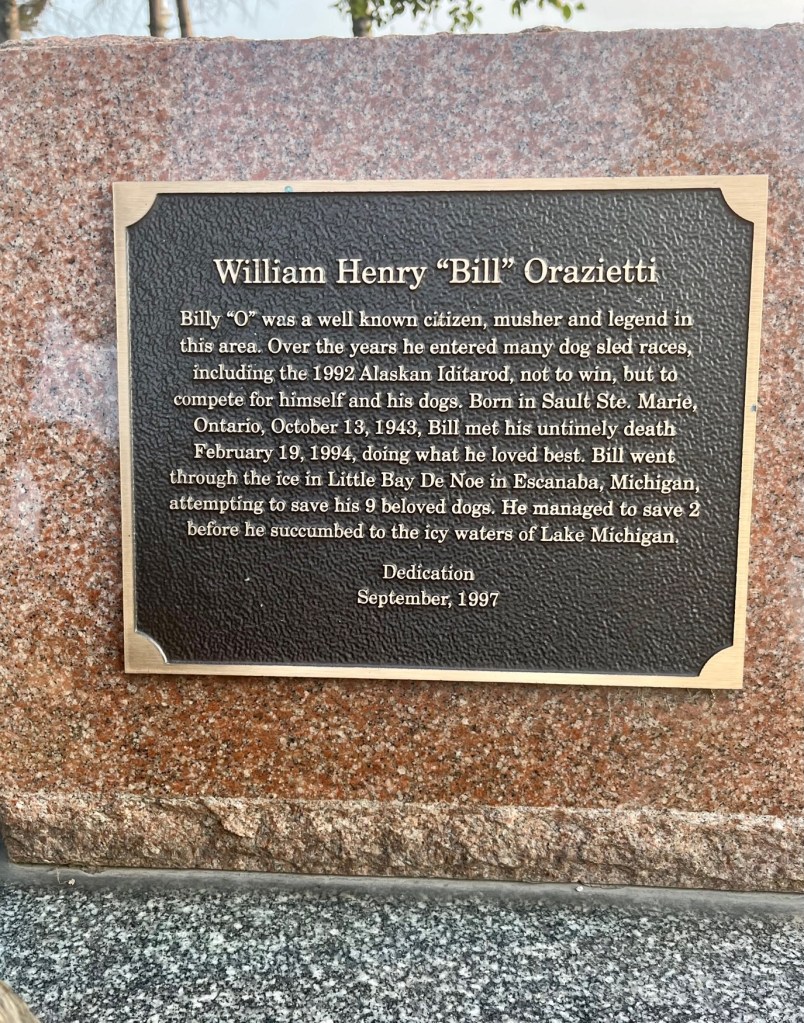
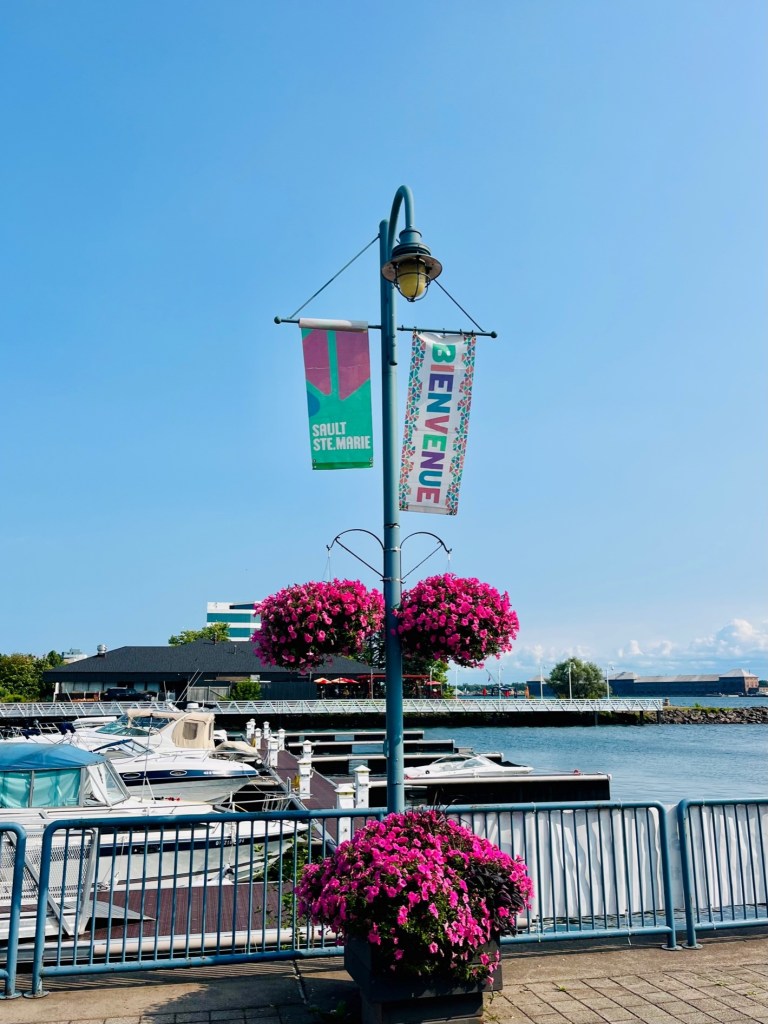
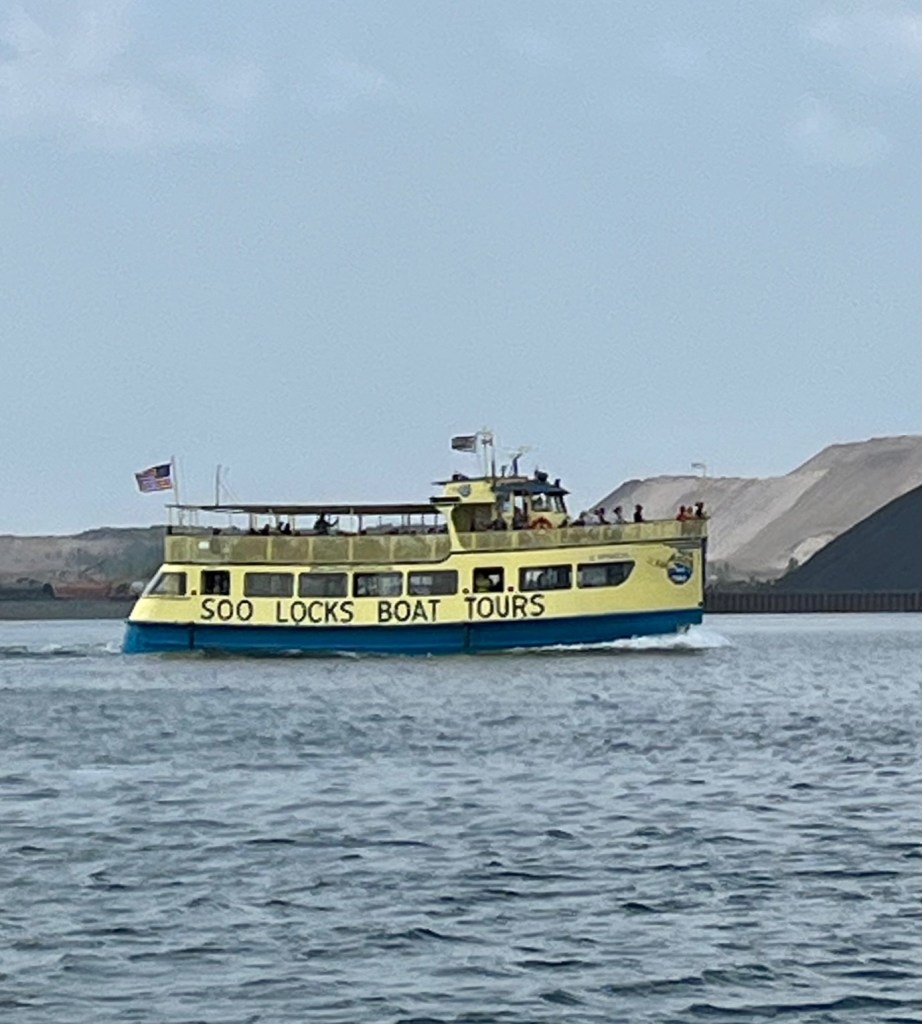
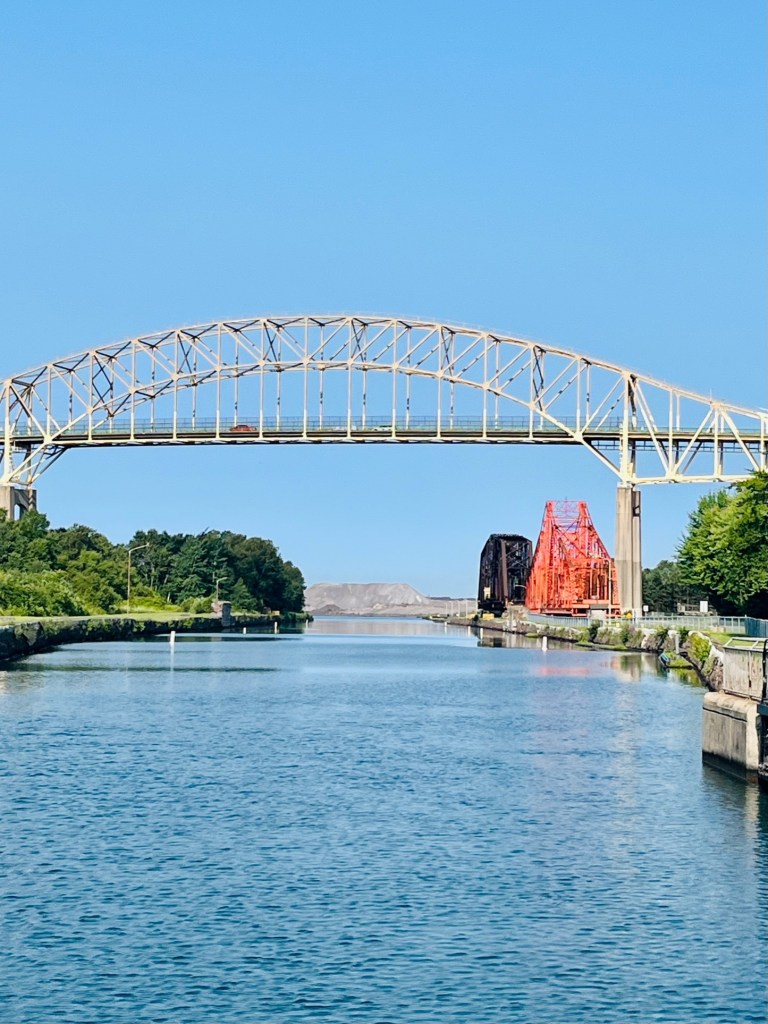
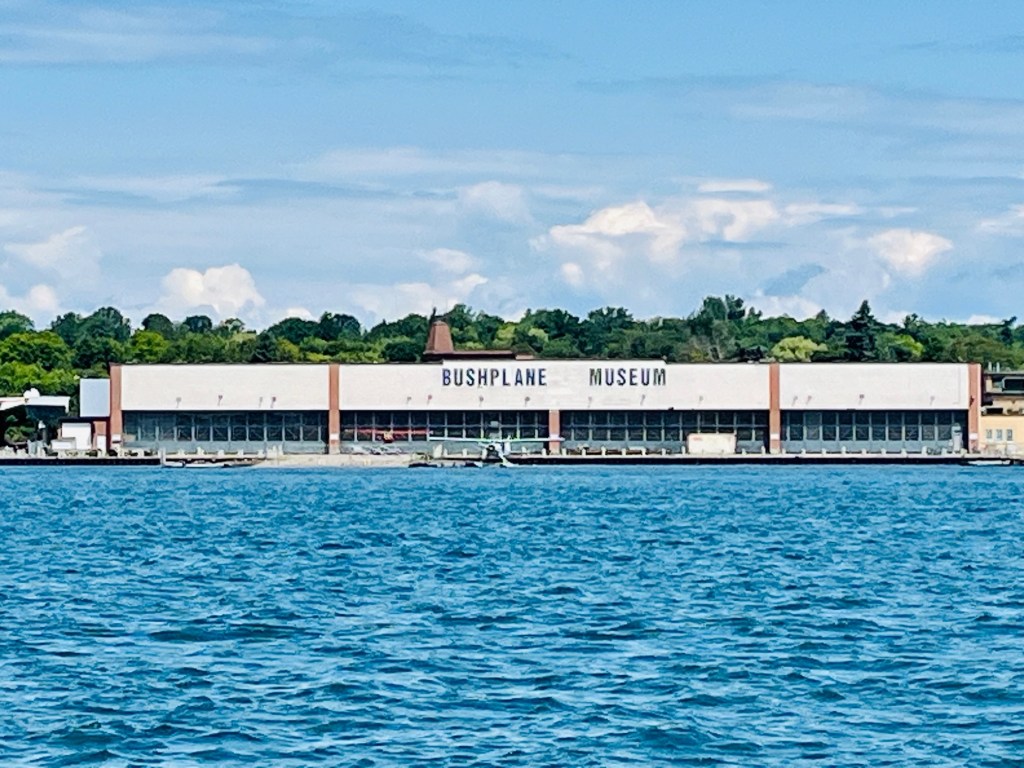
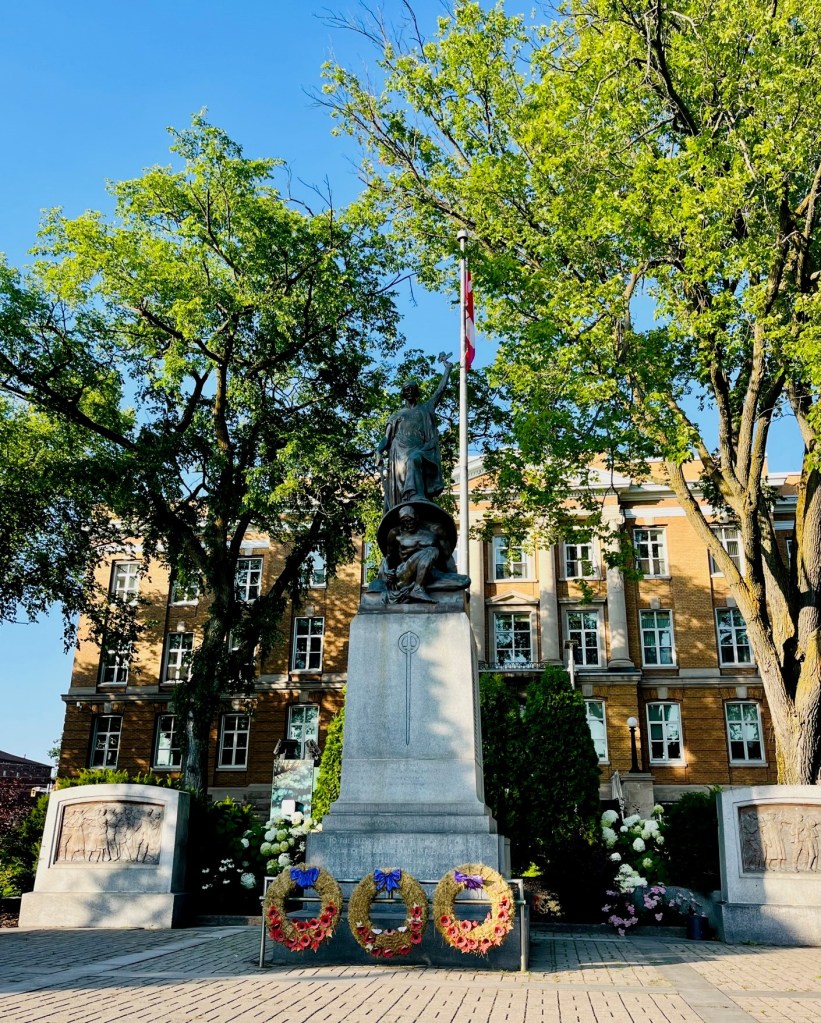

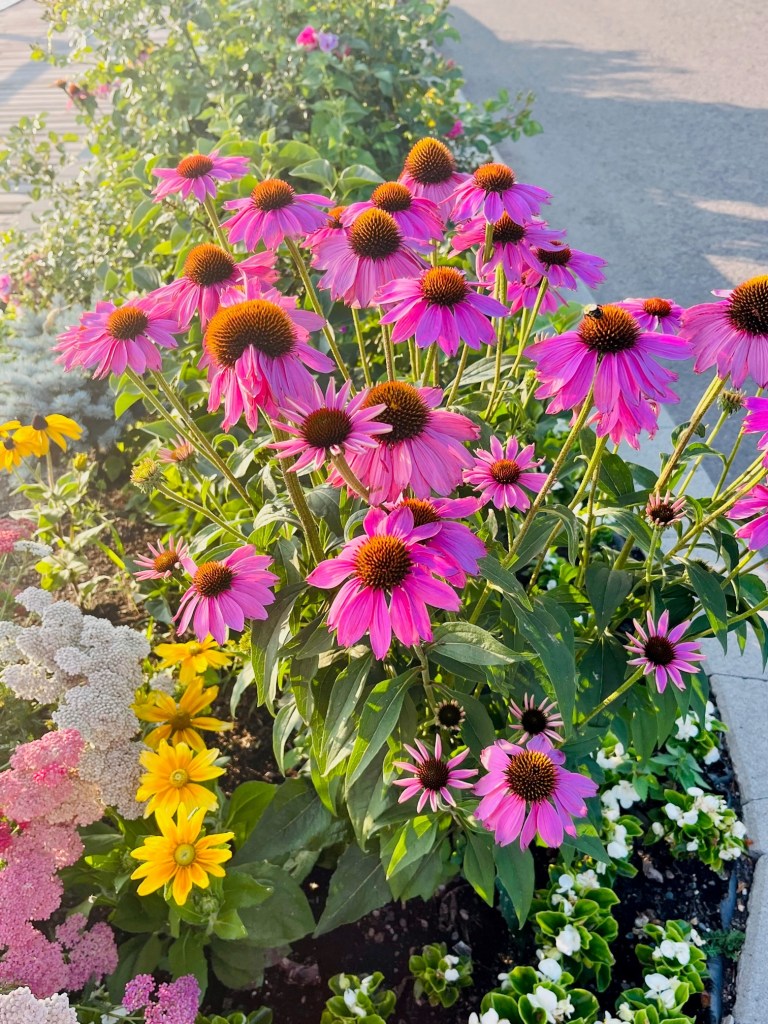
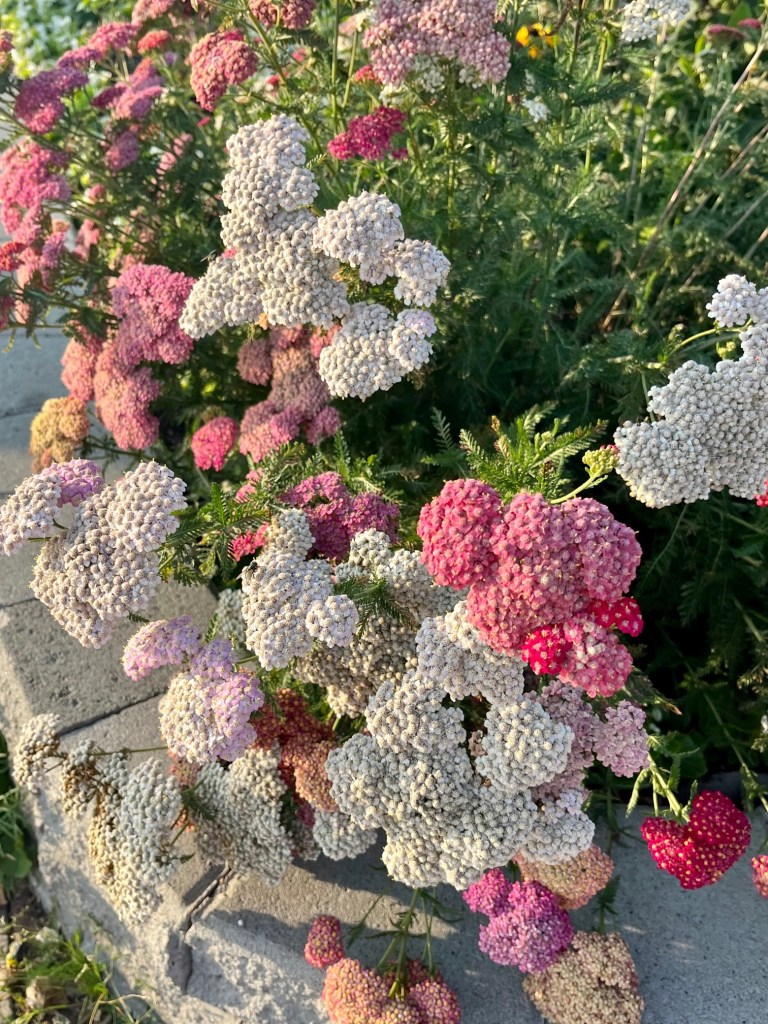
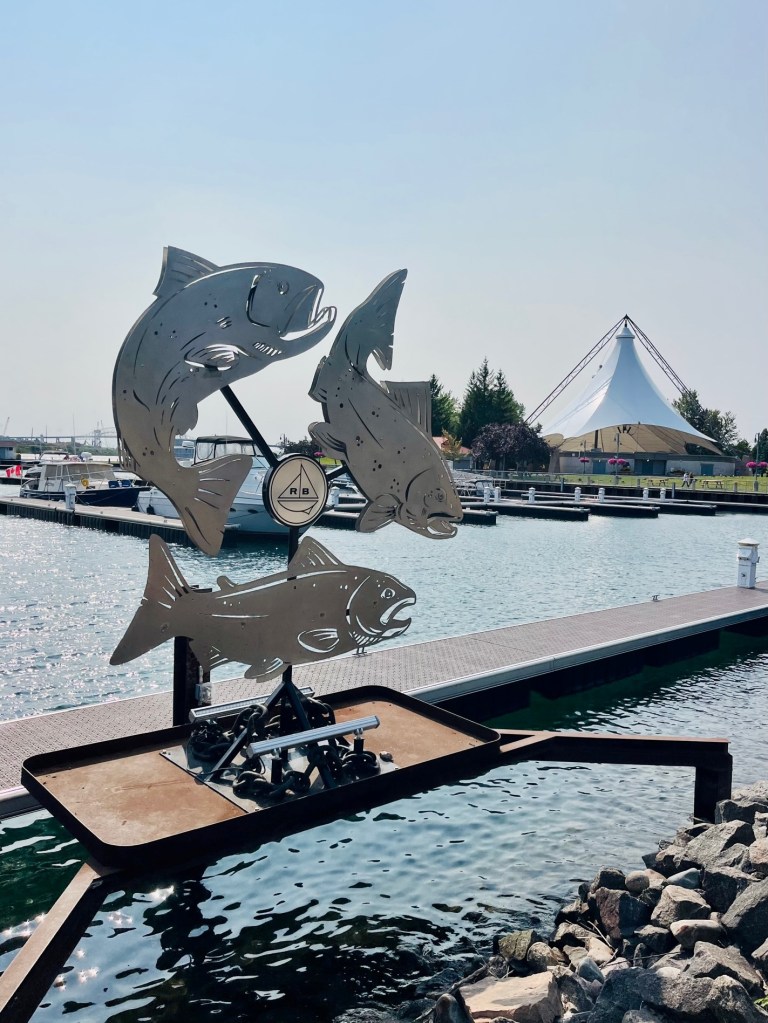
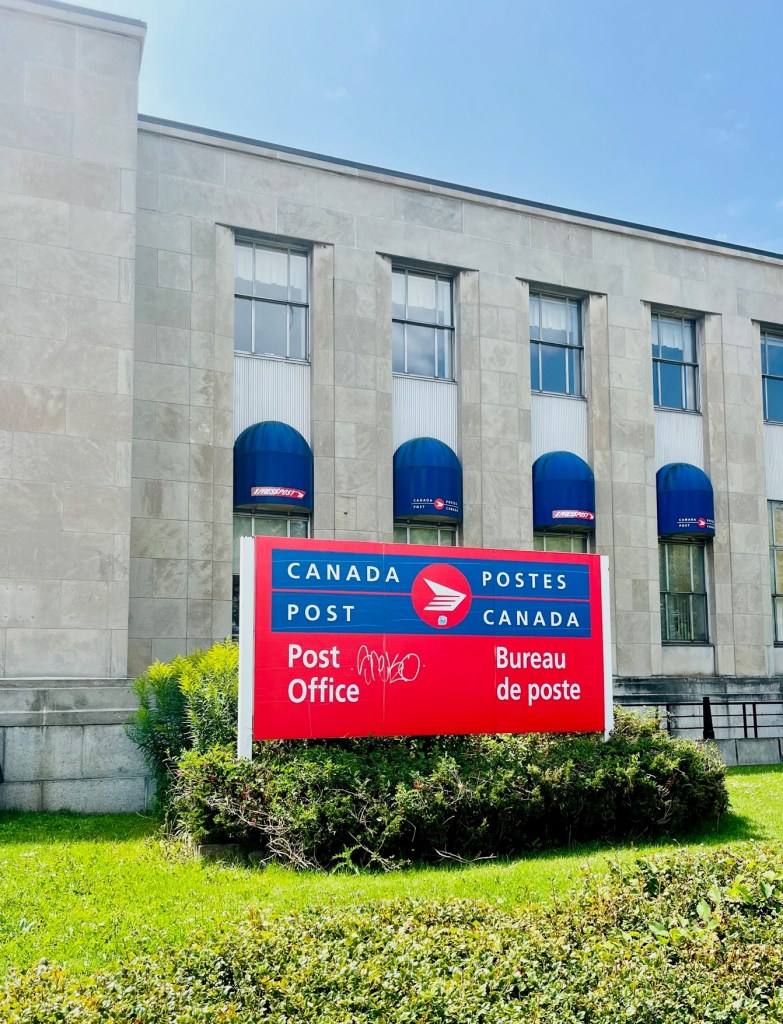
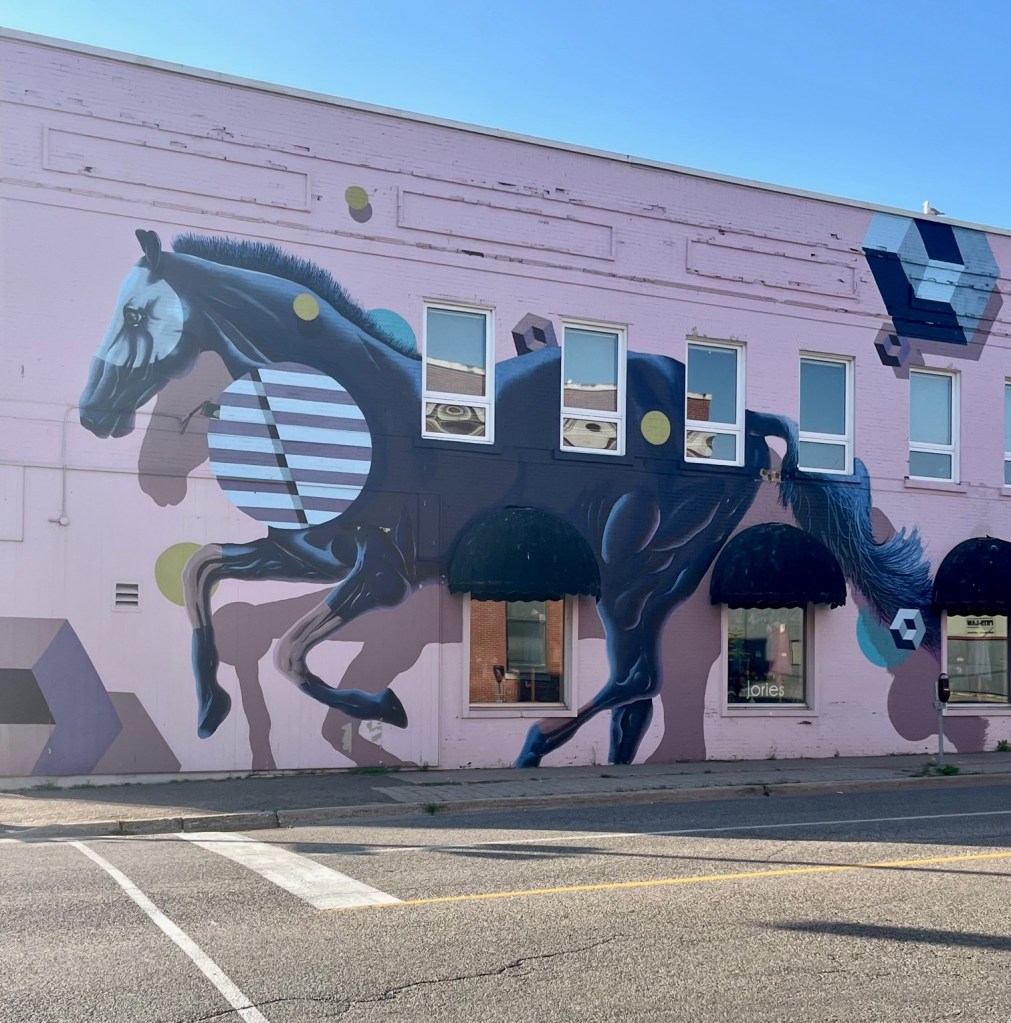
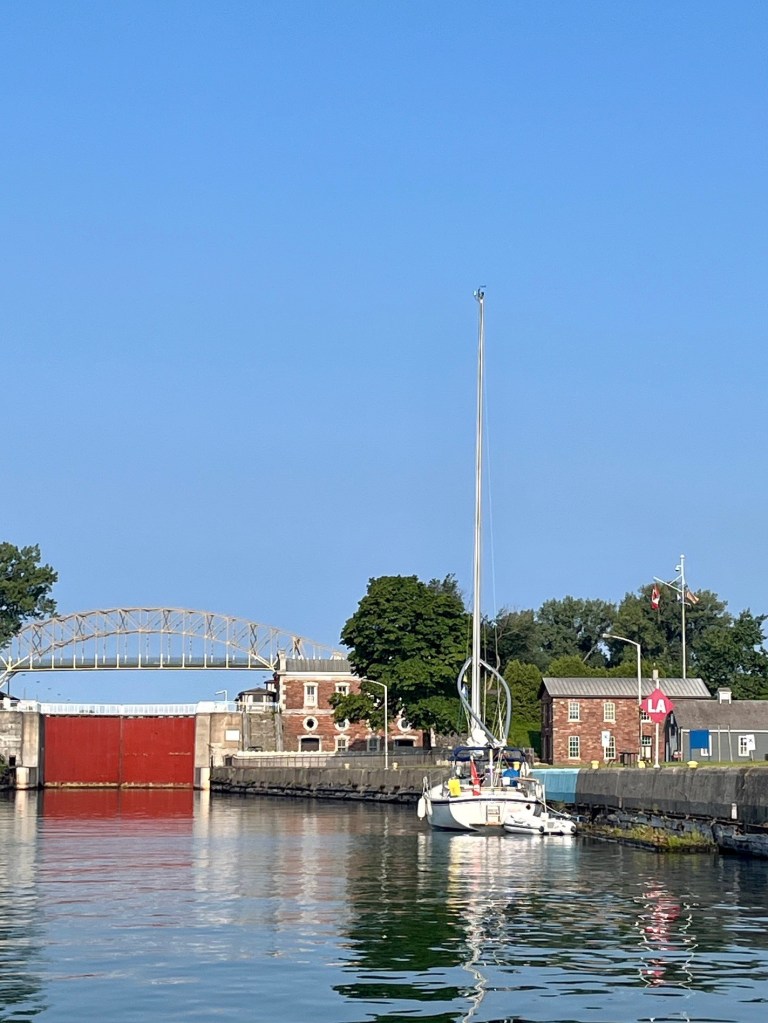

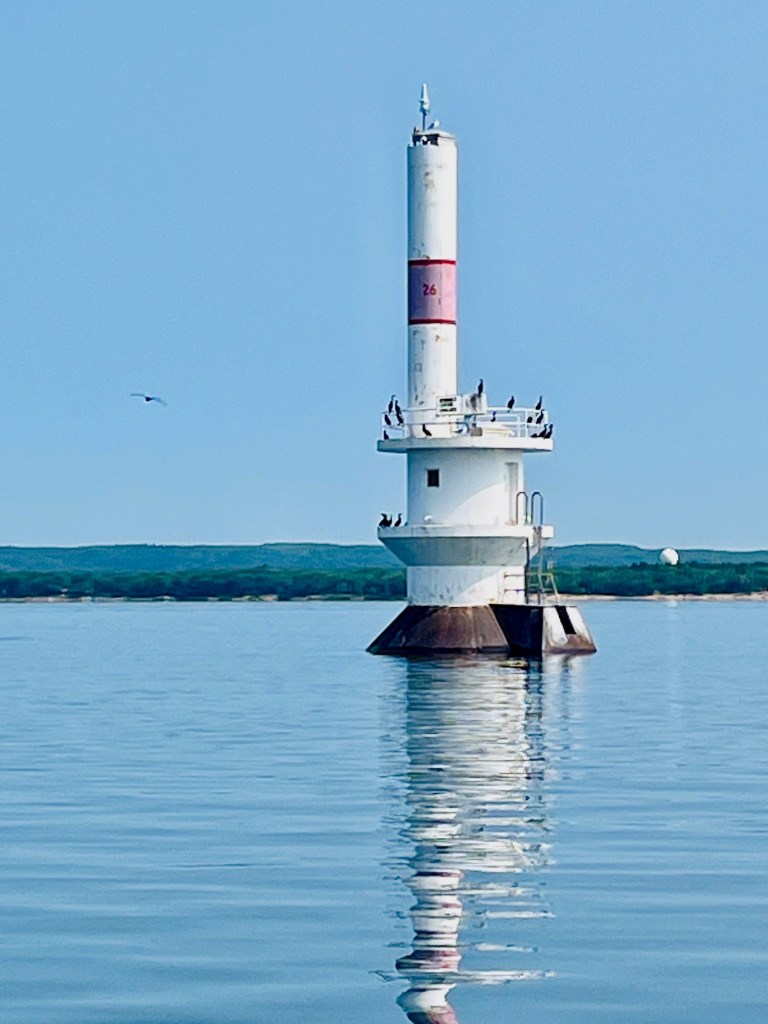
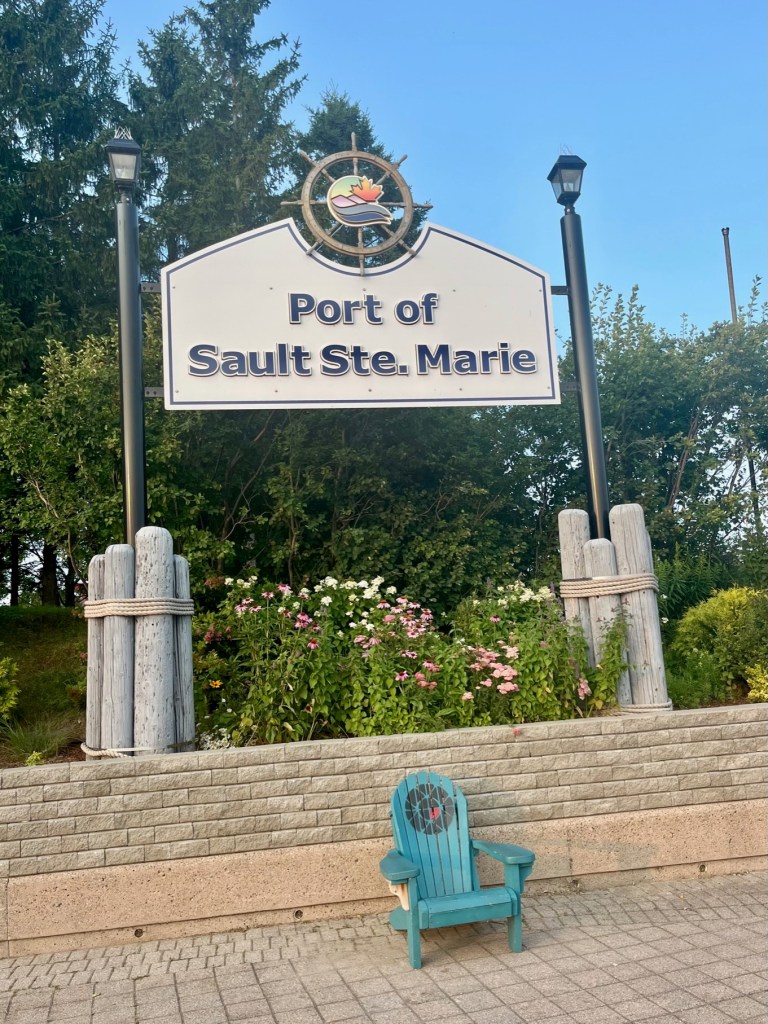
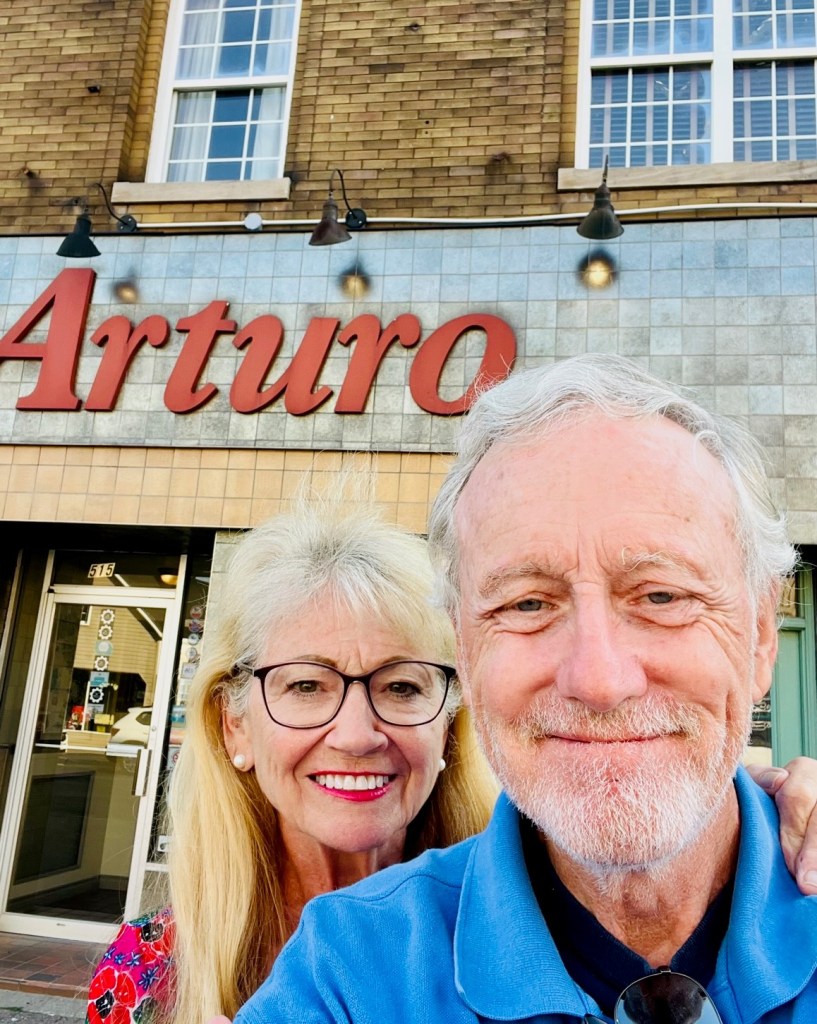
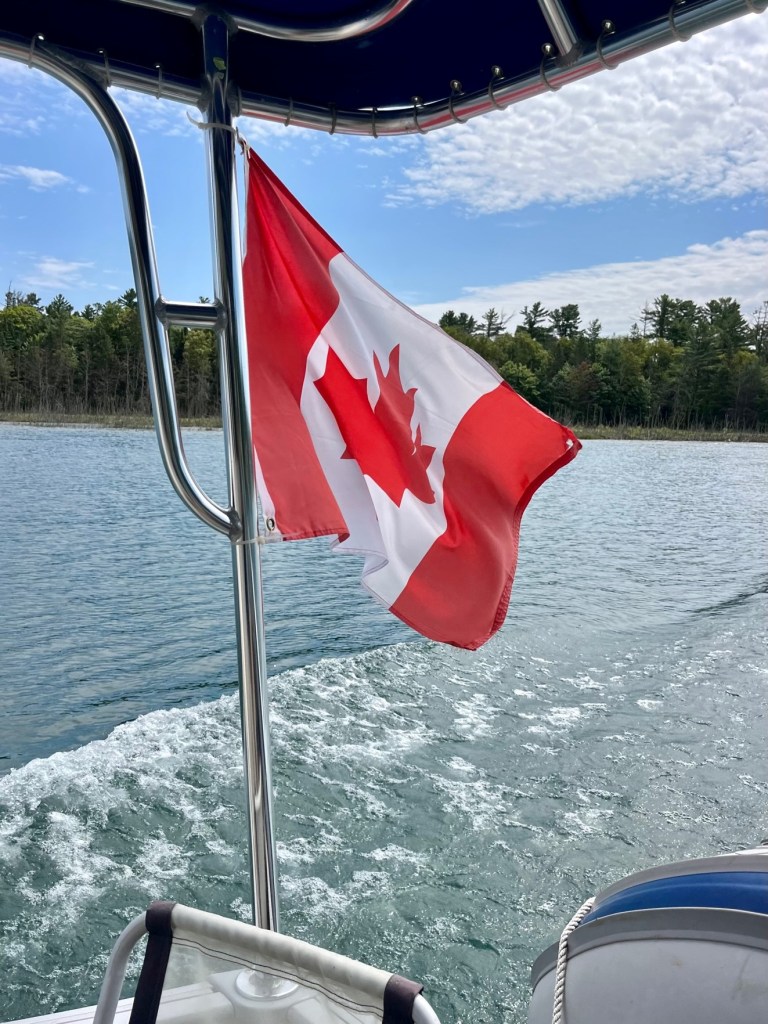





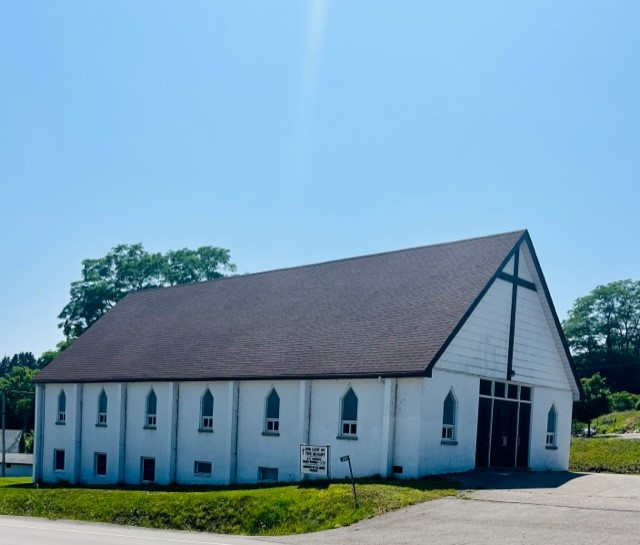
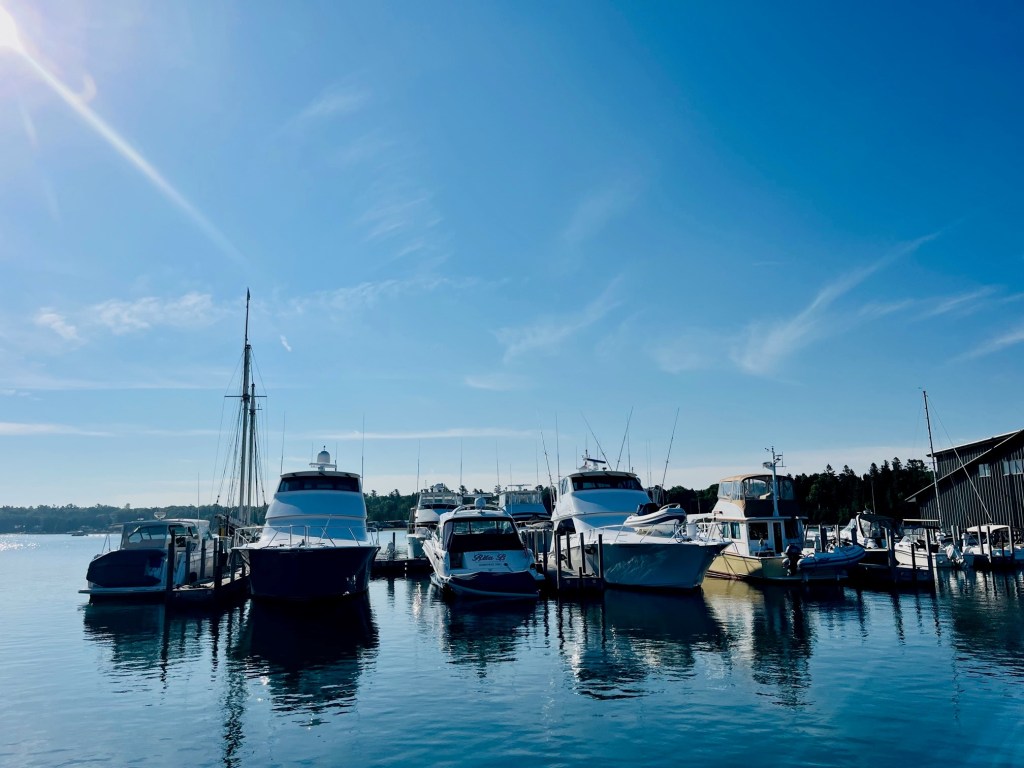
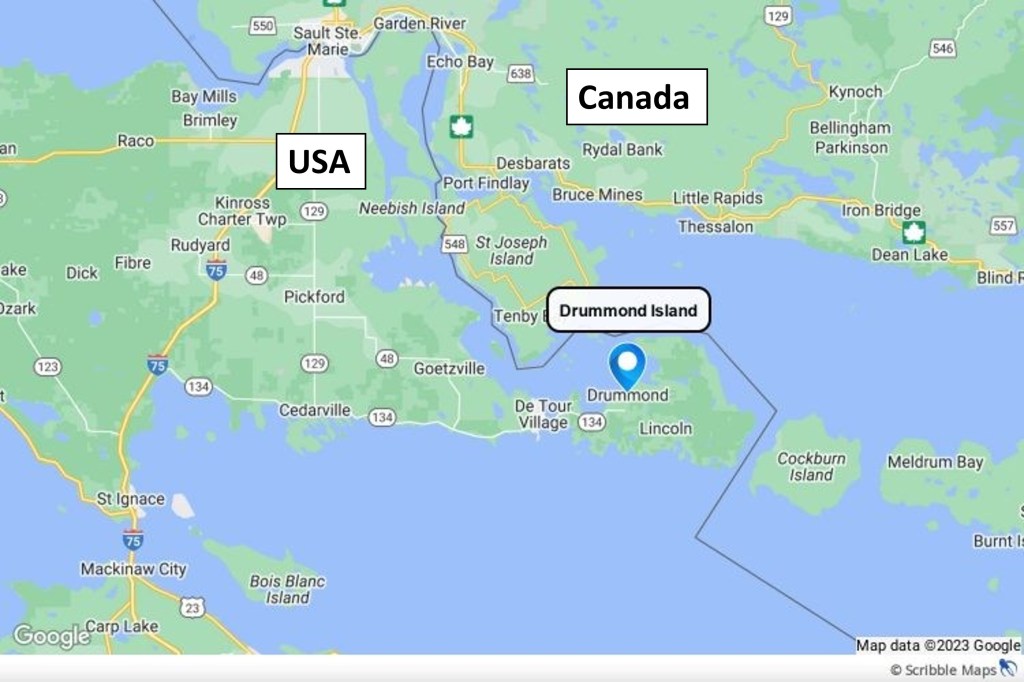

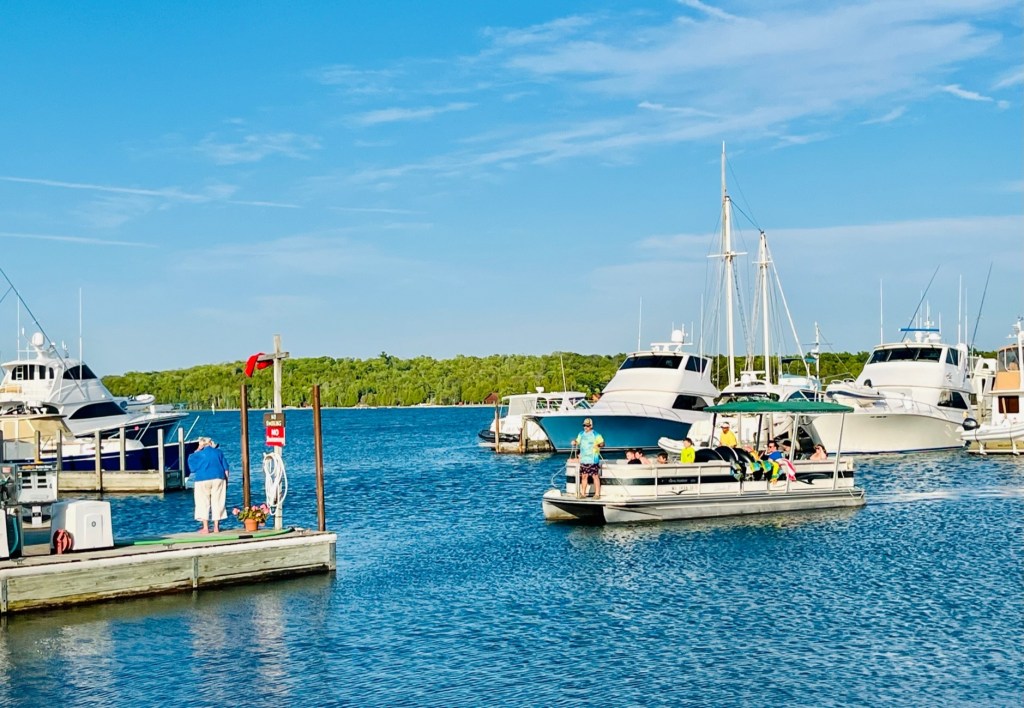
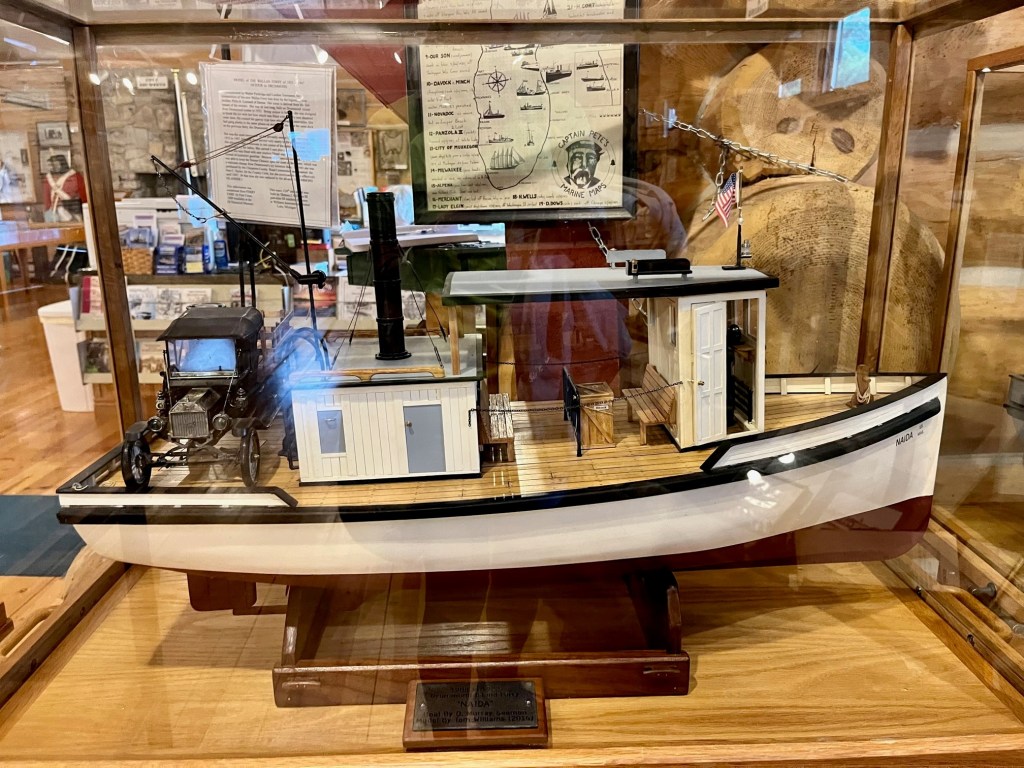
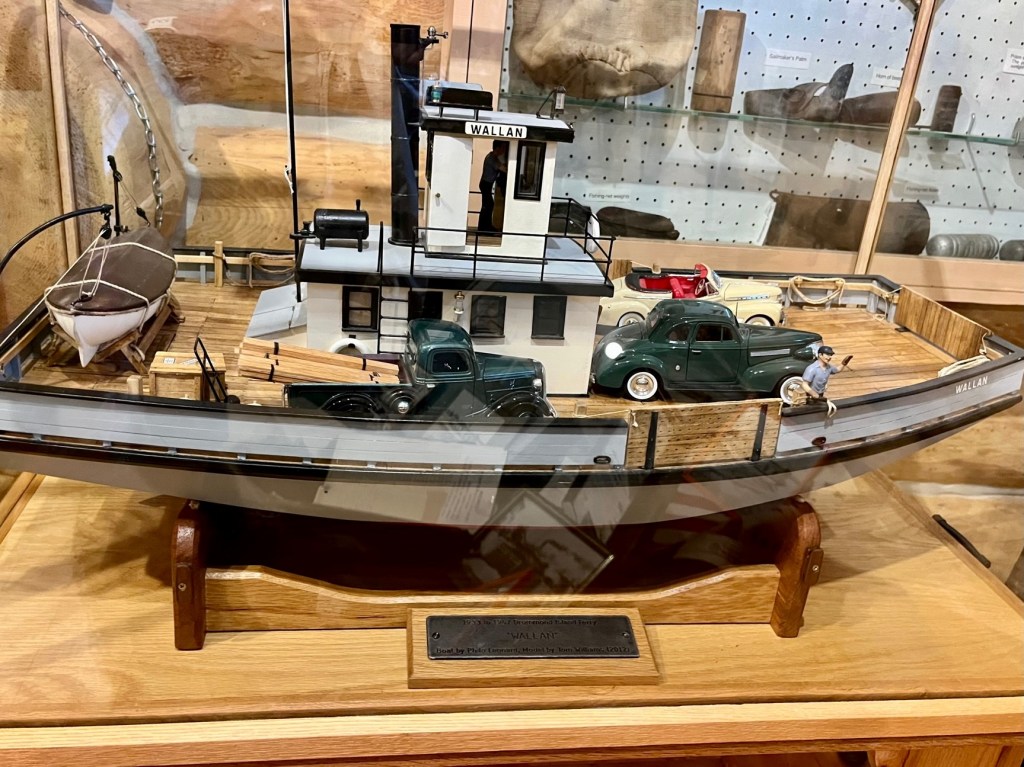
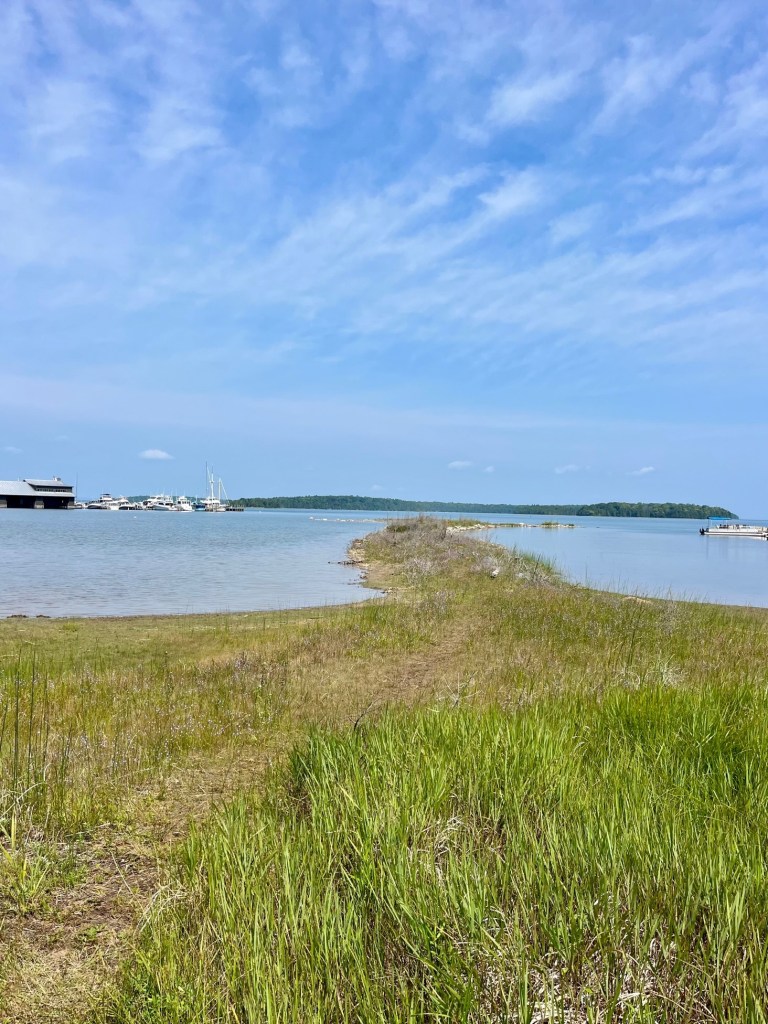
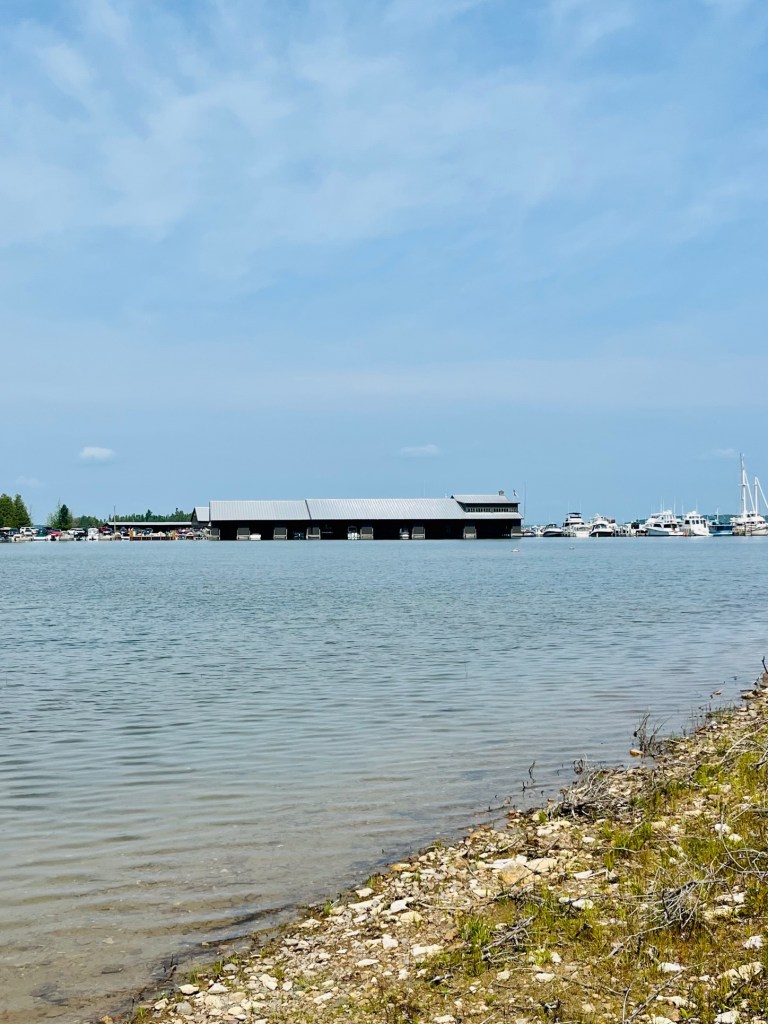
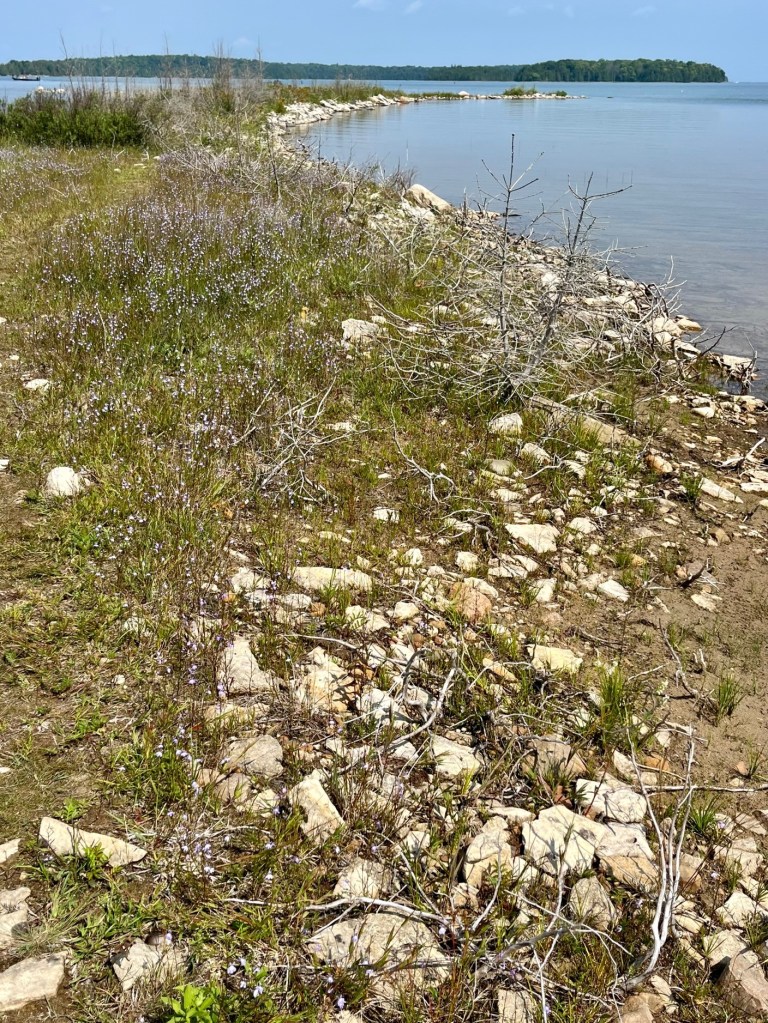
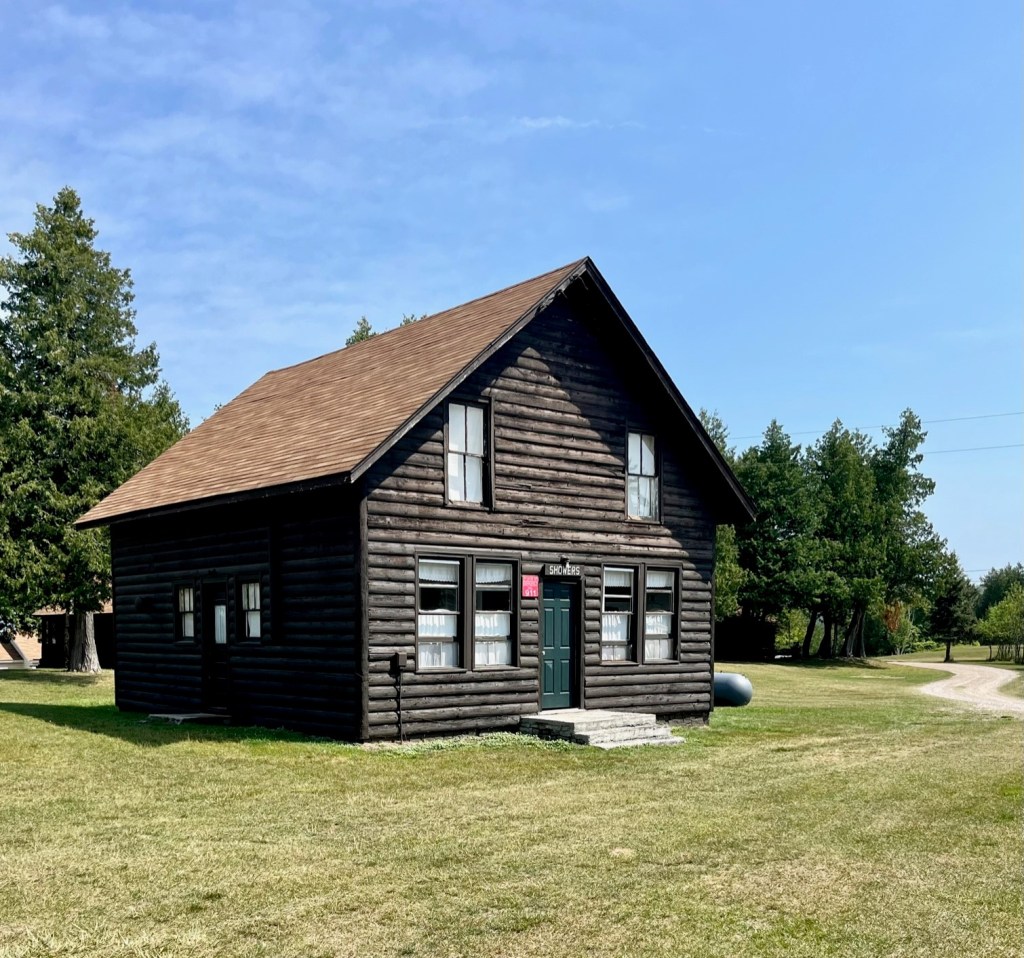
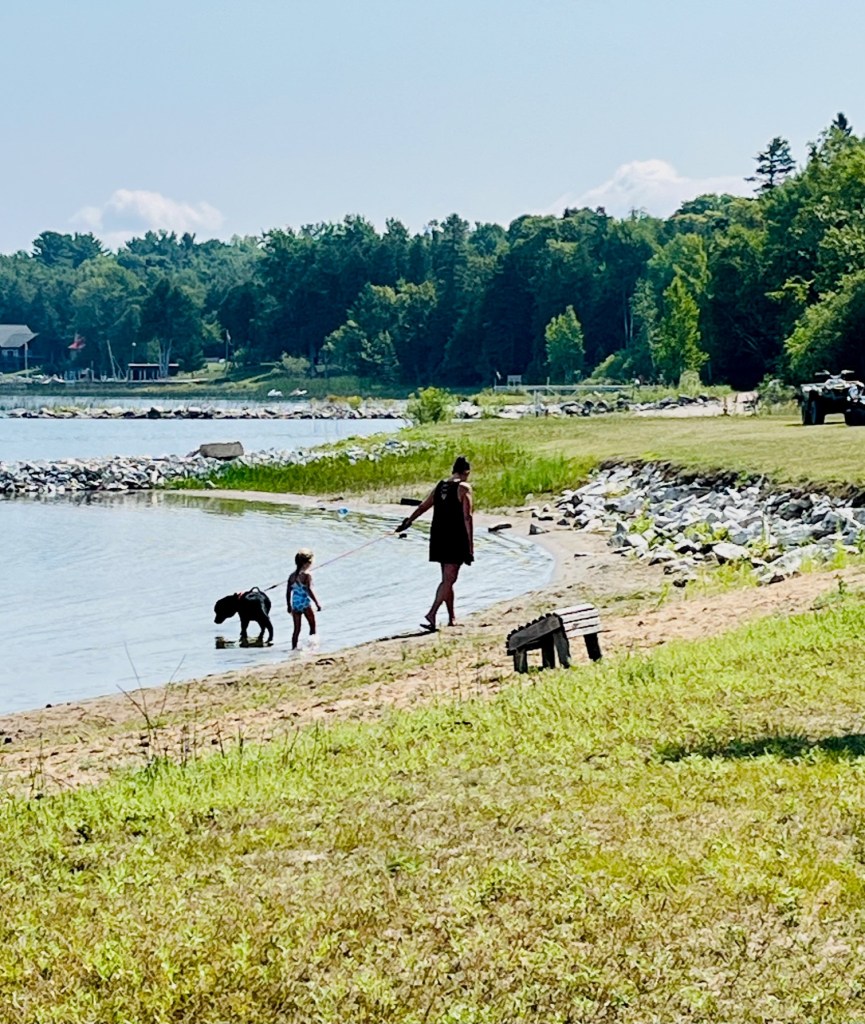
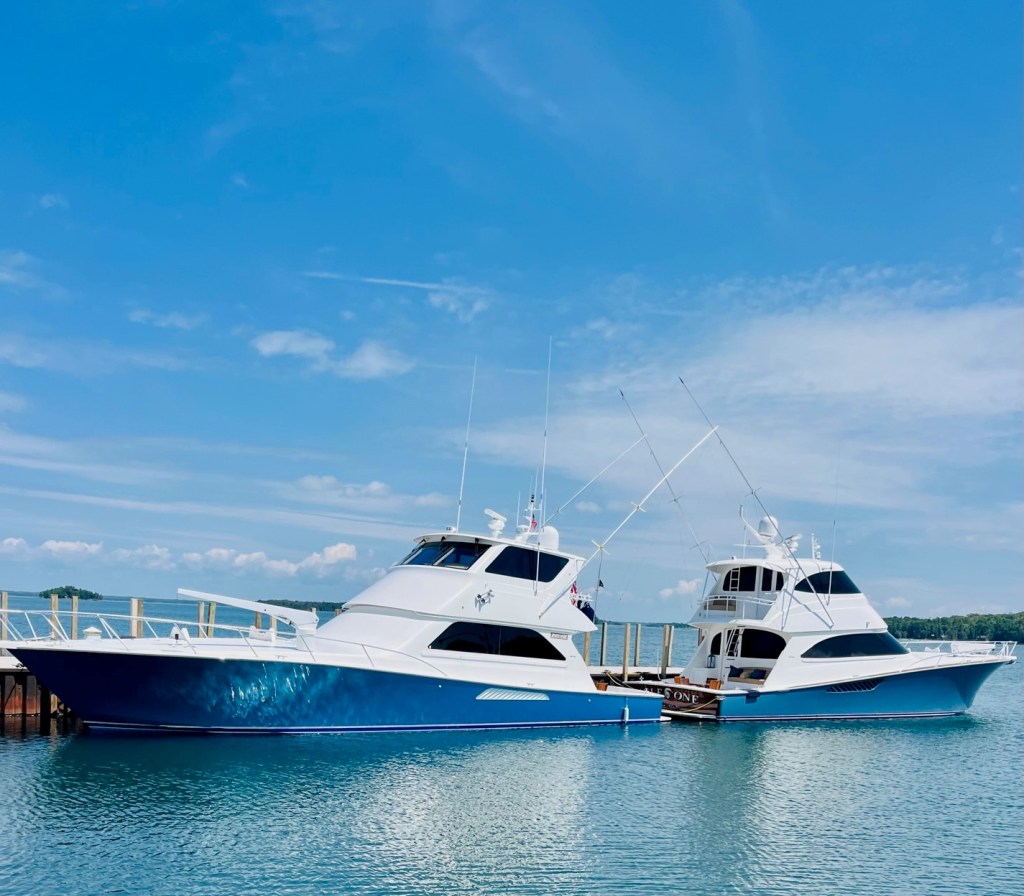
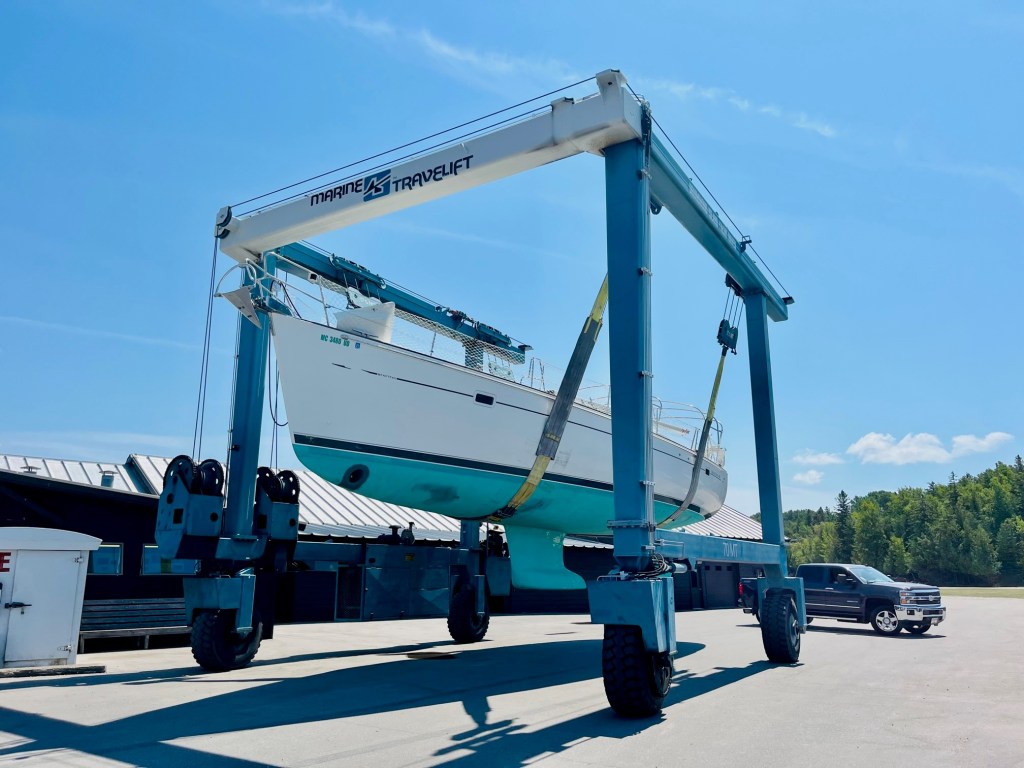
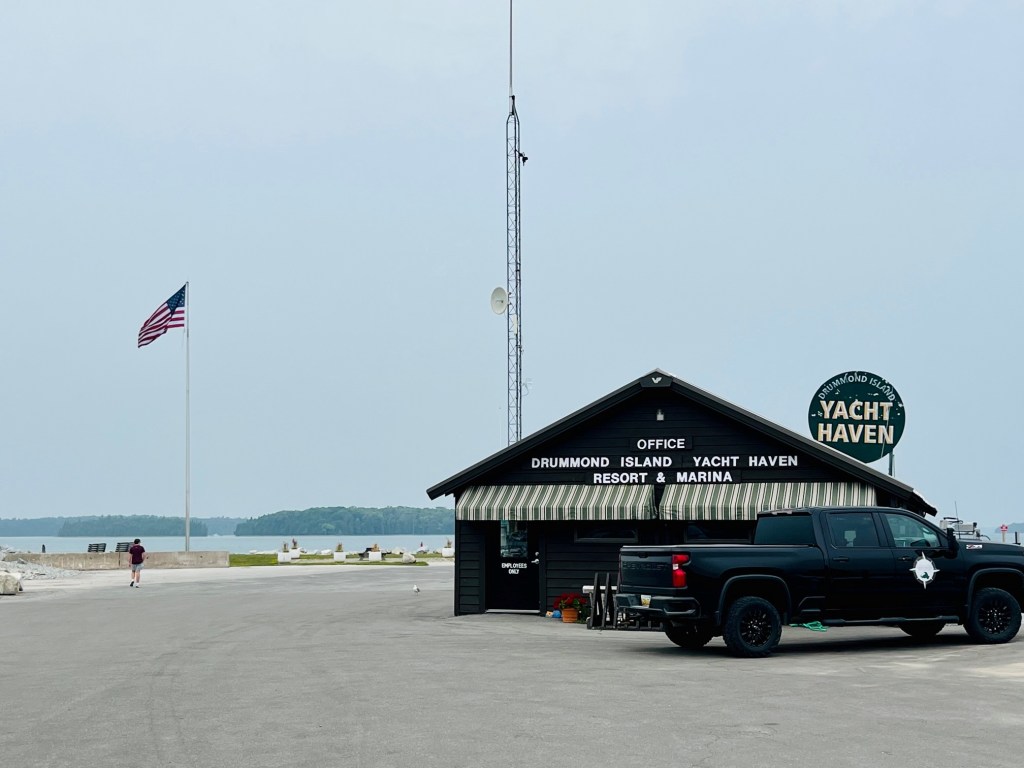
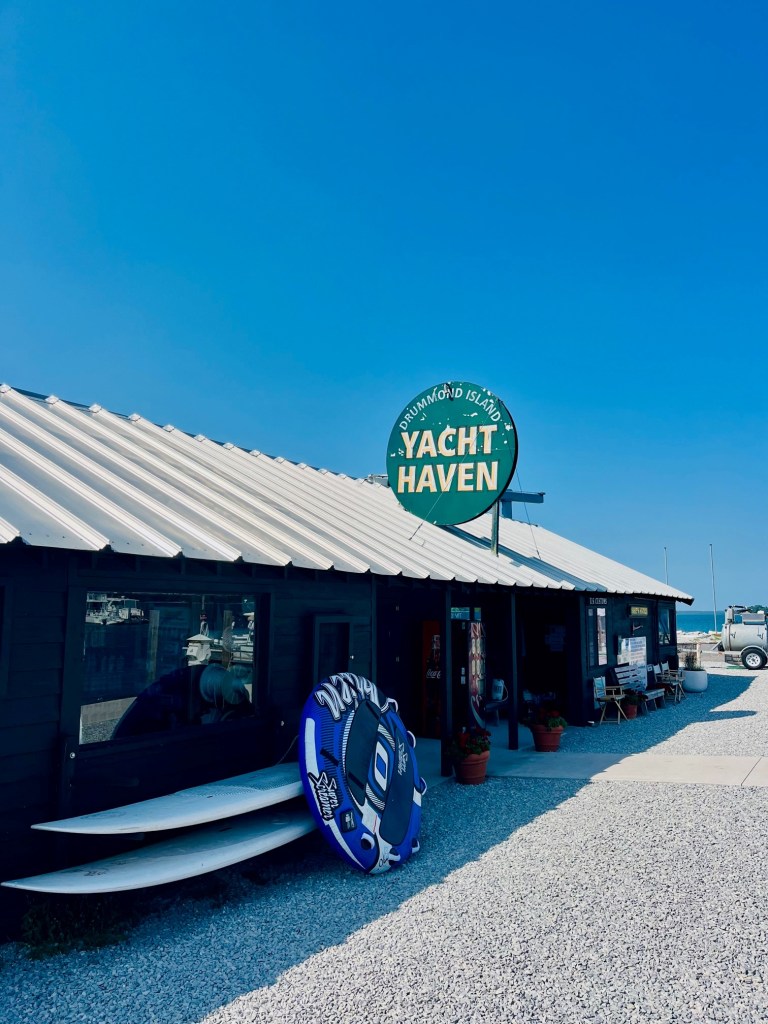
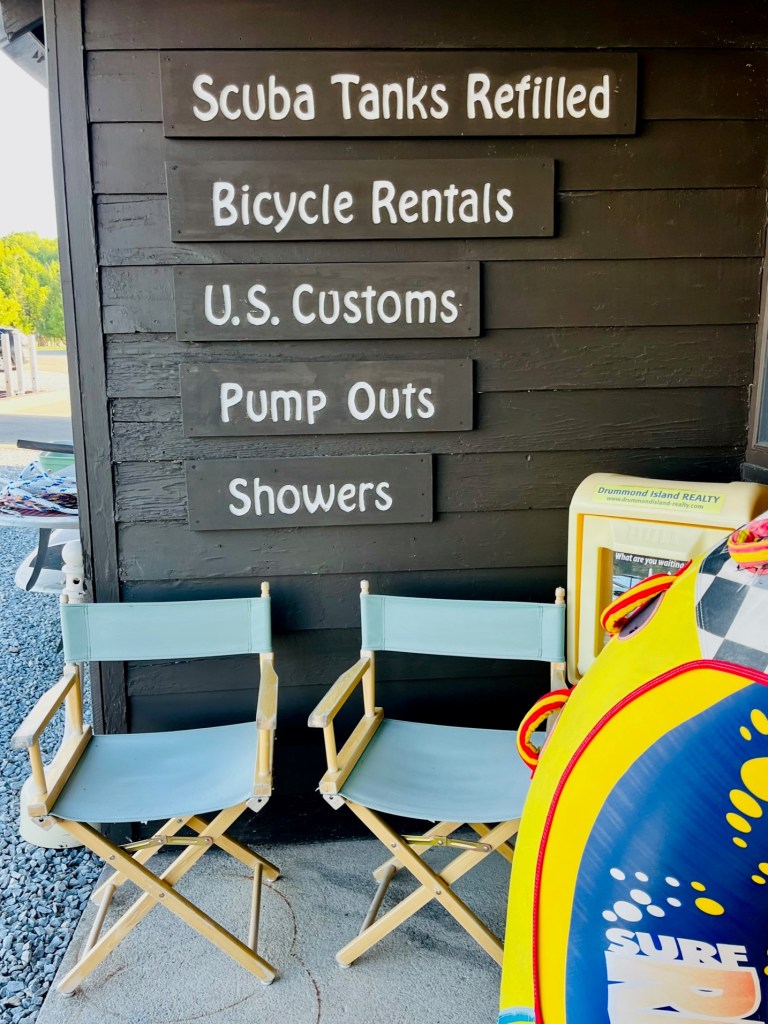
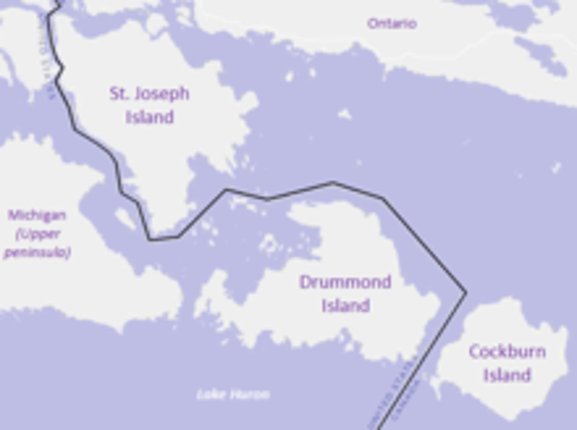
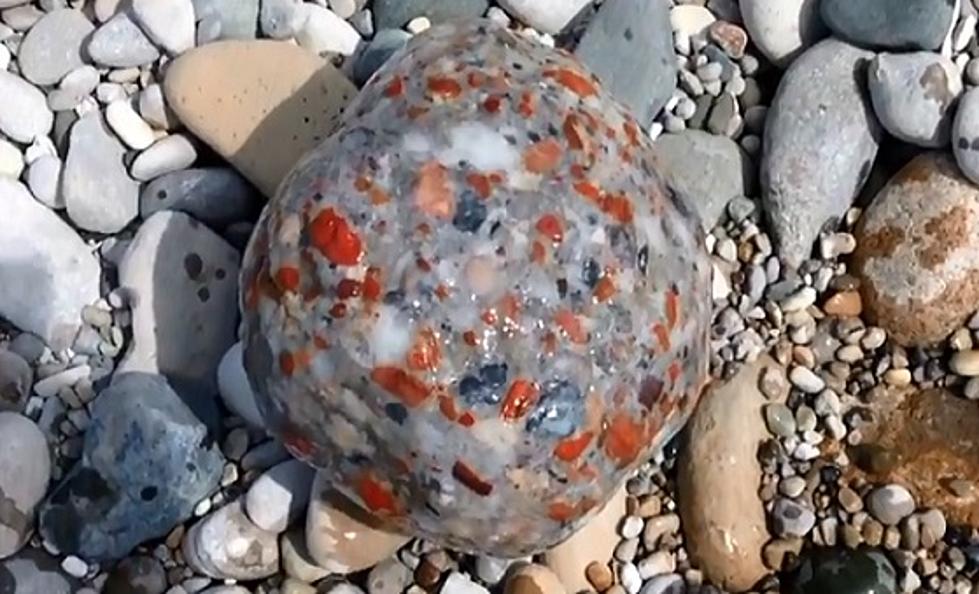
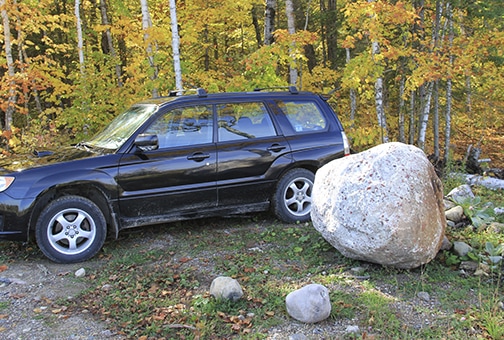
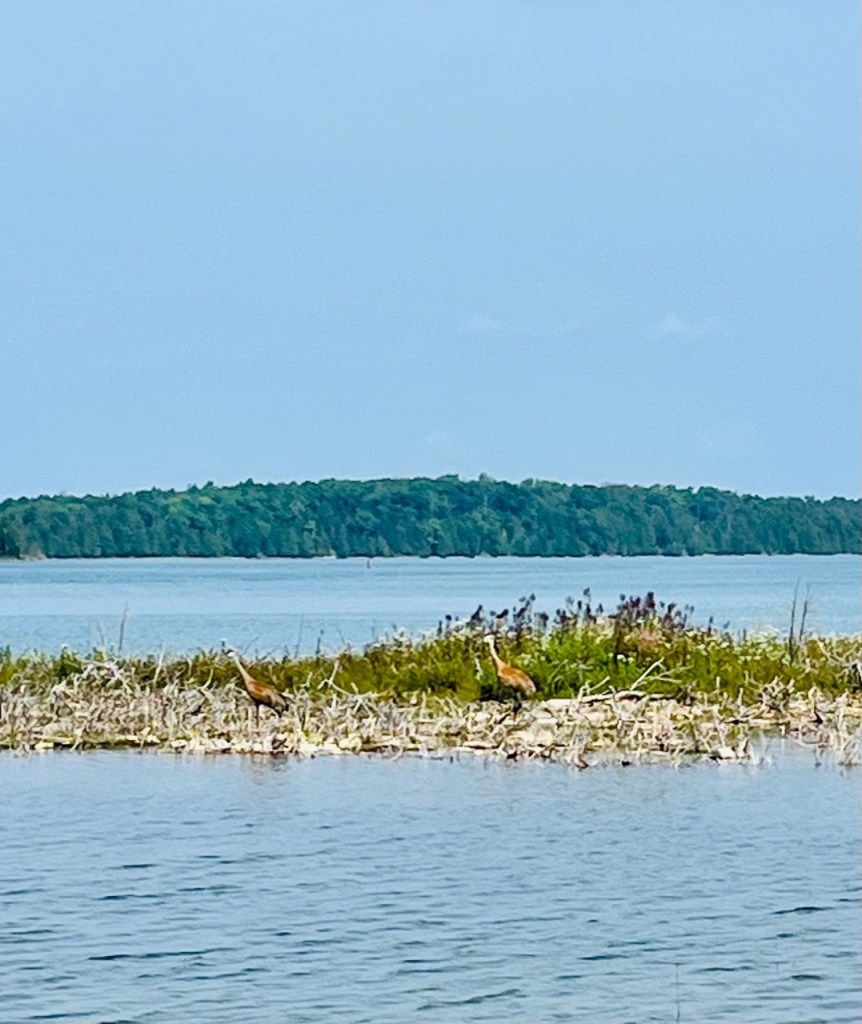
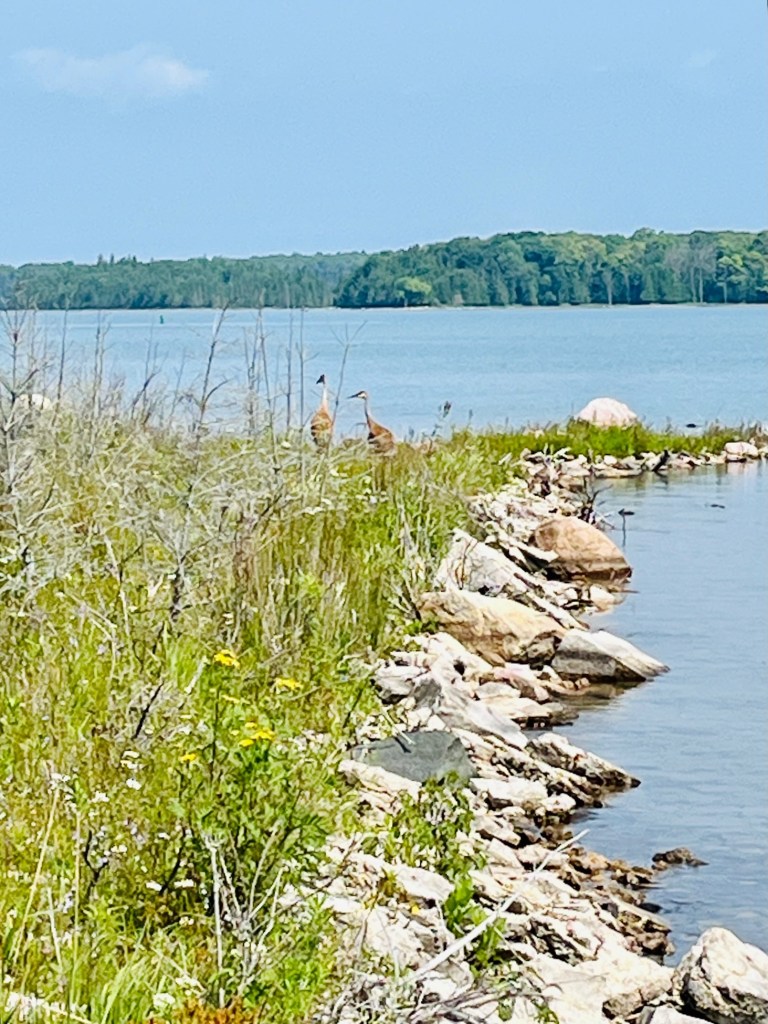

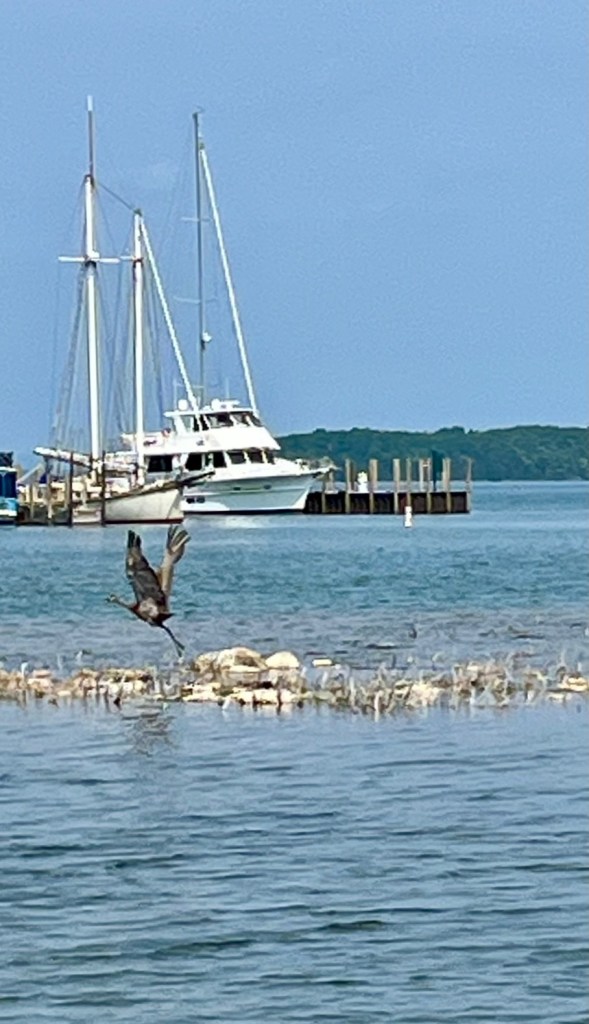
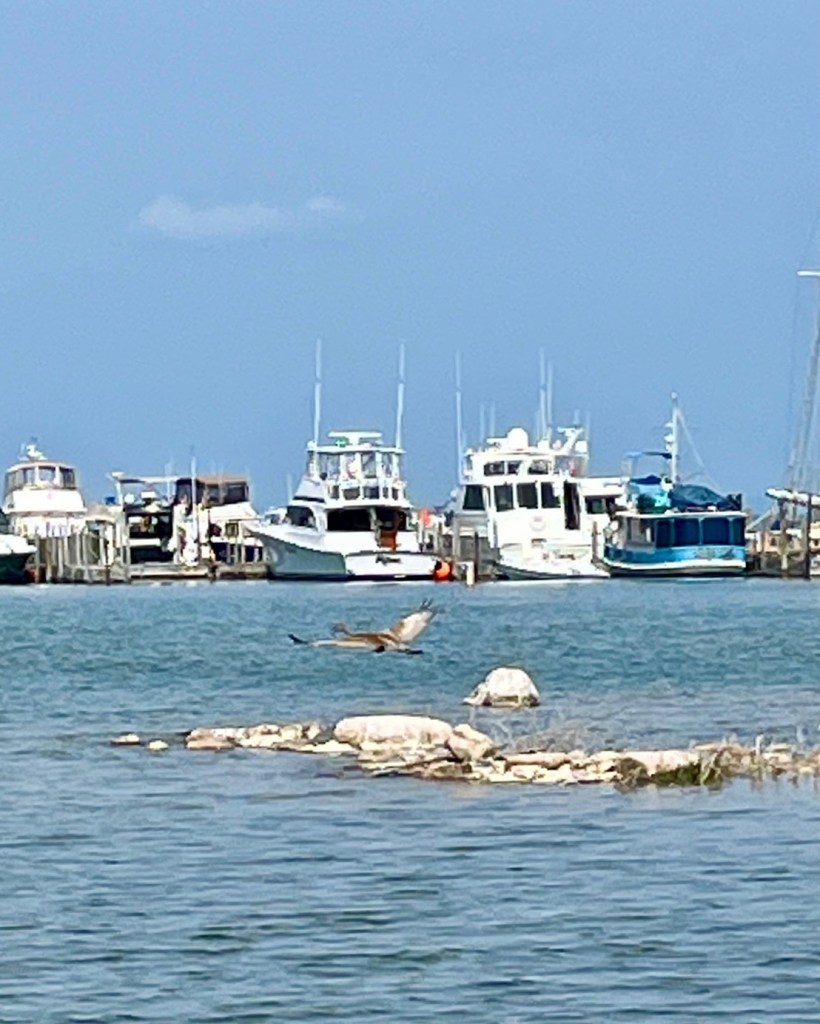
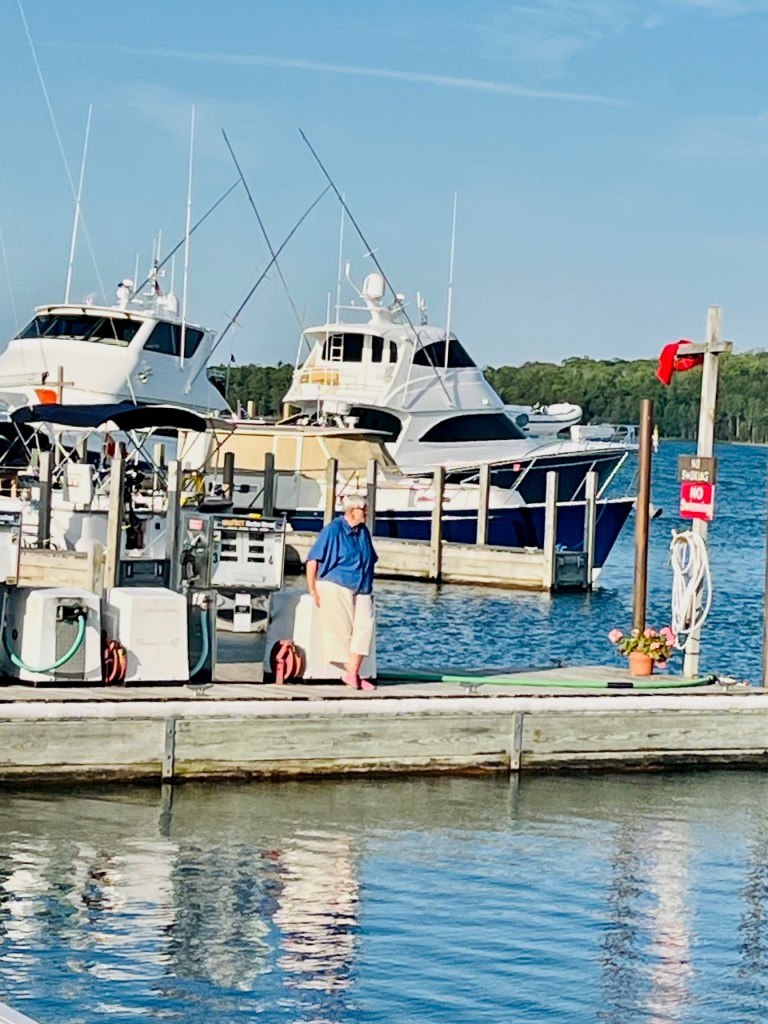
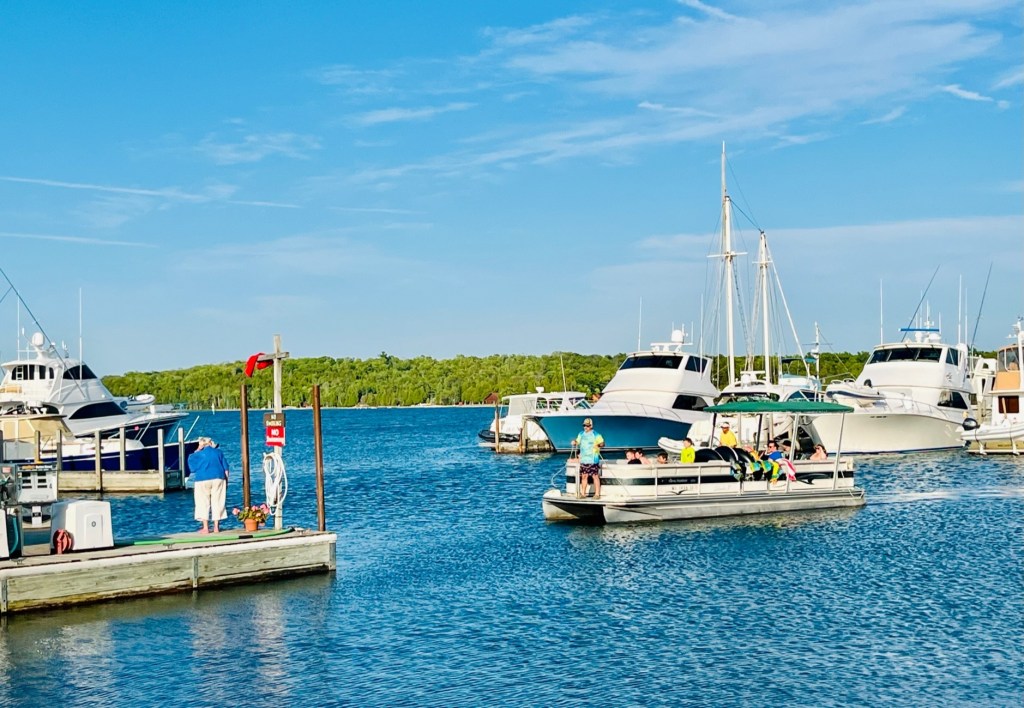
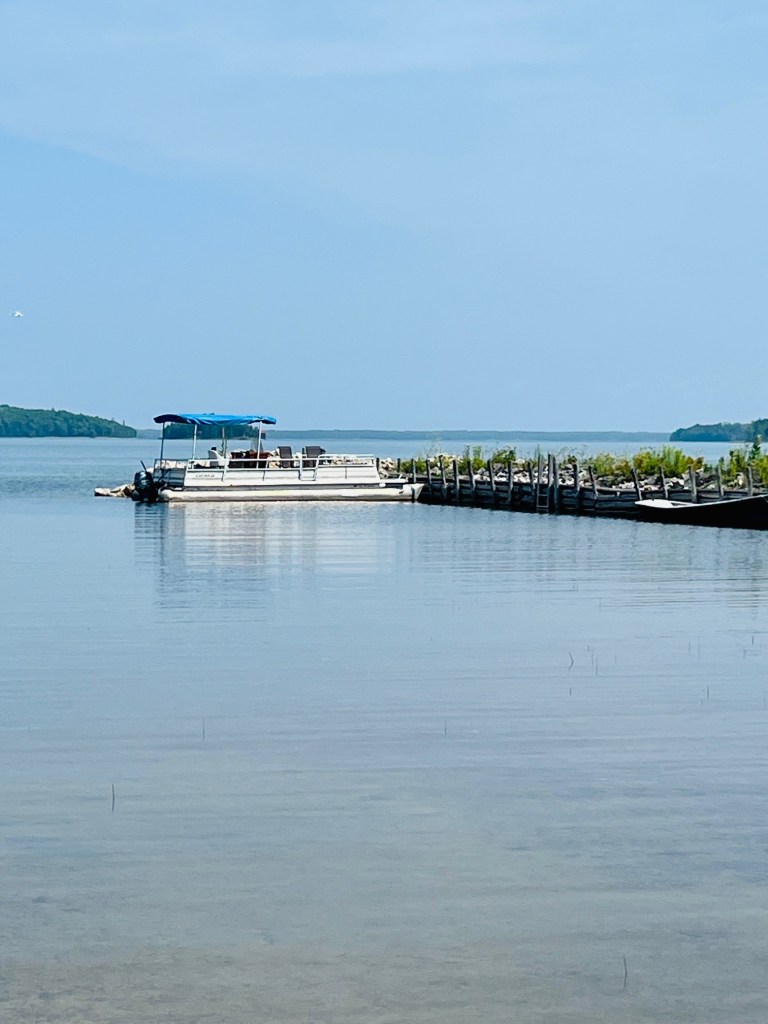
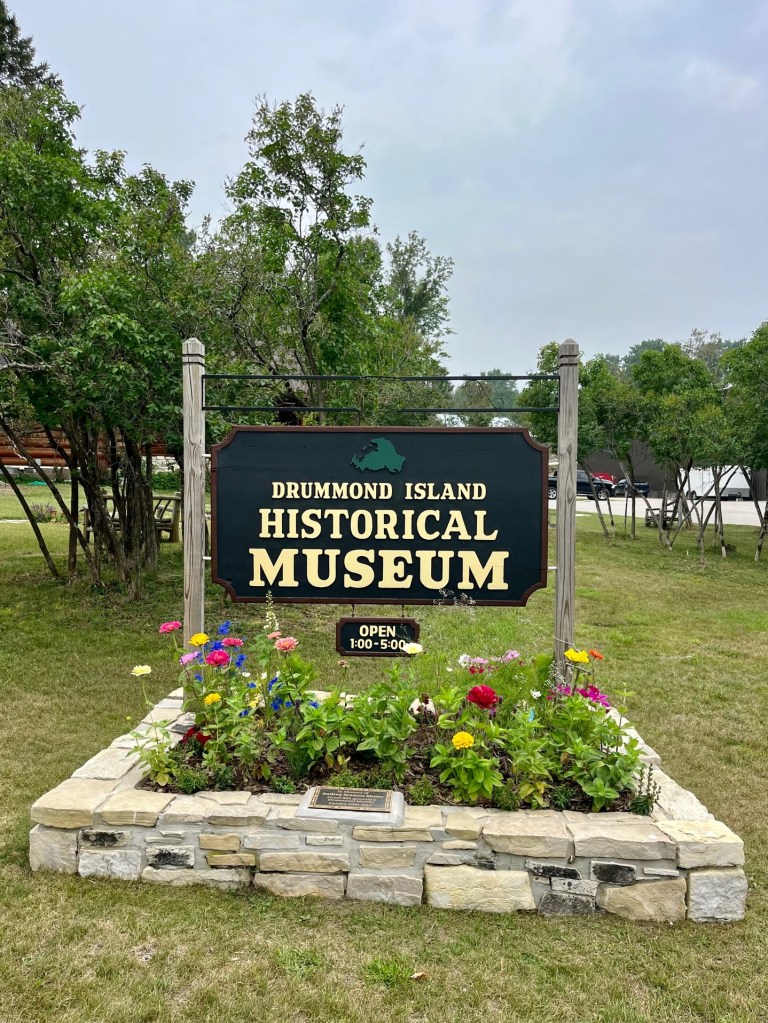
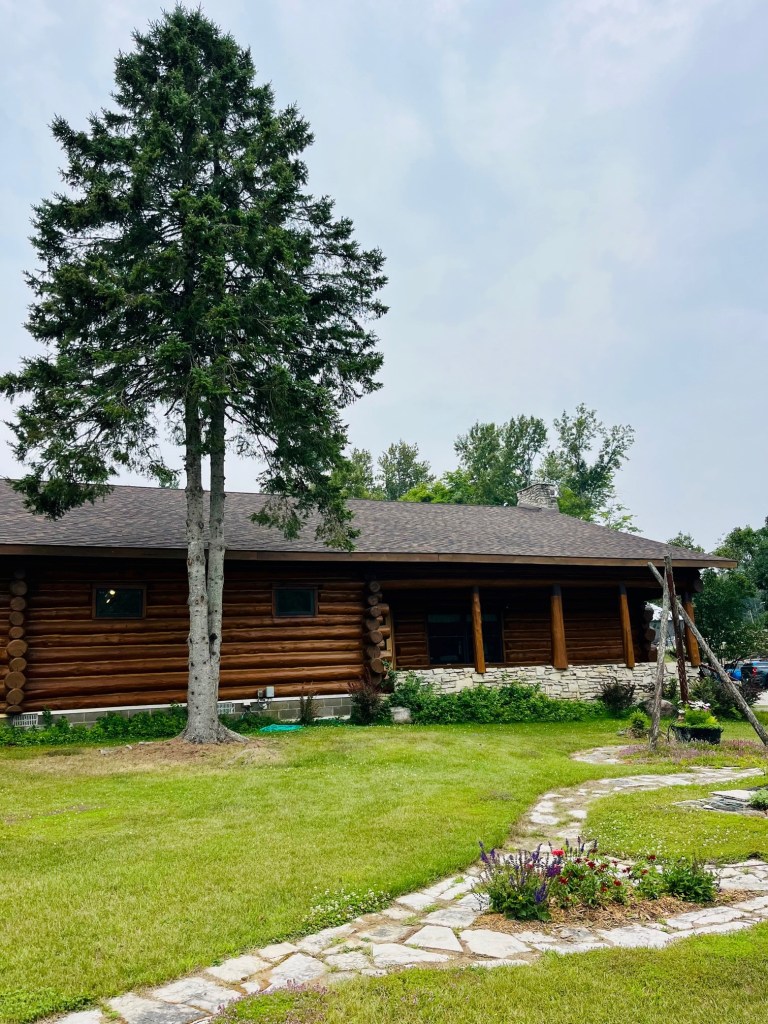
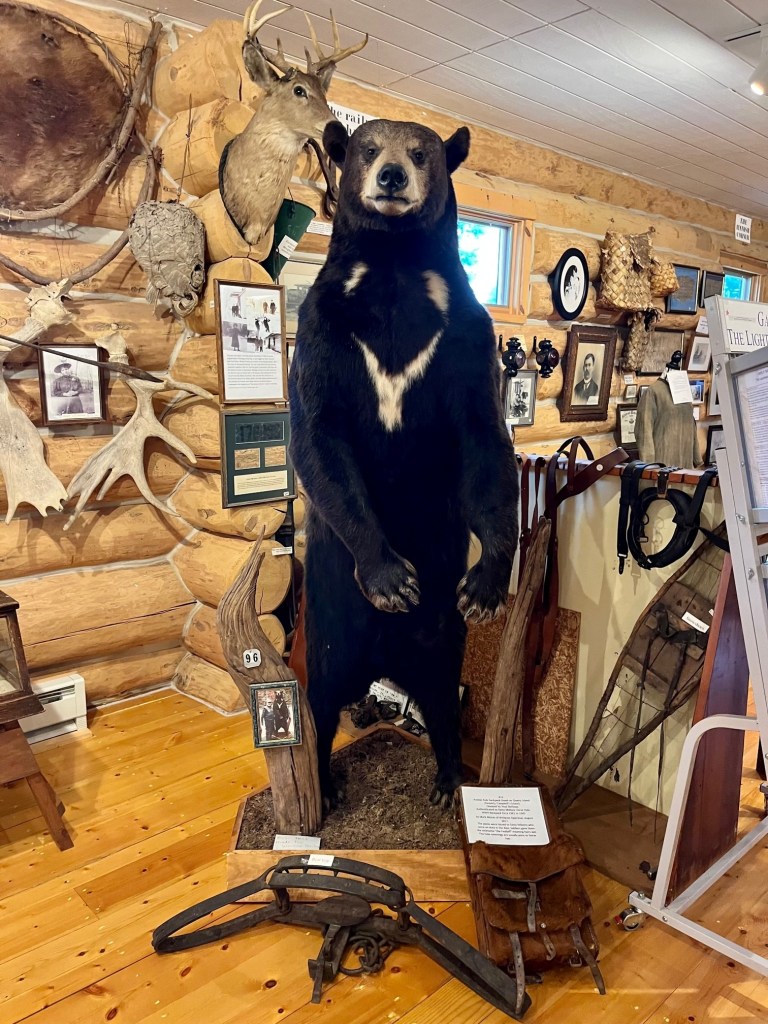

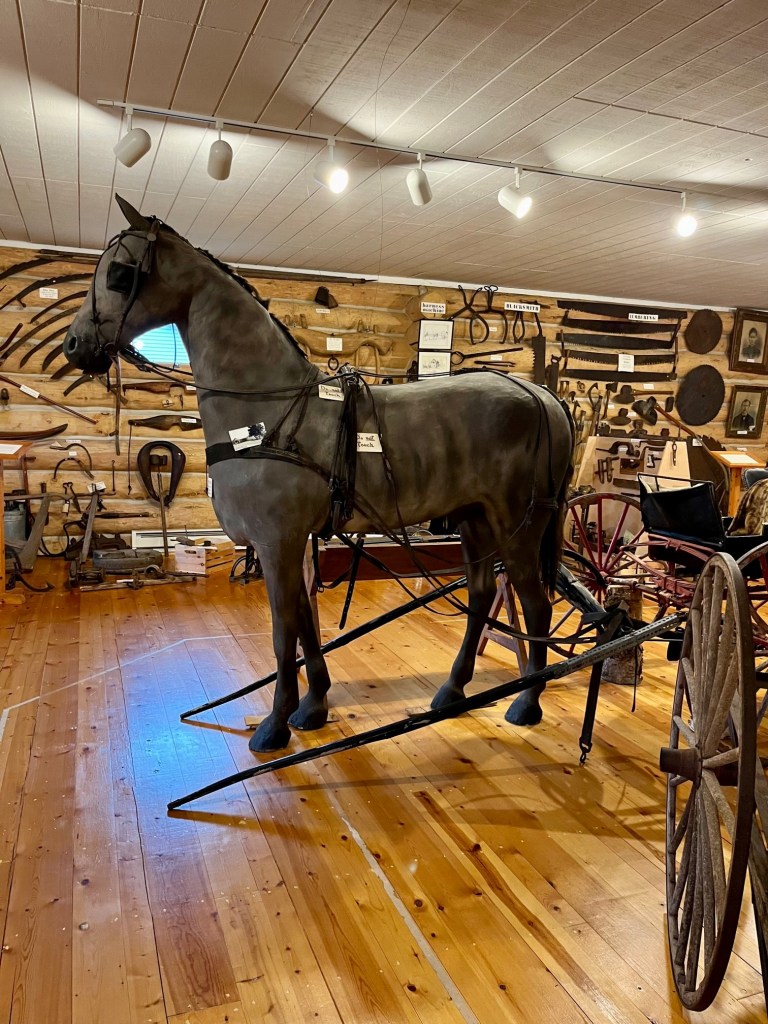
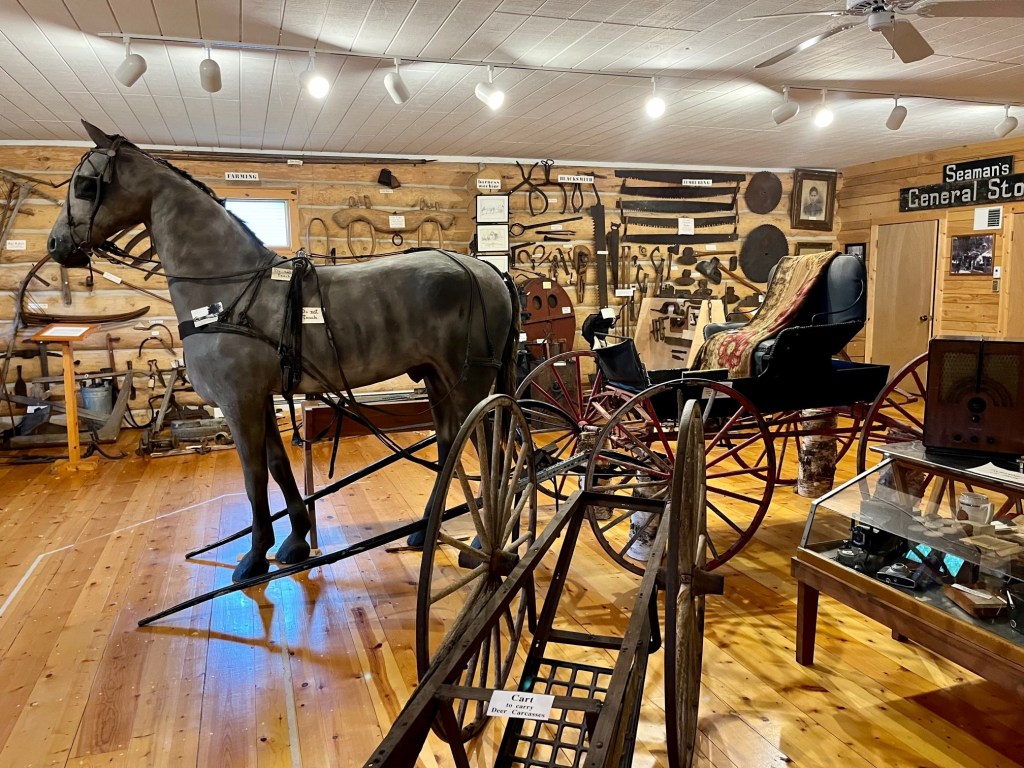
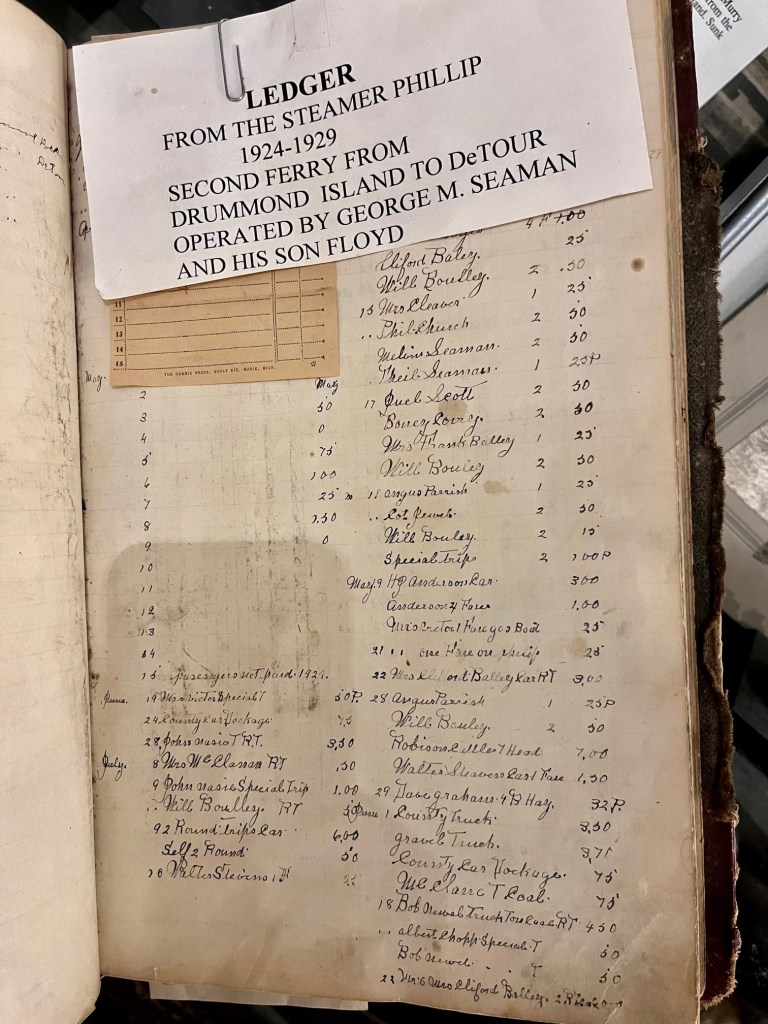
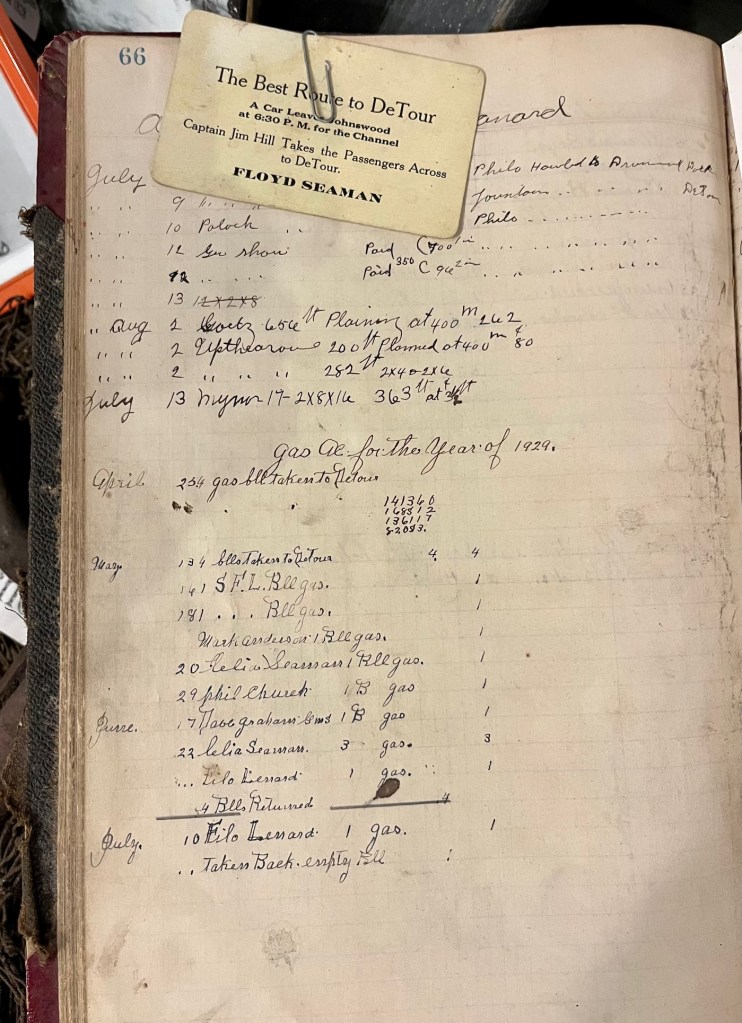
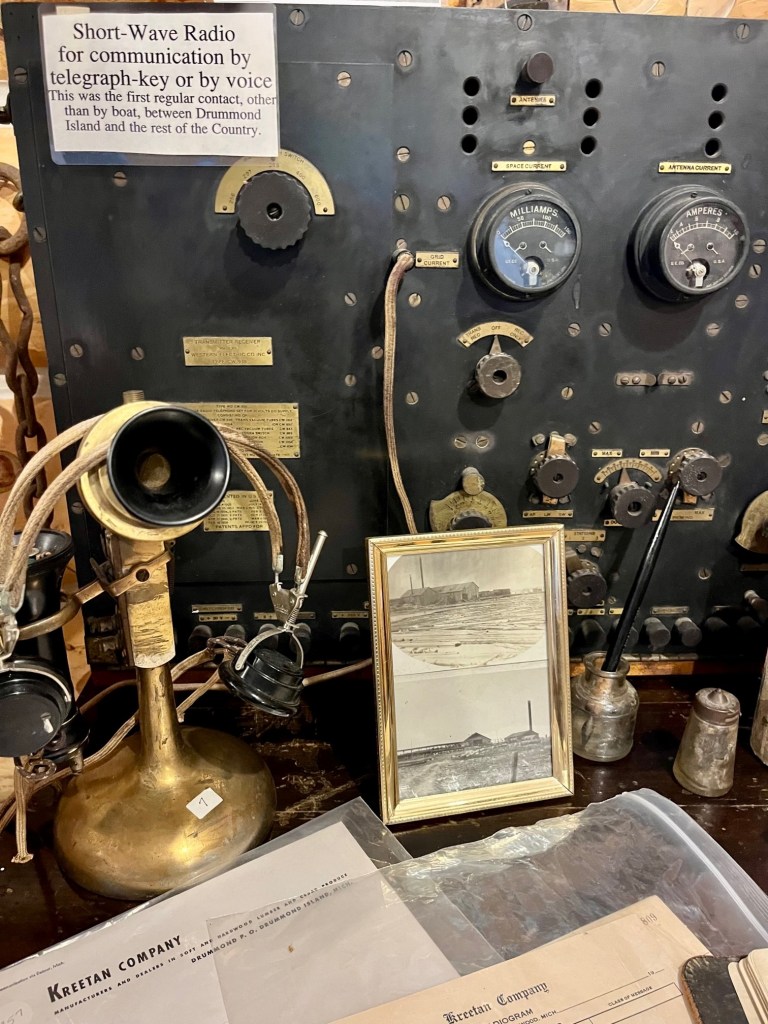
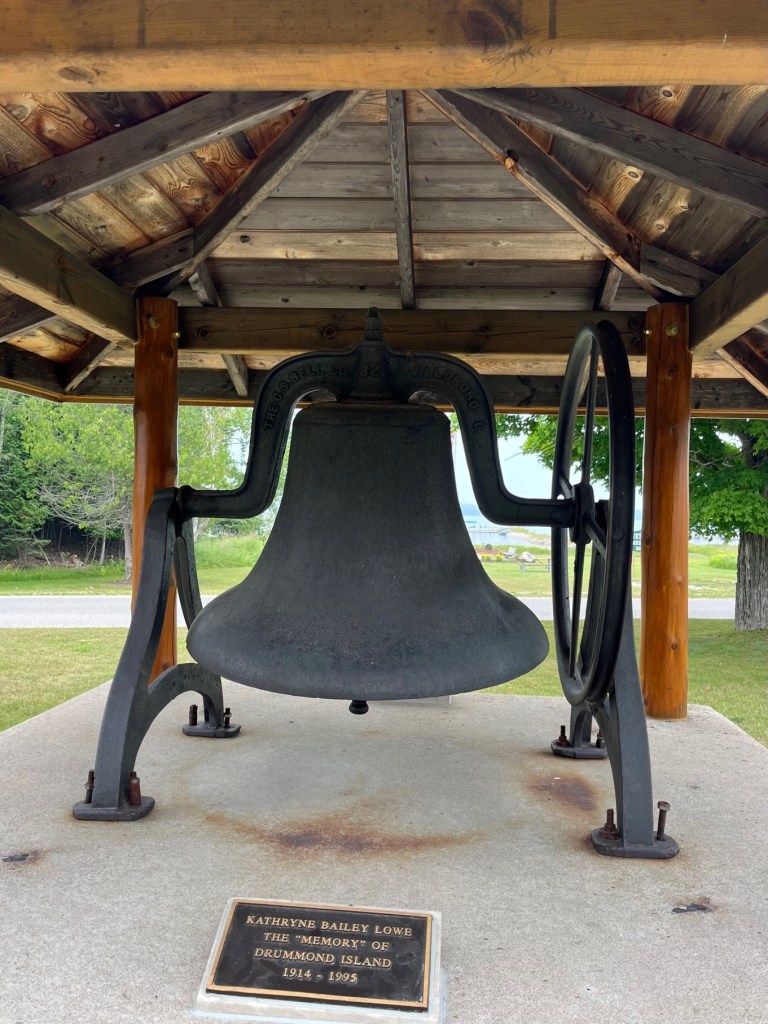
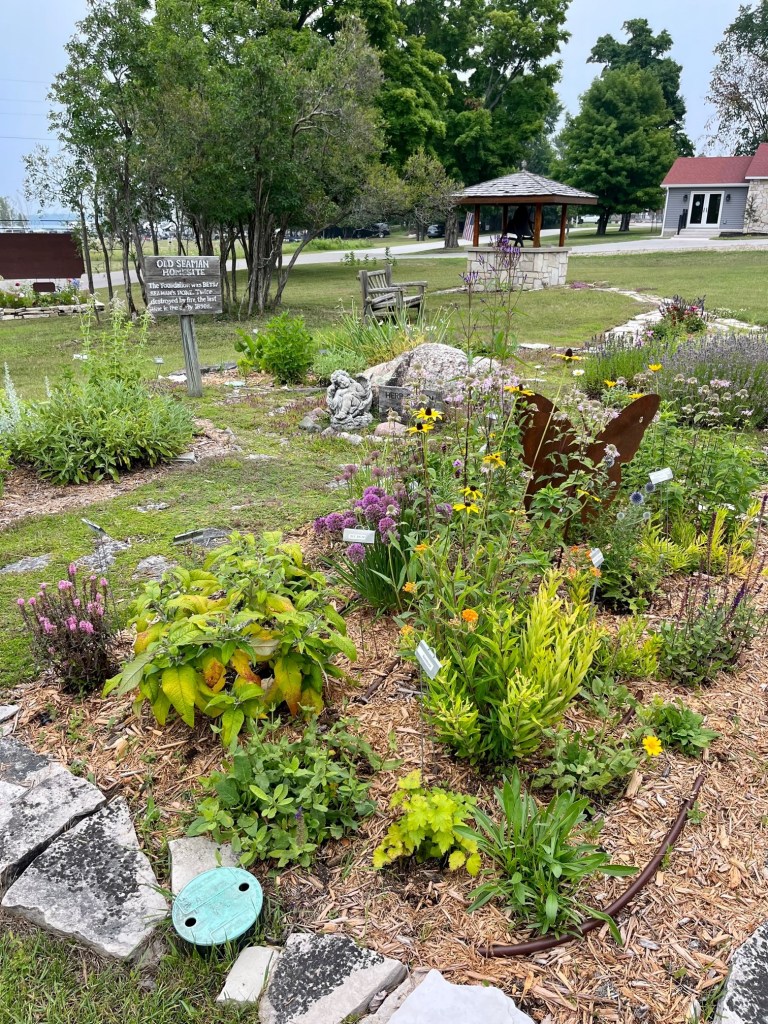
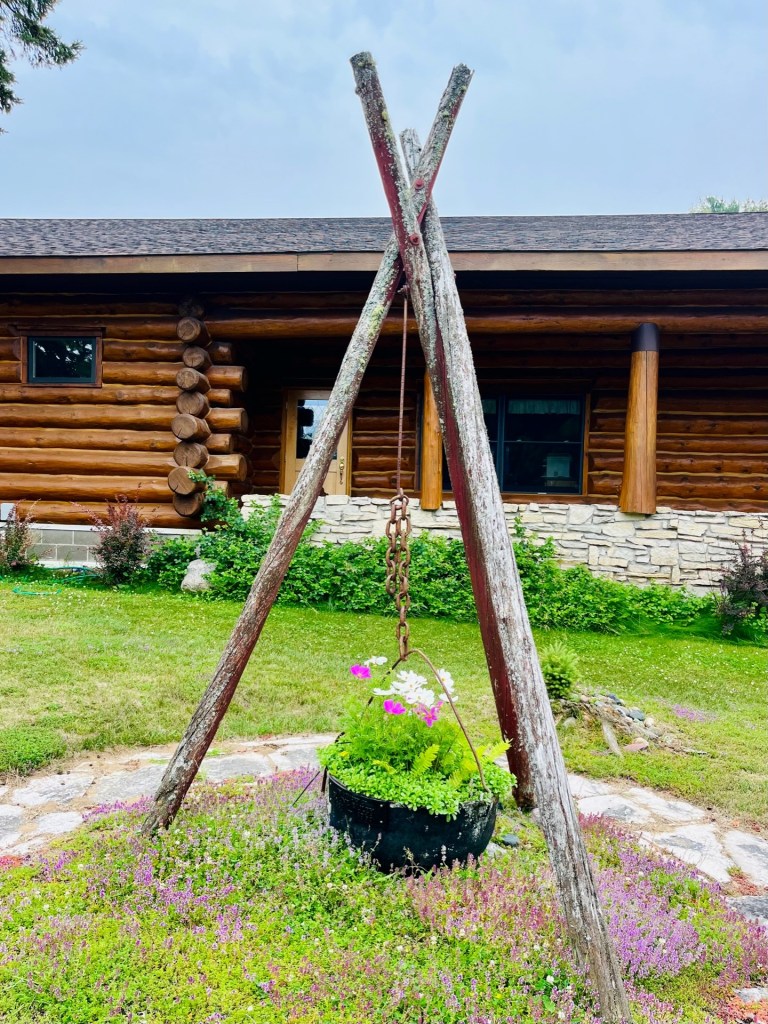
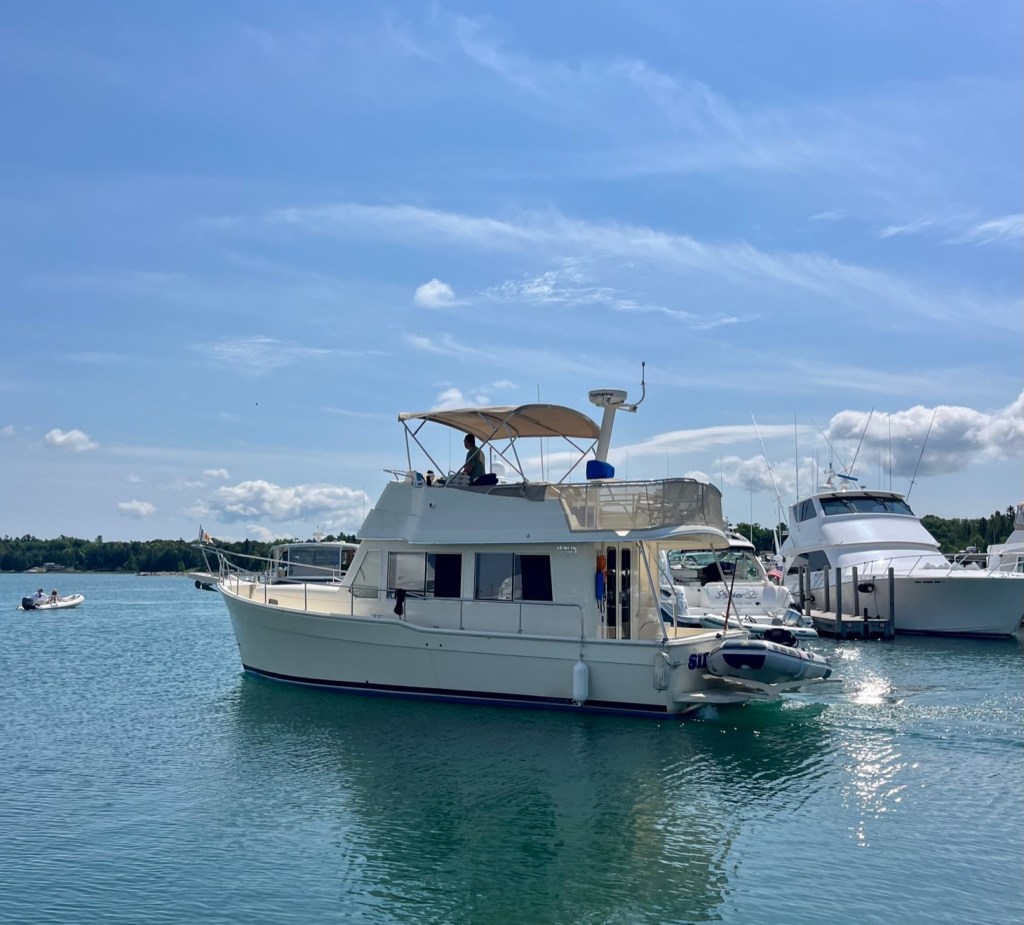
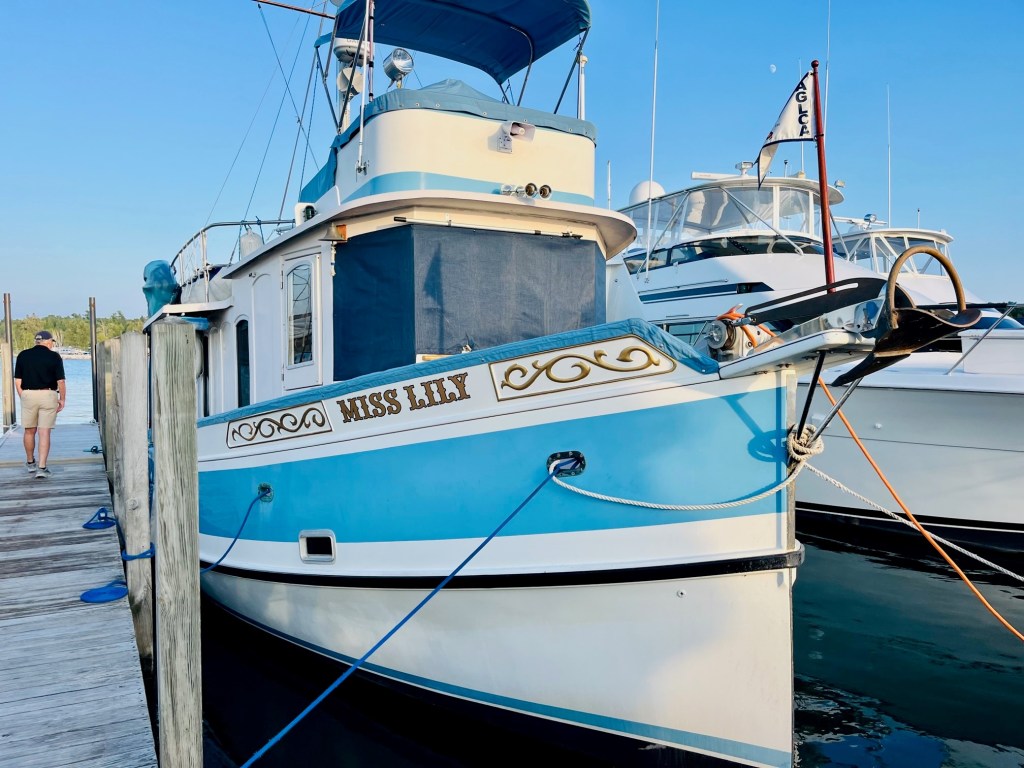
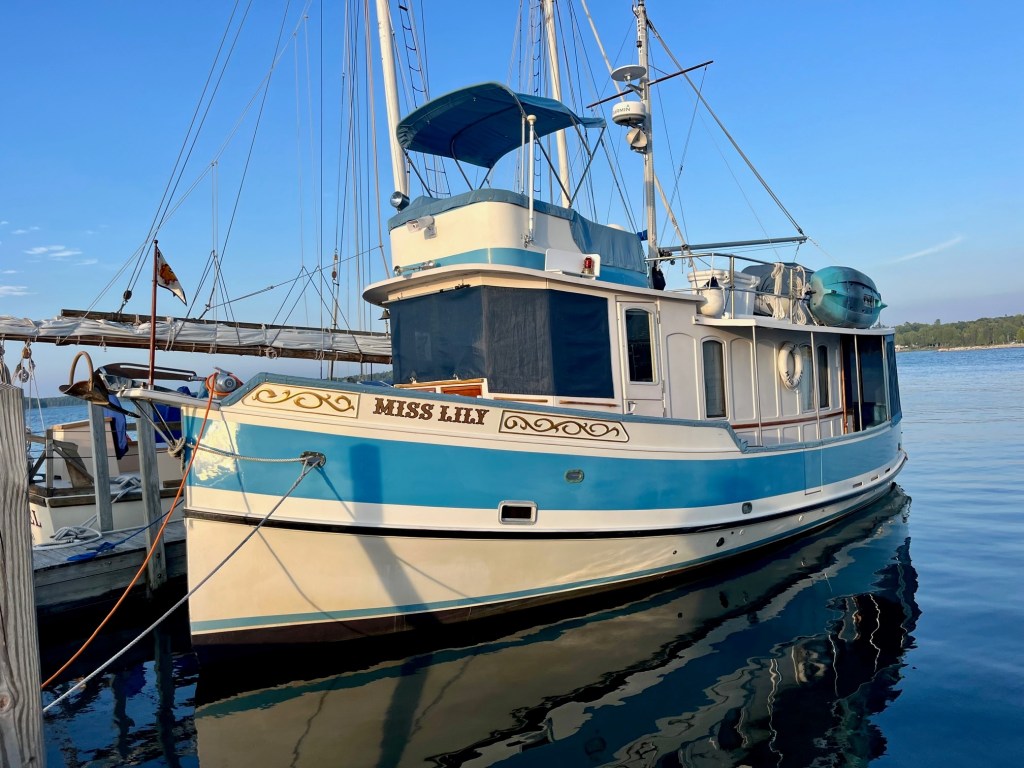
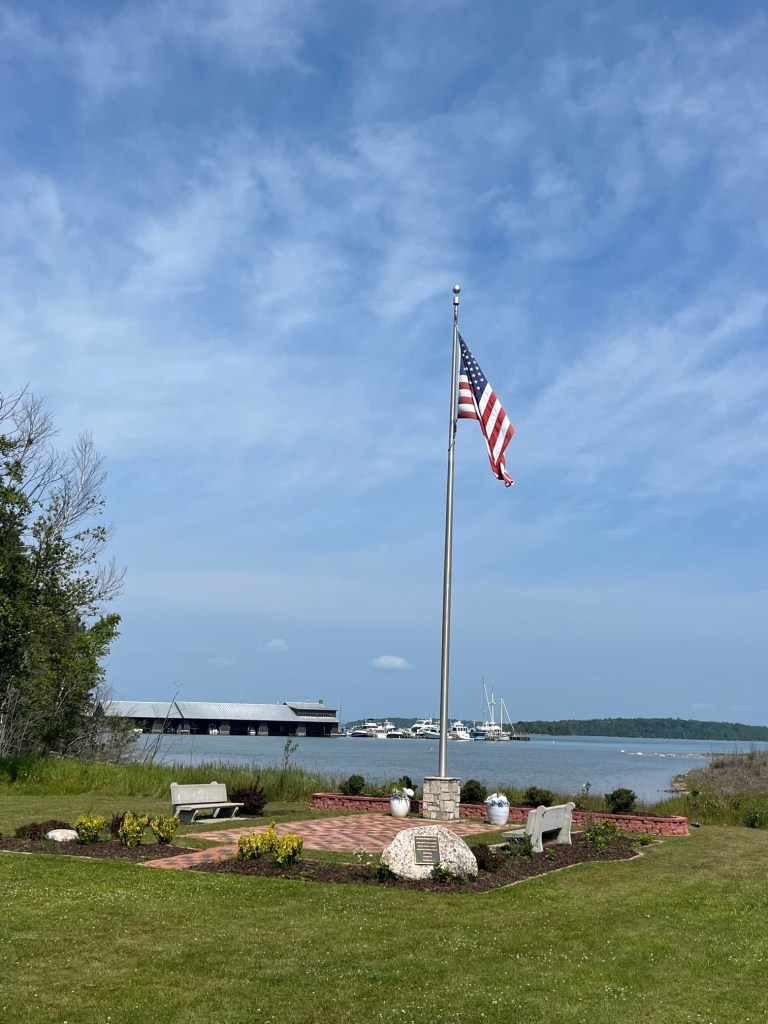
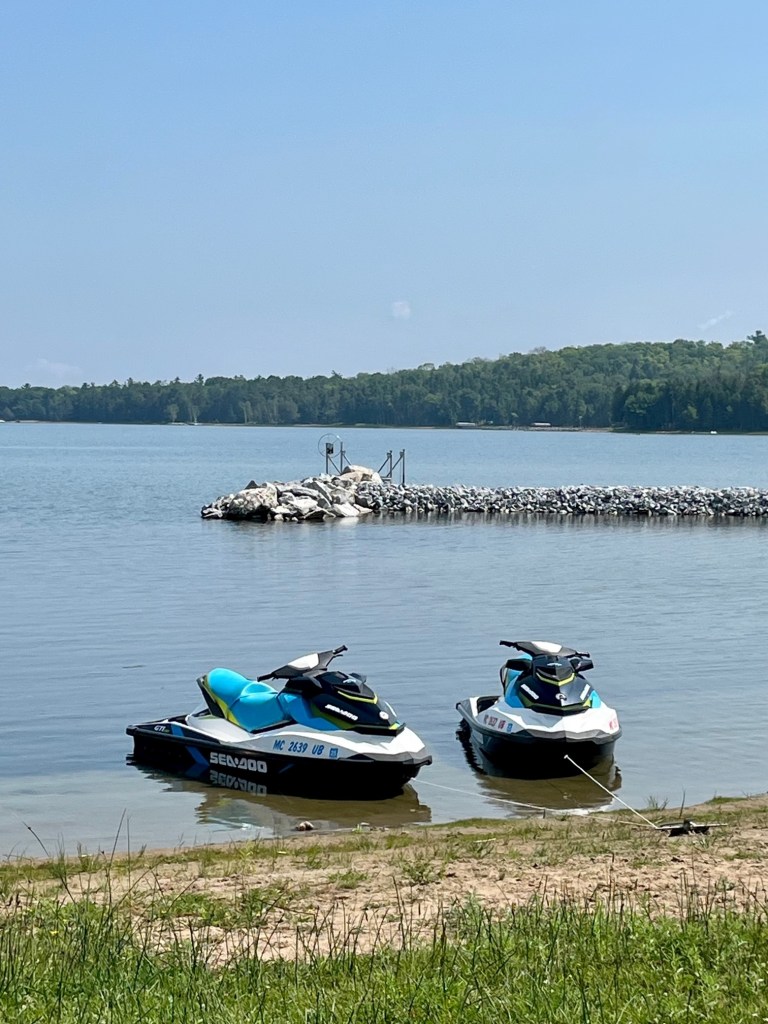
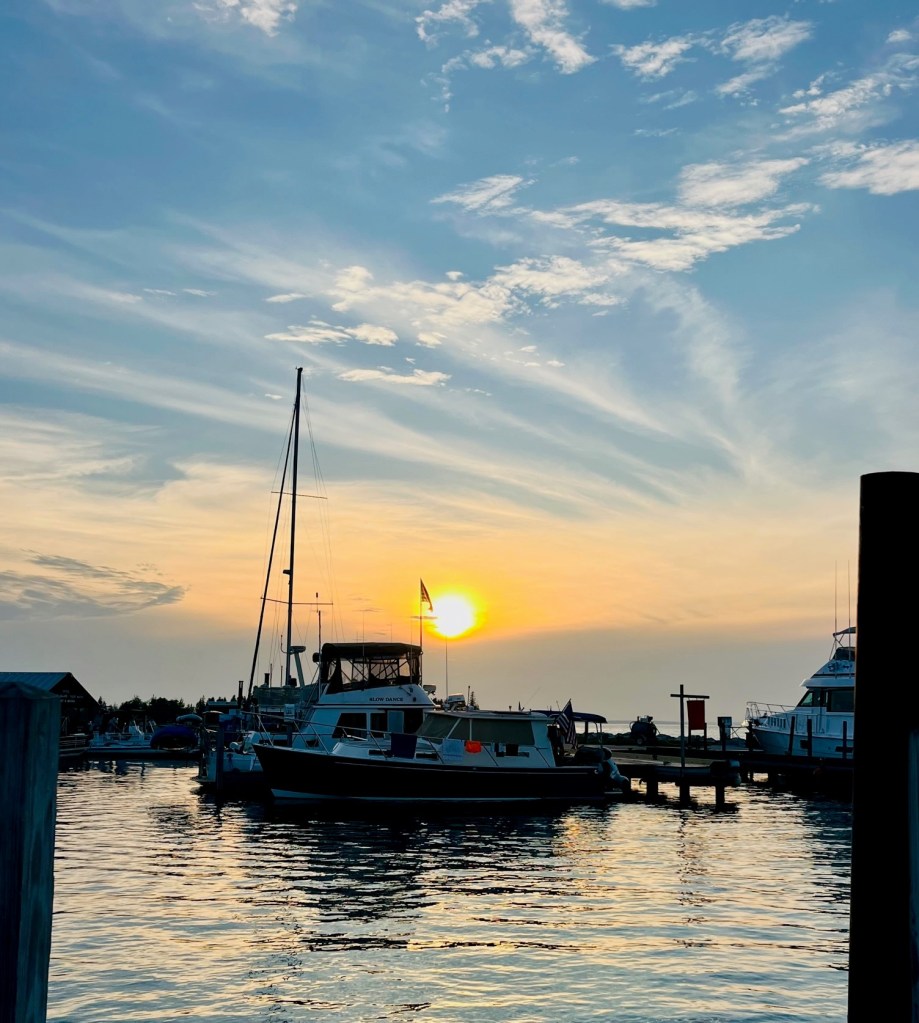
 Pat and Cindy's Great Loop Adventure
