September 8 – 12, 2022
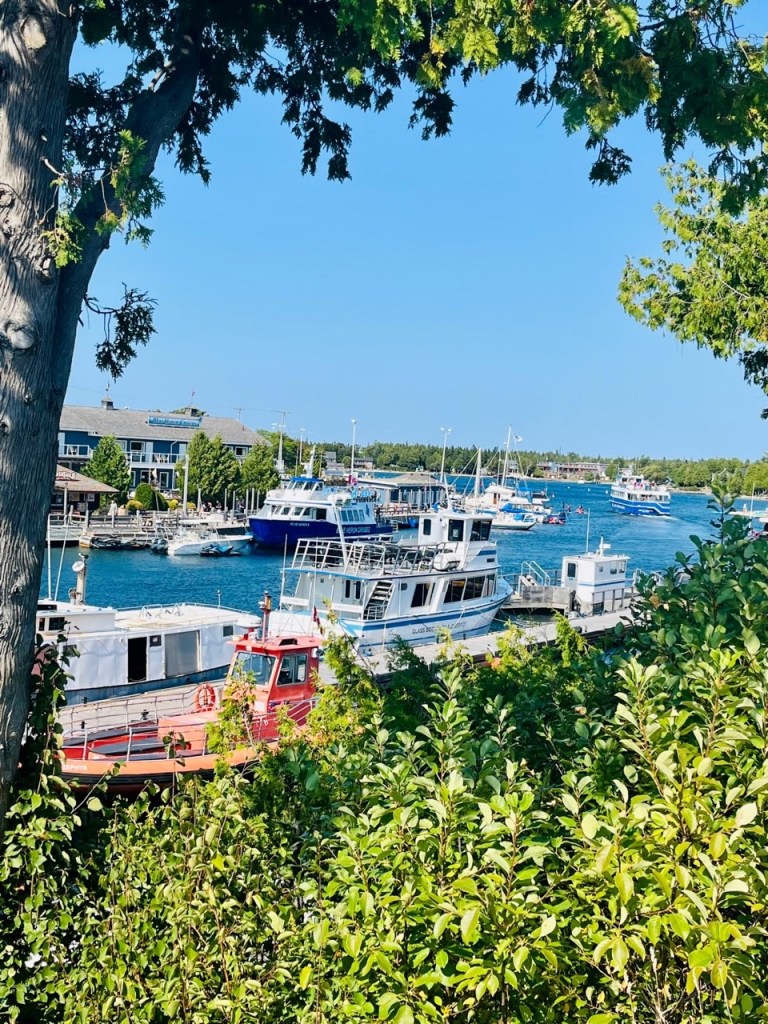
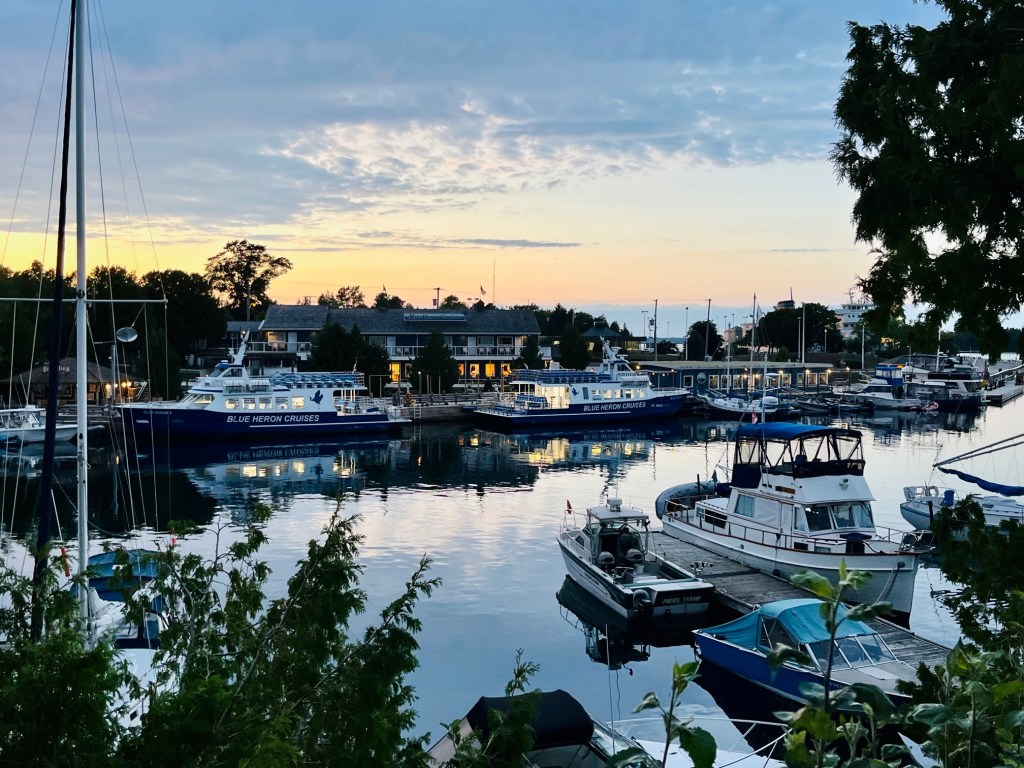
Tobermory’s Big Tub and Little Tub Harbours are two of the best natural refuges on Georgian Bay and have been a welcome sight for sailors, fishermen and lumbermen for more than 100 years. The shoal-strewn channel separating the Bruce Peninsula from Manitoulin Island is the entrance to Georgian Bay, and reaching Tobermory often signals the end of a long haul up Lake Huron for boaters going to the North Channel.
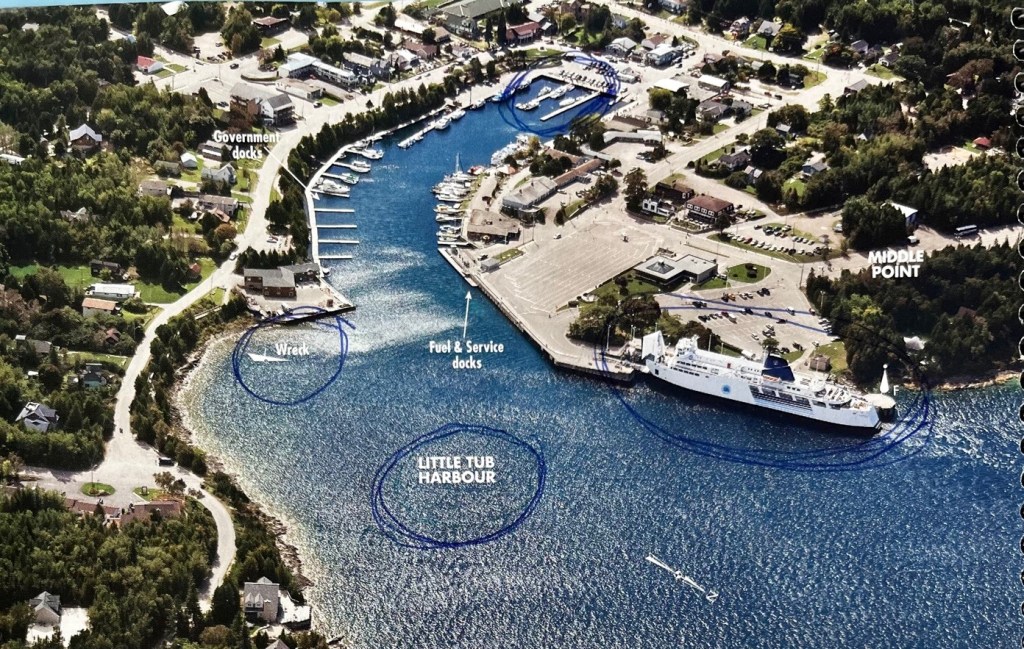
You can see the Chi-Cheemaun Ferry circled at bottom right.
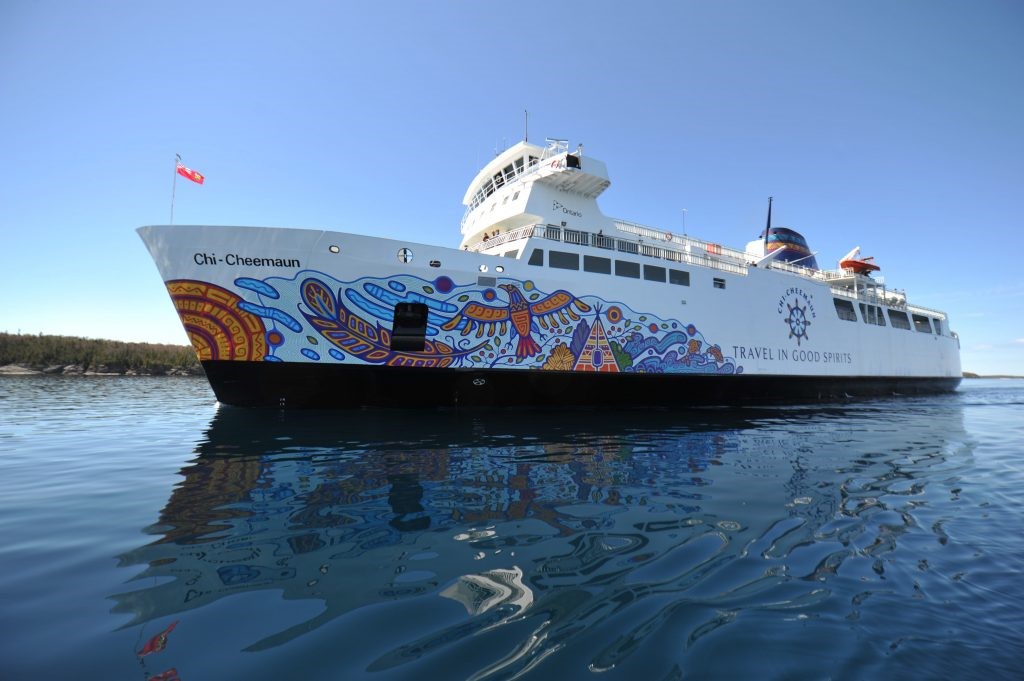
The Tobermory village – population 1,500 – is a tourist town attracting boaters, divers and hikers – as well as many people who drive here to take the Chi-Cheemaun (Ojibwa for “big canoe”), a vehicle and passenger ferry that runs to and from South Baymouth on Manitoulin Island. Since this is one of only two ways to take a vehicle to Manitoulin Island (the only other way is the single-lane swing bridge in Little Current mentioned earlier), it is common to see buses and transport trucks on this ferry as well as the usual tourist traffic.
The islands and shoals in the Tobermory area are mainly outcroppings from the Niagara Escarpment. An escarpment (also known as cuesta) is a steep slope or long cliff that forms as a result of faulting or erosion. It separates two relatively level areas having different elevations. The Niagara Escarpment is in Canada and the United States and runs predominantly east–west from New York through Ontario, Michigan, Wisconsin, and Illinois. The escarpment is most famous as the cliff over which the Niagara River plunges at Niagara Falls, for which it is named.
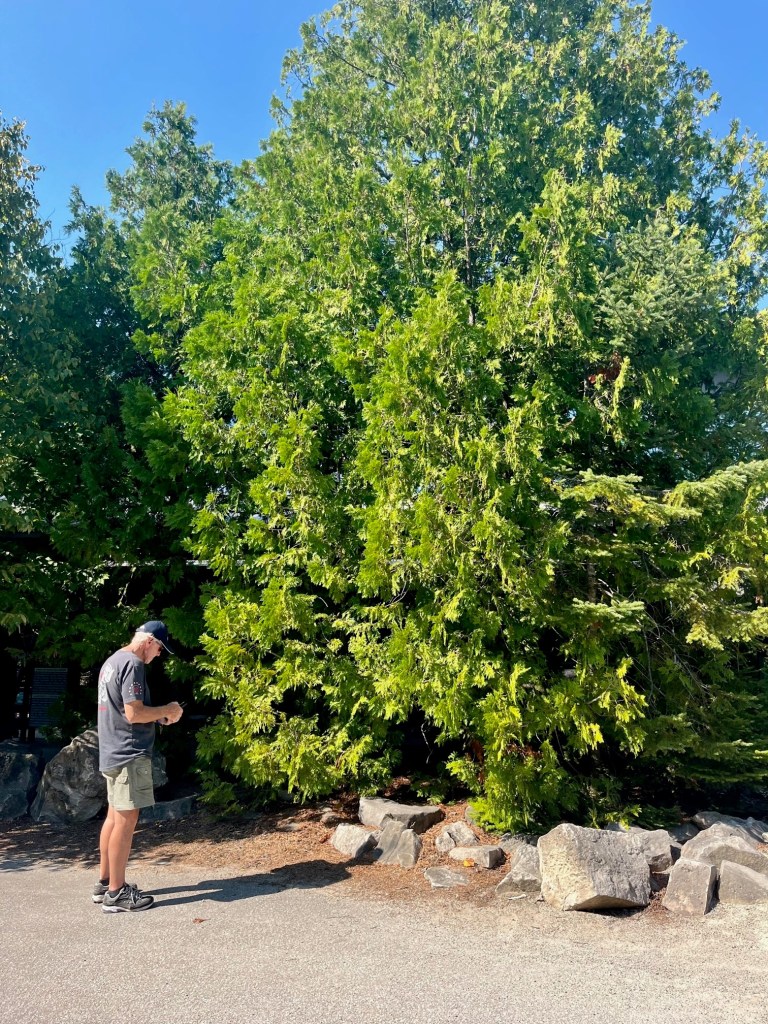
The Niagara Escarpment is a UNESCO World Biosphere Reserve. It has the oldest forest ecosystem and trees in eastern North America.
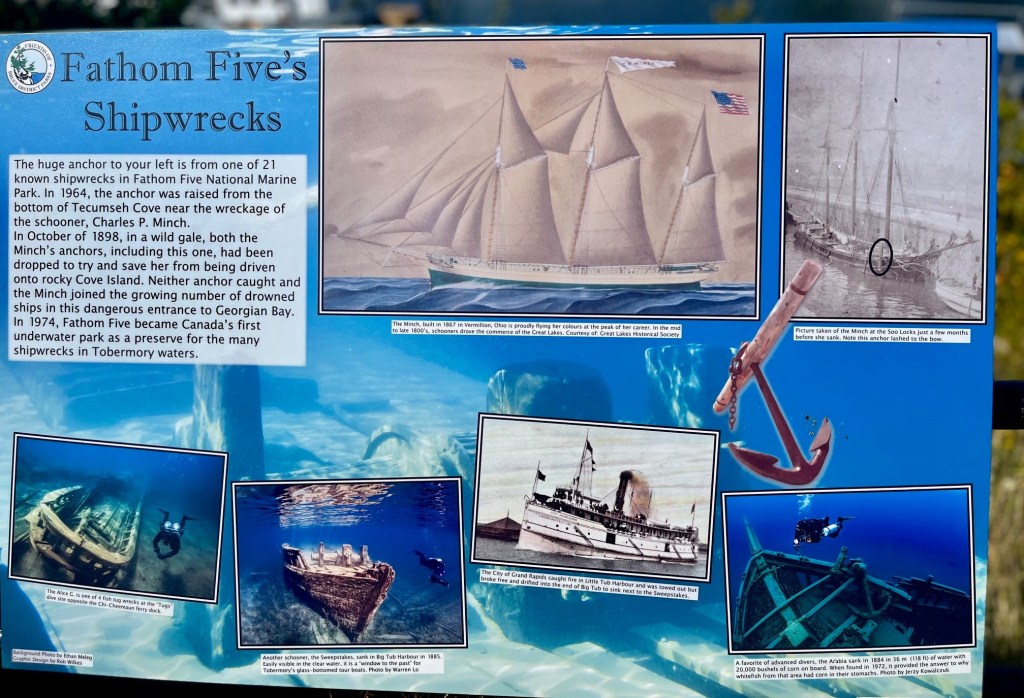
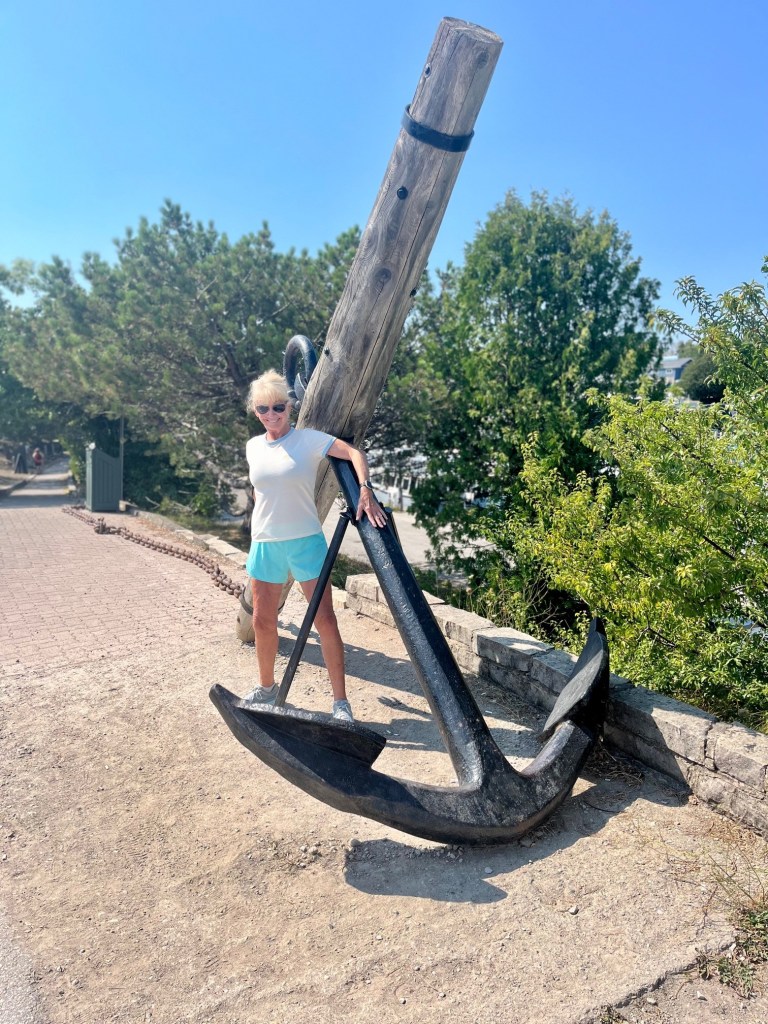
In 1964 an anchor was raised from the bottom of Tecumseh Cove near the wreckage of the schooner, Charles P. Minch. That anchor is displayed in the town and pictured below.
Many of the Tobermory islands and shoals are part of the Fathom Five National Marine Park, Canada’s first national marine park. Hazardous for unwary cruisers, they are a magnet for scuba divers, who come to the area for its great visibility (30 to 40 feet) and the many shipwrecks of vessels that fell victim to those islands and shoals. The park has 21 known shipwrecks and is home to 140 species of fish!
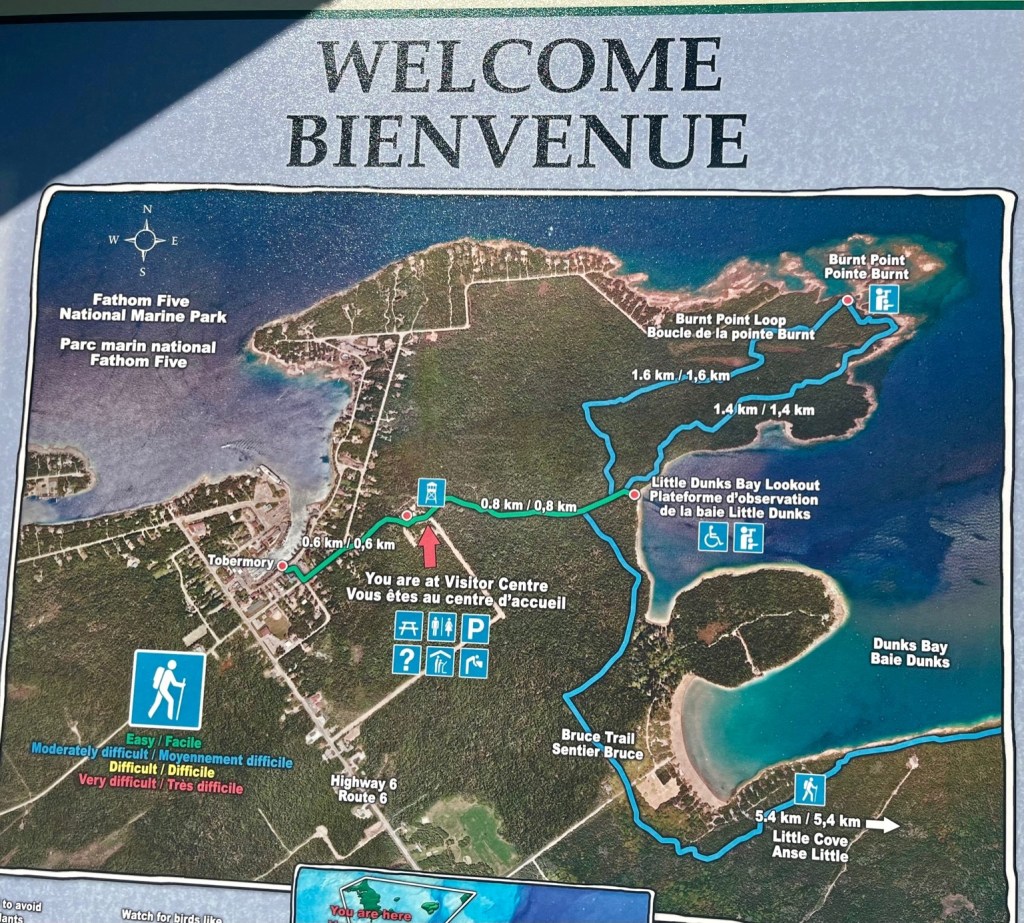
The rocks and shoals in the Tobermory area are made even more treacherous by the strong winds (Inevitably contrary), currents (always varying) and waves (converging form three directions in some places). Wind, wave and currents have driven many hapless boats onto the shores.
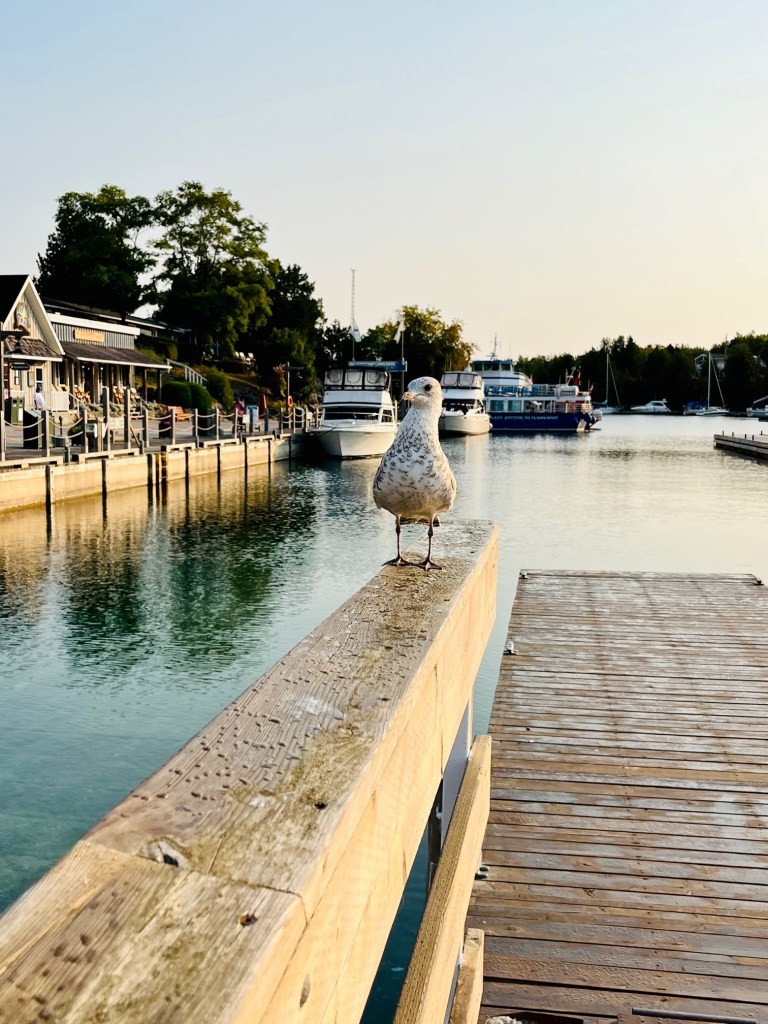
We so loved our visit to this friendly harbour village of Little Tub Harbour. It retains the atmosphere of a quiet fishing village – and from its beginnings as a busy port for sawmills – today it is a bustling resort and center for various water activities. Boaters are fascinated by the endless boat traffic – the docks are in the heart of the town.
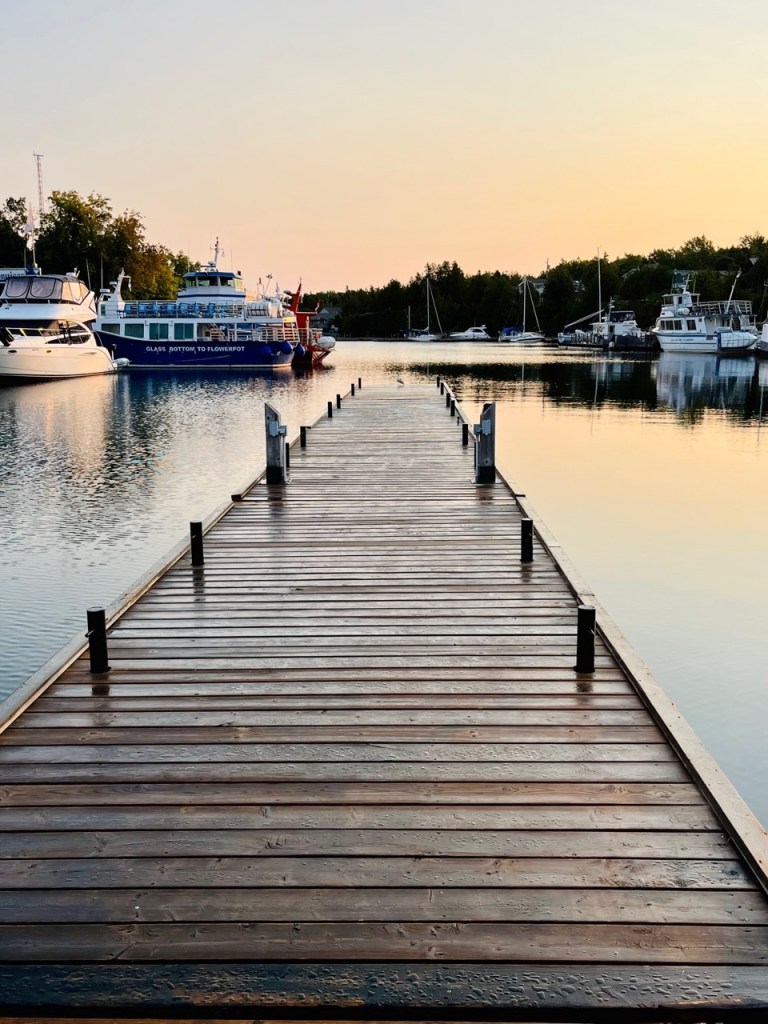
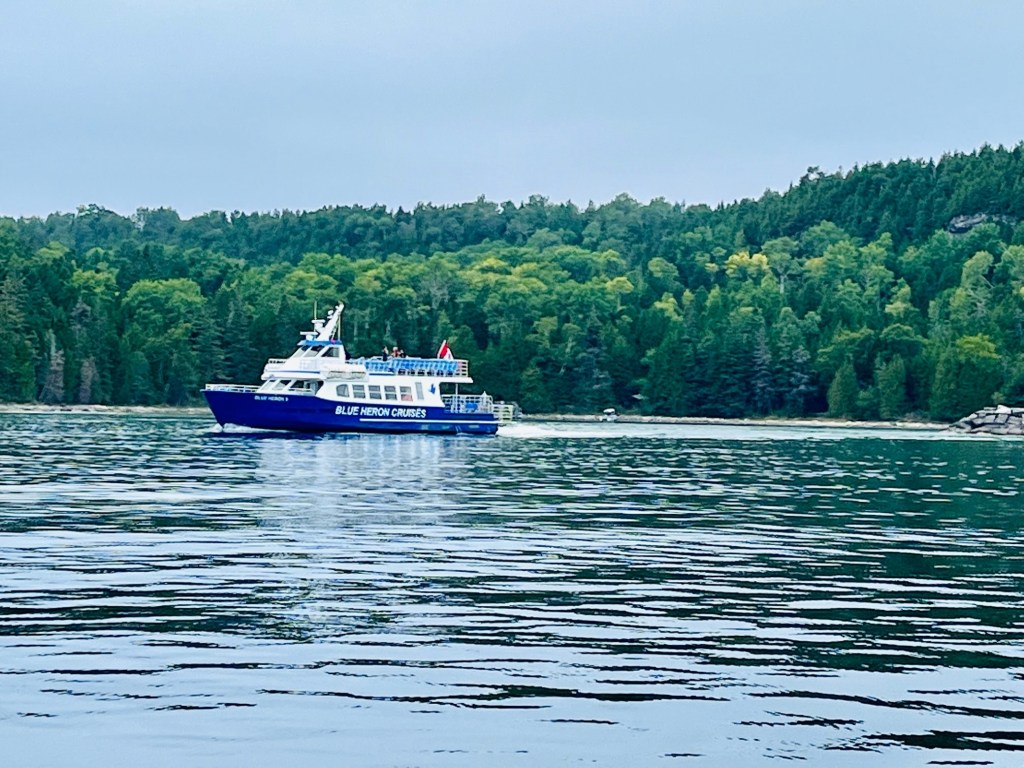
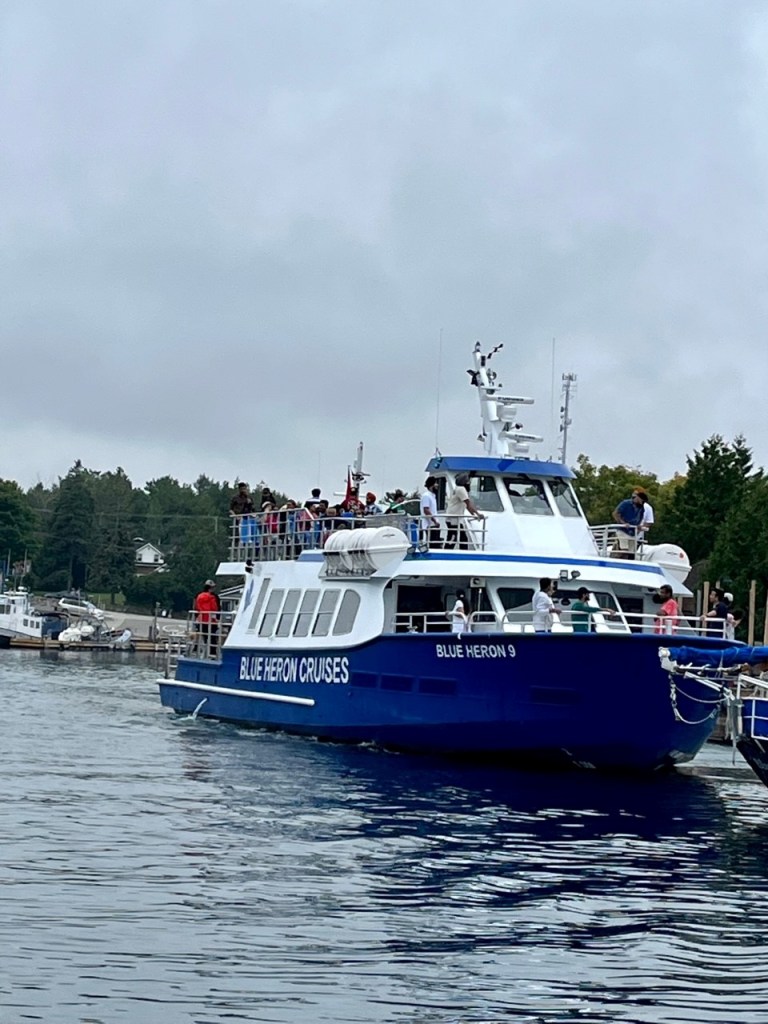
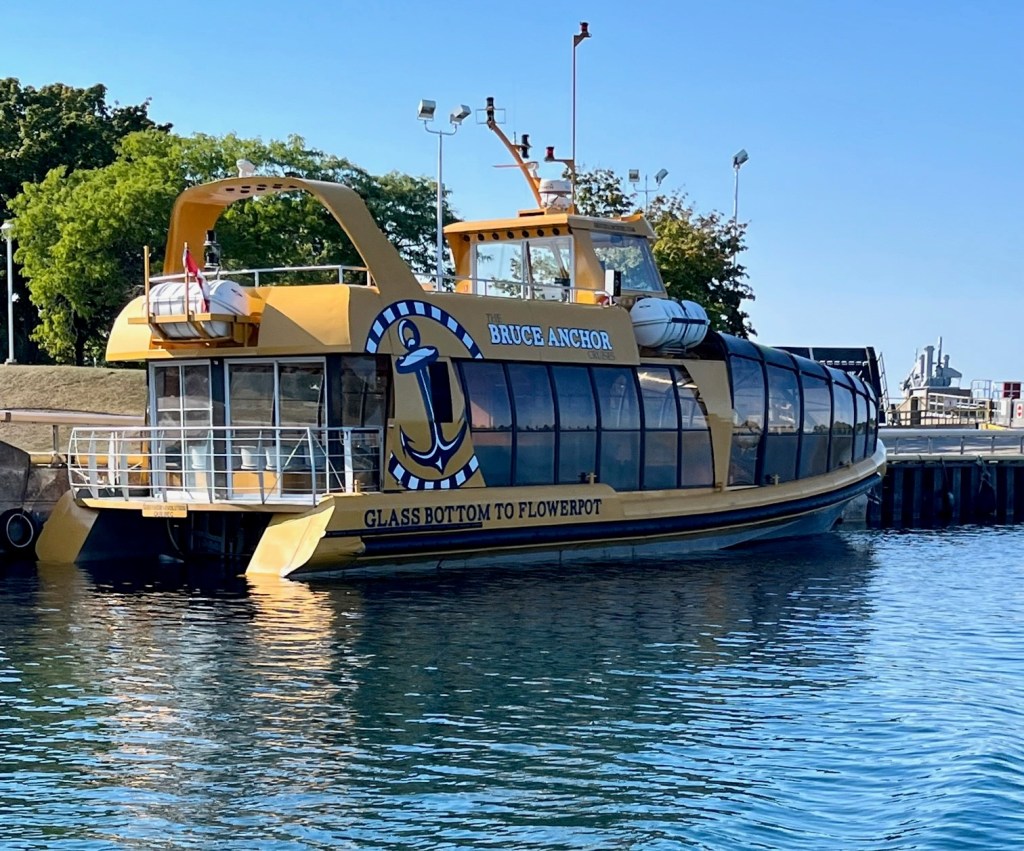
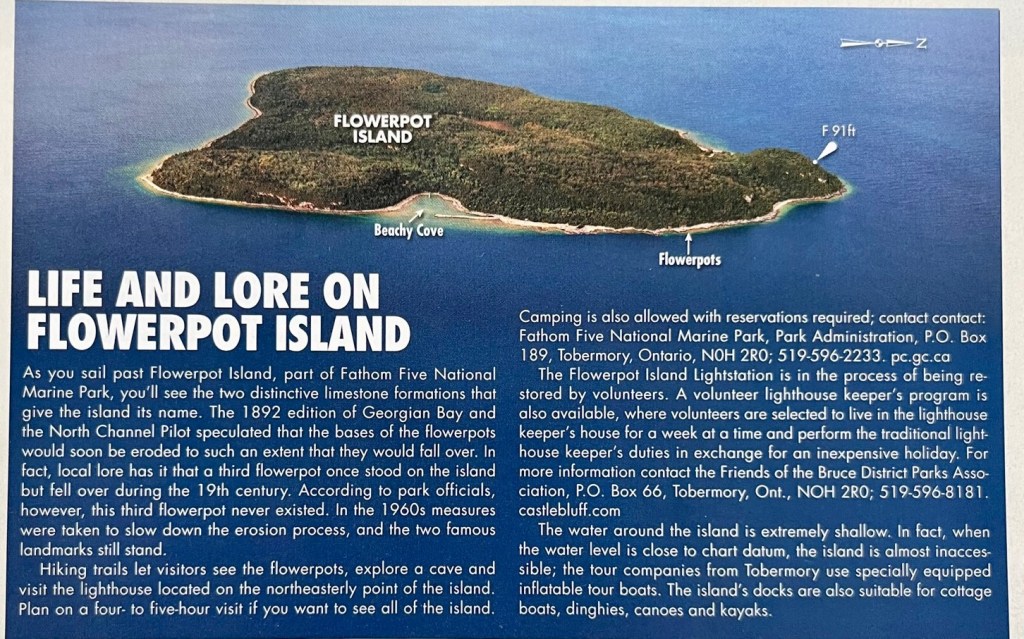
Glass-bottom boat tours for viewing wrecks, sunset cruises, and fishing and dive charters all operate out of Little Tub Harbour. Tour boats to Flowerpot Island and the caves on Bruce Peninsula also leave from here. If you want to do exploring on your own kayaks are for rent with guided tours.
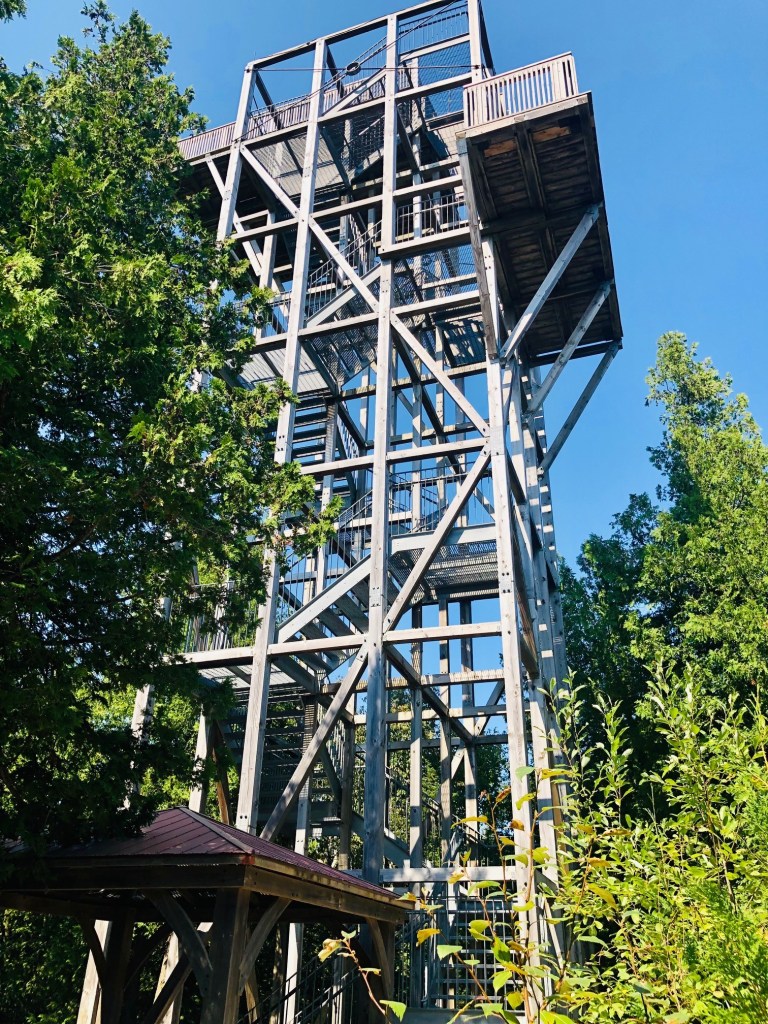
We visited the Park Center for the Bruce Peninsula National Park. We viewed a movie detailing the history and features of the park, and climbed the observation tower. Captain Pat was unaware of the Admiral’s fear of heights. The things you learn about your wife travelling four months straight! I wasn’t expecting the tower to be an open structure with just stairs to climb! It reminded me of camping at Lincoln State Park as a youth, where we would climb the fire tower there. I never liked it!
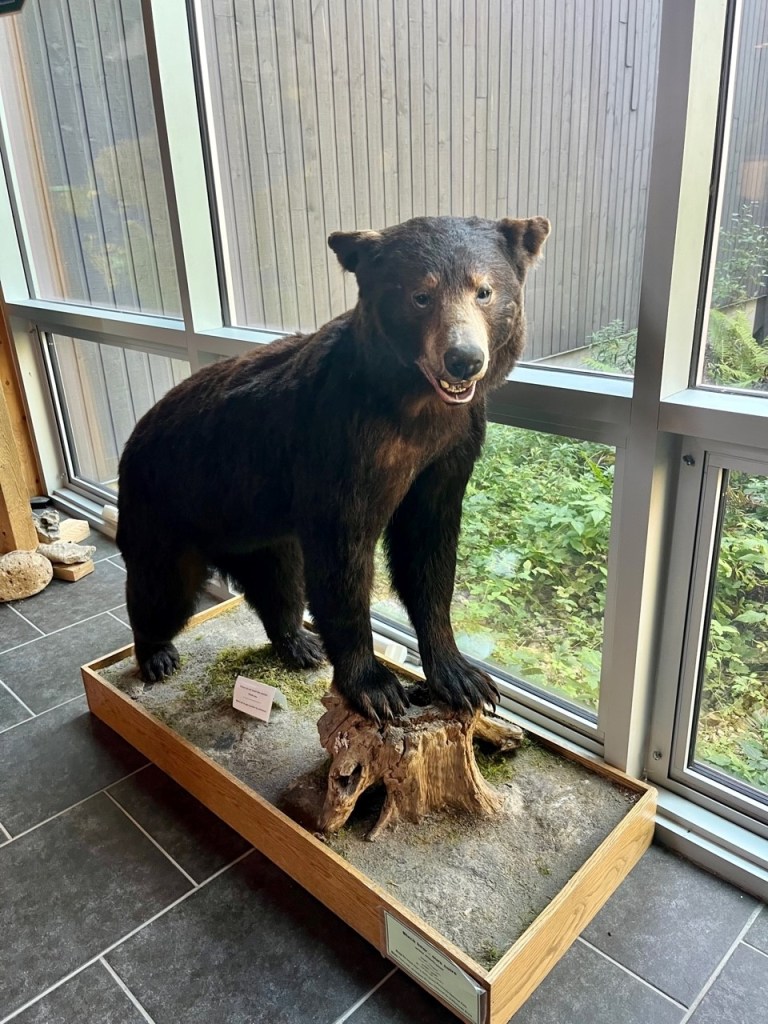
Here are items we viewed at the Park Center:
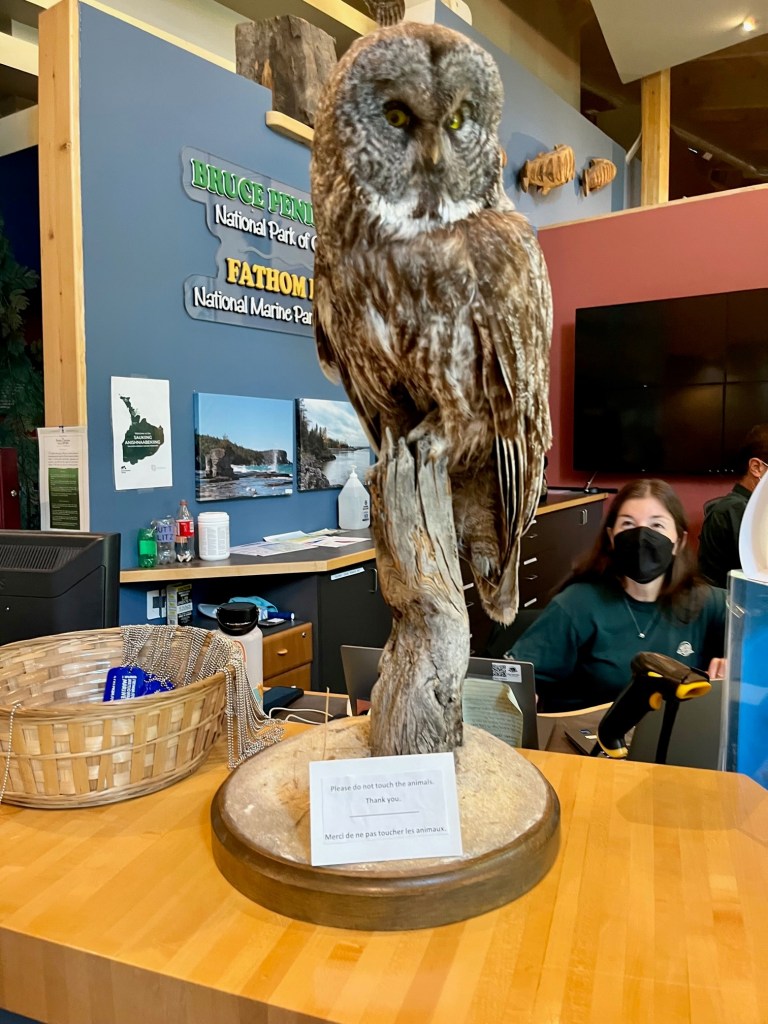

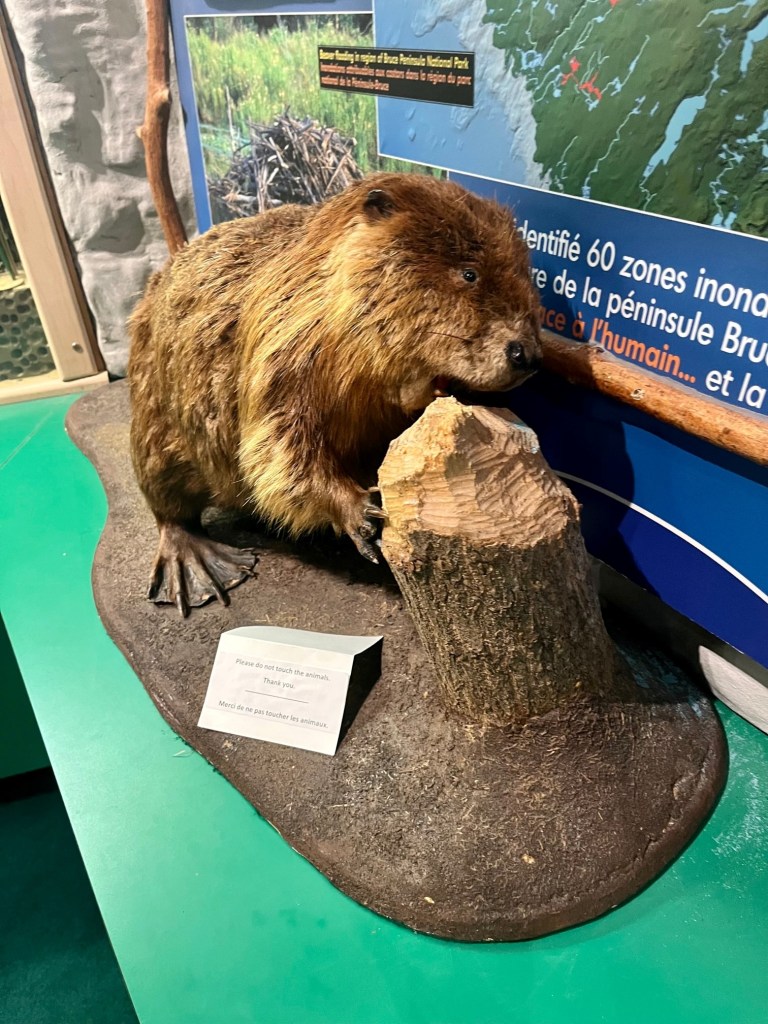
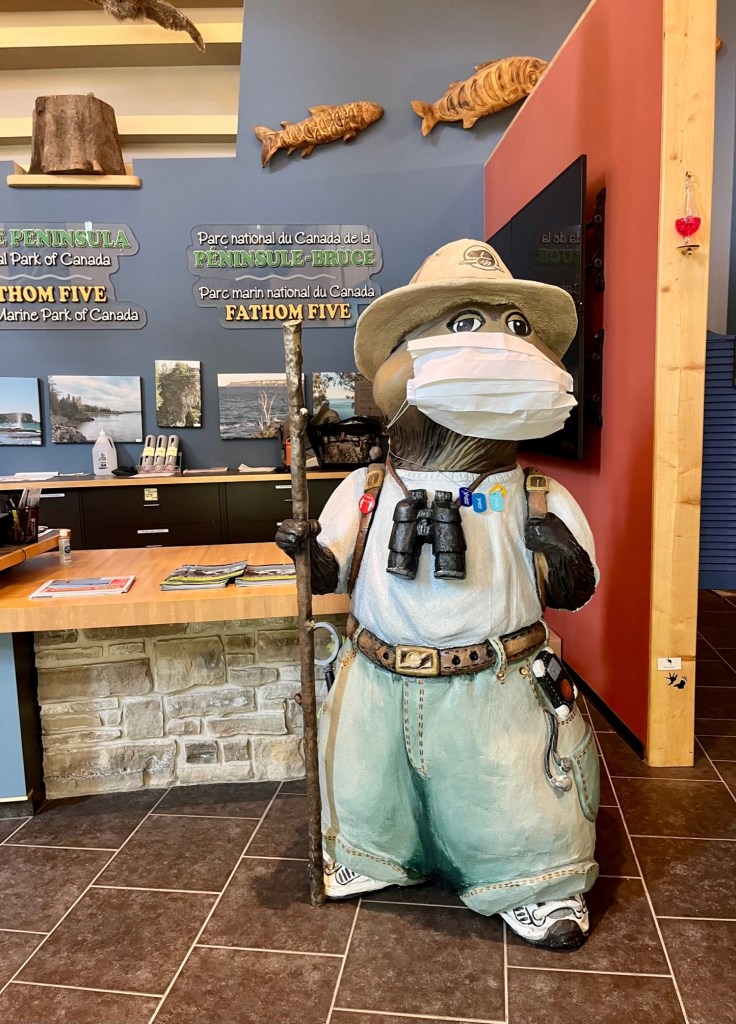
I appreciate the parks always acknowledging the indigenous peoples of Canada and their contributions to the culture here. Here are beautiful quotes from the park literature:
“We acknowledge the Traditional Territory of the Anishinabek Nation: The People of the Three Fires known as Ojibway, Odawa, and Pottawatomie Nations, and further give thanks to the Chippewas of Saugeen and the Chippewas of Nawash, now known as the Saugeen Ojibway Nation, as the traditional keepers of this land.”
“The Saugeen Ojibway Nation and Parks Canada Agency have a shared vision to care for these lands and places, and are learning to walk together, guided by the Grandfather Teachings of honesty, respect, truth, love, humility, bravery, and wisdom.”
“Together, we aim to protect and preserve the ecological, cultural and spiritual integrity of these places while welcoming visitors to enjoy, understand and connect with the natural, cultural and spiritual values of Bruce Peninsula National Park.”
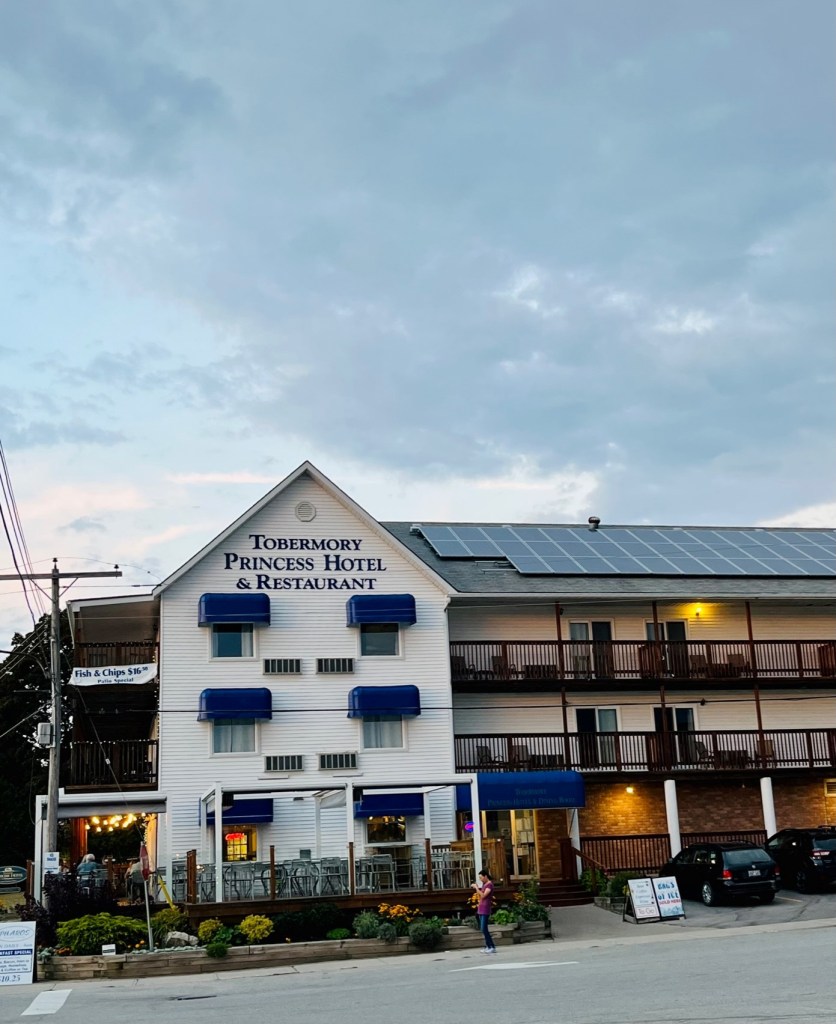
Here are more photos from our stay at Tobermory.
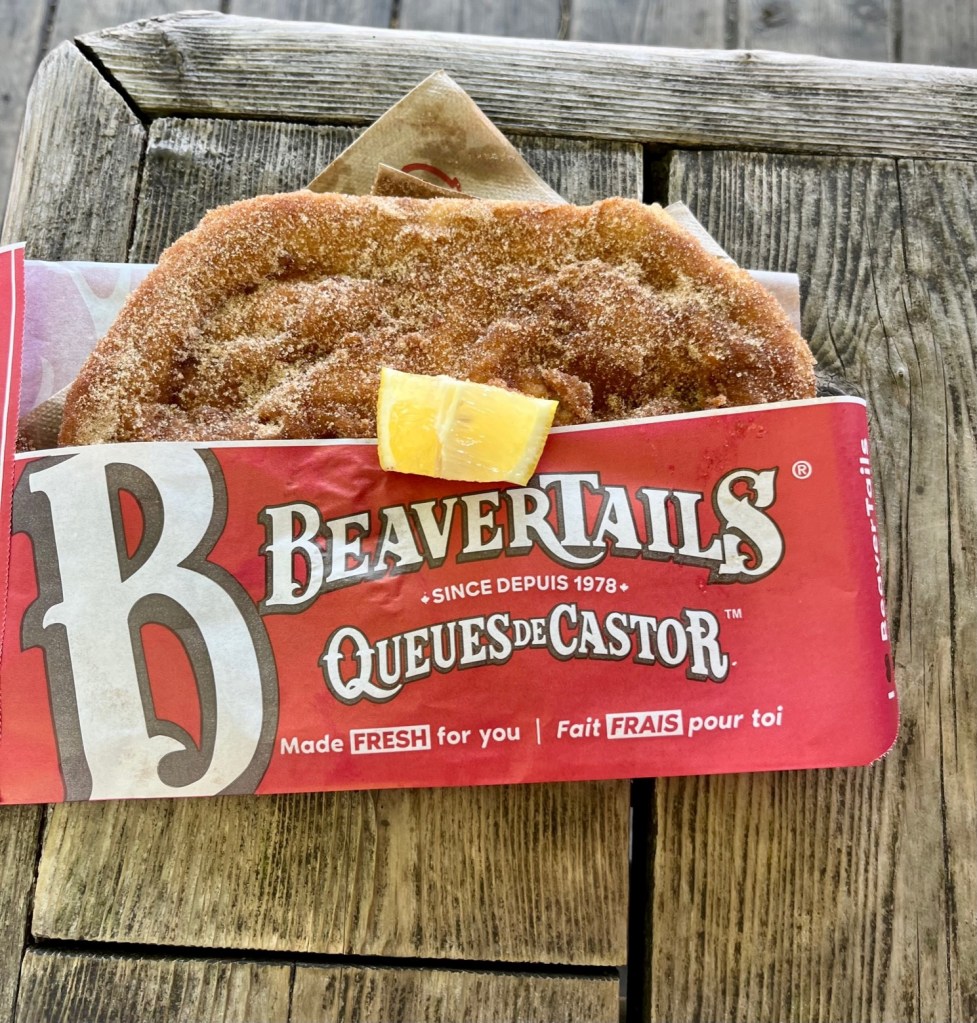
Reminded me of the cinnamon toast my mom would make for us for breakfast.
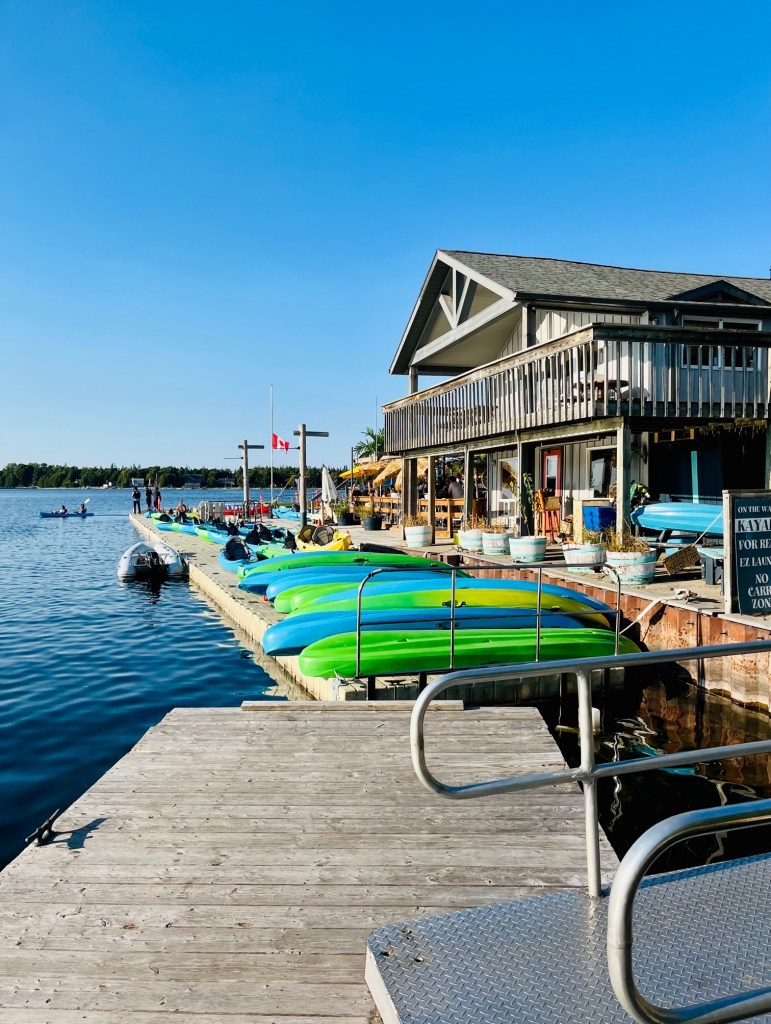
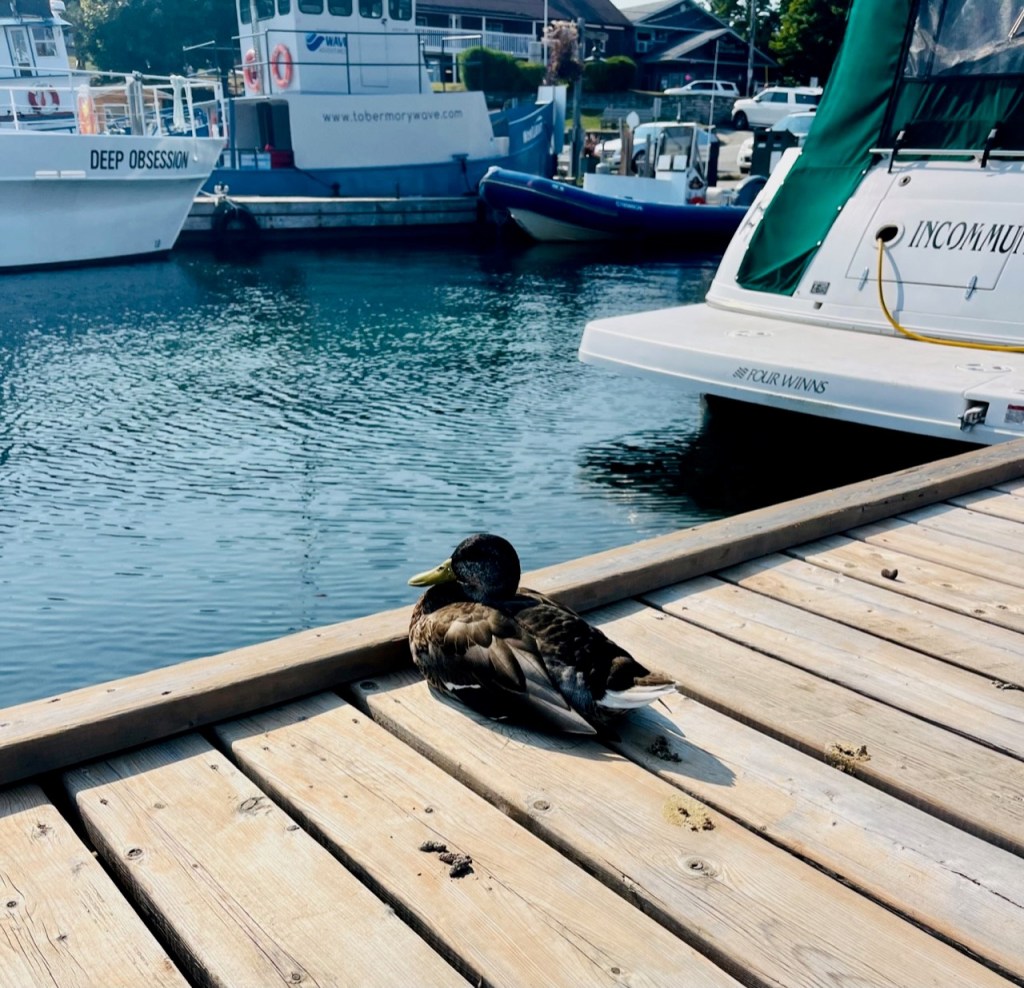
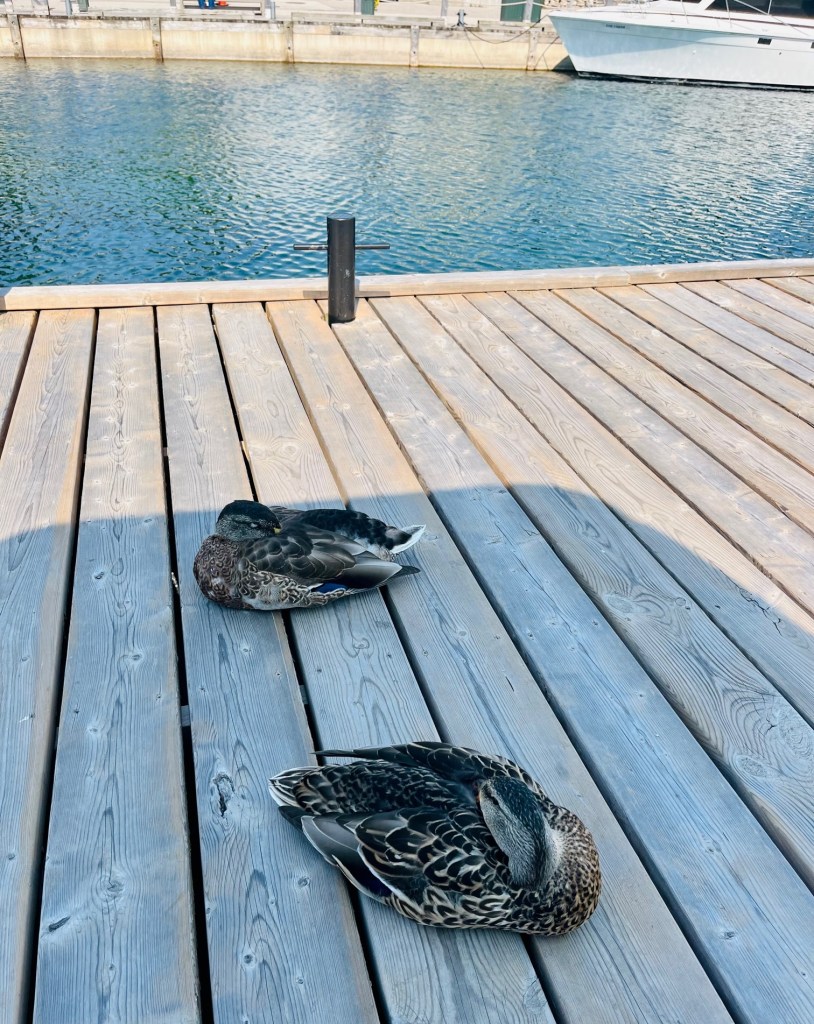
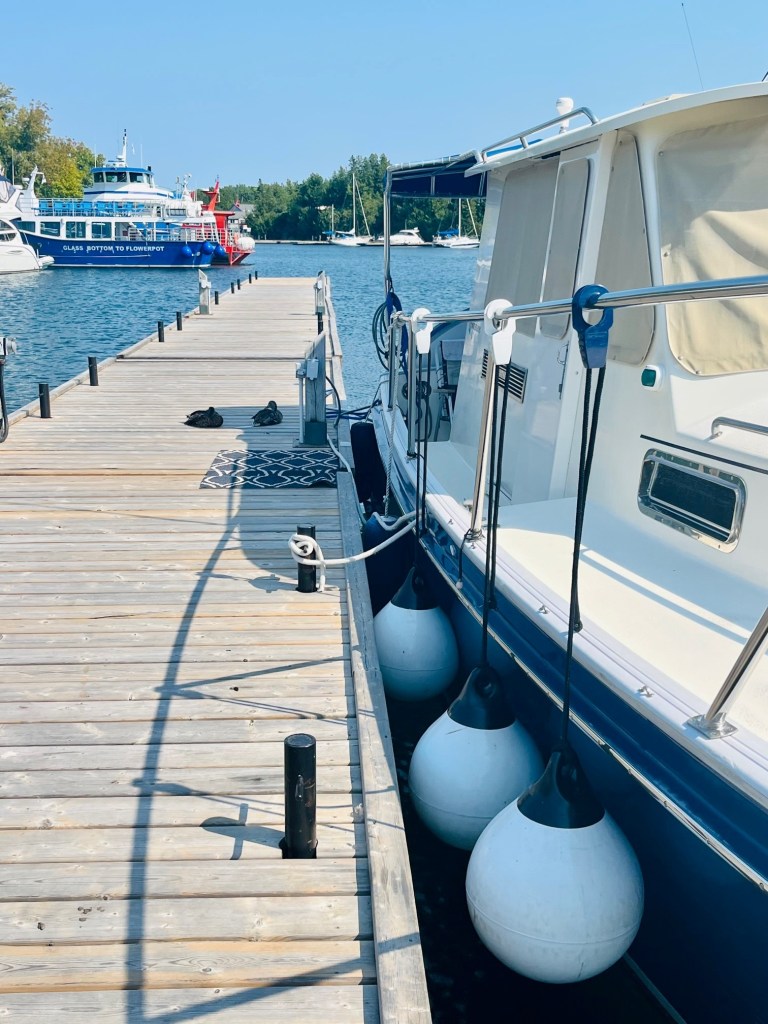
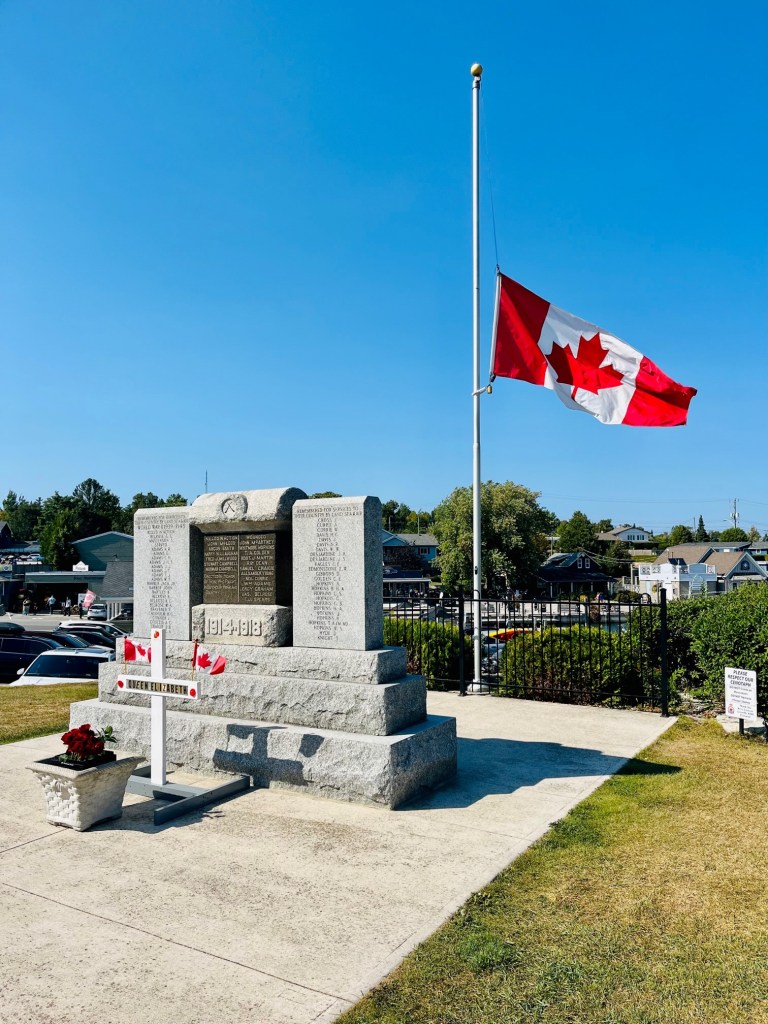
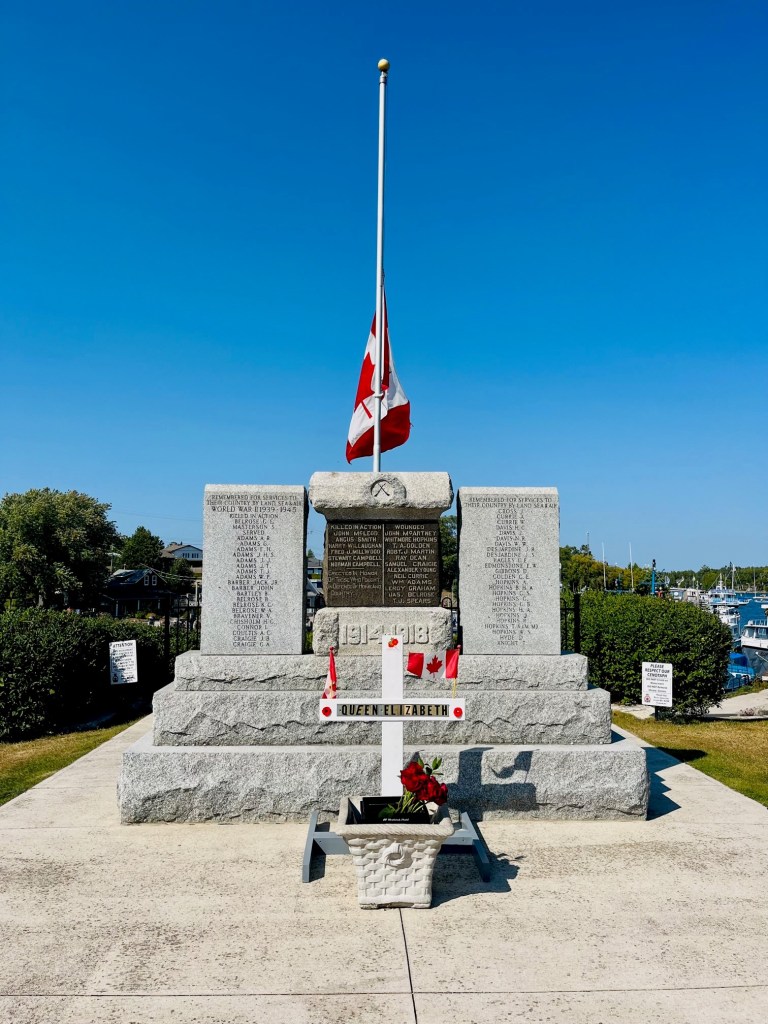
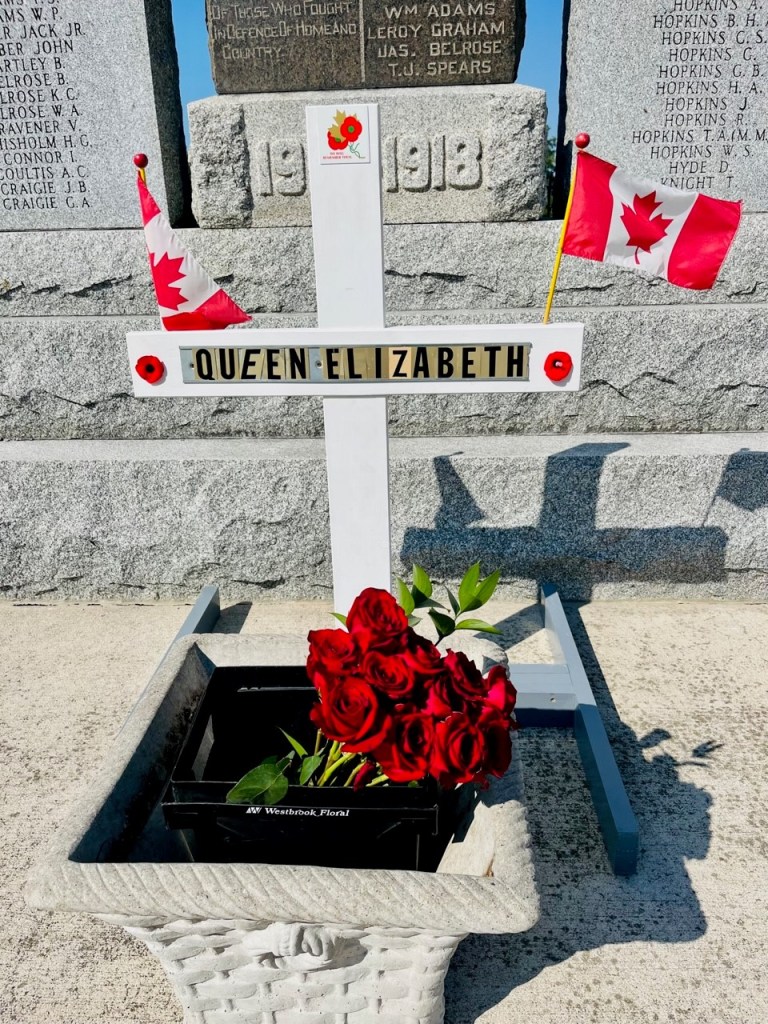
The flag was flown at half mast because of the death of Queen Elizabeth.

 Pat and Cindy's Great Loop Adventure
4 responses to “Tobermory, Ontario”
Love your adventure. Thanks for sharing.
LikeLike
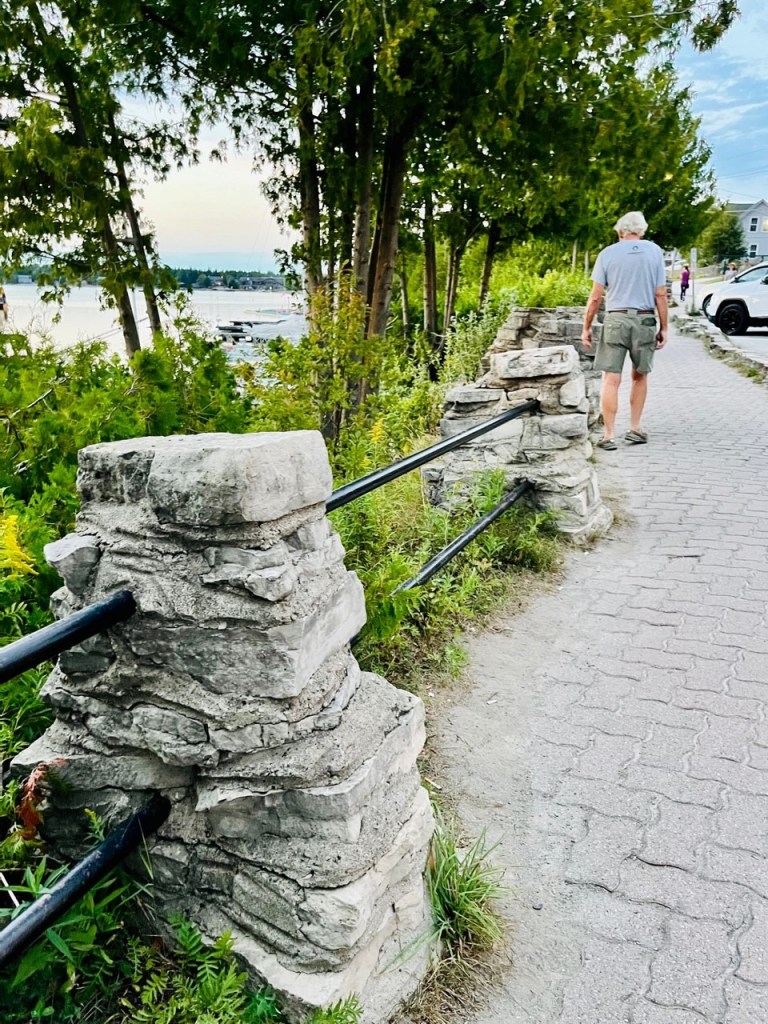
You are certainly back in the ‘Action’. There are many boats and people…and a great café to people watch in. Love the railings held up by the stacked stones.
LikeLike
Always good to hear from you, Renee. Hope all is well.
LikeLike
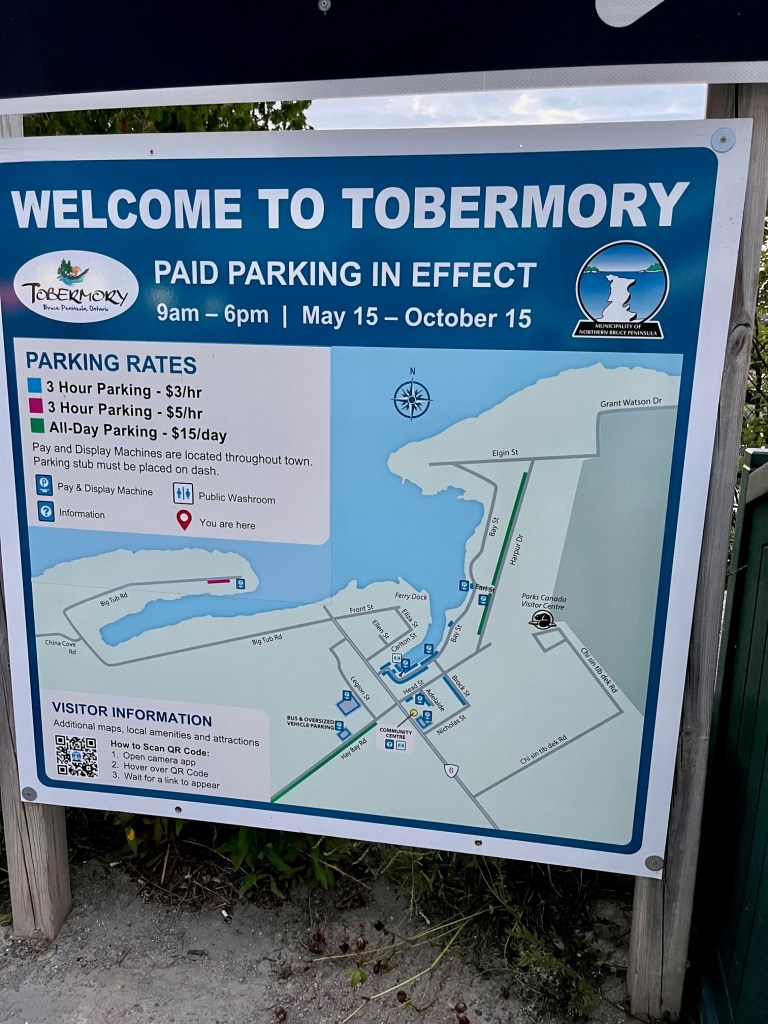
Beautiful but very expensive (accommodation, food and parkings)
LikeLike